Ueno Snoring Clinic offers insurance-covered sleep testing and CPAP management, as well as self-pay laser treatment for snoring, tailored to your specific condition. If you’d like to find out which treatment fits you, please start with an initial consultation.
Details of the tests and treatments offered at Ueno Snoring Clinic can be found here
A Complete Comparison of CPAP Masks
We tried on and reviewed five different types of CPAP masks. 90% of CPAP comfort comes down to the mask.
Watch the video
Do you have to use CPAP forever? A specialist explains how to use CPAP
A detailed explanation of how to use CPAP, with a real demonstration of what it feels like to wear the device.
Watch the video
Ueno Snoring Clinic was featured on Fuji TV’s “Live News It!” and on FNN Prime Online
Watch our clinic’s examination and explanation of sleep disorders, snoring, and sleep apnea.
Watch the video
Ueno Snoring Clinic was featured in an article on Nippon TV’s “news every.”
Please take a look as a starting point for thinking about getting evaluated for snoring, sleep apnea, or other sleep disorders.
Read the article
Reviewed by Our Director
Kazuyuki Sugaya
Director, Ueno Snoring Clinic / Anesthesiologist
Our director, with over 20,000 general anesthesia cases, focuses primarily on the diagnosis and treatment of snoring and sleep apnea, offering care tailored to each patient. [Insurance-Covered] Ueno Snoring Clinic
This article was reviewed by our Director, Kazuyuki Sugaya, and explains accurate medical information about the testing and treatment of snoring and sleep apnea syndrome (SAS) in clear, accessible terms.
🩺Comprehensive Snoring Treatment at Ueno Snoring Clinic
The causes of snoring range from the structure of the throat to body weight. Ueno Snoring Clinic doesn’t rely on a single treatment approach — we’re set up to recommend the best plan for each patient from a broad, evidence-based range of options.
Insurance-Covered: Thorough Testing and Ongoing Treatment
- Simplified and PSG testing: A precise analysis of your sleep condition
- CPAP treatment: The standard treatment for moderate-to-severe apnea
Self-Pay: Address the Root Cause, Short-Term Focus
- Snoring laser treatment: A non-surgical approach to the underlying cause
- Medically supervised weight loss: Improving airway space through weight reduction
*As a clinic specializing in snoring treatment, we work to resolve “snoring that won’t stop” through both insurance-covered and self-pay options.
Our director’s book, “Curing Snoring with the Latest Treatments” (ranked #1 in General Medicine, #1 in Clinical Internal Medicine, and #2 in Home Medicine & Health on Amazon Japan), covers this topic in more detail.
New Book by Our Director
“Curing Snoring with the Latest Treatments”
A guide to the latest snoring treatments, written by an anesthesiologist who has overseen the sleep of more than 10,000 patients.
View on Amazon
Quick Answer
Snoring generally falls into seven broad categories of causes: obesity, aging, nasal congestion, alcohol or medication use, sleep position, jaw or oral skeletal structure, and fatigue. What they share in common is a narrowing of the airway, and in many cases this can be reduced through self-care such as side-sleeping or weight loss. However, if your snoring periodically stops during sleep, or you experience strong daytime sleepiness, these may be signs of sleep apnea syndrome (SAS). Left untreated, SAS raises the risk of high blood pressure and heart disease, so it’s worth seeing a specialist early if these signs apply to you.
📋 What This Article Covers
- The 7 main causes of snoring
- Warning signs of dangerous snoring (sleep apnea syndrome)
- Self-care steps you can try, and when it’s time to see a doctor
How Does Snoring Happen? Understanding the Mechanism

“My partner tells me every morning that I was snoring.” “I wake myself up with my own snoring.” Does either of these sound familiar?
Snoring is an extremely common symptom, affecting roughly 20-30% of people in Japan. But it’s not something to dismiss as “just snoring” — snoring can be a sign of a more serious underlying condition, on top of simply lowering the quality of your sleep.
Let’s start by understanding how snoring actually happens.
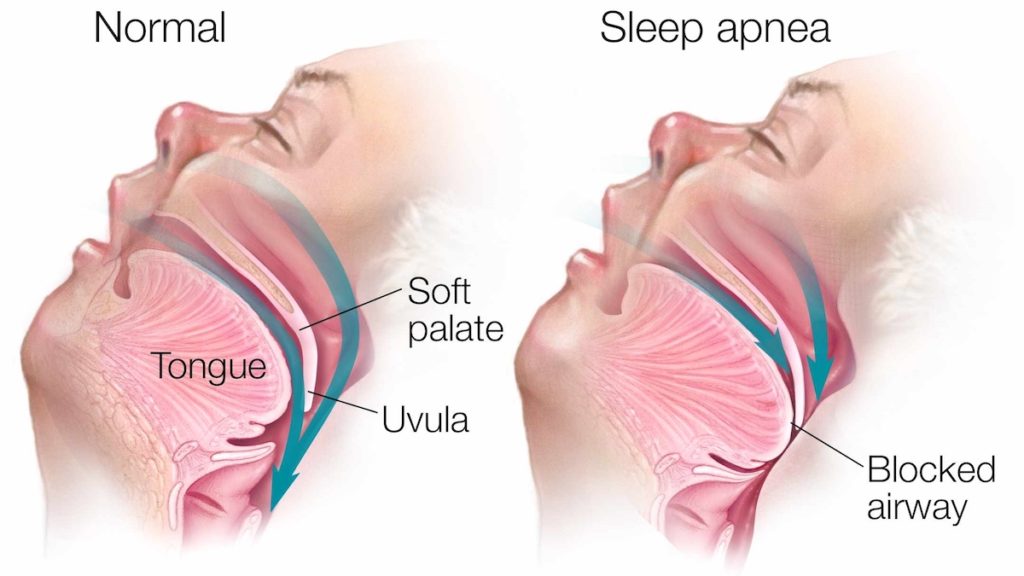
When we fall asleep, the muscles throughout our body relax — including the muscles at the back of the throat (the upper airway). This causes the airway to narrow, and as air passes through the narrowed space, it makes the surrounding soft tissue vibrate, producing that familiar “rumbling” sound. That sound is snoring.
In other words, the root cause of snoring is a narrowed airway. So why does the airway narrow in the first place?
7 Common Causes of Snoring
Cause 1: Obesity and Weight Gain
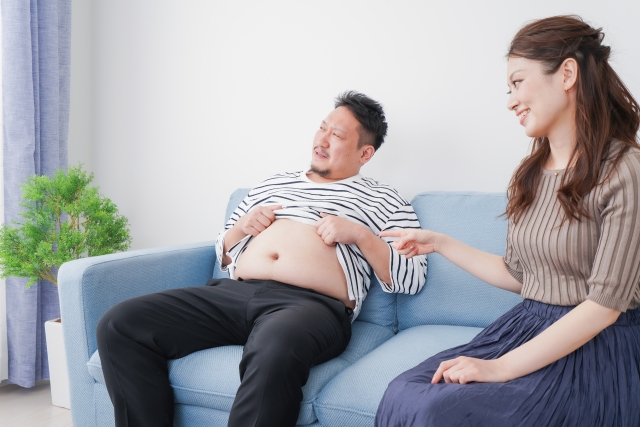
Obesity is the single most common cause of snoring.
As body weight increases, fat also accumulates around the neck and throat. This fat presses on the airway from the outside, narrowing it further during sleep.
People with a higher BMI tend to snore more, and there are many reported cases where losing just 5-10% of body weight noticeably improved snoring.
If you’ve noticed recent weight gain, or that your neck has gotten thicker, weight management is often the most effective place to start — and this connection between body weight and snoring is well documented.
Cause 2: Age-Related Muscle Weakening
As we age, the muscles of the throat (the pharyngeal muscles) naturally weaken over time.
If you didn’t snore when you were younger but started snoring in your 40s or 50s, this age-related muscle weakening is a likely explanation.
Age-related snoring is also common among women — particularly after menopause, when hormonal changes are known to make the throat muscles more prone to relaxing. It often responds well to the same self-care and treatment approaches described in this article.
Cause 3: Nasal Congestion and Nose-Related Conditions
A stuffy nose forces you to breathe through your mouth.
Mouth breathing makes it easier for the tongue to fall backward, blocking the airway and causing snoring. Trying to draw air in through the nose also creates extra negative pressure in the throat, making the soft tissue more prone to vibrating.
Nasal conditions that commonly cause snoring include:
- Allergic rhinitis (hay fever, dust allergies, etc.)
- Chronic sinusitis
- Deviated septum
- Nasal polyps
These conditions require treatment from an ENT specialist, but successfully treating the underlying nasal condition can often significantly reduce or resolve snoring as well.
Cause 4: Alcohol, Sleep Aids, and Anti-Anxiety Medication

Drinking alcohol before bed makes snoring worse.
Alcohol relaxes muscles throughout the body, including the muscles of the throat. Many people notice they snore especially loudly on nights they’ve been drinking — this is a direct result of alcohol’s muscle-relaxing effect.
Sleep aids, anti-anxiety medications, and muscle relaxants can have a similar relaxing effect on the throat. If you take any of these medications, it’s worth asking your doctor about their potential impact on snoring.
Cutting back on alcohol — especially in the hours before bed — is one of the simplest and most effective changes you can make.
Cause 5: Sleep Position (Sleeping on Your Back)
Sleeping on your back allows gravity to pull the tongue backward, making it more likely to block the airway.
Simply switching to side-sleeping prevents this backward movement of the tongue, and many people find their snoring improves significantly as a result. If you notice your snoring settles down when you sleep on your side, this positional effect is very likely the reason.
The “tennis ball method” — sewing a tennis ball into the back of a shirt to prevent rolling onto your back — is an old folk remedy, but research has shown it does have a genuine, measurable effect. This simple positional change is one of the most effective self-care strategies for snoring.
Cause 6: Structural Issues with the Jaw, Teeth, and Mouth
Certain skeletal features you’re born with can also contribute to snoring, including:
- A small or receded lower jaw (micrognathia/retrognathia)
- Enlarged tonsils
- Enlarged adenoids (lymphoid tissue at the back of the nasal cavity)
- A larger-than-average tongue (macroglossia)
These features physically narrow the airway, making snoring more likely. In children, snoring is especially often caused by enlarged tonsils or adenoids, and since this can affect growth and development, early evaluation is recommended. This is also why some people who are not overweight still experience significant snoring — the underlying skeletal structure, rather than body weight, is the driving factor.
Cause 7: Fatigue and Sleep Deprivation
When you’re tired or sleep-deprived, your body tends to move into deep sleep (non-REM sleep) more quickly.
Muscle relaxation is more pronounced during deep sleep, which makes snoring more likely. If you notice your snoring is worse specifically on nights when you’re exhausted from work, this is likely the reason.
Getting adequate sleep and maintaining good sleep habits can help reduce this effect.
Warning Signs: When Snoring May Indicate Sleep Apnea
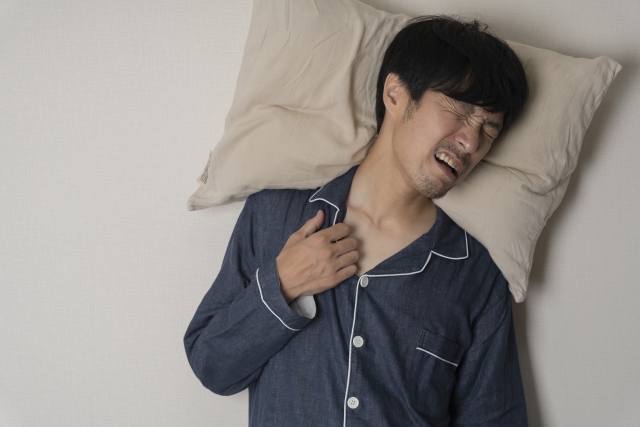
One form of snoring in particular requires special attention: sleep apnea syndrome (SAS).
Sleep apnea syndrome occurs when the airway becomes completely blocked during sleep, causing breathing to stop for 10 seconds or more, five or more times per hour.
In Japan, an estimated 3 million or more people have this condition, and the majority remain undiagnosed and untreated.
Warning signs of sleep apnea syndrome
If any of the following apply to you, sleep apnea syndrome may be a possibility.
Signs During Sleep (Often Noticed by a Bed Partner)
- Extremely loud snoring
- Snoring that periodically stops, then starts again after a pause
- Being told that your breathing appeared to stop while asleep
- Waking up multiple times during the night
- Needing to use the bathroom frequently overnight
Signs After Waking or During the Day
- Not feeling rested even after a full night’s sleep
- Morning headaches
- Strong daytime sleepiness (even during meetings or while driving)
- Trouble concentrating or noticeable memory issues
- Feeling low or irritable more easily than usual
Risks of Leaving Sleep Apnea Syndrome Untreated
| Complication |
Risk vs. People Without SAS |
| High blood pressure |
About 2x |
| Heart attack / angina |
About 3x |
| Stroke |
About 4x |
| Traffic accidents (drowsy driving) |
About 7x |
*See the References section at the end of this article for sources.
5 Things You Can Do Yourself to Reduce Snoring
Before seeing a doctor, here are five self-care steps worth trying first.
1. Get in the habit of sleeping on your side
Avoid sleeping on your back and sleep on your side instead (especially the left side) to help prevent airway blockage. A body pillow can make it easier to stay in this position throughout the night.
2. Maintain a healthy body weight
If your BMI is 25 or above, losing weight can directly improve snoring. Start with a goal of losing around 5% of your body weight.
3. Avoid alcohol for at least 3 hours before bed
If you have a habit of drinking before sleep, this is a good place to start making changes.
4. Focus on nasal breathing
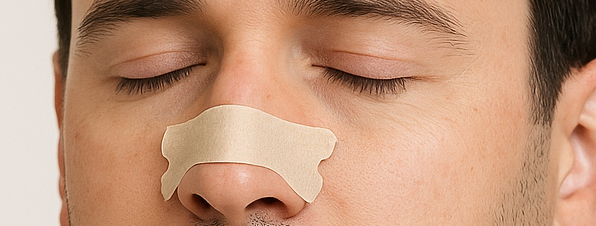
If your nose is congested, try an over-the-counter nasal spray or nasal strips. That said, chronic nasal congestion is best resolved with treatment from an ENT specialist.
5. Build healthy sleep habits
Avoid smartphone use in the hour before bed, and aim for a consistent, regular sleep schedule.
When Should You See a Doctor?
We recommend seeing a specialist promptly if any of the following apply to you:
- A bed partner has told you your snoring seems to stop periodically
- You experience strong daytime sleepiness that’s affecting your work or daily life
- You feel exhausted or get headaches even after a full night’s sleep
- You have a history of high blood pressure, diabetes, or heart disease
- Self-care hasn’t improved your snoring
A specialist diagnosis of snoring typically involves a simplified home sleep test or an overnight sleep study (polysomnography, or PSG). Home test kits are increasingly available, making it possible to get diagnosed in many cases without being admitted to a hospital.
About Ueno Snoring Clinic
For specialized snoring and sleep apnea treatment, Ueno Snoring Clinic is here to help.
Ueno Snoring Clinic provides specialized support from diagnosis through treatment for snoring and sleep apnea syndrome.
Consider a consultation if any of the following describe you:
- You’re concerned about your snoring, or a partner has mentioned it
- You’re experiencing ongoing daytime sleepiness or fatigue
- You suspect you may have sleep apnea syndrome
- You’re being treated elsewhere but haven’t seen improvement
What sets Ueno Snoring Clinic apart:
- Careful evaluation by specialists: Our physicians bring expertise in anesthesiology, otolaryngology, and sleep medicine
- Simplified at-home testing: No hospital stay required, so you can be tested while continuing to work
- A range of treatments, including CPAP therapy and snoring laser treatment: We recommend the best-fit treatment for your specific condition
- Convenient access: Within walking distance of Ueno Station, making regular visits easy
Please feel free to visit us, even if you’d just like to talk it through first.
Ueno Snoring Clinic offers insurance-covered sleep testing and CPAP management, as well as self-pay laser treatment for snoring, tailored to your specific condition. If you’d like to find out which treatment fits you, please start with an initial consultation.
Details of the tests and treatments offered at Ueno Snoring Clinic can be found here
Summary
The underlying cause of snoring is a narrowed airway. Behind that narrowing lies a mix of contributing factors: obesity, aging, nasal conditions, alcohol, sleep position, skeletal structure, and fatigue, among others.
Many cases of snoring can be reduced through lifestyle changes, but if sleep apnea syndrome is suspected, seeing a specialist is essential — left untreated, it raises the risk of serious complications such as heart disease, stroke, and diabetes.
If you’ve ever wondered “is my snoring something to worry about?”, please don’t hesitate to reach out to Ueno Snoring Clinic.
Frequently Asked Questions About the Causes of Snoring
Q. What is the most common cause of snoring?
A. Obesity is the most common cause. Fat around the neck and throat presses on the airway from the outside, making snoring more likely. Many people see improvement after losing just 5-10% of their body weight.
Q. Why do some thin people still snore?
A. Beyond body weight, skeletal factors such as a small or receded lower jaw, or enlarged tonsils and adenoids, can also cause snoring — and these can affect people regardless of body weight.
Q. Can snoring be a sign of an underlying medical condition?
A. Yes. If your snoring periodically stops during sleep, or you experience strong daytime sleepiness, sleep apnea syndrome (SAS) may be behind it. Left untreated, SAS is associated with a higher risk of high blood pressure and heart disease.