At Ueno Snoring Clinic, we offer ongoing support after starting CPAP — from reviewing how it’s being used to checking for other sleep disorders that may be involved. If you’re using CPAP but still can’t shake the sleepiness, please don’t hesitate to reach out.
Details of the tests and treatments offered at Ueno Snoring Clinic can be found here
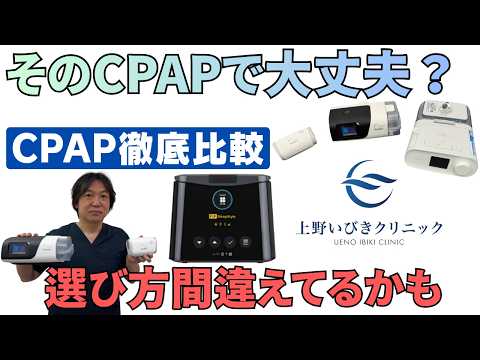
You’ll Want to Know This! A Complete Comparison of 5 CPAP Types — What Doctors Really Look For
Our doctor compares five different CPAP machines side by side and explains what actually matters when choosing one.
Watch the video
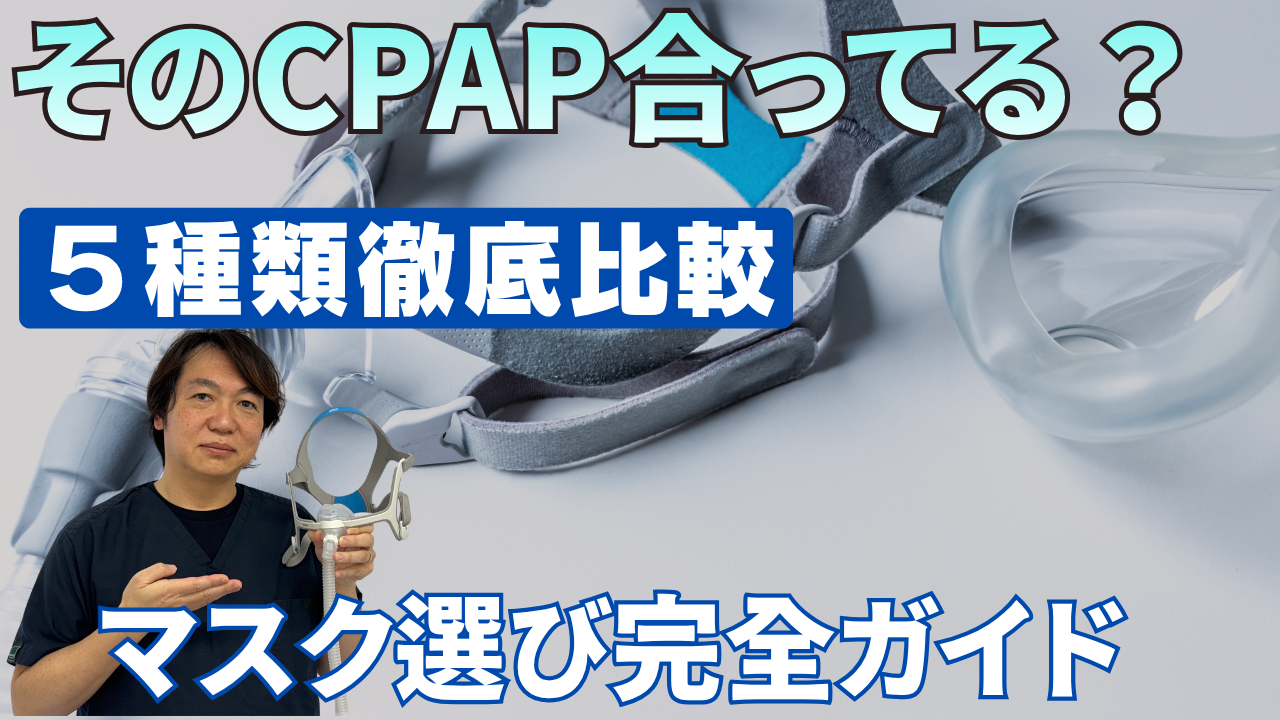
A Complete Comparison of CPAP Masks
We tried on and reviewed five different types of CPAP masks. 90% of CPAP comfort comes down to the mask.
Watch the video
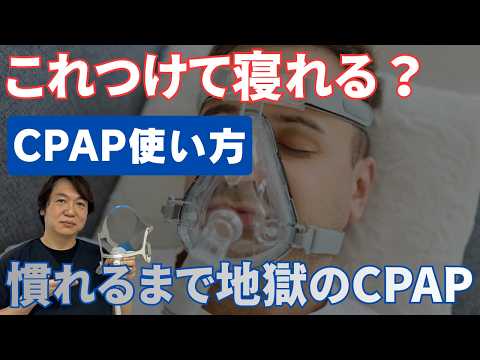
Do you have to use CPAP forever? A specialist explains how to use CPAP
A detailed explanation of how to use CPAP, with a real demonstration of what it feels like to wear the device.
Watch the video
Ueno Snoring Clinic was featured on Fuji TV’s “Live News It!” and on FNN Prime Online
Watch our clinic’s examination and explanation of sleep disorders, snoring, and sleep apnea.
Watch the video
Ueno Snoring Clinic was featured in an article on Nippon TV’s “news every.”
Please take a look as a starting point for thinking about getting evaluated for snoring, sleep apnea, or other sleep disorders.
Read the article
Reviewed by Our Director
Kazuyuki Sugaya
Director, Ueno Snoring Clinic / Anesthesiologist
Our director, with over 20,000 general anesthesia cases, focuses primarily on the diagnosis and treatment of snoring and sleep apnea, offering care tailored to each patient. [Insurance-Covered] Ueno Snoring Clinic
This article was reviewed by our Director, Kazuyuki Sugaya, and explains the possible reasons sleepiness can persist even during CPAP treatment.
🩺Comprehensive Snoring Treatment at Ueno Snoring Clinic
Ueno Snoring Clinic takes a comprehensive approach to sleepiness, from reviewing how CPAP is being used, to assessing residual apnea, to checking for other sleep disorders that may be involved.
Insurance-Covered: Thorough Testing and Ongoing Treatment
- Simplified and PSG testing: A precise evaluation of the underlying cause of snoring and apnea
- CPAP treatment: The standard treatment for moderate-to-severe apnea, with ongoing adjustments after starting
Self-Pay: Address the Root Cause, Short-Term Focus
- Snoring laser treatment: Available as 3, 6, or 12-session courses
- Medically supervised weight loss: An option when weight gain is a contributing factor
*If sleepiness persists, a cause other than sleep apnea may be involved, so we coordinate with other specialists as needed.
Our Director’s book, “Curing Snoring with the Latest Treatments” (ranked #1 in General Medicine and #1 in Clinical Internal Medicine, and #2 in Family Health on Amazon Japan’s bestseller charts), also covers this topic in more detail.
New Book by Our Director
“Curing Snoring with the Latest Treatments”
A guide to the latest snoring treatments, written by an anesthesiologist who has overseen the sleep of more than 10,000 patients.
View on Amazon
Quick Answer
The main reasons sleepiness can persist despite using CPAP fall into seven categories: 1) not using CPAP long enough each night, or not enough nights; 2) residual apnea, where the device’s own AHI reading hasn’t come down enough; 3) simply not getting enough total sleep time; 4) another sleep disorder occurring alongside sleep apnea; 5) psychological factors such as depression or anxiety; 6) the effects of medication, alcohol, or caffeine; and 7) lingering effects from a long period of untreated low oxygen levels. CPAP isn’t a treatment that guarantees sleepiness will disappear simply by using it — it’s important to review how it’s being used and check for causes beyond sleep apnea itself. If sleepiness continues for several weeks or more, please consult your doctor rather than trying to judge it on your own.
📋 What This Article Covers
- The 7 main causes of residual sleepiness on CPAP
- A closer look at each of the 7 causes
- Why you shouldn’t ignore ongoing sleepiness even while using CPAP
- What to do if the sleepiness doesn’t go away
“I use my CPAP properly every night, but the daytime sleepiness just won’t go away” — we sometimes hear this from patients who are continuing treatment. CPAP is highly effective against snoring and apnea themselves, but there are genuinely cases where sleepiness lingers even with consistent use.
This condition is medically known as “residual sleepiness,” and it’s known to occur in a subset of patients who are using CPAP correctly. There isn’t just one cause — it can range from issues with how CPAP itself is being used, to an entirely different condition hiding behind the apnea.
In this article, our Director walks through 7 possible causes of sleepiness that persists despite CPAP use, one by one.
The 7 Main Causes of Residual Sleepiness
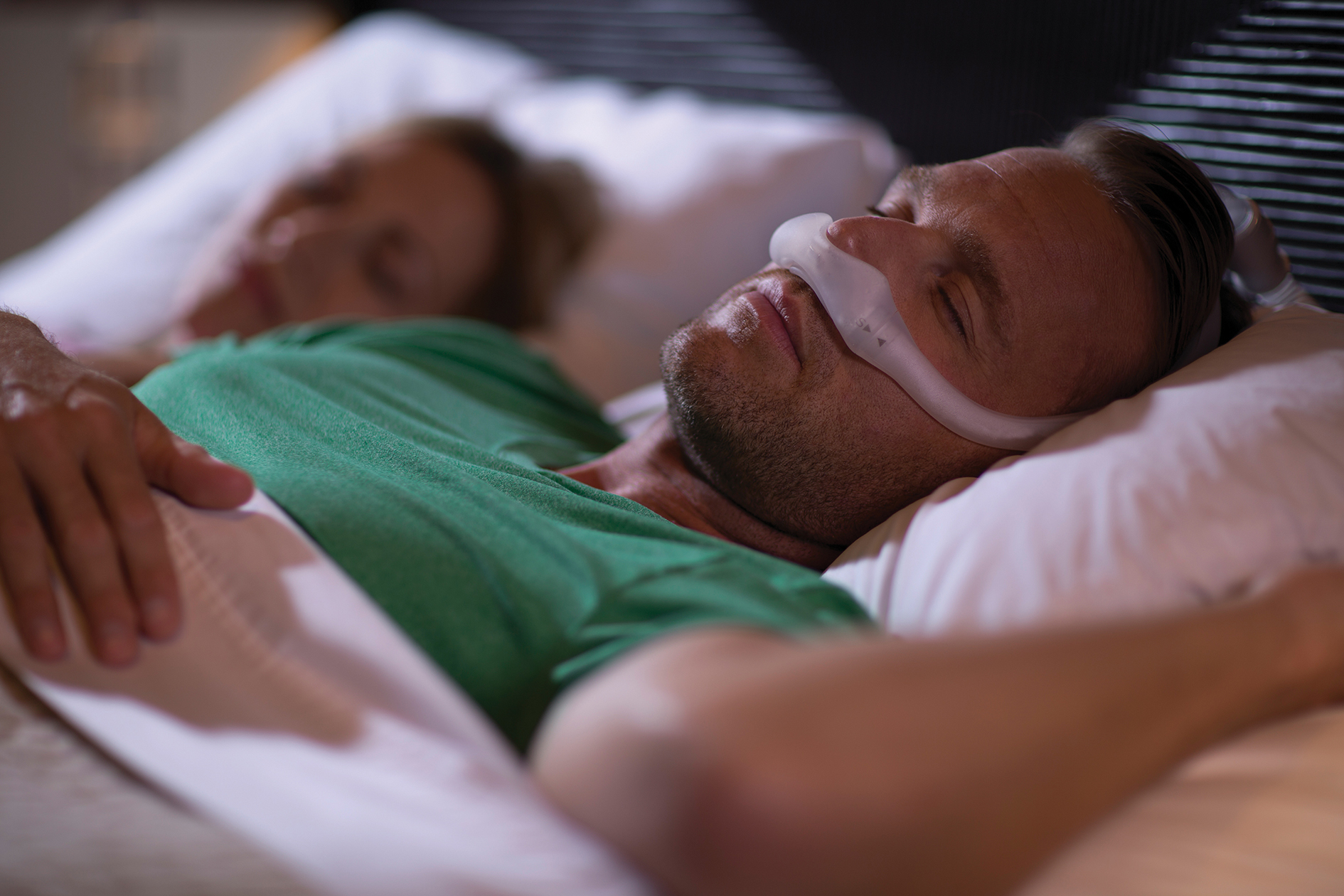
Daytime sleepiness that persists despite consistent CPAP use is medically referred to as “residual sleepiness.” Even when the snoring and breathing disruptions from apnea have improved, sleepiness as a subjective symptom can sometimes remain — and this is seen in a certain proportion of patients.
| Cause |
Category |
| 1. Not enough CPAP hours or nights of use |
How CPAP is used |
| 2. Residual apnea (AHI hasn’t come down enough) |
How CPAP is used |
| 3. Not getting enough total sleep time |
Lifestyle |
| 4. Another sleep disorder occurring alongside |
Coexisting condition |
| 5. Psychological factors such as depression or anxiety |
Coexisting condition |
| 6. The effects of medication, alcohol, or caffeine |
Lifestyle |
| 7. Lingering effects from long-term low oxygen levels |
Effects of prior history |
Let’s take a closer look at each one.
Let’s Look at Each of the 7 Causes One by One
Cause 1: Not Enough CPAP Hours or Nights of Use
To get the full benefit of CPAP, a general guideline is using it for at least 4 hours a night, ideally every night. If you’re wearing the mask but removing it partway through the night, or only managing a few nights a week, the treatment effect can end up insufficient, making residual sleepiness more likely.
That said, this doesn’t mean it’s fine to use CPAP for 4 hours and sleep the remaining hours without it. Since the goal of treatment is to minimize apnea events as much as possible, it’s important to keep the time spent sleeping without CPAP as short as you can.
Cause 2: Residual Apnea (AHI Hasn’t Come Down Enough)
Even with consistent CPAP use, mask leaks or a pressure setting that isn’t quite right can sometimes mean the device’s own recorded AHI hasn’t dropped as much as it should. In these cases, apnea itself is still occurring to some degree, which can make it harder for sleepiness to improve.
If your CPAP data shows the AHI isn’t coming down, mask leaks, mouth breathing, and weight gain are among the factors worth reviewing with your doctor. (We cover the causes of a non-improving CPAP AHI reading — mask leaks, mouth breathing, weight gain, and more — in more detail in a separate guide; please ask us about this during a consultation, as the English translation of that guide is still in progress.)
Cause 3: Not Getting Enough Total Sleep Time
CPAP is, first and foremost, a treatment for disrupted breathing during sleep — it doesn’t increase your total amount of sleep. If your bedtime is consistently late and you’re chronically short on sleep, daytime sleepiness can persist even with CPAP working correctly. It’s worth taking a moment to reflect on your average nightly sleep duration.
There’s no single number of hours that works for everyone — the right amount of sleep varies by individual. Aim for enough sleep that you don’t feel sleepy or fatigued during the day.
Cause 4: Another Sleep Disorder Occurring Alongside
Beyond sleep apnea syndrome, there are several other sleep disorders that can cause sleepiness on their own — restless legs syndrome, periodic limb movement disorder, narcolepsy, idiopathic hypersomnia, and circadian rhythm disruption from shift work, among others. When one of these coexists with sleep apnea, CPAP alone may not be enough to fully resolve the sleepiness.
Cause 5: Psychological Factors Such as Depression or Anxiety
Depression and anxiety are known to reduce sleep quality and can present as daytime fatigue or sleepiness. If you find that you don’t feel rested even though you’re sleeping, or you’ve had a persistent low mood, your mental state — not just sleep apnea — may also be playing a role.
Cause 6: The Effects of Medication, Alcohol, or Caffeine
A fair number of medications — antidepressants, anti-anxiety medications, antihistamines, and others — can cause drowsiness as a side effect. Alcohol before bed can lower sleep quality, and caffeine later in the day can interfere with sleep. It’s worth reviewing your current medications and daily habits as part of the picture.
Cause 7: Lingering Effects From Long-Term Low Oxygen Levels
When severe sleep apnea has gone untreated for many years, the repeated drops in oxygen may have an effect on the brain, and sleepiness can sometimes persist even after CPAP treatment begins. In these cases, it may simply take longer for CPAP’s benefits to become apparent compared with other causes.
Why You Shouldn’t Ignore Sleepiness Despite Using CPAP
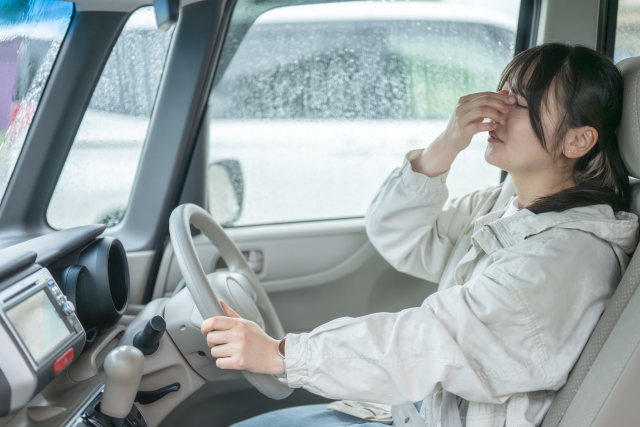
Some patients, feeling that “I’ve been trying hard with CPAP but the sleepiness isn’t going away, so what’s the point,” end up stopping treatment — but we wouldn’t recommend that. The improvement in apnea itself and the improvement in sleepiness as a symptom don’t always happen on the same timeline. If your apnea has genuinely improved, that still translates into a lower risk of cardiovascular disease and other complications.
At the same time, if sleepiness continues for a long stretch, it can create real risks in daily life, such as drowsy driving. Rather than assuming “I’ll get used to it eventually,” it’s important to identify the underlying cause.
What to Do If Sleepiness Continues
If sleepiness hasn’t improved after using CPAP consistently for a while (several weeks to a few months), we’d recommend checking on and discussing the following.
Start by reviewing your CPAP usage data — how many hours and nights you’re actually using it, and whether the device’s recorded AHI has come down sufficiently. Next, take a look at your typical sleep duration and daily rhythm, any medications you’re taking, and your alcohol or caffeine intake. If the cause still isn’t clear after that, talk with your doctor, including about the possibility of another sleep disorder or a psychological factor.
When needed, we may also coordinate with other specialists, such as psychiatry or psychosomatic medicine, to help identify the cause.
How Ueno Snoring Clinic Can Help
Ueno Snoring Clinic is a sleep disorder clinic specializing in snoring and sleep apnea syndrome. Beyond reviewing your CPAP usage and device data, we take a careful look at whether any factor besides apnea may be contributing to your sleepiness.
If you’re using CPAP but the sleepiness won’t go away, or you’re unsure what’s causing it, please come talk to us rather than stopping treatment on your own.
Conclusion: Sleep Apnea Isn’t Always the Only Cause of Sleepiness
When sleepiness persists despite using CPAP, the cause could be something related to CPAP itself — insufficient usage time, or residual apnea — or it could be a range of other factors: not enough sleep overall, another sleep disorder occurring alongside, psychological factors, medication or alcohol use, or lingering effects from a past period of low oxygen levels.
Rather than simply putting up with “still sleepy despite using it” or giving up on treatment altogether, working through the possible causes one by one is the shortest path to genuinely resolving the problem.
Let’s Figure Out the Cause of Your Sleepiness Together
From reviewing how you’re using CPAP to checking for other sleep disorders that may be involved, we’re here to help every step of the way.
Frequently Asked Questions
Q. I’ve only been using CPAP for a few days, and the sleepiness hasn’t gone away. Is that a problem?
A. It’s not unusual for CPAP’s benefits to take a few weeks to become noticeable. Try to continue consistent use for now, and focus on getting enough hours in each night.
Q. How many hours of CPAP use are actually needed?
A. As a general guideline, using it for at least 4 hours a night, ideally every night, is recommended.
Q. My doctor said the cause of my sleepiness might not be apnea. What should I do?
A. Another sleep disorder, such as restless legs syndrome or narcolepsy, may be involved alongside your apnea. Additional specialized testing or coordination with another specialty may be needed, depending on your situation.
Q. If sleepiness continues even with CPAP, is the treatment pointless?
A. Not necessarily. The improvement in apnea itself and the improvement in sleepiness as a symptom don’t always happen together. If your apnea has genuinely improved, that still contributes to lowering your risk of cardiovascular disease and related complications.
Q. Could depression be involved?
A. Yes. Depression and anxiety are known to lower sleep quality and can present as daytime sleepiness or fatigue. If this sounds like you, it’s worth bringing up with your doctor.
Q. How long should sleepiness last before I see a doctor about it?
A. If sleepiness hasn’t improved after several weeks or more of proper CPAP use, it’s a good idea to consult your doctor.
Start With an Initial Consultation
From CPAP adjustments to a comprehensive evaluation of what’s behind your sleepiness, we’re happy to help. Fully appointment-based, with same-day appointments available.






いびきを最新治療で治す-表紙-1.png)