Ueno Snoring Clinic offers insurance-covered sleep testing and CPAP management, as well as self-pay laser treatment for snoring, tailored to your specific condition. If you’d like to find out which treatment fits you, please start with an initial consultation.
Details of the tests and treatments offered at Ueno Snoring Clinic can be found here
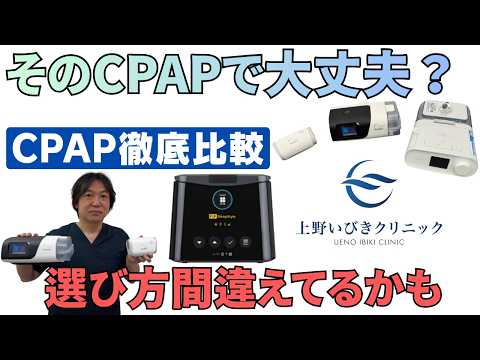
You’ll Want to Know This! A Complete Comparison of 5 CPAP Types — What Doctors Really Look For
Our doctor compares five different CPAP machines side by side and explains what actually matters when choosing one.
Watch the video
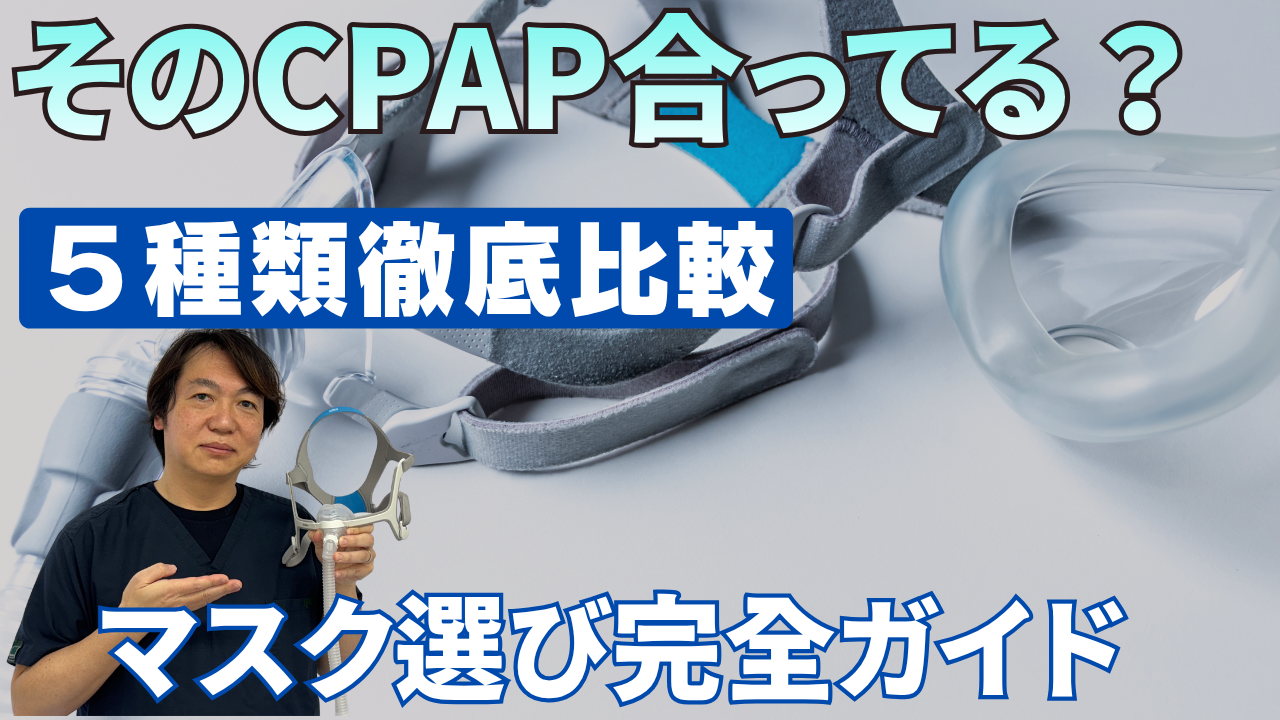
A Complete Comparison of CPAP Masks
We tried on and reviewed five different types of CPAP masks. 90% of CPAP comfort comes down to the mask.
Watch the video
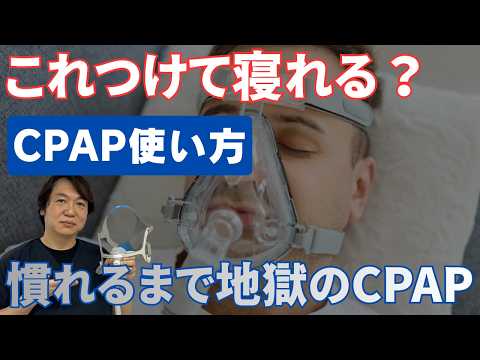
Do you have to use CPAP forever? A specialist explains how to use CPAP
A detailed explanation of how to use CPAP, with a real demonstration of what it feels like to wear the device.
Watch the video
Ueno Snoring Clinic was featured on Fuji TV’s “Live News It!” and on FNN Prime Online
Watch our clinic’s examination and explanation of sleep disorders, snoring, and sleep apnea.
Watch the video
Ueno Snoring Clinic was featured in an article on Nippon TV’s “news every.”
Please take a look as a starting point for thinking about getting evaluated for snoring, sleep apnea, or other sleep disorders.
Read the article
🩺Comprehensive Snoring Treatment at Ueno Snoring Clinic
The causes of snoring range from the structure of the throat to body weight. Ueno Snoring Clinic doesn’t rely on a single treatment approach — we’re set up to recommend the best plan for each patient from a broad, evidence-based range of options.
Insurance-Covered: Thorough Testing and Ongoing Treatment
- Simplified and PSG testing: A precise analysis of your sleep condition
- CPAP treatment: The standard treatment for moderate-to-severe apnea
Self-Pay: Address the Root Cause, Short-Term Focus
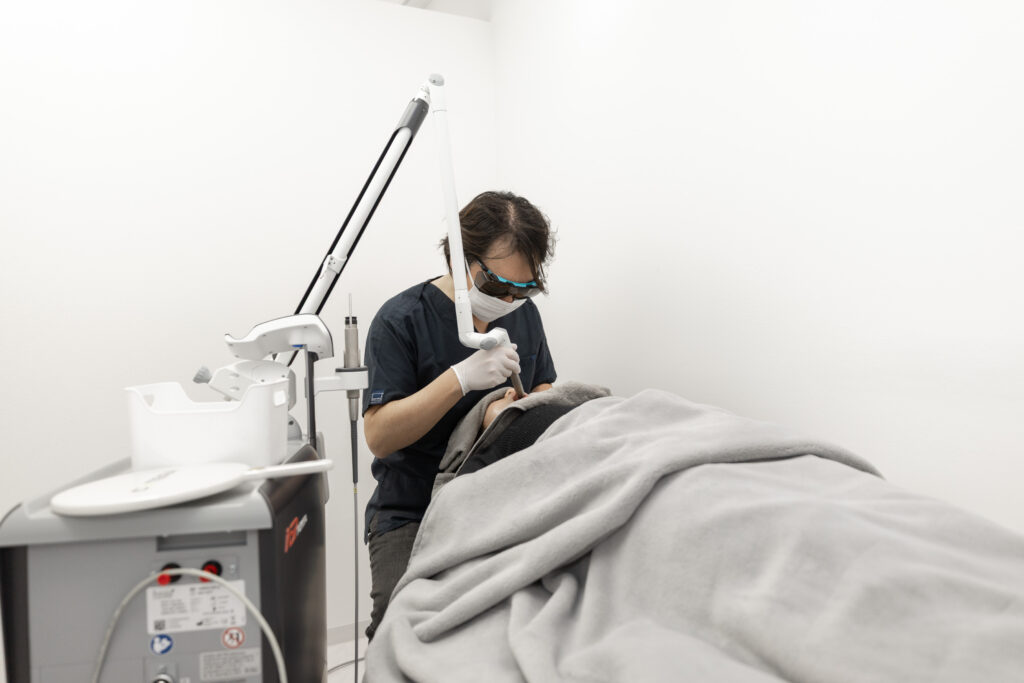
- Snoring laser treatment: A non-surgical approach to the underlying cause
- Medically supervised weight loss: Improving airway space through weight reduction
*As a clinic specializing in snoring treatment, we work to resolve “snoring that won’t stop” through both insurance-covered and self-pay options.
Reviewed by Our Director
Kazuyuki Sugaya
Director, Ueno Snoring Clinic / Anesthesiologist
Our director, with over 20,000 general anesthesia cases, focuses primarily on the diagnosis and treatment of snoring and sleep apnea, offering care tailored to each patient. [Insurance-Covered] Ueno Snoring Clinic
This article was reviewed by our Director, Kazuyuki Sugaya, and explains accurate medical information about the testing and treatment of snoring and sleep apnea syndrome (SAS) in clear, accessible terms.
New Book by Our Director
“Curing Snoring with the Latest Treatments”
A guide to the latest snoring treatments, written by an anesthesiologist who has overseen the sleep of more than 10,000 patients.
View on Amazon
Quick Answer
Occasional snoring with an obvious cause — like drinking, a stuffy nose, or exhaustion — can often be managed by adjusting your habits and watching how it responds. But if your snoring is loud almost every night, you’ve been told your breathing stops, you have strong daytime sleepiness, or you wake up with headaches or feel unrested, these are signs worth taking to a specialist. Waiting too long can allow sleep apnea syndrome to progress to a more severe stage, which typically means longer, more expensive treatment down the road — so when in doubt, earlier evaluation is generally the better choice.
📋 What This Article Covers
- Who should see a snoring specialist, and who can reasonably wait and see
- A quick self-check if you’re not sure which applies to you
- Why insurance-covered testing is usually the sensible first step
- How to think about insurance-covered care versus self-pay laser treatment
“My snoring bothers me, but I don’t think it’s serious enough for a hospital.”
“My family has pointed it out, but I don’t feel like it’s really a problem.”
“I’m not sure if I should just wait and see, or go get it checked sooner rather than later.”
These are concerns we hear very often.
Sometimes snoring really is just “a noise issue.” But in other cases, it’s an early sign of sleep apnea syndrome. In particular, loud snoring, strong daytime sleepiness, being told your breathing stops during sleep, or waking up feeling like you’re choking are all signs worth bringing to a doctor. Public health guidance and sleep medicine resources generally treat loud snoring combined with daytime sleepiness, breathing pauses, or gasping/choking sensations as a reasonable trigger for a consultation.
That said, not every instance of snoring points to something serious. It can also worsen temporarily from nasal congestion, alcohol, weight gain, sleeping on your back, or fatigue. What matters isn’t simply “whether you snore,” but recognizing which type of snoring you have.
In this article, from a specialist’s perspective, we’ll walk through:
- Who should visit a snoring specialist
- Who can reasonably wait and see
- When insurance-covered care makes sense to start with
- When snoring laser treatment is a good fit
We’ll try to make this as concrete as possible, so you can see clearly where you fall.
Some Snoring Can Wait — Some Should Be Seen by a Doctor
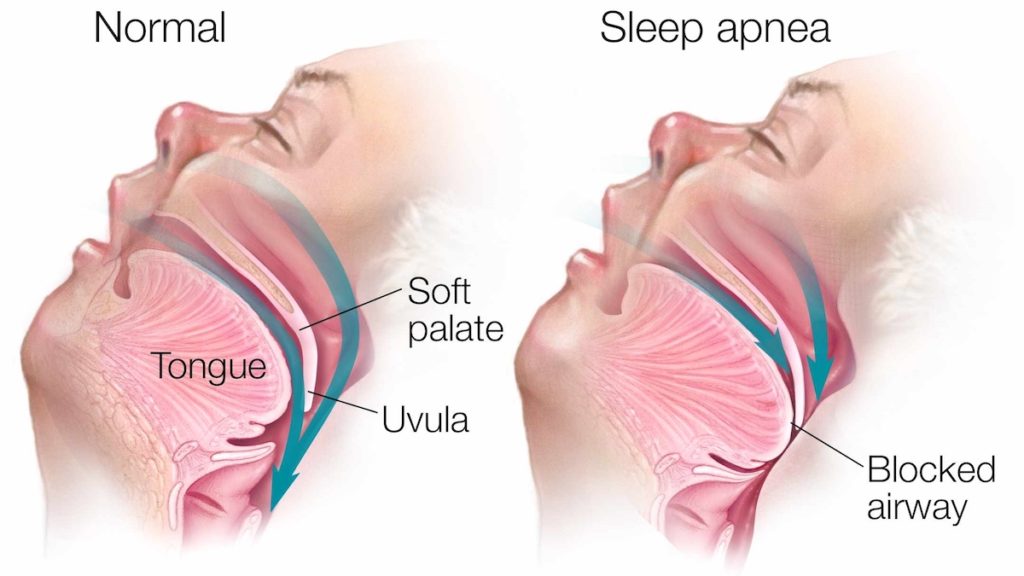
Snoring happens when the upper airway narrows during sleep and the surrounding tissue vibrates as air passes through, producing sound. Snoring on its own isn’t unusual.
The real issue is what’s causing it. For example:
- Poor airflow from rhinitis or nasal congestion
- A temporarily narrower throat from short-term weight gain
- Snoring that’s only bad after drinking
- Snoring that shows up after a night of deep, exhausted sleep
In these cases, lifestyle and physical condition often play a large role.
On the other hand, if:
- You snore quite loudly almost every night
- A family member has said your breathing seems to stop
- You experience strong daytime sleepiness
- You have headaches or feel sluggish when you wake up
- You wake up multiple times during the night
- You still feel exhausted despite having slept
— this may not just be “loud snoring.” It could point to reduced sleep quality or sleep apnea syndrome. With sleep apnea, breathing repeatedly stops or becomes shallow during sleep, fragmenting your sleep and leading to strong sleepiness, poor concentration, and a lack of restorative rest.
In other words, what matters isn’t simply whether snoring is present — it’s evaluating its frequency, loudness, daytime symptoms, and whether apnea is involved.
Who Should Visit a Snoring Specialist
Here, we’ll clearly lay out who should consider seeing a doctor.
1. People Who Snore Loudly Almost Every Night
Chronic, loud snoring is one of the most common reasons people decide to seek care.
If it’s not just an occasional loud night, but more like:
“It’s quite loud almost every night,” “My family can’t sleep in the same room,” or “People have commented on it while traveling or during a hospital stay” — it’s worth getting checked out.
When snoring has been going on for a long time, the person snoring often becomes used to it and doesn’t fully register how serious it is. But if it’s loud enough to bother the people around you, the upper airway may be chronically narrowed.
2. People Who’ve Been Told Their Breathing Stops During Sleep
This one is especially important.
If a family member or partner has told you:
“Your breathing stopped,” “It went quiet and then you suddenly gasped,” or “Your snoring stops partway through” — this is a strong indicator of sleep apnea syndrome. Loud snoring combined with breathing pauses or gasping/choking sounds is widely recognized as a reason to see a doctor.
Since you’re asleep, you often won’t notice this yourself — which is exactly why what your family observes can be a crucial clue for diagnosis.
3. People With Strong Daytime Sleepiness
Getting sleepy in meetings, feeling unsafe while driving, struggling to concentrate in the afternoon, or feeling like it’s hard just to stay awake — if you have symptoms like these, it may not just be about snoring. Your sleep quality itself may be deteriorating.
With sleep apnea, tiny arousals occur repeatedly throughout the night without you noticing, fragmenting your sleep. As a result, even getting enough hours of sleep doesn’t leave you feeling rested, and daytime sleepiness becomes the most noticeable symptom. Public health resources consistently list loud snoring plus excessive daytime sleepiness as a reason to talk to a healthcare provider.
4. People With Morning Headaches, Poor Sleep Quality, or Frequent Nighttime Waking
“I don’t feel refreshed even though I slept,” “My head feels heavy in the morning,” “I wake up multiple times during the night,” or “I often wake up needing to use the bathroom” — these symptoms shouldn’t be overlooked either.
Snoring and apnea reduce sleep quality and interfere with deep, continuous sleep. As a result, you can end up feeling like you haven’t rested, regardless of how many hours you actually slept.
5. People With High Blood Pressure, Obesity, or Metabolic Risk Factors
If snoring is accompanied by weight gain, more fat around the neck, high blood pressure, or signs of blood sugar issues, it’s worth checking whether sleep apnea may be an underlying factor. Sleep apnea has documented links to cardiovascular and metabolic problems, making it something that’s hard to dismiss as merely “a sleep quirk.”
6. People Whose Work or Driving Is Being Affected
From a medical standpoint, the impact on daily life is a major factor to weigh:
- Feeling sleepy while driving
- Trouble concentrating on desk work
- An increase in mistakes
- Fatigue that’s lowering your overall quality of life
If any of these apply, there’s real value in getting tested.
Who Can Reasonably Wait and See
On the other hand, not everyone needs to see a doctor right away.
1. People Whose Snoring Is Occasional, With a Clear Cause
For example, if it’s:
Only bad after drinking, only present with a cold or rhinitis, limited to nights you’re extremely tired, or more likely when you sleep on your back — where the trigger is clear — it may improve with lifestyle adjustments first.
2. People With Almost No Daytime Symptoms
If you snore, but:
You’re not sleepy during the day, you feel rested, you don’t have headaches or fatigue, and your family hasn’t mentioned any breathing pauses — the urgency may not be especially high.
3. People Who Are Already Improving Through Lifestyle Changes
Getting lighter with weight management, improving with side-sleeping, improving after treating nasal congestion, or improving after cutting back on alcohol — if you’re seeing improvement like this, waiting a bit longer is a reasonable option.
That said, it’s important that “waiting and seeing” doesn’t mean “ignoring it.” If lifestyle adjustments over one to two months don’t help, or if things get worse, it’s a good idea to talk to a doctor.
Not Sure? A Quick Self-Check

If two or more of the following apply to you, we’d recommend getting it checked out:
- You snore loudly almost every night
- A family member has mentioned your breathing stopping
- You wake up feeling short of breath during the night
- You still feel tired after waking up
- You experience strong daytime sleepiness
- You have morning headaches
- You wake up multiple times during the night
- Your snoring has worsened along with weight gain
- You’ve been told you have high blood pressure
- It’s affecting your driving or your work
Even a single item, if it strongly applies — especially breathing pauses, strong daytime sleepiness, or shortness of breath — is a good enough reason on its own to consider seeing a doctor sooner rather than later.
Insurance-Covered Care Is Usually the First Step at a Snoring Clinic

Some people worry that visiting a clinic means being immediately pushed into intimidating tests, surgery, or expensive self-pay treatment.
In reality, though, starting with insurance-covered simplified testing to check for sleep apnea is a genuinely important first step.
This is especially true if you:
- Have been told your breathing stops
- Experience strong daytime sleepiness
- Don’t feel rested after sleeping
- Get headaches when you wake up
- Have high blood pressure or other related conditions
In these cases, checking for sleep apnea syndrome behind the snoring generally comes first.
Depending on your symptoms and consultation, insurance-covered care may involve an at-home simplified test as part of the evaluation. If that testing suggests sleep apnea, the treatment plan is then shaped around its severity. Loud snoring, breathing pauses, daytime sleepiness, and reduced sleep quality are all classic signs that point toward suspecting sleep apnea.
In short: “I have snoring → let’s first check, through insurance-covered care, whether sleep apnea is behind it.” This is a natural, medically sound sequence to follow.
Self-Pay Laser Treatment Is Also a Relatively Low-Worry Option
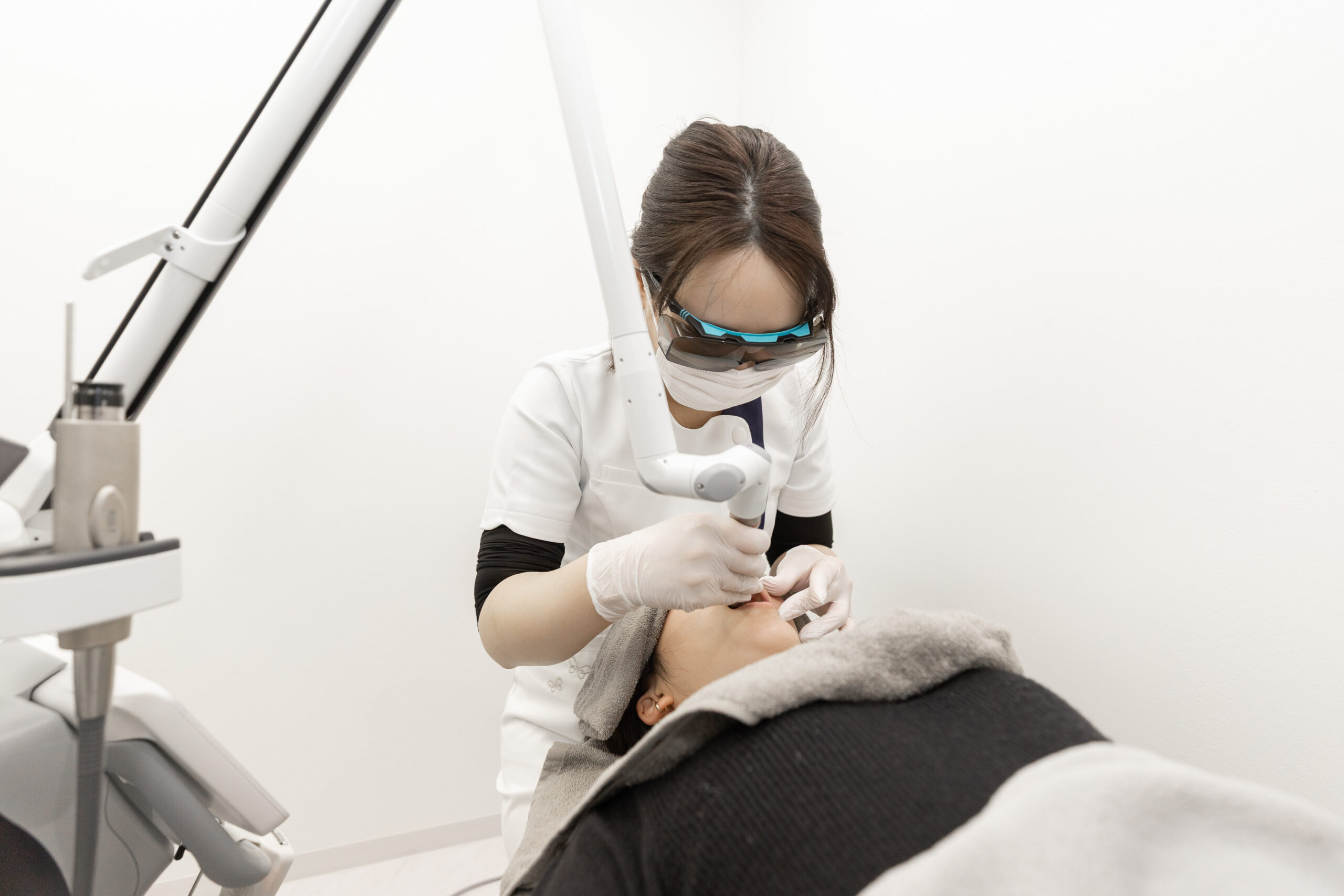
So who is snoring laser treatment actually a good fit for?
One thing worth clearing up: laser treatment and insurance-covered care aren’t competing options.
In practice, the natural approach tends to be:
- First, evaluate for sleep apnea through insurance-covered care
- If significant sleep apnea is the main issue, prioritize addressing that first
- From there, consider self-pay treatment for the snoring itself, or for looseness in the upper airway
Laser treatment tends to suit people such as:
1. People Who Want to Reduce the Sound of Their Snoring Itself
People with real day-to-day concerns, such as a partner’s comments, or anxiety about sharing a room while traveling, on business trips, or in the hospital.
2. People Who’d Rather Avoid Surgery
People hesitant about incision-based treatment who want to explore a less invasive option first.
3. People Whose Snoring May Involve Looseness Around the Uvula or Soft Palate
This is worth considering when the snoring seems to come from vibration in the throat rather than from the nose alone.
4. People for Whom Combining Insurance-Covered Evaluation With Self-Pay Treatment Makes Sense
“I want to confirm whether apnea is present, but I also want to improve the snoring itself” is a very common combination of needs.
What matters here is that whether laser treatment is the right choice should be decided based on your consultation and sleep evaluation. If severe sleep apnea is behind loud snoring, focusing only on the sound risks missing the underlying issue — which is exactly why an insurance-covered evaluation carries real value up front.
Insurance-Covered Care or Laser Treatment — Which Should You Choose?
The answer is simple: it comes down to your symptoms.
People Who Should Start With Insurance-Covered Care
- You’ve been told your breathing stops
- You have strong daytime sleepiness
- You have morning headaches or don’t feel rested
- You have high blood pressure, obesity, or similar risk factors
- You want a clear answer on whether sleep apnea is present
People for Whom Laser Treatment Is Also Worth Considering
- Your main concern is the sound of your snoring
- You’d rather avoid surgery
- You want to keep recovery time to a minimum
- Your snoring seems related to looseness in the throat
- Insurance-covered simplified or PSG testing didn’t confirm sleep apnea*
- You’ve had an insurance-covered evaluation and want to explore further improvement options
*If simplified or PSG testing doesn’t show apnea at a level that meets the criteria, and snoring is the only issue, insurance-covered treatments such as CPAP are not available for that alone.
Severe Snoring, But Not Eligible for CPAP? Insurance Criteria, Laser Treatment, and the Medical Expense Deduction, Explained
April 13, 2026
In practice, you don’t need to commit to one path from the very start.
A realistic approach is to talk through your symptoms at your appointment, and let your doctor help determine whether insurance-covered testing, self-pay treatment, or both together make the most sense.
Why It’s Worth Not Leaving This Untreated
Snoring is often assumed to be harmless since “the person snoring is asleep and doesn’t seem bothered by it.” But in reality, it affects quality of life in real ways:
- Strain on family relationships
- Anxiety around travel or hospital stays
- Reduced productivity during the day
- Trouble concentrating
- Declining sleep quality
And when sleep apnea is behind it, this isn’t simply a matter of noise.
It’s not unusual for what someone dismissed as “just snoring” to turn out to be something that genuinely warranted testing. Pauses in breathing during sleep, gasping, and strong daytime sleepiness are all classic signs worth taking seriously.
Bottom Line: If In Doubt, Look for Signs of Sleep Apnea
If we had to sum up the guideline for seeing a doctor in one line: snoring alone can sometimes be watched for a while, but if there are signs of apnea or daytime symptoms, it’s worth seeing a specialist.
Worth seeing a doctor sooner:
- Loud snoring almost every night
- You’ve been told your breathing stops
- Strong daytime sleepiness
- Morning headaches or not feeling rested
- Shortness of breath, choking sensations, or frequent nighttime waking
- It’s affecting your daily life or work
Reasonable to watch and adjust your habits first:
- Occasional snoring
- A clear cause like alcohol or nasal congestion
- Almost no daytime symptoms
- Already improving through lifestyle changes
If you do decide to see a doctor, a clear path to follow is:
“First, use insurance-covered care to check for sleep apnea — then, if snoring itself is still a concern, consider laser treatment as an additional option.”
If You’d Like to Talk to Ueno Snoring Clinic
Deciding on your own whether your snoring is something to check through insurance-covered care, something laser treatment might help with, or something that calls for a combination of both, can be genuinely difficult.
At Ueno Snoring Clinic, we’re set up to help either way — whether you want to confirm through insurance-covered care whether sleep apnea is behind your snoring, or you’re mainly looking to improve the sound of your snoring through laser treatment.
If you’re wondering “is this serious enough to see a doctor about?” — that very question is often a sign that it’s a good time to come in.
If you have loud snoring, have been told your breathing stops, or experience strong daytime sleepiness, please start with a consultation. From there, we’ll help you sort out whether to begin with insurance-covered care or whether laser treatment is a good fit.
Frequently Asked Questions
Q. How do I know if my snoring is serious enough to see a doctor about?
A. If two or more of the following apply — loud snoring almost every night, being told your breathing stops, strong daytime sleepiness, morning headaches, waking up feeling short of breath, or your snoring worsening alongside weight gain — it’s worth getting evaluated. Even a single strongly-applicable sign, especially breathing pauses or strong daytime sleepiness, is reason enough on its own.
Q. Is it okay to just watch and wait if my snoring only happens occasionally?
A. If your snoring has a clear, occasional cause — like alcohol, a stuffy nose, or exhaustion — and you have little to no daytime symptoms, adjusting your habits first is a reasonable approach. That said, “watch and wait” shouldn’t mean “ignore it” — if it doesn’t improve after 1-2 months, or it gets worse, it’s a good idea to see a doctor.
Q. Will I be pushed straight into surgery or expensive self-pay treatment if I go to a snoring clinic?
A. No — the usual first step is insurance-covered simplified or PSG testing to check for sleep apnea. Self-pay treatment, such as laser treatment, is something to consider afterward, based on your test results and symptoms, and is never the automatic starting point.
Q. Should I choose insurance-covered care or laser treatment?
A. If you’ve been told your breathing stops, have strong daytime sleepiness, or have risk factors like high blood pressure, start with insurance-covered testing to check for sleep apnea. If your main concern is the sound of your snoring itself, you’d rather avoid surgery, or insurance-covered testing didn’t confirm apnea, laser treatment is also worth considering. Many patients end up combining both.