Our Director also advises patients currently on CPAP about whether they may be able to stop, based on objective testing. If you’re thinking about stopping CPAP, please don’t discontinue it on your own — talk to us first.
Details of the tests and treatments offered at Ueno Snoring Clinic can be found here
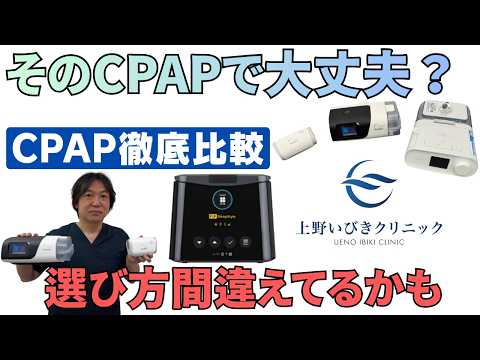
You’ll Want to Know This! A Complete Comparison of 5 CPAP Types — What Doctors Really Look For
Our doctor compares five different CPAP machines side by side and explains what actually matters when choosing one.
Watch the video
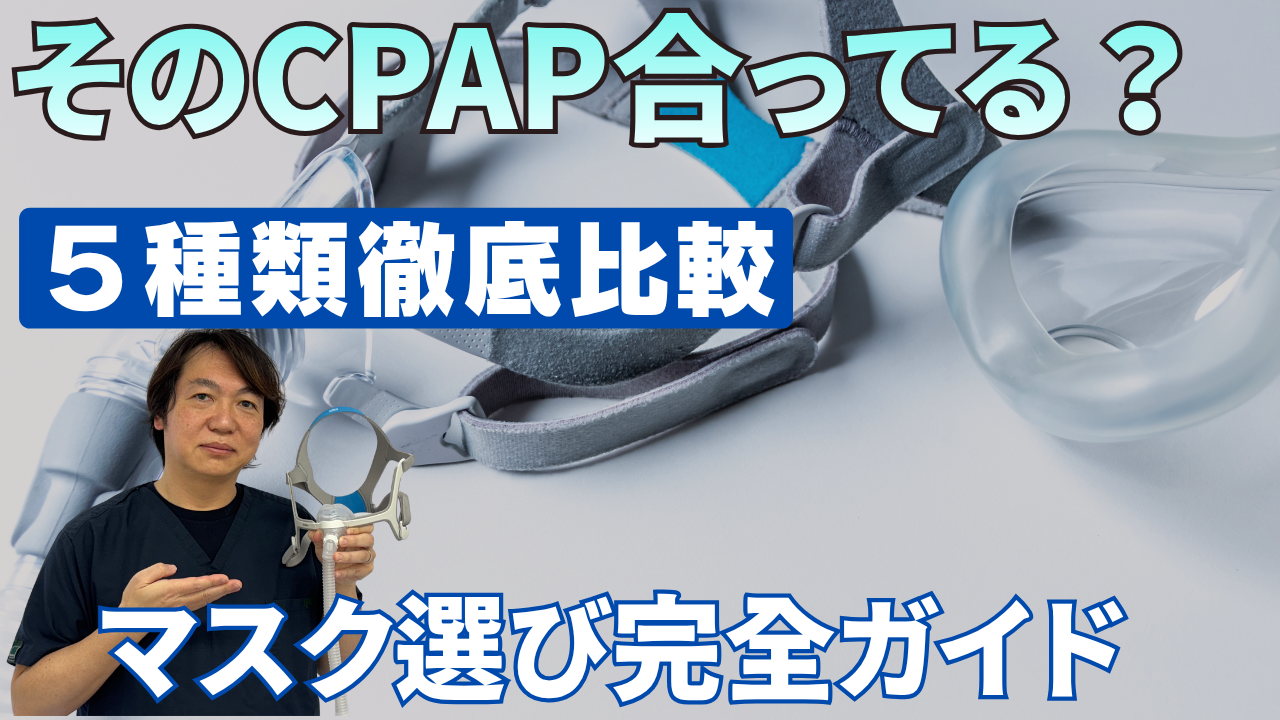
A Complete Comparison of CPAP Masks
We tried on and reviewed five different types of CPAP masks. 90% of CPAP comfort comes down to the mask.
Watch the video
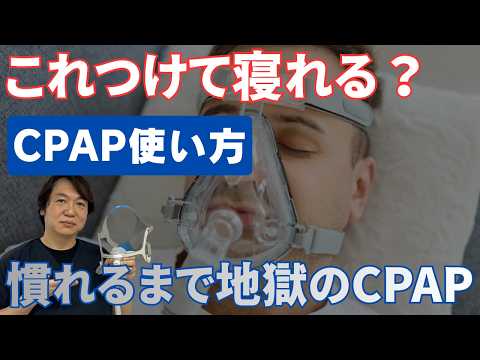
Do you have to use CPAP forever? A specialist explains how to use CPAP
A detailed explanation of how to use CPAP, with a real demonstration of what it feels like to wear the device.
Watch the video
Ueno Snoring Clinic was featured on Fuji TV’s “Live News It!” and on FNN Prime Online
Watch our clinic’s examination and explanation of sleep disorders, snoring, and sleep apnea.
Watch the video
Ueno Snoring Clinic was featured in an article on Nippon TV’s “news every.”
Please take a look as a starting point for thinking about getting evaluated for snoring, sleep apnea, or other sleep disorders.
Read the article
Reviewed by Our Director
Kazuyuki Sugaya
Director, Ueno Snoring Clinic / Anesthesiologist
Our director, with over 20,000 general anesthesia cases, focuses primarily on the diagnosis and treatment of snoring and sleep apnea, offering care tailored to each patient. [Insurance-Covered] Ueno Snoring Clinic
This article was reviewed by our Director, Kazuyuki Sugaya, and explains the difference between patients who may be able to stop CPAP and those who should continue, and why testing is essential to that decision.
🩺Comprehensive Snoring Treatment at Ueno Snoring Clinic
Based on severity assessed through testing, Ueno Snoring Clinic offers evidence-based treatment options ranging from CPAP to laser treatment and medically supervised weight loss.
Insurance-Covered: Thorough Testing and Ongoing Treatment
- Simplified and PSG testing: Also used to determine whether CPAP can eventually be discontinued
- CPAP treatment: The standard treatment for moderate-to-severe apnea
Self-Pay: Address the Root Cause, Short-Term Focus
- Snoring laser treatment: Performed on the premise of an indication confirmed through testing
- Medically supervised weight loss: An option when excess weight is a contributing factor
*Whether CPAP can be discontinued, and how well any treatment works, varies from person to person. An objective evaluation through testing is a prerequisite for that decision.
Our Director’s book, “Curing Snoring with the Latest Treatments” (an Amazon Japan bestseller — #1 in General Medicine, #1 in Clinical Internal Medicine, #2 in Family Health & Wellness), also covers this topic in more detail.
New Book by Our Director
“Curing Snoring with the Latest Treatments”
A guide to the latest snoring treatments, written by an anesthesiologist who has overseen the sleep of more than 10,000 patients.
View on Amazon
Quick Answer
CPAP doesn’t remove the underlying cause of apnea — it’s a symptomatic treatment that applies pressure to keep your airway open. For most people, that means continuing treatment is the basic premise. That said, weight loss (a reduction of roughly 10–15% is often cited as a benchmark) or correction of an anatomical factor such as enlarged tonsils can lessen the underlying apnea itself, and in some cases, once a follow-up test confirms improvement in the AHI (apnea-hypopnea index), CPAP can be discontinued. At our clinic, some moderate-severity patients have been able to finish CPAP after combining snoring laser treatment with medically supervised weight loss and confirming the improvement through testing (results vary by individual, and any decision must be based on testing). What matters most is not judging by subjective symptom improvement alone. Some self-pay clinics advertise that laser treatment alone lets you “graduate” from CPAP without any testing — but a quieter snore and an actual improvement in your apnea are not the same thing, so caution is warranted.
📋 What This Article Covers
- Why CPAP is often called a “lifetime” treatment
- Characteristics of people who may be able to stop CPAP
- Characteristics of people who should continue (or are better off not stopping)
- Why the decision must always be based on testing
- Why to be cautious of ads claiming you can “graduate” from CPAP with laser treatment alone, skipping testing
Why CPAP Is Often Called a “Lifetime” Treatment
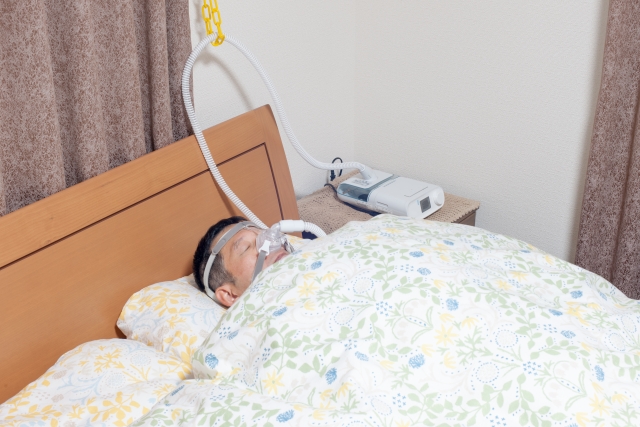
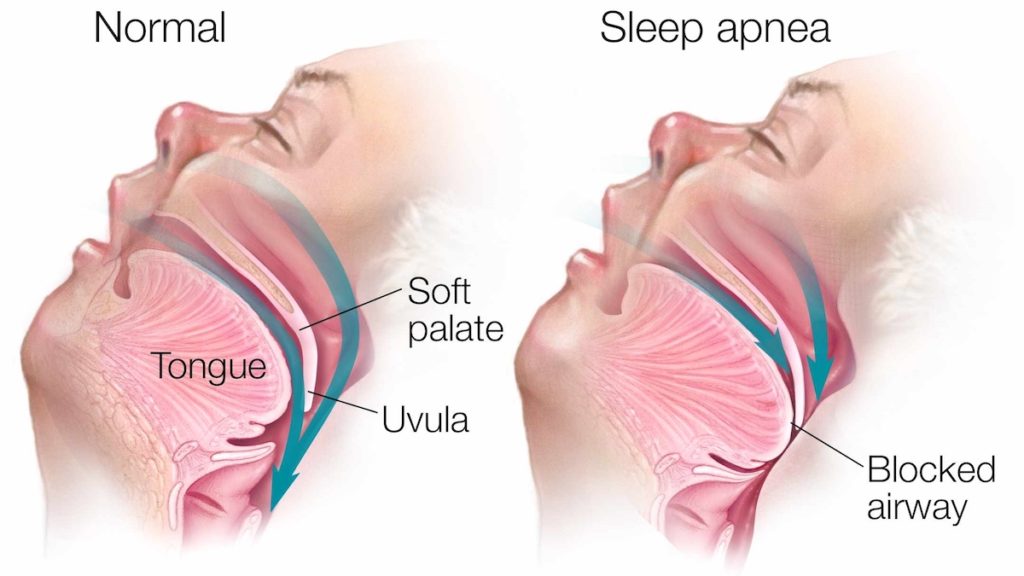
CPAP works by sending a constant flow of pressurized air through your nose or mouth, physically preventing your airway from collapsing. It’s highly effective while you’re using it, but it doesn’t remove the underlying cause of your apnea. As long as the actual cause — obesity, jaw shape, enlarged tonsils, age-related muscle loss — stays the same, your airway returns to its original state the moment you take the device off.
The idea that “CPAP is for life” comes from this symptomatic-treatment nature of the device. But the flip side is also true: if you can address the underlying cause and make the apnea itself less severe, CPAP may become unnecessary.
Who May Be Able to Stop CPAP
Discontinuing or “graduating” from CPAP may be worth considering when one of the following changes has occurred.
| Factor |
Details |
| Significant weight loss |
A weight reduction of roughly 10–15% has been reported to improve AHI, and effects tend to be especially likely when obesity was the primary cause |
| Correction of an anatomical factor |
When the primary cause — such as enlarged tonsils — can be improved through surgery or laser treatment |
| Removal of a temporary aggravating factor |
When a clear aggravating habit — such as drinking alcohol or sleeping on your back — has been identified and corrected |
| Originally mild-to-moderate severity |
The lower your original severity, the more likely the above improvements are to bring you below the diagnostic threshold |
At our own clinic, some moderate-severity patients have been able to finish CPAP treatment after combining snoring laser treatment with medically supervised weight loss and confirming the improvement objectively through testing. That said, this doesn’t apply to everyone — eligibility depends on your severity and underlying cause.
Who Should Continue CPAP (or Is Better Off Not Stopping)
On the other hand, continuing CPAP is generally the better call in the following situations.
① Your baseline severity is high (a high AHI to begin with)
② Skeletal factors are strongly involved — for example, a small or receded jaw
③ Weight loss is difficult, or your AHI hasn’t improved much even after losing weight
④ A central component is involved (a type related to the brain’s own breathing signals)
⑤ You have a condition, such as heart disease, that requires your apnea to be tightly managed
If any of these apply to you, forcing yourself to stop CPAP can allow apnea to flare back up, raising the risk of daytime sleepiness and cardiovascular strain all over again. Whether you can stop should never be a self-diagnosis — it’s essential to have a doctor evaluate it.
The Decision Must Always Be Based on Testing
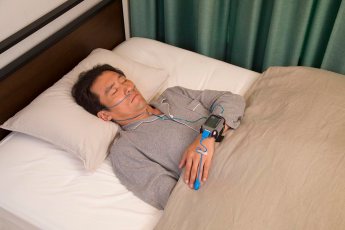
The single most important thing when considering stopping CPAP is not to confuse the subjective feeling that “symptoms seem better” with the objective fact that “the apnea itself has actually improved.” Even if your snoring sounds quieter or you feel less tired, that doesn’t necessarily mean your apnea-hypopnea index (AHI) has actually improved.
A decision to stop CPAP should always come after testing.
Even when weight loss or treatment appears to have changed the underlying cause, the safest approach is to confirm the objective improvement through a simplified test or PSG, and then taper off gradually under your doctor’s guidance. Even after a trial discontinuation, it’s worth monitoring daytime sleepiness and how you feel for a period afterward.
The difference between a simplified test and a PSG test is explained in more detail in the article below.
Beware of Ads Claiming You Can “Graduate” From CPAP With Laser Treatment Alone, Skipping Testing
In recent years, we’ve noticed some self-pay clinics offering laser treatment without any testing at all, and advertising that “this lets you graduate from CPAP.” Medically speaking, this carries a risk that shouldn’t be overlooked.
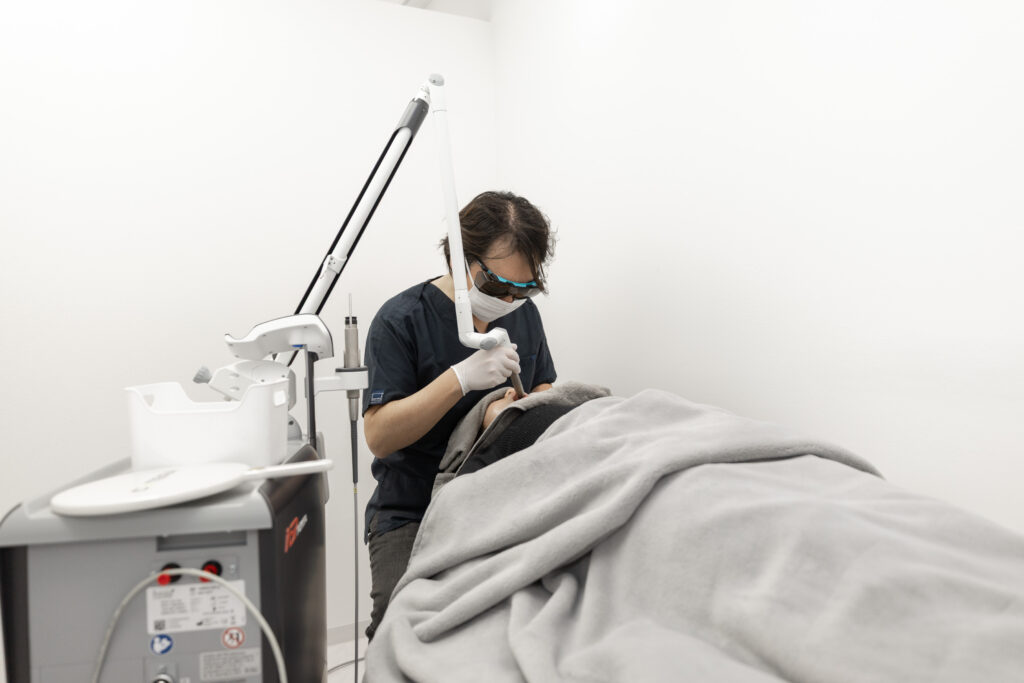
Laser treatment applies thermal stimulation to the throat’s mucosa and soft palate, and can be expected to reduce the sound of snoring. However, a quieter snore and an actual improvement in the apnea itself (your AHI) are not necessarily the same thing. Even in standard clinical guidelines for sleep apnea management, laser treatment isn’t positioned as a treatment for the apnea itself — its primary purpose is reducing the sound of snoring.
If you stop CPAP based on the assumption that “quieter equals cured,” without any testing, your apnea may continue without you realizing it, letting risks like high blood pressure and heart disease go unnoticed. At our clinic, even when we perform laser treatment, our policy is to always pair it with a severity assessment through testing beforehand and an objective follow-up test afterward.
What We Offer at Ueno Snoring Clinic
Ueno Snoring Clinic is a sleep medicine clinic specializing in snoring and sleep apnea syndrome. From starting CPAP through to considering whether it’s time to discontinue it, we provide consistent, testing-based evaluation at every stage. For moderate-severity patients, combining snoring laser treatment with medically supervised weight loss can, in some cases, make graduating from CPAP a realistic goal.
If you’re thinking, “I want to stop CPAP” or “I want to know whether I actually can,” please talk to us before stopping on your own.
In Summary: Whether You Can Stop CPAP Comes Down to Testing
CPAP is a symptomatic treatment for apnea, and for most people, continuing is the basic premise. That said, significant weight loss or correction of an anatomical cause can lessen the apnea itself, and once testing confirms an improvement in AHI, discontinuing or graduating from CPAP does become possible in some cases.
The standard for that decision is always an objective evaluation through testing. Be cautious of ads that promise you can “graduate” through laser treatment alone, without any testing, and avoid stopping CPAP based on your own judgment.
Want to Check Whether You Can Stop CPAP?
Rather than stopping on your own, let’s start by getting your current status objectively evaluated through testing.
Frequently Asked Questions
Q. Do I absolutely have to use CPAP for the rest of my life?
A. No. Depending on the cause, weight loss or treatment can lessen your apnea, and if testing confirms the improvement, discontinuing CPAP is possible in some cases. That said, this doesn’t apply to everyone.
Q. My snoring has gotten quieter — does that mean I no longer need CPAP?
A. Quieter snoring doesn’t necessarily mean your apnea itself has improved. Please don’t stop CPAP based on your own judgment — always confirm the change through testing first.
Q. Can laser treatment alone let me stop CPAP?
A. Laser treatment is primarily aimed at reducing the sound of snoring and isn’t positioned as a standalone treatment for the apnea itself. A severity assessment through testing beforehand, and a follow-up test afterward, are both necessary.
Q. What should I do if I try stopping CPAP and my condition worsens?
A. Resume using CPAP right away and consult your clinic. A trial discontinuation should always be carried out under a doctor’s guidance.
Q. How much weight would I need to lose to have a chance of stopping CPAP?
A. A reduction of roughly 10–15% of body weight has been reported to improve AHI in some cases, but individual variation is significant, and confirmation through testing is always necessary.
Please Start With an Initial Consultation
From continuing CPAP treatment to considering whether to stop, we support a wide range of needs based on testing. Fully appointment-based, with same-day appointments available.
*This article is a general explanation, written for a broad audience and based on the sources above together with our clinic’s own clinical experience. It is not a substitute for medical advice. Any decision to discontinue CPAP should be made together with your treating physician, based on objective testing; please do not stop treatment on your own judgment.