Ueno Snoring Clinic offers insurance-covered sleep testing and CPAP management, as well as self-pay laser treatment for snoring, tailored to your specific condition. If you’d like to find out which treatment fits you, please start with an initial consultation.
Details of the tests and treatments offered at Ueno Snoring Clinic can be found here
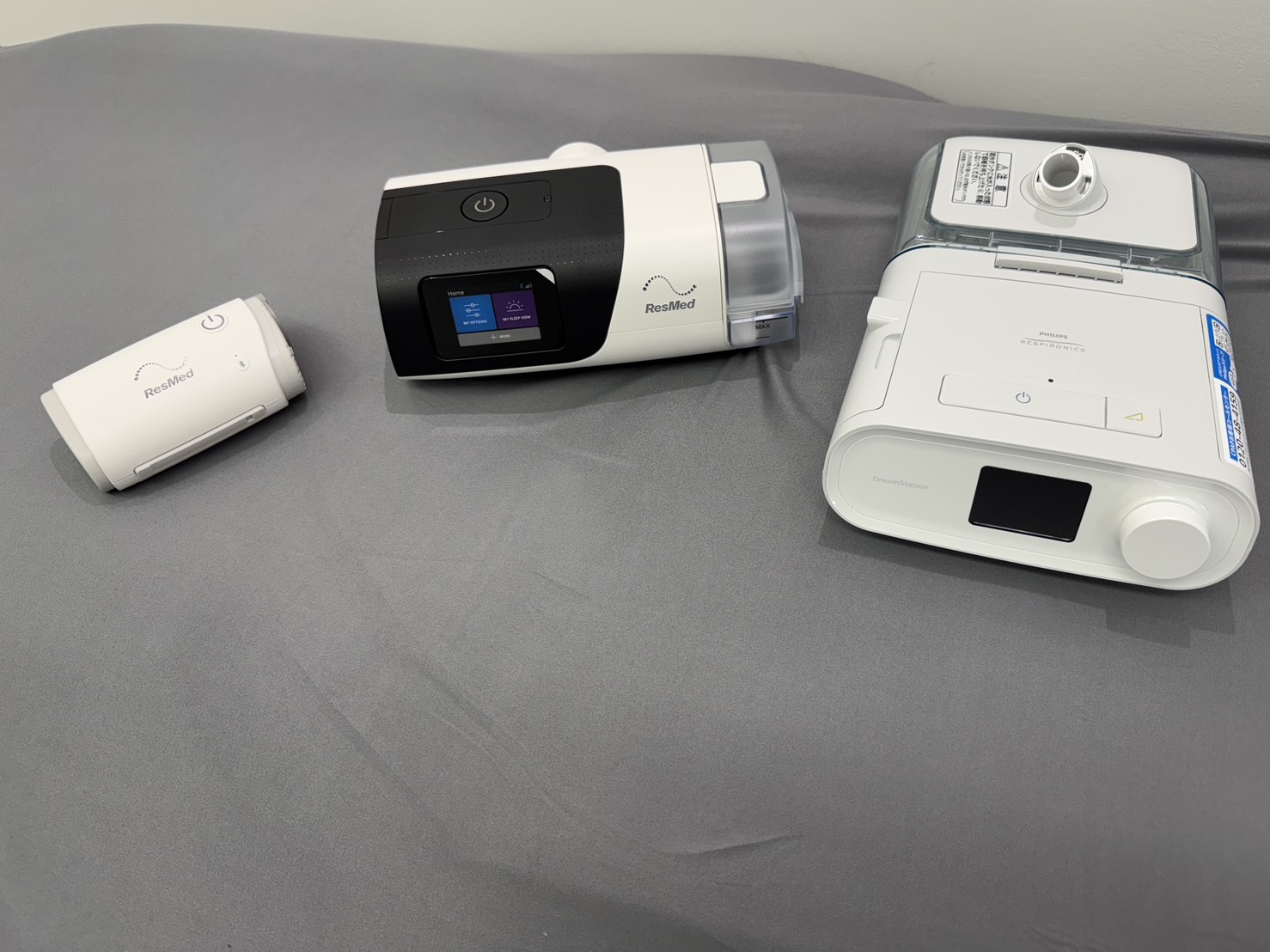
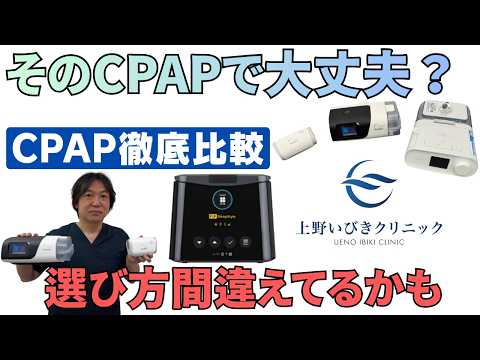
You’ll Want to Know This! A Complete Comparison of 5 CPAP Types — What Doctors Really Look For
Our doctor compares five different CPAP machines side by side and explains what actually matters when choosing one.
Watch the video
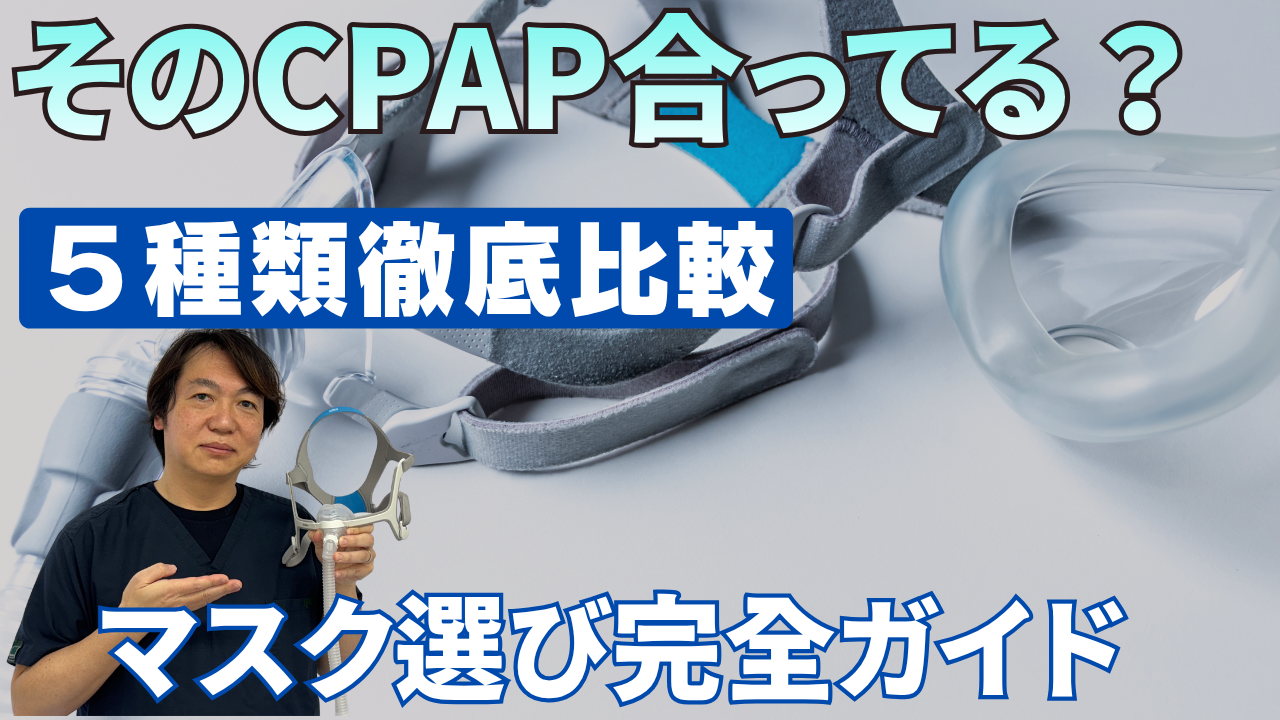
A Complete Comparison of CPAP Masks
We tried on and reviewed five different types of CPAP masks. 90% of CPAP comfort comes down to the mask.
Watch the video
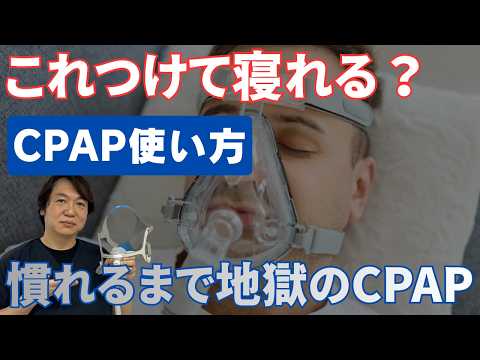
Do you have to use CPAP forever? A specialist explains how to use CPAP
A detailed explanation of how to use CPAP, with a real demonstration of what it feels like to wear the device.
Watch the video
Ueno Snoring Clinic was featured on Fuji TV’s “Live News It!” and on FNN Prime Online
Watch our clinic’s examination and explanation of sleep disorders, snoring, and sleep apnea.
Watch the video
Ueno Snoring Clinic was featured in an article on Nippon TV’s “news every.”
Please take a look as a starting point for thinking about getting evaluated for snoring, sleep apnea, or other sleep disorders.
Read the article
Finding Monthly CPAP Visits Difficult?
Ueno Snoring Clinic has introduced online consultations for patients currently on CPAP treatment. If visiting in person every month or every two months is difficult for you, please contact us to check whether you’re eligible.
📞 0120-899-930
Reviewed by Our Director
Kazuyuki Sugaya
Director, Ueno Snoring Clinic / Anesthesiologist
Our director, with over 20,000 general anesthesia cases, focuses primarily on the diagnosis and treatment of snoring and sleep apnea, offering care tailored to each patient. [Insurance-Covered] Ueno Snoring Clinic
This article was reviewed by our Director, Kazuyuki Sugaya, and explains accurate medical information about the testing and treatment of snoring and sleep apnea syndrome (SAS) in an accessible way.
🩺Comprehensive Snoring Treatment at Ueno Snoring Clinic
The causes of snoring range from the structure of the throat to excess body weight. Ueno Snoring Clinic doesn’t lean on any single treatment approach — we’re set up to offer each patient the plan that best fits them, from a wide range of evidence-based options.
Insurance-Covered: Thorough Testing and Ongoing Treatment
- Simplified and PSG testing: A precise analysis of your sleep
- CPAP treatment: The standard treatment for moderate-to-severe apnea
Self-Pay: Address the Root Cause, Short-Term Focus
- The latest snoring laser treatment: A non-surgical, root-cause treatment
- Medically supervised weight loss: Helping secure the airway by reducing excess weight
*As a clinic specializing in snoring treatment, we’re committed to helping resolve snoring that just won’t stop — through both insurance-covered and self-pay options.
Our Director’s book, “Curing Snoring with the Latest Treatments,” also covers CPAP treatment and its management in more detail.
New Book by Our Director
“Curing Snoring with the Latest Treatments”
A guide to the latest snoring treatments, written by an anesthesiologist who has overseen the sleep of more than 10,000 patients.
View on Amazon
Quick Answer
Buying a CPAP machine yourself is possible, and it can look cheaper over the long run — but treating sleep apnea isn’t just about owning the equipment. What matters is confirming, on an ongoing basis, that the pressure setting is genuinely controlling your apnea, and adjusting it as your condition changes. Modern CPAP devices can record usage hours, AHI, mask leak, and pressure changes, and having a clinic review this data makes it far easier to catch problems you might not notice on your own. Clinic-based, insurance-covered management also makes it easier to get help with pressure adjustments, mask fitting, nasal symptoms, and equipment issues. For this reason, we generally recommend continuing CPAP through insurance-covered clinic management — particularly for anyone just starting treatment, or anyone whose symptoms haven’t fully resolved.
📋 What This Article Covers
- The difference between buying a CPAP machine and insurance-covered clinic management
- The treatment data modern CPAP devices can track
- The benefits of having a clinic manage your treatment
- How to think about mask replacement and maintenance
- What to discuss with your doctor if CPAP feels difficult to continue
CPAP Isn’t a Machine You Just Buy and You’re Done
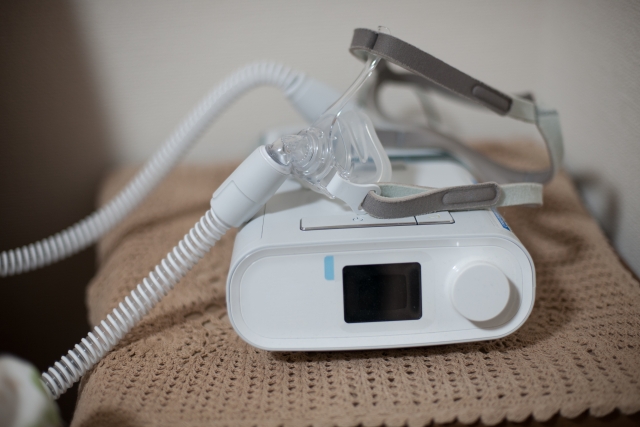
CPAP is a treatment that sends air through a mask worn over the nose or mouth during sleep to keep the airway from collapsing. It’s an established, insurance-covered treatment for sleep apnea, widely used to prevent apnea episodes by delivering pressurized air through the nose into the airway.
What matters here is that CPAP’s effectiveness isn’t determined by whether you own the machine — it’s determined by whether you’re using it correctly.
Even with the same CPAP device, treatment can fall short of its full benefit under conditions like these:
– Air is leaking from the mask
– The pressure setting isn’t quite right
– Nasal congestion is limiting airflow
– The mask keeps coming off during the night
– Usage time each night is too short
– Mouth breathing is reducing the treatment’s effectiveness
– Apnea has improved, but sleepiness or nighttime awakenings persist
In other words, with CPAP treatment, ongoing review and adjustment based on the data matters more than the machine itself.
If you buy a CPAP machine yourself, the device is yours to keep. But handling pressure settings, mask selection, leak troubleshooting, usage evaluation, and judging treatment effectiveness entirely on your own isn’t simple.
By contrast, when CPAP is continued as insurance-covered care through a clinic, your doctor can check on your progress at each visit and adjust pressure, mask type, nasal symptoms, and lifestyle factors as needed. Many recent devices automatically measure figures like AHI and inspiratory pressure and transmit them to a data center, giving your doctor concrete information to work from when assessing whether you’re using the device well and whether your symptoms are improving.
Buying vs. Insurance-Covered Clinic Management: What’s the Difference?
Broadly speaking, there are two paths for CPAP: buying the device yourself and using it independently, or using it through a clinic under insurance-covered care, which includes ongoing management.
| Item |
Self-Purchased CPAP |
Insurance-Covered Clinic Management |
| Ownership |
Owned by you |
Provided on loan through the clinic |
| Upfront cost |
Tends to be high |
Starts with your insurance co-pay |
| Pressure adjustment |
Tends to fall on you to judge |
Reviewed and adjusted by your doctor at visits |
| Treatment data |
Limited, depending on device and setup |
Usage hours, AHI, leak, and pressure are easier to track |
| Mask support |
You need to find one yourself |
Easy to raise concerns if a mask doesn’t fit |
| Maintenance |
Self-managed |
Easier to arrange through the clinic and equipment provider |
| Best suited for |
Those experienced with self-management and stable on treatment |
Those who want safe, ongoing support, or who still have symptoms or discomfort |
Buying a CPAP outright isn’t necessarily a bad choice — some patients consider it due to living abroad, extended business travel, or other specific circumstances.
That said, sleep apnea syndrome is a condition associated with high blood pressure, irregular heartbeat, cardiovascular disease, daytime sleepiness, and an increased risk of traffic accidents. Rather than managing treatment entirely on your own, it tends to be safer to continue it with regular check-ins from a clinic.
Finding Monthly CPAP Visits Difficult?
Ueno Snoring Clinic has introduced online consultations for patients currently on CPAP treatment. If visiting in person every month or every two months is difficult for you, please contact us to check whether you’re eligible.
📞 0120-899-930
Modern CPAP Shows More Than Just “Did You Use It” — It Shows How the Treatment Is Actually Going
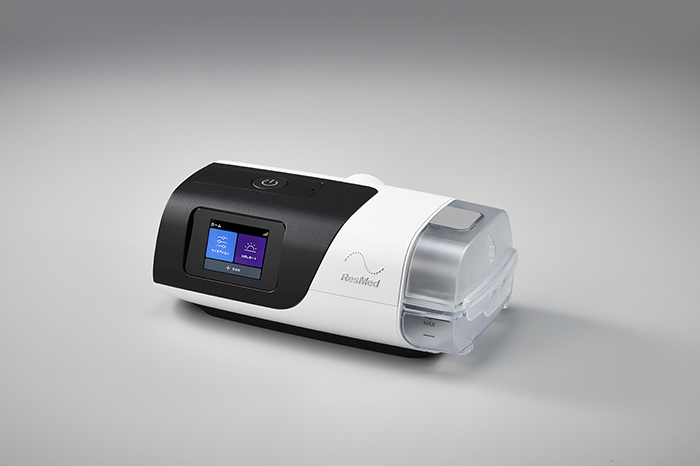
Older CPAP devices often did little more than record how many hours they’d been used. Newer devices, however, can reveal much more detail about how treatment is actually progressing.
Depending on the device and the service plan, a clinic may be able to review information such as:
Data CPAP Devices Can Track
– Hours of use per night
– Number of nights the device was used
– The apnea-hypopnea index (AHI) during treatment
– Air leaking from the mask
– Changes in the pressure needed
– Whether the mask was removed partway through the night
– Device errors or usage irregularities
On a CPAP report, figures like AHI, usage time, and mask leak are key things to check. Using this data makes it much easier to judge whether treatment is going well, whether the mask fits properly, and whether the pressure setting is appropriate.
This is a meaningful difference from managing a self-purchased device on your own.
For example, a patient may believe they’re “using it every night,” but the data might reveal that actual usage time was shorter than expected, that the mask came off partway through the night, or that leak was high enough to prevent proper pressure delivery.
Conversely, a patient who feels CPAP is “uncomfortable and just not working” might find, from the data, that their apnea is actually well controlled, and that the real issue is nasal congestion or the shape of the mask.
This is why, with CPAP treatment, it’s important to look at both how it feels and what the data shows.
The Biggest Benefit of Insurance-Covered CPAP: Precise Adjustment
CPAP isn’t comfortable to use if the pressure is set too high or too low.
Pressure that’s too low may leave apnea inadequately controlled. Pressure that’s too high, on the other hand, can lead to air leaks, a dry mouth, bloating, waking up during the night, or an urge to remove the mask.
Because of this, ongoing adjustments like these matter for CPAP treatment:
– Reviewing the pressure setting
– Checking the pressure range on an auto-adjusting CPAP
– Changing the type of mask
– Addressing nasal congestion
– Adjusting humidification settings
– Managing mouth breathing
– Reviewing sleep duration and sleeping position
– Evaluating causes of residual sleepiness
If you’re using CPAP through insurance-covered care at a clinic, these kinds of issues can be raised and addressed during your regular visits.
CPAP is a standard, widely used treatment for moderate-to-severe obstructive sleep apnea. At the same time, getting the full benefit from it depends on continued, consistent use — good adherence — and that often requires support when difficulties come up.
Simply “buying the machine and using it” tends to leave this kind of adherence support out of the picture.
Insurance-Covered Care Also Makes It Easier to Get Help With Mask Changes
Whether you can stick with CPAP long-term often comes down to how well the mask fits.
Nasal masks, nasal pillow masks, and full-face masks are just some of the mask types available for CPAP, and the right choice depends on your facial structure, nasal congestion, how much you breathe through your mouth, how much you move during sleep, and skin sensitivity.
Common concerns include:
– Marks left on the nose
– Air blowing into the eyes
– The mask shifting out of place
– Air leaking from the mouth
– Nasal pain
– The mask coming off when you move in your sleep
– A feeling of pressure that’s hard to tolerate
– The hassle of bringing it while traveling
Many of these issues can improve simply by changing the type or size of mask.
When CPAP is managed through a clinic, it’s easier to raise concerns about a mask that isn’t working and, working with the equipment provider, arrange for a replacement or adjustment. Exactly how masks and supplies are handled varies by clinic, service plan, and equipment provider, but in many cases, replacement and adjustment can be discussed within your existing insurance-covered care — which offers real peace of mind.
With a self-purchased CPAP, you may need to research and buy replacement masks yourself. If a mask doesn’t fit, the cost and hassle of researching sizes, checking compatibility, and buying a new one falls entirely on you.
Easier Support for Maintenance and Equipment Trouble
CPAP is a medical device used every single night. Over time, components like the tubing, mask, filter, humidifier, and water tank all need upkeep.
Occasionally, the device itself may develop a problem — no airflow, unusual noise, humidifier trouble, or an error display, among other issues.
With a self-purchased device, you may need to handle these problems on your own, and depending on the manufacturer’s warranty and how the device was purchased, repairs or replacement can sometimes take time.
With CPAP managed through a clinic, on the other hand, the clinic can often coordinate directly with the equipment provider, making it easier to get help when something breaks or isn’t working right.
CPAP is, in a sense, a device you rely on like a lifeline while you sleep. Because it’s something you use every night, having reliable support in place for equipment trouble matters.
Still Sleepy Even Though Your AHI Has Improved? That’s Worth Discussing With Your Clinic Too
Sometimes the CPAP data shows real improvement in apnea, yet the patient still feels tired or sleepy.
This doesn’t necessarily mean CPAP isn’t working. It may mean that apnea itself is under control, but some other factor is still at play. Possibilities include:
– Not enough total sleep time
– Frequent awakenings during the night
– Shallow sleep due to nasal congestion
– Sleep fragmented by mask leak
– Ongoing mouth breathing
– Effects of medication or daily rhythm
– Another, hidden sleep disorder
– Airway narrowing that hasn’t fully resolved
In cases like this, looking only at the CPAP machine itself won’t solve the problem. What’s needed is a broader evaluation — not just of the sleep apnea, but of the nose, throat, tongue position, mouth breathing, and overall sleep quality.
We also see patients who are continuing CPAP but come to us saying things like “I’m still sleepy,” “something feels off,” “my nose is uncomfortable,” “traveling with it is hard,” or “I’d like to know about other treatment options.”
This isn’t a case against CPAP — it’s a highly effective treatment. But for some patients, concerns can remain even with CPAP alone.
In those cases, it helps to work through the possibilities step by step: adjusting the settings, changing the mask, addressing nasal symptoms, reviewing lifestyle habits, and, where appropriate, considering other treatments alongside CPAP.
Who Might Consider Buying, and Who’s Better Suited to Clinic Management
Buying a CPAP outright may be worth considering for patients who:
– Have already been using CPAP stably for a long period
– Understand pressure settings and data management
– Have specific circumstances, such as living abroad or extended travel
– Are considering a purchase in consultation with their doctor
– Can manage equipment issues and mask selection independently
On the other hand, insurance-covered clinic management tends to suit patients who:
– Are just starting CPAP treatment
– Are unsure whether their pressure setting is right
– Have a mask that doesn’t fit well
– Have nasal congestion or breathe through their mouth
– Still feel sleepy despite treatment
– Tend to remove the mask during the night
– Want to review their data regularly and continue safely
– Want support that also covers equipment and mask maintenance
For most patients, CPAP isn’t a short-term appliance — it’s a medical device you’ll likely be using for a long time. That’s why it’s worth thinking about buying versus clinic management in terms of whether the treatment’s benefit can be sustained, not cost alone.
Continuing CPAP Through Insurance Requires Regular Visits
When CPAP is continued as insurance-covered care, regular visits are generally required. This is a standard part of home-based CPAP therapy under Japan’s insurance system, which typically calls for a visit about once a month.
Some patients may find this monthly visit inconvenient.
But a monthly check-in isn’t just a formality for continuing to borrow the device — it’s also an opportunity to review your treatment data and check that everything is still on track.
For example, a patient who was using CPAP well a few months ago might find that changes in body weight, seasonal allergies, alcohol intake, sleeping position, or daily rhythm have since affected how comfortable or effective the treatment feels.
Being able to catch these kinds of changes at a monthly visit is one of the real benefits of continuing CPAP through insurance-covered care.
Finding Monthly CPAP Visits Difficult?
Ueno Snoring Clinic has introduced online consultations for patients currently on CPAP treatment. If visiting in person every month or every two months is difficult for you, please contact us to check whether you’re eligible.
📞 0120-899-930
Please Don’t Stop CPAP on Your Own Just Because It’s Uncomfortable
Quite a few patients find CPAP difficult to get used to.
“My nose feels stuffy.” “The mask bothers me.” “Air keeps leaking.” “It’s a hassle to travel with.” “I can’t move around comfortably in my sleep.” “Visiting every month is a burden.”
Some patients, for reasons like these, stop CPAP on their own.
But for moderate-to-severe sleep apnea, stopping treatment can allow low nighttime oxygen levels and fragmented sleep to return. Given the potential effects on daytime sleepiness, concentration, blood pressure, and cardiovascular risk, we wouldn’t recommend discontinuing treatment on your own judgment.
What matters is breaking down exactly why CPAP feels difficult.
Is it your nose? Does the mask not fit? Is the pressure too strong? Is sleepiness still lingering? Is it travel or business trips that are the real problem? The right response depends on the answer.
In some cases, changing the mask, adjusting humidification, or treating nasal symptoms alone can make CPAP much easier to continue. In others, it may be worth considering a treatment option other than CPAP.
If You’d Like to Know About Options Besides CPAP
CPAP is one of the standard treatments for sleep apnea syndrome, but it isn’t necessarily the only option for everyone.
The right option depends on severity, where the airway narrowing occurs, the condition of your nose and throat, body type, lifestyle, work, how often you travel, and your own treatment preferences.
Depending on the situation, other options may include an oral appliance, lifestyle changes, treatment for nasal symptoms, laser treatment, surgical treatment, or a combination with CPAP.
At our clinic, we’re not here to argue against CPAP — we aim to help patients for whom CPAP is working continue it comfortably, while also discussing other options with patients who find CPAP difficult.
Related
Why isn’t CPAP always covered by insurance, even for severe snoring?
We’re currently translating our Japanese-language article on CPAP eligibility criteria and how insurance coverage compares with self-pay treatment. Please contact the clinic directly if you’d like to know more in the meantime.
In Summary: What Matters Is Managing CPAP Correctly, Not Just Whether You Buy It
When deciding whether to buy a CPAP machine or continue using one through insurance-covered management, it’s easy to focus on cost alone.
But CPAP is a medical device you’ll be using every night. What matters isn’t simply owning the machine — it’s continuing to confirm that your apnea is genuinely under control, that your sleepiness is improving, that your mask fits, and that your pressure setting is appropriate.
Modern CPAP devices make it easier for a clinic to track data such as usage time, apnea status, mask leak, and pressure changes — helping surface problems that might otherwise go unnoticed.
Being able to easily ask for help with mask changes, maintenance, and equipment troubles is also a significant benefit of managing CPAP through insurance-covered care.
If you’re using CPAP but still feel sleepy, your mask doesn’t fit, your nose is uncomfortable, travel or business trips are a struggle, or you’d like to know about other treatment options, please talk with us before stopping treatment on your own.
Still Sleepy, or Not Sure CPAP Is the Right Fit? Let’s Talk About Your Options
At Ueno Snoring Clinic, we’re happy to discuss sleep apnea testing, CPAP management, snoring treatment, and options beyond CPAP. Based on your current CPAP data and concerns, we’ll help you find a way to continue treatment that actually works for you.
Book Online Ask Us on LINE
Frequently Asked Questions
Q. Is it cheaper to buy a CPAP machine myself?
A. Over a long enough period, buying can sometimes look cheaper. But once you factor in pressure adjustments, data review, mask replacement, and maintenance and repair support, the benefits of clinic-based management are substantial. It’s worth deciding based on whether the treatment’s effectiveness can be sustained, not cost alone.
Q. Can I get my mask replaced through insurance-covered CPAP care?
A. This varies by clinic, equipment provider, and your specific situation, but if a mask isn’t fitting well, you can raise it at your appointment, and adjustment or replacement can often be arranged within your existing insurance-covered care. We’d recommend talking to your doctor before buying a replacement mask on your own.
Q. Why am I still sleepy even though I’m using CPAP?
A. Even with improved apnea, sleepiness can persist due to insufficient sleep time, mask leak, nasal congestion, mouth breathing, nighttime awakenings, medication, daily rhythm, or another sleep disorder. It’s important to review both your CPAP data and your symptoms together.
Q. Is it okay to stop CPAP if it feels too uncomfortable?
A. We wouldn’t recommend stopping on your own judgment. For moderate-to-severe sleep apnea, discontinuing treatment can allow apnea and low oxygen levels to return. Please talk to your clinic first about adjusting the mask or pressure, addressing nasal symptoms, or exploring other treatment options.
*This article is a general explanation, written for a broad audience and based on the sources above together with our clinic’s own clinical experience. Actual CPAP management, mask replacement, equipment support, and insurance-related handling can vary by clinic, equipment provider, and individual patient circumstances.