






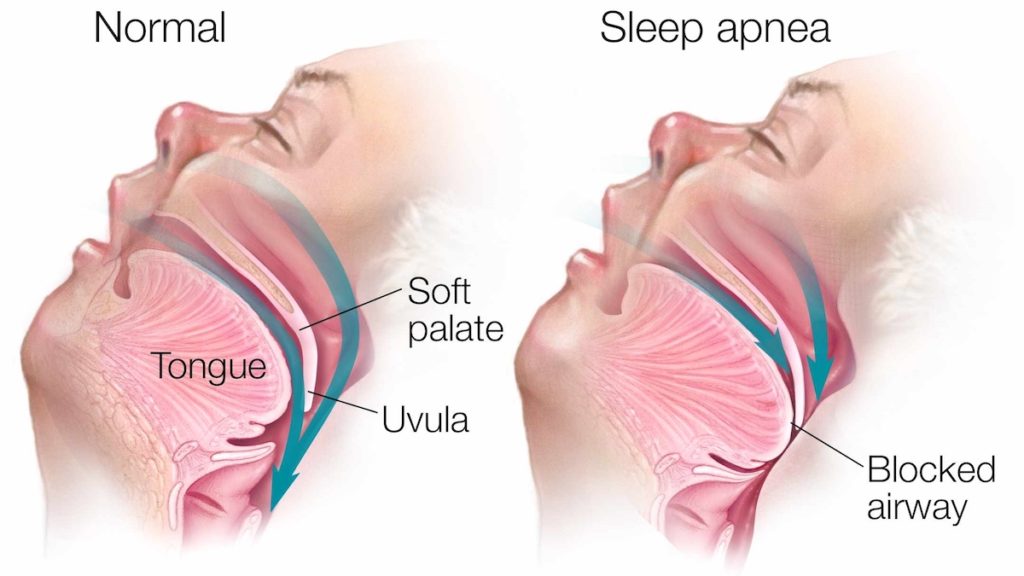
The Soft Palate and Snoring: Where the Sound Comes From and Why It Loosens
Our snoring and sleep apnea specialists share a wide range of information to help you better understand snoring.
Our snoring and sleep apnea specialists share a wide range of information to help you better understand snoring.
Kazuyuki Sugaya
Director, Ueno Snoring Clinic / Anesthesiologist
Our director, with over 20,000 general anesthesia cases, focuses primarily on the diagnosis and treatment of snoring and sleep apnea, offering care tailored to each patient. [Insurance-Covered] Ueno Snoring Clinic
This article was reviewed by our Director, Kazuyuki Sugaya, and explains accurate medical information about the testing and treatment of snoring and sleep apnea syndrome (SAS) in an accessible way.
The causes of snoring range from the structure of the throat to excess body weight. Ueno Snoring Clinic doesn’t lean on any single treatment approach — we’re set up to offer each patient the plan that best fits them, from a wide range of evidence-based options.
Insurance-Covered: Thorough Testing and Ongoing Treatment
Self-Pay: Address the Root Cause, Short-Term Focus
*As a clinic specializing in snoring treatment, we’re committed to helping resolve snoring that just won’t stop — through both insurance-covered and self-pay options.
Our Director has also written a book that covers this topic — and much more — in greater depth:
Quick Answer
Snoring isn’t just a noise to laugh off — roughly 30–50% of people who snore are also estimated to have sleep apnea syndrome (SAS), a condition in which breathing repeatedly stops or weakens during sleep. Left unaddressed, SAS is linked to real risks including high blood pressure, heart disease, stroke, and cognitive decline, and it can affect far more than just the person snoring — daytime sleepiness can impact work performance, and loud, chronic snoring can seriously strain a partner’s sleep and a household’s relationships. The good news is that both insurance-covered testing and CPAP treatment, and self-pay options like laser treatment and medically supervised weight loss, are available — so if snoring has become a persistent, nightly pattern rather than an occasional one, it’s worth having it properly evaluated.
📋 What This Article Covers
When people hear the word “snoring,” most tend to think of it as something everyone experiences from time to time — just a noisy sound during sleep. It’s even common to see snoring used as a comic sound effect in manga and other media.
It’s true that snoring occasionally, on an especially tiring night or after drinking alcohol, isn’t unusual. But when loud, persistent snoring continues night after night, it may well be a sign of a more serious underlying condition.
In fact, roughly 30–50% of people who snore are estimated to also have “sleep apnea syndrome” (SAS). With SAS, breathing repeatedly stops entirely during sleep (apnea) or becomes shallow and irregular (hypopnea).
Each time this happens, the body drops into a state of low oxygen, and the brain repeatedly triggers brief awakenings to restart breathing. As a result, even though it may feel like a full night’s sleep, the body can actually go through dozens, sometimes hundreds, of these micro-awakenings, and sleep quality suffers significantly. The heavy grogginess the next morning, the hard-to-bear daytime sleepiness, and the loss of concentration aren’t simply signs of not sleeping enough — they can be the body’s way of signaling chronic low oxygen and fragmented sleep.
Exactly where in the airway snoring originates is a topic we cover in more detail elsewhere on our Japanese site; that article is still being translated into English, so please feel free to contact the clinic directly if you’d like to know more in the meantime. It’s also worth knowing that a standard, insurance-covered simplified sleep test can sometimes come back “normal” even when sleep apnea is genuinely present. We explain why this kind of false negative can happen, and when a full PSG (polysomnography) test may be needed, in our article on simplified sleep testing versus PSG testing.
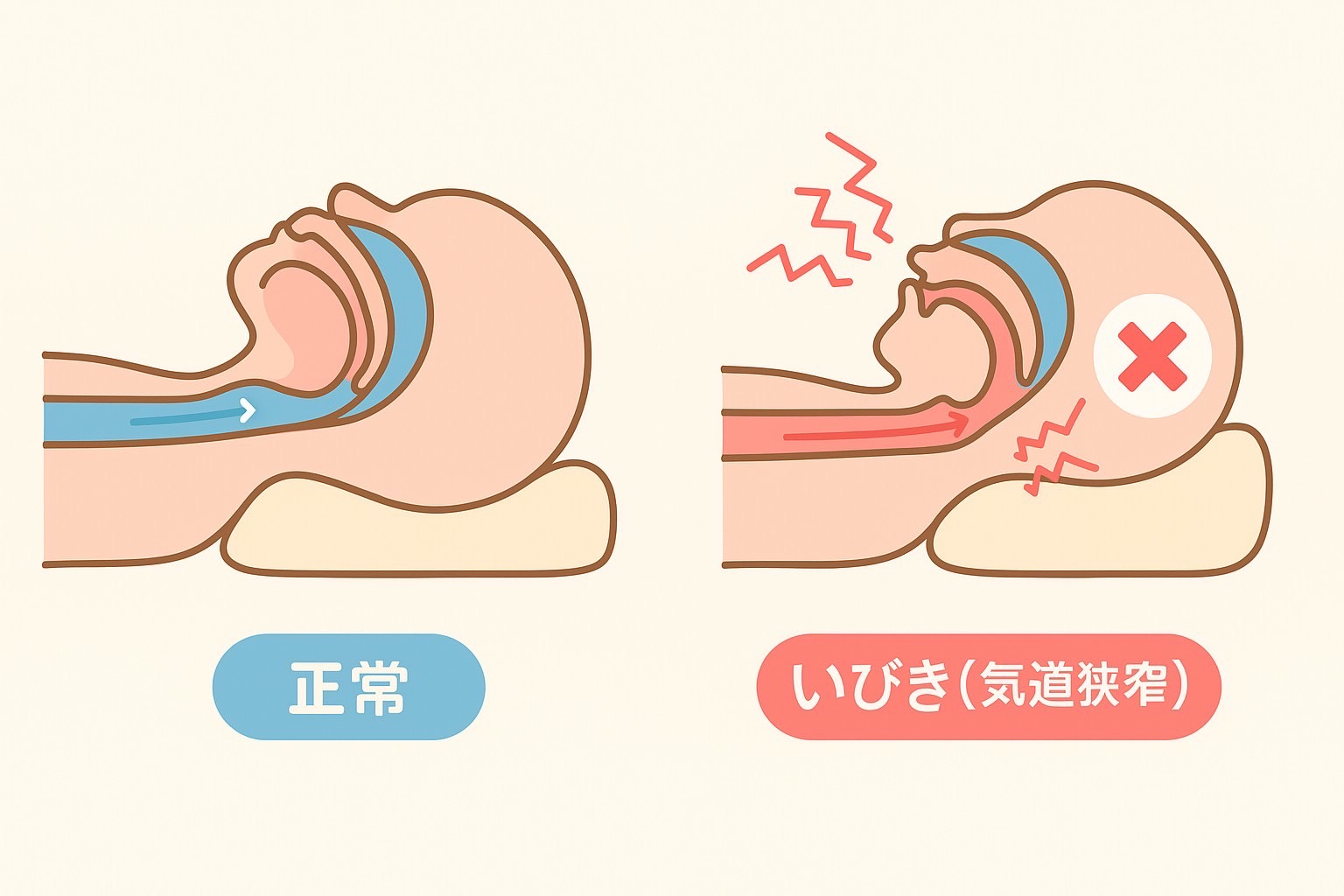
Snoring and sleep apnea syndrome (SAS) are closely, inseparably linked. SAS is diagnosed when breathing stops for 10 seconds or more (apnea) five or more times per hour during sleep. It’s now recognized as a significant sleep-related breathing disorder with effects on the cardiovascular, metabolic, and neuropsychiatric systems — though as a defined medical condition, it’s a relatively recent one, only established in the latter half of the 20th century.
Around 40% of Japanese adults are estimated to snore habitually, and a portion of that group goes on to develop medically significant sleep apnea syndrome. Whether snoring stays a simple everyday annoyance or turns out to be an early warning sign of something that can affect long-term health outcomes often comes down to whether it’s addressed or left alone.
Health Risks From Apnea: Even Mild Cases Matter
Even a “mild” case still means the brain and heart are being repeatedly exposed to low oxygen. This risk shouldn’t be dismissed, particularly from your 40s onward, when it can more easily coexist with lifestyle-related conditions such as arteriosclerosis, high blood pressure, and diabetes. Reduced sleep quality is also associated with ongoing sympathetic nervous system activation — for example, blood pressure that doesn’t dip at night, or an unstable nighttime heart rate. It’s also been reported that mild cases that go unaddressed can progress to moderate or severe SAS within a few years.
Untreated apnea has been linked to several distinct pathways of cardiovascular risk — including a higher likelihood of atrial fibrillation and other heart rhythm disturbances, and an association with stroke risk from repeated nighttime drops in oxygen. On the psychological side, some research points to a substantially elevated risk of depression among people with untreated SAS. And for anyone who regularly wakes up with a headache, that too can sometimes be a sign worth discussing with a doctor, since morning headaches have been associated with sleep apnea in some patients. We’re in the process of translating our more detailed Japanese-language articles on each of these topics into English — in the meantime, please don’t hesitate to contact the clinic with any questions.
The effects of snoring and apnea aren’t limited to the person’s own body. Daytime sleepiness and reduced concentration have been linked to lower work performance and, over time, career impact. Loud snoring can also lower the sleep quality of a partner sharing the same bedroom, which can quietly strain a marriage or family relationship — a topic we look at more closely in the next section, “Snoring Isn’t Just a Personal Issue.”
My own snoring, which is quite high-pitched, caused real difficulty for my family for years.
Snoring can, in serious cases, contribute to real breakdowns within a household. In recent years in Japan, there was even a deeply disturbing case in which a nephew was reported to have put a toxic substance into a family member’s miso soup, reportedly because he could no longer bear being unable to sleep due to their snoring.
It was thinking about cases like this — that family relationships and households can unravel if snoring isn’t addressed — that led me to start sharing this kind of information.
I’ve personally tried a number of different snoring treatments over the years. Some weren’t addressing the root cause, and others were invasive, meaning they came with pain or recovery downtime — each with its own tradeoffs. In just the past several years, though, advances in the underlying technology have brought snoring treatment to a point where most of these drawbacks can largely be avoided. For anyone wondering how long the effects of laser treatment tend to last, we cover that in more detail in one of our Japanese-language articles, which we’re currently working on translating into English.
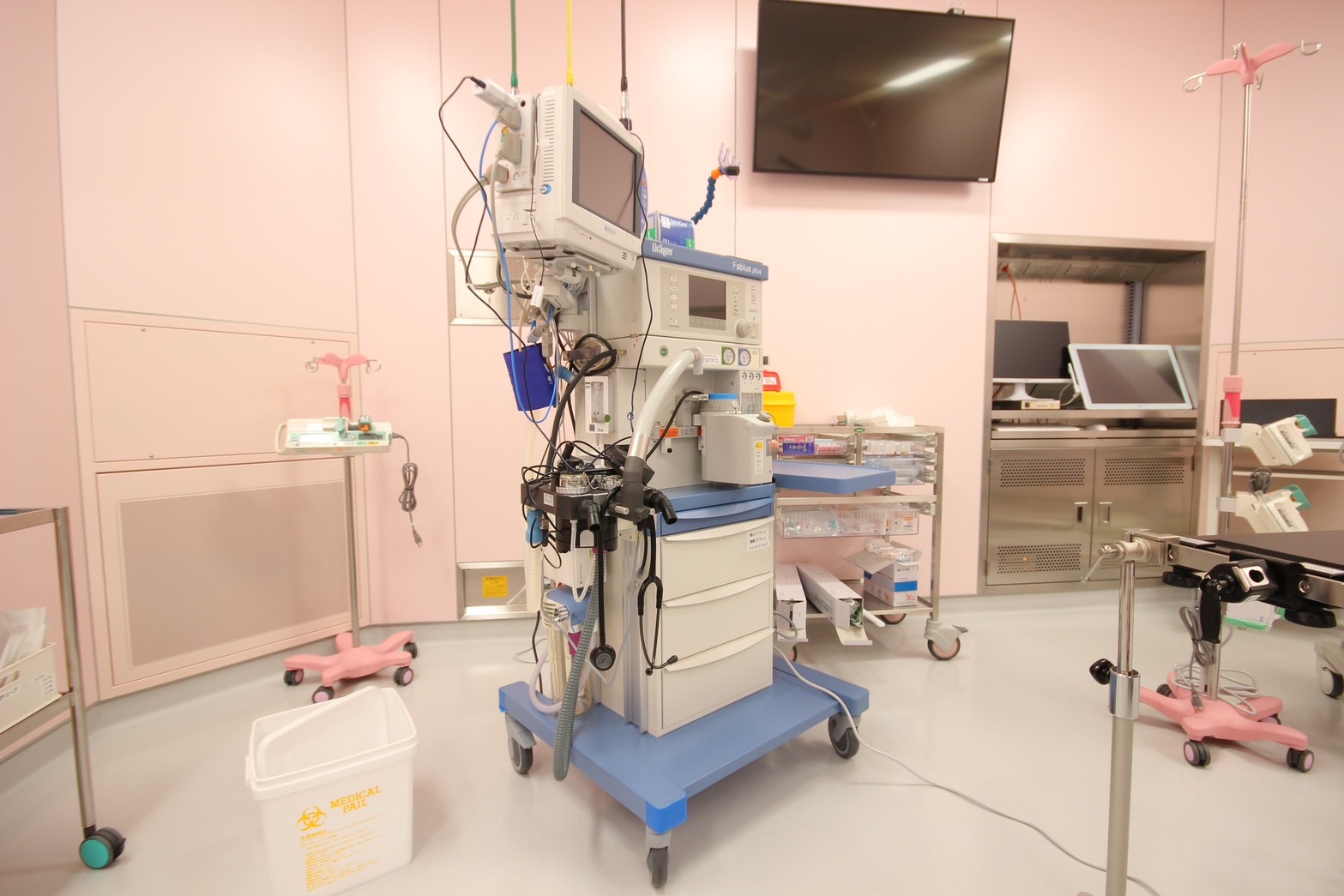
I’ve worked as an anesthesiologist for more than 20 years, managing anesthesia for roughly 500 to 600 surgeries a year. In the operating room, I’m positioned at the patient’s head — closest to the airway — closely monitoring their overall condition throughout. Even the smallest change in oxygen saturation after anesthesia induction, the movement of the chest, or an interruption in airflow — missing none of these is part of the job. Detecting abnormalities in “sleep” and “breathing” and responding immediately is, in many ways, the core of what an anesthesiologist does.
In particular, with the recent rise of minimally invasive procedures done under intravenous sedation — where the patient isn’t intubated and instead breathes on their own while sedated — I closely monitor a more natural sleep-like state during surgery, and it’s in these cases that I very often observe snoring. Watching the respiratory waveform and blood oxygen saturation on the monitor, I’ve repeatedly observed the moment snoring begins and the moment oxygen levels start to drop — and I’ve come to feel that this happens more often than most people would expect.
For patients already using CPAP who need a sedation-based procedure, such as an upper endoscopy or colonoscopy, there are some specific precautions worth knowing about — we go over these from an anesthesiologist’s perspective in one of our Japanese-language articles, which is currently being translated into English.
It was that experience and knowledge, along with a wish to share accurate information with people struggling with snoring, that led me to start this site. Going forward, I plan to keep sharing information — from the underlying mechanisms of snoring and conventional treatments, to the newer treatments now emerging internationally.
Ueno Snoring Clinic continually publishes information on snoring and sleep apnea syndrome. Browse the topics below for more detail on subjects that interest you.
Topics with a link below are already available in English. The rest are currently only published on our Japanese site — we’re working through translating them, so please feel free to contact the clinic directly if you’d like to know more about any of them in the meantime.
More About CPAP Treatment
Sleep Apnea’s Effects on the Whole Body
How Snoring Affects Daily Life and Relationships
Do Anti-Snoring Gadgets Actually Work?
Laser Treatment, Testing, and Choosing a Clinic
Recent News and Topics
Snoring and Everyday Habits
Start With an Initial Consultation
From testing to choosing the right treatment, we draw on our director’s experience as an anesthesiologist to support a wide range of cases. Fully appointment-based, with same-day appointments available.


English Support Available
We provide medical services for international patients. Please check our English website for details on how to visit our clinic.
Supervising Physician

Kazuyuki Sugaya, Director of Ueno Snoring Clinic
After graduating from Fujita Health University School of Medicine in 2004, Dr. Sugaya began his career as an anesthesiologist at Toho University Omori Medical Center. He has since gained extensive clinical experience at municipal hospitals and private clinics nationwide, administering general anesthesia in over 20,000 cases. In 2020, he founded the "Tokyo Spine Clinic," and has served as the Director of Ueno Snoring Clinic since 2025.
Related Columns
By Appointment Only
Specialized Snoring Treatment in Ueno
Ueno Snoring Clinic
Insurance-covered home testing available.
Following a physician’s consultation and result explanation,
we support the improvement of snoring and sleep apnea with "Dual Deep Thermia"—a non-surgical laser treatment, if necessary.
3-min walk from Ueno Station. Please feel free to consult us.







Snoring Isn’t Just a Personal Issue
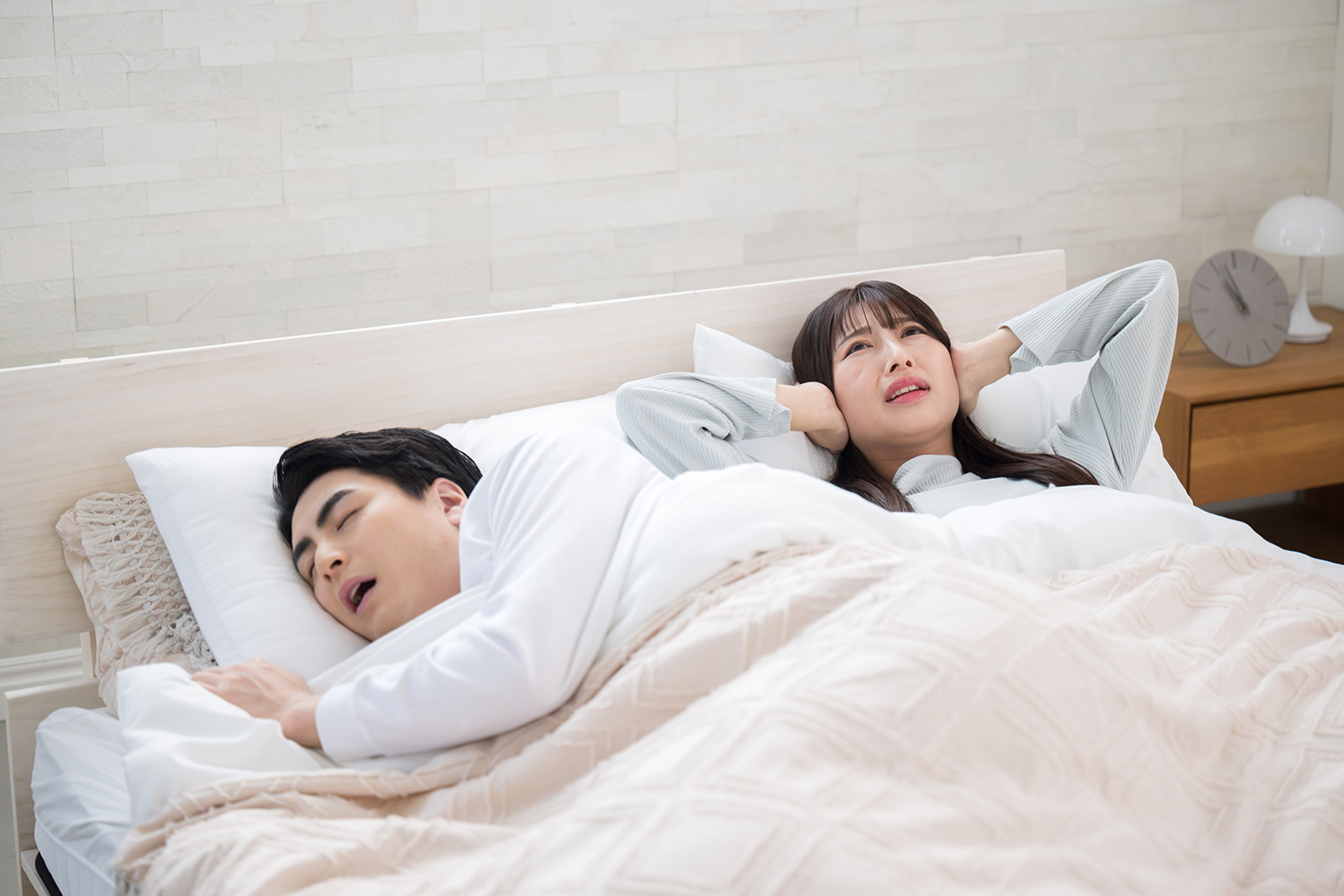
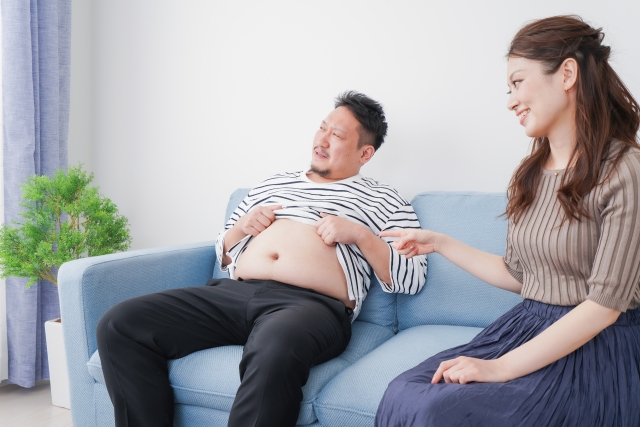
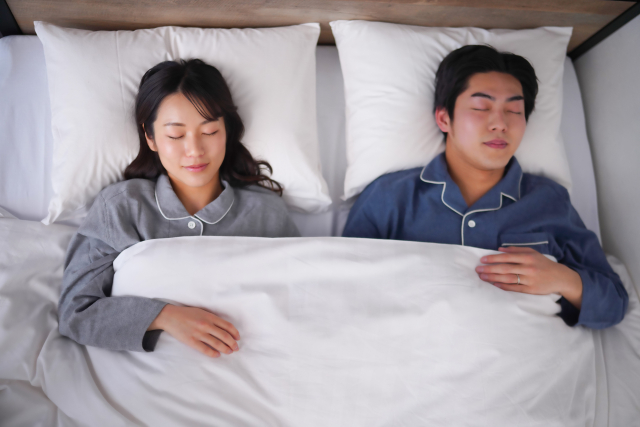
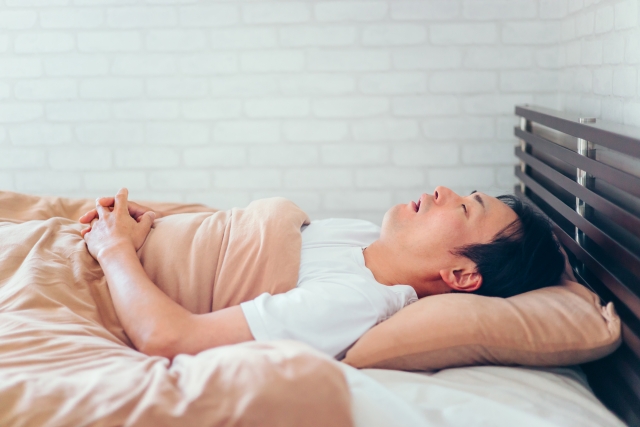
Snoring is often treated as “someone’s own problem” — a personal habit or quirk. In reality, though, it frequently has a serious effect on the people around the person snoring. For couples and families who share a bedroom, snoring can significantly lower quality of life. It’s not unusual for a partner to lose sleep or wake repeatedly night after night because of it, and over time this can lead to sleeping in separate rooms and less and less conversation — a pattern that can start to resemble a kind of “domestic separation caused by snoring.”
This goes beyond a simple sleep problem — it can also erode trust and closeness between partners. A gap in perception often emerges: one partner feels “I’m sleeping fine, so it’s not a problem,” while the other is “suffering through sleepless nights,” and this mismatch can turn into real emotional conflict. Having your sleep disrupted by sound night after night is a stress that hits close to home emotionally, and it can affect daily life as a whole. In that sense, it can function almost like a kind of “silent aggression.”
In fact, some overseas surveys have listed snoring among the top reasons cited in divorce, and there’s also research suggesting a link between untreated snoring and reduced income or career opportunities due to daytime impairment. If you recognize your symptoms but feel they’re “not serious enough to see a doctor about,” that hesitation itself is a common pattern we also address in more detail on our Japanese site. English translations of these articles are still in progress — please feel free to reach out to the clinic directly if you’d like to discuss any of this sooner.