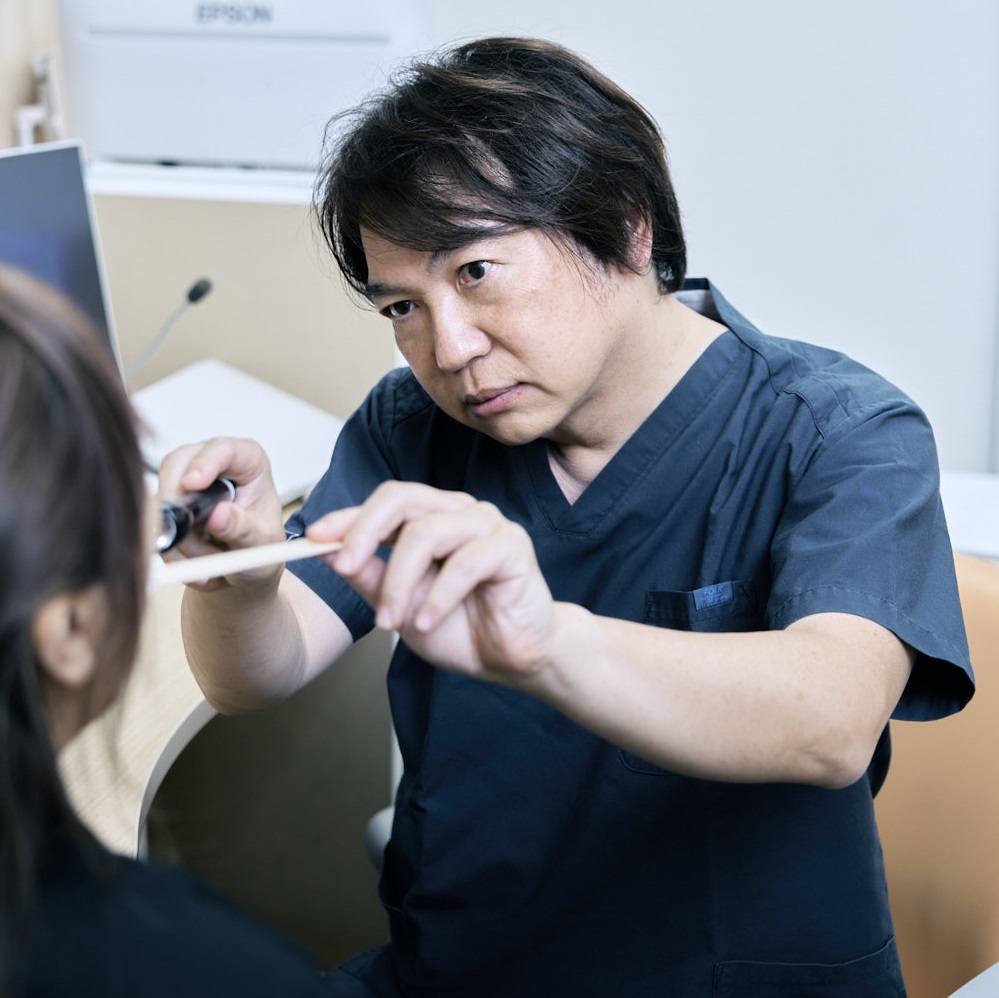
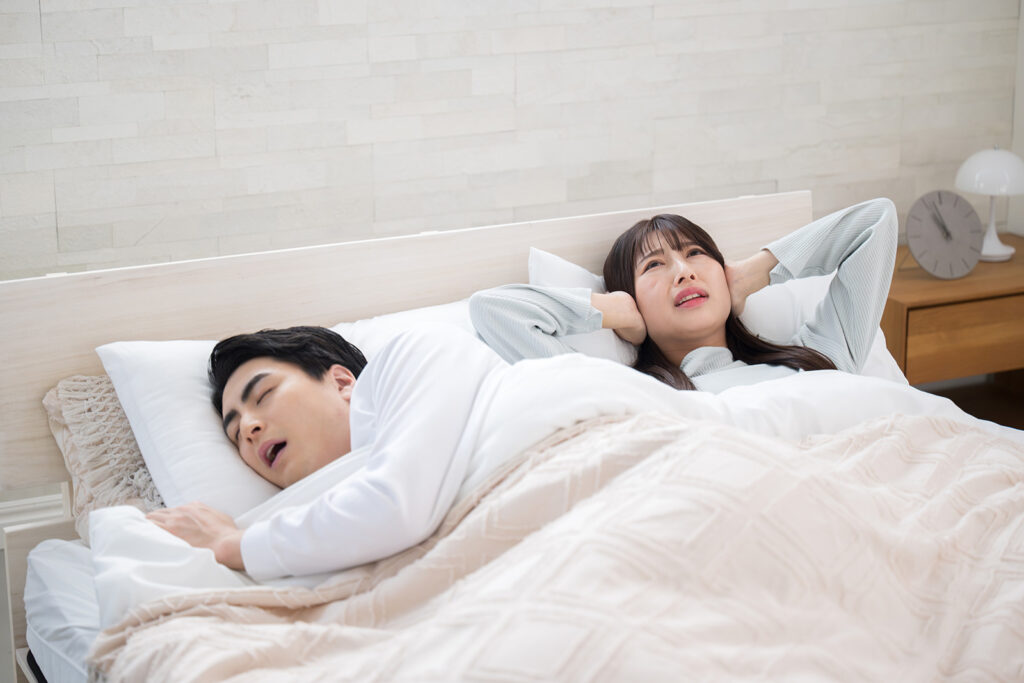
Ueno Snoring Clinic checks whether sleep apnea lies behind severe daytime sleepiness or snoring, using an at-home simplified test and insurance-covered PSG, also done at home, with no hospital stay. We also provide insurance-covered CPAP treatment.
Details of the tests and treatments offered at Ueno Snoring Clinic can be found here
Important: Snoring and Sleep Apnea Treatment Requires a Sleep Test
Some clinics that offer only self-pay care, and some cosmetic clinics, may not perform sleep testing. Before starting treatment, check whether the clinic performs a sleep test, or has a system for referring you to a medical institution where you can receive the necessary tests.
If sleep apnea is hidden behind your snoring and treatment begins without testing, it may be missed.
▶ Learn more about snoring and sleep apnea testing
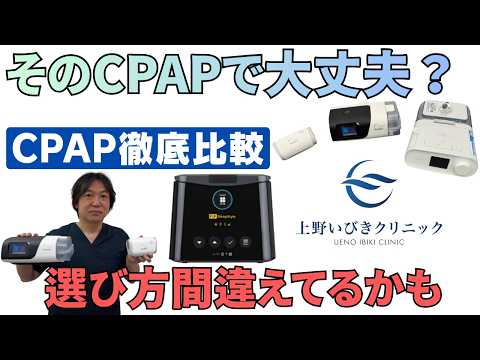
You’ll Want to Know This! A Complete Comparison of 5 CPAP Types — What Doctors Really Look For
Our doctor compares five different CPAP machines side by side and explains what actually matters when choosing one.
Watch the video
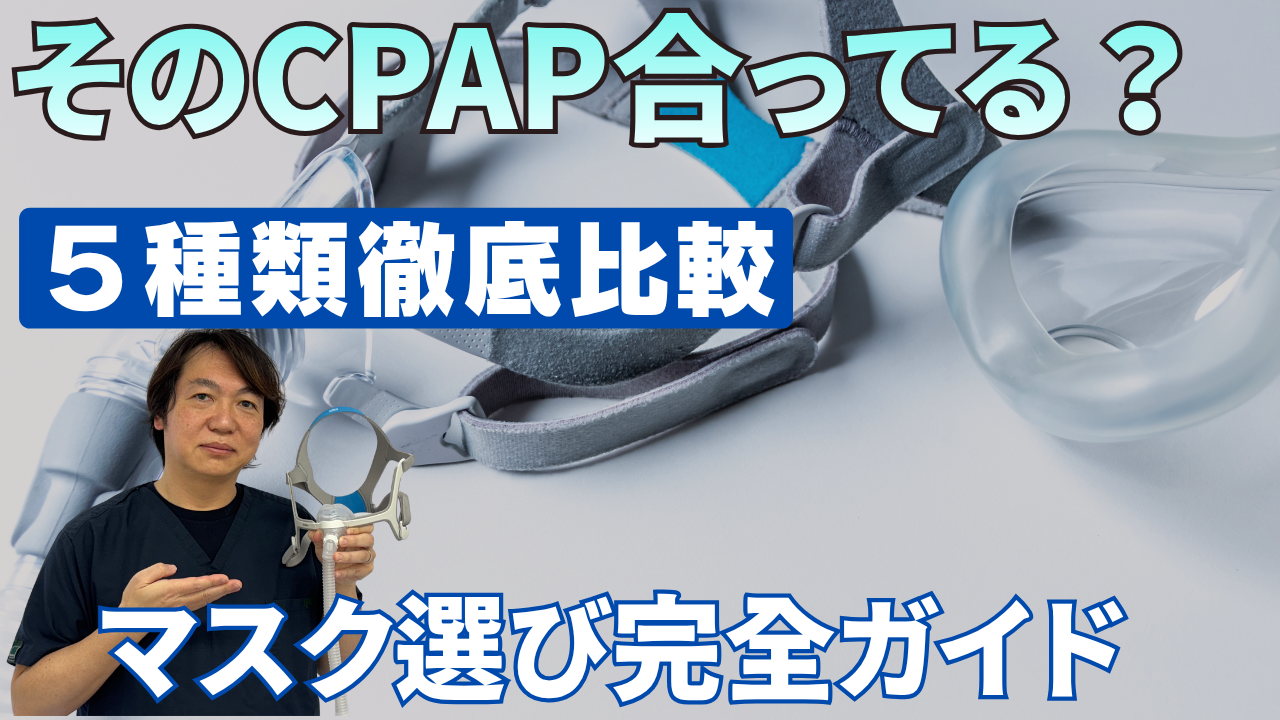
A Complete Comparison of CPAP Masks
We tried on and reviewed five different types of CPAP masks. 90% of CPAP comfort comes down to the mask.
Watch the video
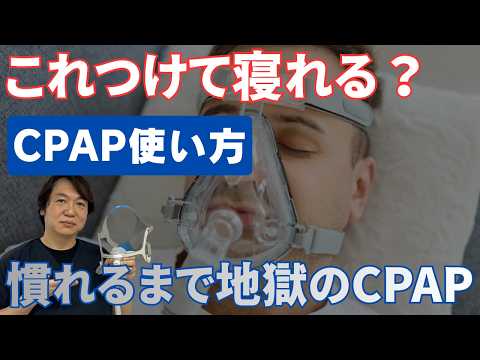
Do you have to use CPAP forever? A specialist explains how to use CPAP
A detailed explanation of how to use CPAP, with a real demonstration of what it feels like to wear the device.
Watch the video
Ueno Snoring Clinic was featured on Fuji TV’s “Live News It!” and on FNN Prime Online
Watch our clinic’s examination and explanation of sleep disorders, snoring, and sleep apnea.
Watch the video
Ueno Snoring Clinic was featured in an article on Nippon TV’s “news every.”
Please take a look as a starting point for thinking about getting evaluated for snoring, sleep apnea, or other sleep disorders.
Read the article
Reviewed by Our Director
Kazuyuki Sugaya
Director, Ueno Snoring Clinic / Anesthesiologist
Our director, with over 20,000 general anesthesia cases, focuses primarily on the diagnosis and treatment of snoring and sleep apnea, offering care tailored to each patient. [Insurance-Covered] Ueno Snoring Clinic
In this article, our Director, Kazuyuki Sugaya, explains ORZEYFUL, the narcolepsy type 1 treatment launched in October 2026, based on publicly available information. Medically reviewed November 2026.
🩺Comprehensive Snoring Treatment at Ueno Snoring Clinic
At Ueno Snoring Clinic, we use the simplified test and PSG to check whether sleep apnea is behind severe daytime sleepiness, and recommend treatment based on the results. Narcolepsy is diagnosed and treated, including with this medicine, at specialist medical institutions.
Insurance-Covered: Thorough Testing and Ongoing Treatment
- Simplified testing: Home screening for sleep apnea
- PSG testing: A detailed sleep study including brain waves, done at home
- CPAP treatment: The standard treatment for apnea that meets insurance criteria
Self-Pay: Address the Root Cause, Short-Term Focus
- Snoring laser treatment: For people whose testing confirms simple snoring
- Medically supervised weight loss: An option when weight gain is a contributing factor
*Whether a treatment is appropriate, and what it can achieve, differs from one person to the next, so an examination comes first.
Our Director’s book, “Curing Snoring with the Latest Treatments” (an Amazon Japan bestseller — #1 in General Medicine, #1 in Clinical Internal Medicine, #2 in Family Health & Wellness), explains the causes of daytime sleepiness in more depth.
New Book by Our Director
“Curing Snoring with the Latest Treatments”
A guide to the latest snoring treatments, written by an anesthesiologist who has overseen the sleep of more than 10,000 patients.
View on Amazon
Quick Answer
ORZEYFUL (oveporexton) is an oral orexin 2 receptor agonist for narcolepsy type 1 (NT1). It works by boosting signaling of orexin, a brain chemical that keeps us awake. It was approved in the US on August 5, 2026 and in Japan on August 24, 2026, and launched in Japan and China on October 15, 2026. “First oral drug” is best read as the first oral drug that targets the underlying cause (orexin deficiency); older narcolepsy medicines that treat individual symptoms are also taken by mouth. In two 12-week phase 3 trials (Dauvilliers et al., NEJM, 2026), sleepiness and cataplexy improved markedly, but insomnia and frequent urination were common side effects. It is for adults diagnosed with NT1. It is not a treatment for snoring, sleep apnea, or everyday sleepiness. Sleep apnea is a far more common cause of daytime sleepiness, so testing for it comes first.
📋 What This Article Covers
- What is ORZEYFUL, and when was it launched?
- What does “first oral drug” mean?
- What is narcolepsy type 1?
- What did the clinical trials show?
- What are the side effects?
- Who is it for, and who is it not for?
- Severe daytime sleepiness: don’t miss sleep apnea
- How to get diagnosed and treated
What Is ORZEYFUL, and When Was It Launched?
Short answer: ORZEYFUL (oveporexton) is Takeda’s oral orexin 2 receptor agonist for adults with narcolepsy type 1. It was approved in Japan on August 24, 2026 and launched in Japan and China on October 15, 2026.
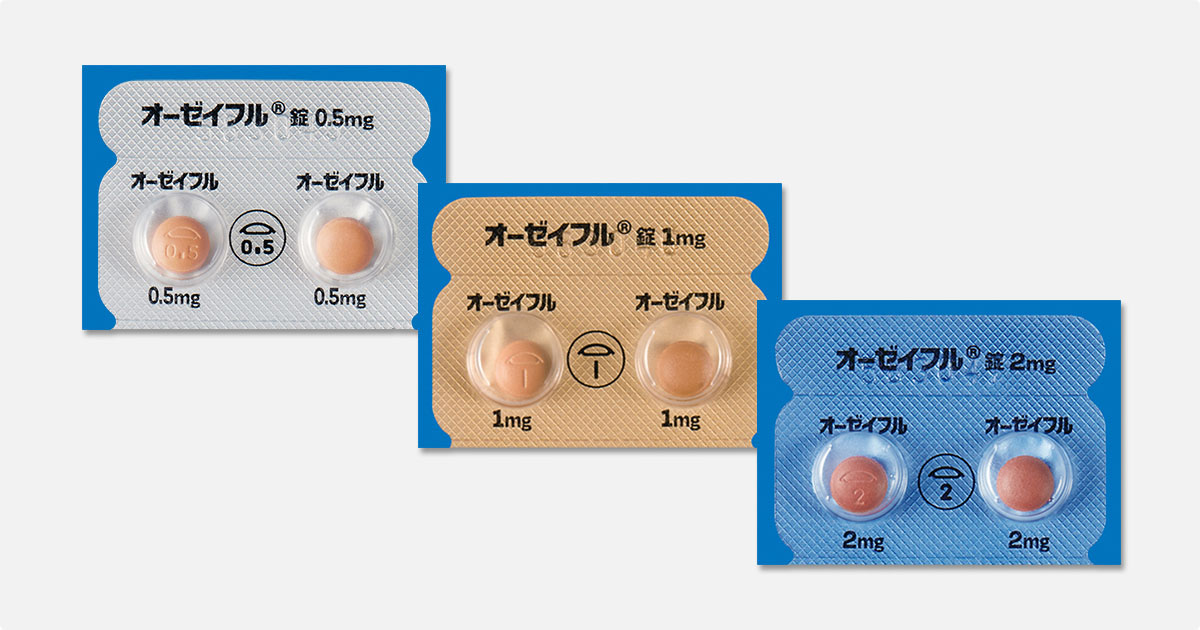
| Item |
Details (from published information) |
| Brand name / generic name |
ORZEYFUL / oveporexton |
| Manufacturer |
Takeda Pharmaceutical |
| Indication |
Narcolepsy type 1 (NT1: narcolepsy with cataplexy) in adults (in China, also adolescents aged 16 and over) |
| How it works |
An oral, selective orexin 2 receptor (OX2R) agonist that stimulates orexin receptors to make up for reduced orexin signaling |
| Approval and launch |
Approved by the US FDA on August 5, 2026 and by Japan’s Ministry of Health, Labour and Welfare on August 24, 2026; launched in Japan and China on October 15, 2026. US launch was expected in November 2026, after DEA controlled-substance scheduling |
| Dosage in Japan |
Usually 1 mg twice daily for adults: the first dose on waking and the second 3 to 5 hours later. Only if it is well tolerated and not effective enough can it be increased to 2 mg twice daily |
| Price in Japan |
Not found in the announcements and reports we checked. Please check the package insert or the Ministry of Health, Labour and Welfare listing |
Trademarks, indications, and doses can differ between countries. In practice, it must be used only after a doctor’s diagnosis and prescription, following the package insert.
What Does “First Oral Drug” Mean?
Short answer: It does not mean narcolepsy had no oral medicines before. It means ORZEYFUL is the first oral drug designed to act on the underlying cause, orexin deficiency, rather than on individual symptoms.
The headline “first oral drug for a sleep disorder” can be misleading. Narcolepsy has long been treated with oral medicines: for example, wake-promoting drugs such as modafinil for daytime sleepiness, and medicines such as some antidepressants for cataplexy and other REM-sleep-related symptoms.
|
Existing medicines |
ORZEYFUL |
| Approach |
Symptomatic: each symptom (sleepiness, cataplexy, and so on) treated separately |
Targets orexin deficiency, considered the cause of NT1 |
| Target |
Varies by symptom: wake-promoting drugs, anti-cataplexy drugs, and so on |
Stimulates the orexin 2 receptor, aiming to improve several symptoms with one drug |
| Form |
Mainly oral |
Oral (tablet) |
Takeda describes ORZEYFUL as the first and only medicine approved in Japan to treat the underlying cause of narcolepsy type 1. So the “first” in the headlines is best understood as “the first oral drug that targets the cause,” not “the first pill that can be used for narcolepsy.”
What Is Narcolepsy Type 1?
Short answer: Narcolepsy type 1 is a rare, chronic sleep disorder caused by loss of orexin. It causes severe daytime sleepiness and cataplexy (sudden muscle weakness triggered by emotion), and is diagnosed with PSG, MSLT, and sometimes orexin levels in spinal fluid.
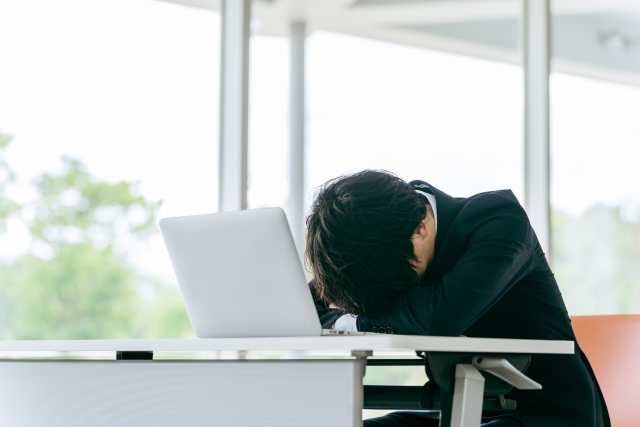
Narcolepsy is a sleep disorder in which strong sleepiness strikes suddenly during the day. In type 1 (NT1), a loss of orexin, a brain chemical that helps maintain wakefulness, is thought to be involved.
| Main symptom |
Description |
| Excessive daytime sleepiness |
Repeated strong sleepiness during the day despite enough sleep at night; people may fall asleep even in meetings or while driving |
| Cataplexy |
Sudden loss of muscle strength triggered by strong emotions such as laughing, surprise, or anger; characteristic of NT1 |
| Sleep paralysis |
Being unable to move when falling asleep or waking up |
| Hypnagogic hallucinations |
Vivid, dream-like sounds or images when falling asleep |
| Disrupted night sleep |
Waking up many times during the night |
Narcolepsy usually begins in the teens or early twenties and is lifelong. Because its symptoms are poorly understood by others, diagnosis is often delayed.
Diagnosis generally involves:
- PSG (overnight polysomnography): a detailed overnight study that also rules out other conditions such as sleep apnea
- MSLT (Multiple Sleep Latency Test): several daytime naps to measure how quickly you fall asleep and whether REM sleep appears soon after falling asleep (SOREMPs)
- Orexin level in cerebrospinal fluid: a test that confirms low orexin
Diagnostic criteria are revised from time to time. Diagnosis is made at specialist centers by combining several findings.
What Did the Clinical Trials Show?
Short answer: In two 12-week phase 3 trials, wakefulness on the MWT improved by 14.3 to 19.8 minutes, sleepiness scores fell by 9.7 to 11.8 points, and weekly cataplexy fell by a median of 79.0% to 88.8%, all far more than with placebo.
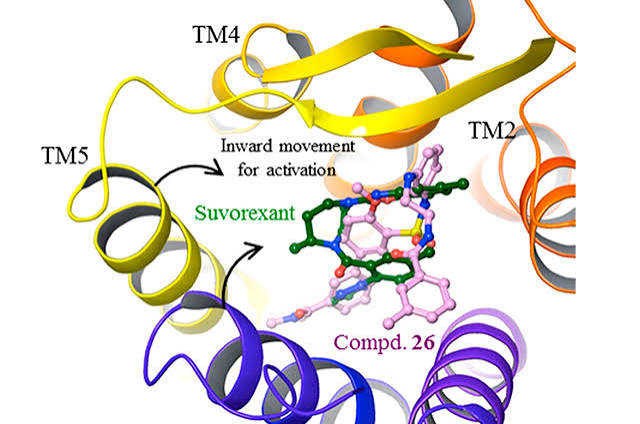
Approval was based on two global phase 3 trials, FirstLight and RadiantLight, published in 2026 in the New England Journal of Medicine (Dauvilliers et al.).
| Item |
Result |
| Size and length |
FirstLight: 168 participants (1 mg twice daily, 2 mg twice daily, or placebo). RadiantLight: 105 participants (2 mg twice daily or placebo). Both were 12-week, placebo-controlled trials |
| Ability to stay awake (MWT, Maintenance of Wakefulness Test) |
Sleep latency improved by 14.3 to 19.8 minutes with oveporexton, versus −0.4 to −0.8 minutes with placebo. 48% to 69% reached 20 minutes or more (the normal range) |
| Daytime sleepiness (ESS, Epworth Sleepiness Scale) |
Scores fell by 9.7 to 11.8 points; 67% to 84% reached a score of 10 or below (the normal range) |
| Cataplexy |
Median weekly cataplexy episodes fell by 79.0% to 88.8% |
These figures are taken from published summaries of the trials and vary by trial and dose. They show that sleepiness and cataplexy can improve substantially in people with NT1, but the trials lasted 12 weeks, so long-term effectiveness and safety will be confirmed through ongoing extension studies and real-world use.
What Are the Side Effects of ORZEYFUL?
Short answer: The most common side effects in the trials were insomnia (55% to 60%), frequent urination (53% to 58%), urinary urgency (15% to 16%), and increased saliva. Most were mild to moderate and began early in treatment.
Common side effects in the trials were (frequencies for 2 mg twice daily / 1 mg twice daily / placebo where available):
| Side effect |
Approximate frequency |
Notes |
| Insomnia |
60% / 55% (rare with placebo) |
Most episodes resolved within about a week, according to Takeda. If it persists and affects daytime life, dose reduction or stopping may be considered |
| Frequent urination |
58% / 53% / 5% |
Urinary symptoms should be checked before starting; caution if you have an overactive bladder |
| Urinary urgency |
16% / 15% / 1% |
As above |
| Increased saliva |
Listed among common side effects |
— |
| Raised CPK (a muscle enzyme) |
11% with treatment vs. 5% with placebo (symptom-free rises above 5 times the upper limit) |
Report muscle pain, weakness, or reddish-brown urine. Two cases of rhabdomyolysis were attributed to intense exercise |
Overall, side effects of any kind were reported in 86% to 89% of people on oveporexton and 43% to 54% on placebo. Most began within the first few days of treatment, and many eased over time, although this varies from person to person.
Before taking it
In the US label, use with strong CYP3A inhibitors is to be avoided, and other drugs that inhibit or induce CYP3A may change blood levels and effect; always check the Japanese package insert. Use is not recommended in severe liver impairment or kidney failure on dialysis (US information). In the US it is subject to controlled-substance scheduling because of its potential for misuse; tell your doctor about any history of substance misuse. Never start or stop it on your own.
Much of the above is US information. For dosage, contraindications, and precautions in Japan, check the Japanese package insert.
Who Is ORZEYFUL For, and Who Is It Not For?
Short answer: It is for adults diagnosed with narcolepsy type 1. It is not for narcolepsy type 2, idiopathic hypersomnia, sleep deprivation, sleep apnea, snoring, or insomnia.
| Condition |
Is ORZEYFUL indicated? |
What to do instead |
| Adults diagnosed with narcolepsy type 1 (NT1) |
Yes |
Used under a doctor’s diagnosis and prescription |
| Narcolepsy type 2, idiopathic hypersomnia, and similar |
Not within the approved indication |
The indication is NT1 |
| Sleepiness from not getting enough sleep |
No |
Get more sleep and review your daily routine |
| Sleepiness caused by sleep apnea |
No |
Treat the apnea itself, usually with CPAP |
| Snoring without sleepiness |
No |
Treatment depends on the cause of the snoring (see Snoring Treatment Guide: Japan) |
| Insomnia (trouble sleeping) |
No (it is not a sleeping pill) |
Insomnia needs different treatment; in fact, insomnia is a common side effect |
Being very sleepy is not, on its own, a reason to use this drug. The starting point is finding the correct cause of the sleepiness.
Severe Daytime Sleepiness: Don’t Miss Sleep Apnea
Short answer: Apart from simple lack of sleep, obstructive sleep apnea is one of the most common causes of excessive daytime sleepiness, and it must be ruled out when narcolepsy is suspected. It can be diagnosed with a sleep test and treated, usually with CPAP.
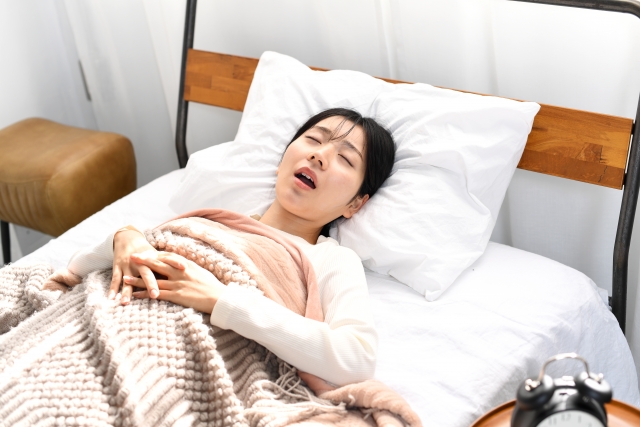
Daytime sleepiness has many causes. Apart from insufficient sleep, obstructive sleep apnea is one of the most common, and it is one of the conditions that must be ruled out whenever narcolepsy is suspected. The two can also occur together, particularly in middle age, and narcolepsy may be considered when sleepiness persists after sleep apnea has been treated.
| Cause of daytime sleepiness |
Typical features |
How it is checked |
| Obstructive sleep apnea |
Loud snoring, pauses in breathing noticed by others, morning headaches, unrefreshing sleep |
Simplified test or PSG (see Simplified Sleep Test vs. PSG) |
| Insufficient sleep |
Short sleep; catching up on sleep at weekends |
Sleep diary; reviewing your routine |
| Narcolepsy |
Usually starts in the teens or early twenties; emotion-triggered muscle weakness (NT1), sleep paralysis, hallucinations |
PSG, MSLT, CSF orexin (at specialist centers) |
| Medication effects, depression, thyroid disease, and others |
Current medicines, low mood, physical fatigue |
Medical consultation, blood tests |
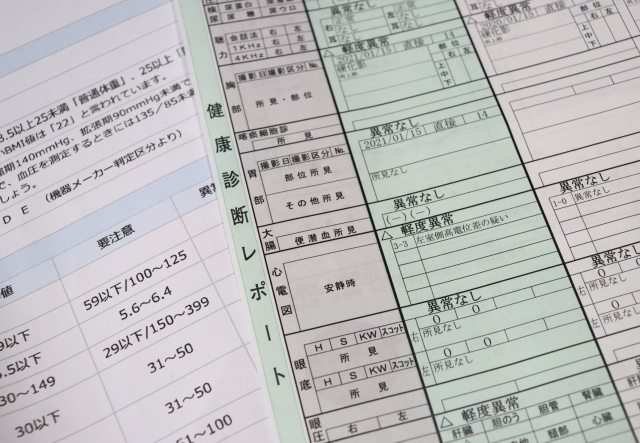
For example, someone who goes to the doctor suspecting narcolepsy may well turn out to have sleep apnea. Sleep apnea can be diagnosed with a test and often improves with treatment such as CPAP, so it is important to check for it first. For more, see AHI Explained: Severity Levels and CPAP and Flagged for Snoring at a Health Checkup?.
How to Get Diagnosed and Treated
Short answer: Write down your symptoms, check first for sleep apnea with a sleep test, and if narcolepsy is still suspected, go to a specialist center that can do MSLT and related tests. Treatment is chosen once a diagnosis is made.
| Step |
What happens |
| 1. Note your symptoms |
When and how sleepy you are; any emotion-triggered weakness, sleep paralysis, hallucinations; whether others have noticed snoring or pauses in breathing |
| 2. Check for sleep apnea |
A simplified test or PSG checks for sleep apnea and other conditions. At Ueno Snoring Clinic, both are done at home |
| 3. If narcolepsy is suspected |
Diagnosis continues at a specialist center that can perform MSLT and measure CSF orexin |
| 4. Choose treatment |
Depending on the diagnosis, the doctor considers lifestyle measures, existing medicines, or newer drugs |
Narcolepsy is often poorly understood and slow to be diagnosed, and expanding diagnosis and treatment capacity remains a challenge. Even with a new drug on the market, getting properly diagnosed and connected with a medical institution that can prescribe it is the first step. See also Which Specialist Should You See for a Sleep Disorder?.
What Ueno Snoring Clinic Can Do for You
Ueno Snoring Clinic is a sleep medicine clinic in Ueno, Tokyo, focused on snoring and obstructive sleep apnea. ORZEYFUL is a treatment for narcolepsy type 1, not for snoring or sleep apnea, and we do not diagnose narcolepsy or prescribe this drug. What we do is check whether sleep apnea lies behind severe daytime sleepiness or snoring, with an at-home simplified test and insurance-covered PSG (done at home, no hospital stay), and provide insurance-covered CPAP where appropriate.
If you are very sleepy in the daytime or your family says you stop breathing in your sleep, please contact us.
Summary: A Big Step for NT1, but Sleepiness Starts With Finding the Cause
ORZEYFUL (oveporexton) launched in Japan and China on October 15, 2026 as the first oral drug that targets orexin deficiency, considered the cause of narcolepsy type 1. In 12-week trials, sleepiness and cataplexy improved markedly, while insomnia and frequent urination were common side effects.
It is a treatment for narcolepsy type 1, not for snoring, sleep apnea, or everyday sleepiness. Sleep apnea is a much more common cause of daytime sleepiness, so if sleepiness persists, get tested first. Any use of the drug must follow a doctor’s diagnosis and prescription and the package insert.
Very Sleepy in the Daytime? Check the Cause
Sleep apnea may be behind your sleepiness. We test at home with the simplified test or PSG and treat with CPAP when needed. Appointments only; same-day visits are often possible.
Frequently Asked Questions
Q. Is it OK to have snoring treatment at a self-pay-only clinic or a cosmetic clinic?
A. Some clinics that offer only self-pay care, and some cosmetic clinics, may not perform sleep testing. Before starting treatment, check whether the clinic performs a sleep test, or has a system for referring you to a medical institution where you can receive the necessary tests. If sleep apnea is hidden behind your snoring and treatment begins without testing, it may be missed. We recommend first checking your condition at a medical institution that offers sleep testing (simplified testing or PSG). For details, see
Simplified Sleep Test vs. PSG.
Q. What is ORZEYFUL?
A. ORZEYFUL (oveporexton) is an oral treatment for narcolepsy type 1 that selectively stimulates the orexin 2 receptor. It was approved in Japan on August 24, 2026 and launched in Japan and China on October 15, 2026.
Q. What does “first oral drug” mean?
A. Oral medicines for narcolepsy already existed. “First” means it is the first oral drug that targets orexin deficiency, the presumed cause, rather than treating individual symptoms.
Q. Can ORZEYFUL be used for sleep apnea or snoring?
A. No. It is a treatment for narcolepsy type 1; sleep apnea is usually treated with CPAP, and snoring is treated according to its cause. Because sleep apnea can cause daytime sleepiness, get tested first.
Q. I’m very sleepy. Can I take ORZEYFUL?
A. Not on that basis alone. It is prescribed by a doctor to people diagnosed with narcolepsy type 1, and sleepiness has many causes, including sleep apnea, lack of sleep, and medicines, so finding the cause comes first.
Q. What are the main side effects?
A. In the trials, insomnia (55% to 60%), frequent urination (53% to 58%), urinary urgency, and increased saliva were common, and symptom-free rises in CPK were also reported. If symptoms persist, talk to your doctor.
Q. How is narcolepsy diagnosed?
A. Generally at a specialist center, by ruling out sleep apnea and other conditions with PSG and then combining results such as the MSLT and, in some cases, the orexin level in spinal fluid. Diagnostic criteria are revised from time to time.
Q. What is the most common cause of daytime sleepiness?
A. Apart from simply not getting enough sleep, obstructive sleep apnea is one of the most common causes. If you snore, have been told you stop breathing, wake with headaches, or never feel rested, consider a sleep test.
Q. Where can I get tested for sleep apnea?
A. At Ueno Snoring Clinic, both the simplified test and PSG are covered by Japanese health insurance and done at home, with no hospital stay.
Q. How much does ORZEYFUL cost?
A. We could not find the Japanese price in the announcements and reports we checked. Please check the package insert, the Ministry of Health, Labour and Welfare listing, or the prescribing medical institution.
*This article is a general explanation, written for a broad audience and based on the sources above together with our clinic’s own clinical experience. It is not a substitute for medical advice. Costs shown are rough guides and vary with the care provided and your insurance. If you are concerned about snoring or sleep apnea, please consult a medical institution for a proper evaluation.