
Quick Answer
Laser snoring treatment may be eligible for Japan’s medical expense deduction if it is performed for a medical treatment purpose, such as improving snoring, suspected obstructive sleep apnea, poor sleep quality, or sleep-related breathing problems, and is provided as medical care by a medical institution. However, treatment mainly for cosmetic, preference-based, or non-medical purposes is less likely to qualify. The final decision is made by the tax office, so patients should keep receipts, treatment records, and transportation notes, and consult a tax office, accountant, or company accounting department if needed.
At Ueno Snoring Clinic, we offer options tailored to your condition, including insurance-covered sleep testing and CPAP management, as well as self-pay laser snoring treatment. If you would like to find the treatment that suits you, please start with an initial consultation.
You can find details on the examinations and treatments at Ueno Snoring Clinic here


Supervised by the Director
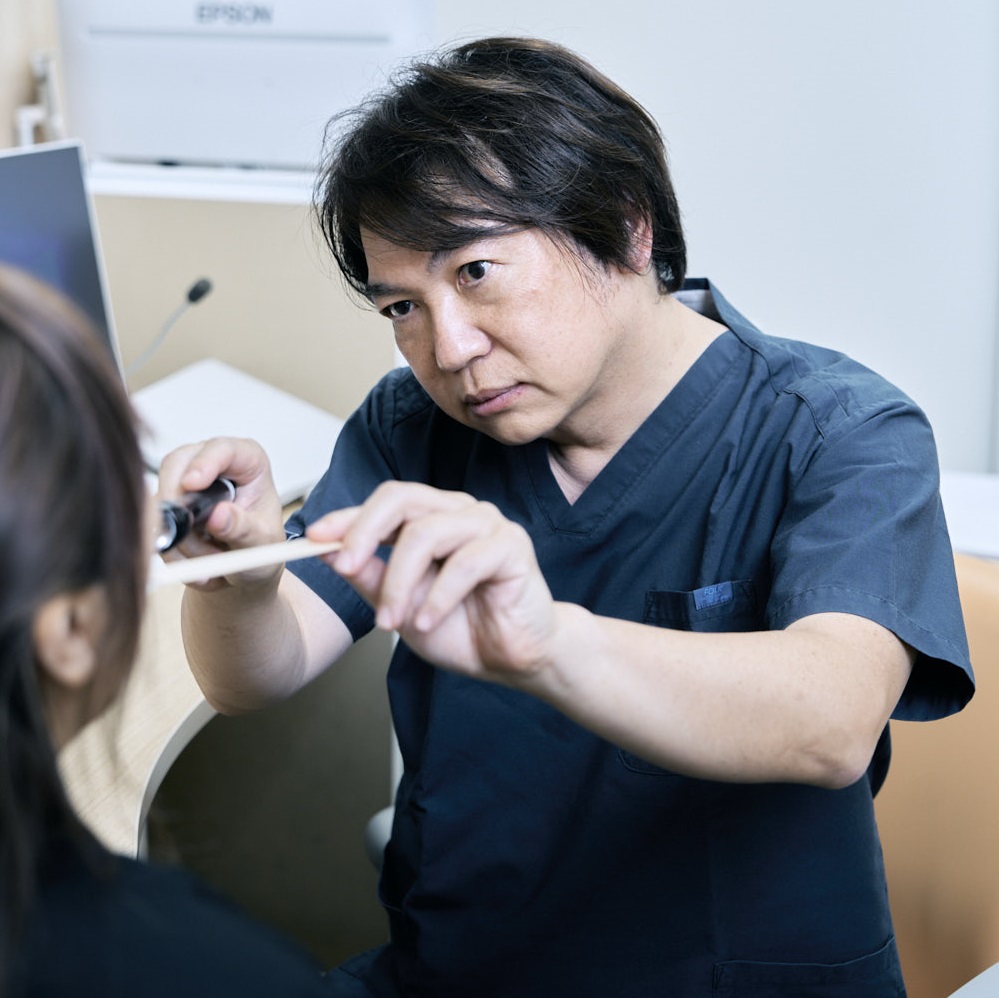
Kazuyuki Sugaya
Director, Ueno Snoring Clinic / Anesthesiologist
With experience in over 20,000 cases of general anesthesia, the director focuses primarily on the treatment of snoring and sleep apnea, providing care tailored to each individual patient. Ueno Snoring Clinic
This article has been supervised by Director Kazuyuki Sugaya to clearly explain accurate medical information regarding examinations and treatments for snoring, obstructive sleep apnea syndrome, and related conditions.
🩺Comprehensive Snoring Treatment at Ueno Snoring Clinic
Snoring has a wide range of causes, including throat anatomy, tongue position, nasal congestion, obesity, alcohol, sleeping posture, and sleep apnea. At Ueno Snoring Clinic, we provide a personalized treatment plan rather than relying on one single method.
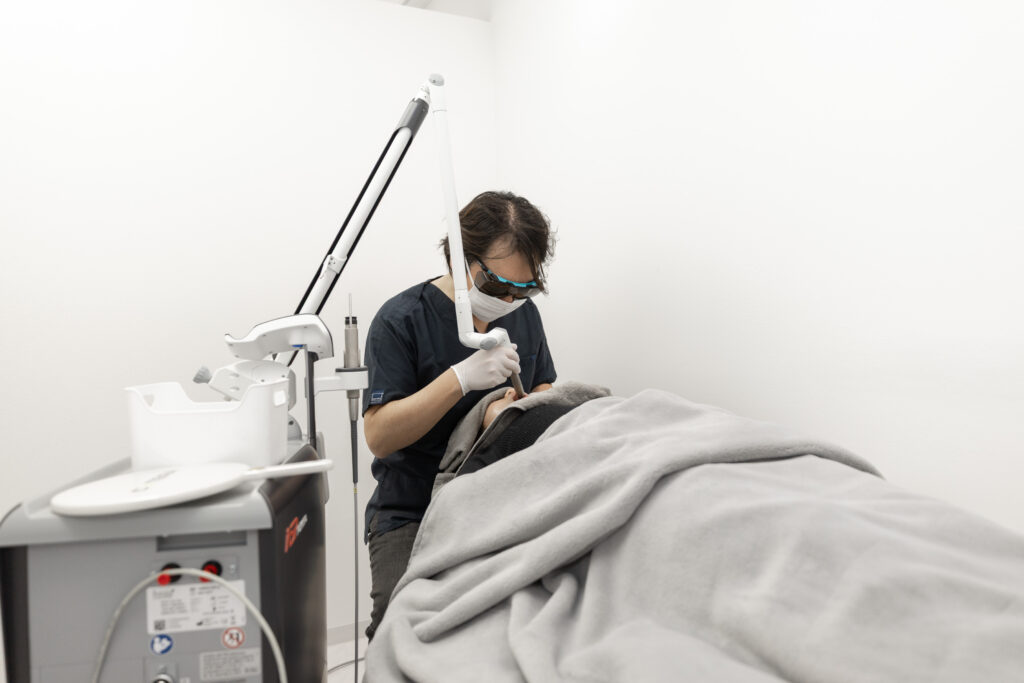
Laser snoring treatment without surgery
- Dual Deep Thermia®: Non-surgical laser snoring treatment
- No cutting or hospitalization: Suitable for selected patients seeking minimal downtime
Sleep testing and medical evaluation
- Home sleep test / PSG: Evaluating breathing during sleep
- CPAP therapy: Standard treatment for moderate to severe obstructive sleep apnea
*As a clinic specializing in snoring treatment in Tokyo, we support patients through both self-pay laser treatment and insurance-covered medical evaluation when appropriate.
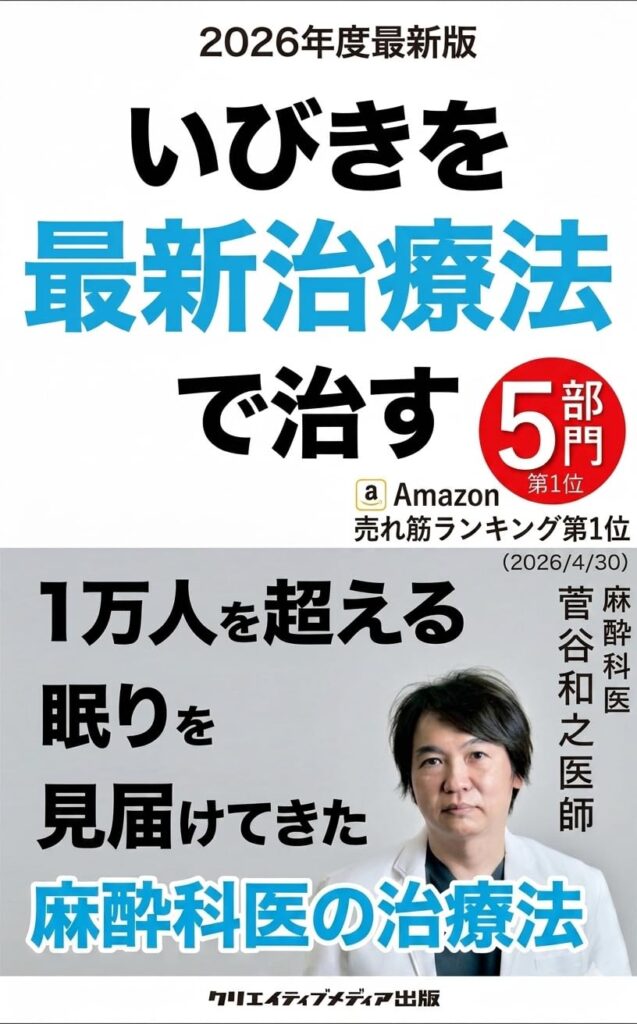
いびきを最新治療で治す-表紙-1.png)
New Book by the Director
“Treating Snoring with the Latest Treatment Methods”
The definitive guide to the latest snoring treatments, explained by an anesthesiologist who has overseen the sleep of more than 10,000 people.
The Basic Rule: Treatment Purpose Matters
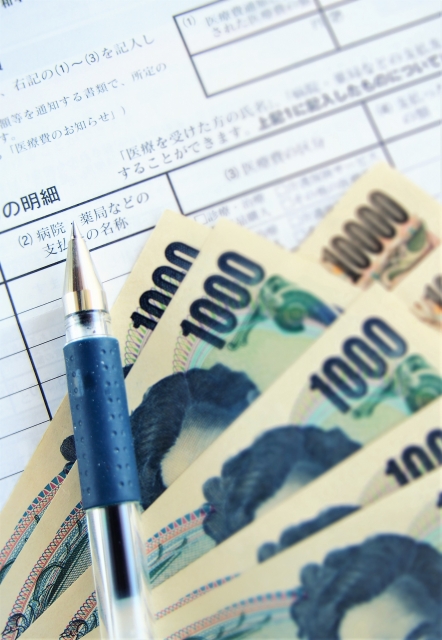
In Japan, the medical expense deduction is a system that may allow taxpayers to deduct eligible medical expenses paid during the year from January 1 to December 31 when the total exceeds a certain threshold.
The key concept is simple:
- Medical treatment for disease or symptoms: May be eligible
- Purely cosmetic or preference-based procedures: Generally less likely to be eligible
For snoring treatment, the important question is whether the treatment is performed for a medical purpose, such as improving snoring, suspected sleep apnea, poor sleep quality, daytime sleepiness, or sleep-related breathing problems.
Can Laser Snoring Treatment Be Eligible?
Laser snoring treatment is often provided as self-pay treatment, meaning it may not be covered by Japanese health insurance. However, self-pay treatment and medical expense deduction are separate issues.
Even if a treatment is self-pay, it may still be considered for medical expense deduction if it is performed as medical care by a medical institution for treatment purposes.
Cases that may be easier to explain as medical treatment
- The patient has snoring, suspected obstructive sleep apnea, or sleep-related breathing symptoms
- The treatment is performed after medical consultation and evaluation
- The treatment is provided by a medical institution
- The patient keeps receipts and documents showing payment
- The purpose is symptom improvement, not cosmetic enhancement
Cases that may be difficult to claim
- The main purpose is cosmetic, voice-related, preference-based, or non-medical
- The procedure is performed outside a medical institution
- There is little evidence of medical consultation or treatment purpose
- The expense cannot be supported by receipts or documentation
Important Tax Note
The final decision on medical expense deduction is made by the tax office. This article provides general information and should not be treated as individual tax advice. If you are unsure, please consult your local tax office, a licensed tax accountant, or your company accounting department.
What Documents Should You Keep?
For a medical expense deduction claim, documentation is important. Patients should keep the following:
- Receipts from the medical institution
- Medical expense deduction statement for tax filing
- Documents showing the nature of treatment, if available
- Transportation records for clinic visits
- Records of family medical expenses if claiming as a household
Receipts are generally kept by the taxpayer. If the tax office asks for confirmation, clear records make the explanation easier.
Transportation Costs for Clinic Visits
Transportation costs for medical visits may also be considered in some cases. In general:
- May be eligible: Train, bus, and other necessary public transportation for clinic visits
- May be eligible in unavoidable situations: Taxi when medically necessary or when public transportation is difficult
- Often not eligible: Gasoline costs and parking fees for private cars
If you visit a clinic in Ueno or elsewhere in Tokyo, it is useful to record the date, route, and amount paid for transportation.
Why Medical Evaluation Comes First
Snoring has many possible causes, including nasal congestion, soft palate vibration, tongue base collapse, obesity, jaw structure, alcohol, sleeping position, and sleep apnea.
Therefore, before deciding on laser treatment, it is important to evaluate the cause. At Ueno Snoring Clinic, we first assess symptoms, throat anatomy, nasal condition, sleep apnea risk, and patient goals.
This helps determine whether laser treatment is suitable, or whether another approach such as sleep testing, CPAP, oral appliance, lifestyle changes, or nasal treatment should be prioritized.
Laser Treatment and Medical Expense Deduction: Practical Checklist
| Point | Why It Matters |
|---|---|
| Treatment purpose | Medical expense deduction depends heavily on whether the expense is for treatment of symptoms or disease. |
| Medical institution | Treatment provided by a medical institution is easier to explain as medical care. |
| Doctor’s evaluation | Consultation and examination help clarify why the treatment is medically indicated. |
| Receipts | Receipts are essential for record keeping and tax filing. |
| Transportation records | Public transportation expenses for clinic visits may be considered if properly recorded. |
| Tax office confirmation | The final decision is made by the tax office, so individual confirmation is recommended when uncertain. |
Self-Pay Treatment vs Medical Expense Deduction
Many patients misunderstand this point: “self-pay treatment” does not automatically mean “not eligible for medical expense deduction.”
Health insurance coverage and medical expense deduction are different systems. Some treatments are not covered by insurance, but may still be medical treatments for symptoms or disease.
The question is not simply whether insurance applies. The question is whether the expense is for medical treatment and whether it can be properly documented.
Can Family Medical Expenses Be Combined?
In Japan, medical expenses for family members who share the same livelihood may sometimes be combined for medical expense deduction purposes. Therefore, it may be helpful to keep all household medical receipts together.
Because individual tax situations differ, please confirm details with a tax office or tax professional.
Common Questions
Q. Can self-pay laser snoring treatment be claimed?
A. It may be considered if the purpose is medical treatment and the procedure is performed by a medical institution after evaluation. However, the final decision is made by the tax office.
Q. Is cosmetic treatment eligible?
A. Purely cosmetic treatment is generally less likely to be eligible. The key point is whether the treatment is for symptoms or disease.
Q. Can I know for certain before treatment?
A. The clinic can provide receipts and explain the treatment purpose, but the final tax judgment is made by the tax office. If you need certainty, consult the tax office or a tax accountant in advance.
Q. Should I keep the receipt?
A. Yes. Keep receipts, treatment documents, and transportation records.
Q. Can transportation costs be included?
A. Public transportation costs for clinic visits may be considered. Gasoline and parking fees for private cars are generally less likely to qualify.
Q. Can foreign residents in Japan use this deduction?
A. Foreign residents who file Japanese income tax returns may be able to use the medical expense deduction depending on their tax status. Please consult a tax office or tax professional.
Why International Patients Should Be Careful
International residents and visitors may have different tax situations. If you are a foreign resident in Japan, whether you can claim medical expense deduction depends on your Japanese tax filing status.
If you are a short-term visitor or medical tourist, Japanese medical expense deduction may not apply unless you are filing taxes in Japan. Please confirm with a tax professional.
Why International Patients Choose Ueno Snoring Clinic
- English-speaking doctor: Medical consultation is available in English
- Convenient Tokyo location: Near Ueno Station
- Non-surgical laser snoring treatment: Suitable for selected patients who want minimal downtime
- Sleep apnea evaluation: Medical assessment when snoring may be a sign of apnea
- International patients welcome: Helpful for foreign residents and visitors in Japan
- Clear fee information: Self-pay treatment fees are explained before treatment
Summary: Treatment Purpose Is the Key
Laser snoring treatment may be considered for Japan’s medical expense deduction if it is performed as medical treatment for snoring, suspected sleep apnea, or sleep-related breathing problems.
The key points are:
- Whether the purpose is medical treatment
- Whether the treatment is performed by a medical institution
- Whether consultation and evaluation are documented
- Whether receipts and records are kept
- Whether the tax office accepts the claim
Before deciding on laser treatment, it is important to first evaluate the cause of snoring. At Ueno Snoring Clinic, we help patients understand whether laser treatment, sleep testing, CPAP, oral appliance, lifestyle changes, or other approaches are appropriate.
Book a Snoring Consultation in Tokyo
If you are considering laser snoring treatment and want to understand whether it may be appropriate for your condition, please consult Ueno Snoring Clinic.
*The applicability of insurance vs. self-pay treatment differs depending on your symptoms and test results. Tax treatment depends on individual circumstances and final judgment by the tax office.
Medical and Tax Disclaimer
This article provides general information about snoring treatment and Japan’s medical expense deduction. It is not individual medical, legal, or tax advice. Eligibility for the medical expense deduction depends on individual circumstances and the final decision of the tax office. Please consult your local tax office, tax accountant, or company accounting department for specific tax advice.
References
- National Tax Agency Japan: Income Tax Guide and medical expense deduction information.
- Clinical guidance on diagnosis and treatment of obstructive sleep apnea.
- Evidence on CPAP therapy for moderate to severe obstructive sleep apnea.
- Clinical reports on non-surgical laser treatment for snoring and soft palate vibration.
- Research on upper airway anatomy, snoring mechanisms, and sleep-disordered breathing.