Ueno Snoring Clinic offers a range of options depending on your condition, including insurance-covered sleep testing and CPAP management, and self-pay snoring laser treatment and medically supervised weight loss. If you’d like to find out which treatment suits you, please start with an initial consultation.
Details of the tests and treatments offered at Ueno Snoring Clinic can be found here
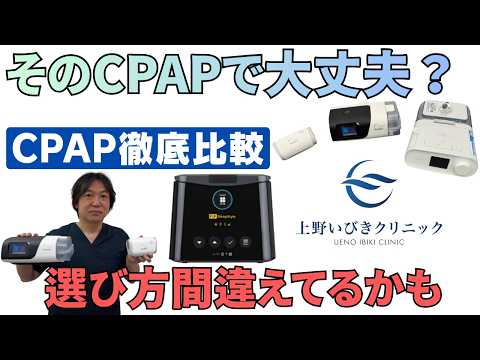
You’ll Want to Know This! A Complete Comparison of 5 CPAP Types — What Doctors Really Look For
Our doctor compares five different CPAP machines side by side and explains what actually matters when choosing one.
Watch the video
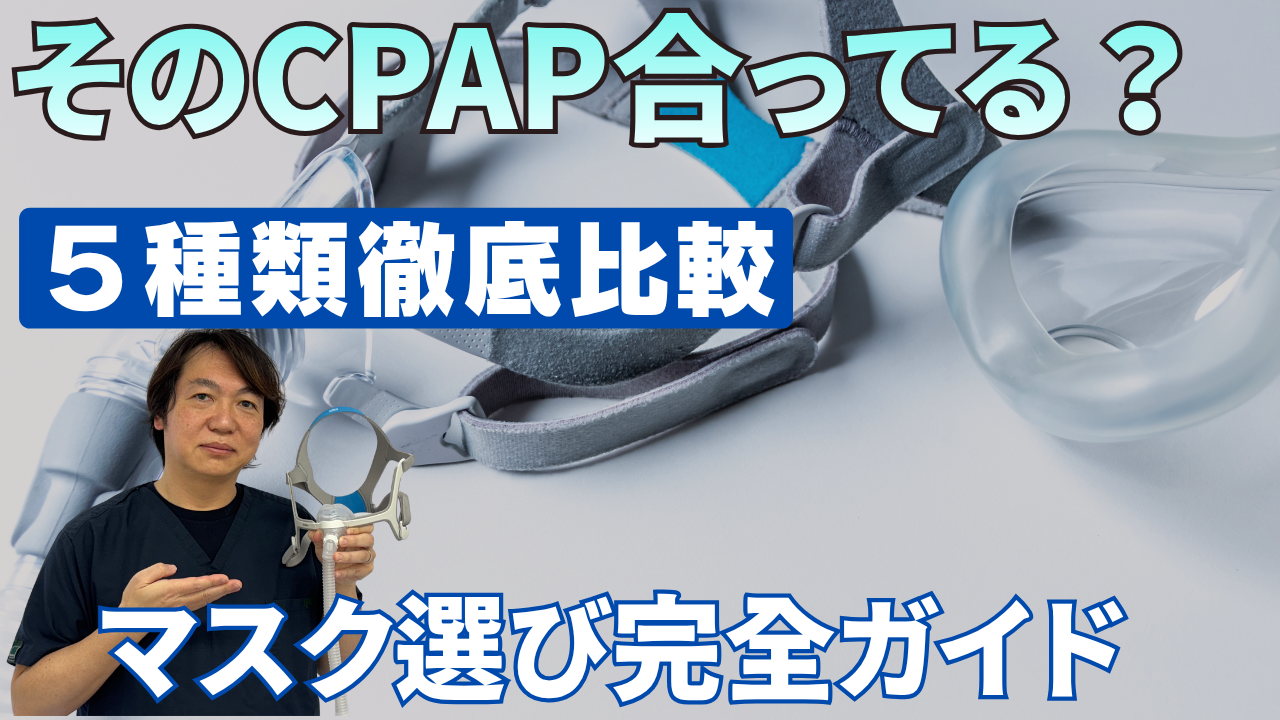
A Complete Comparison of CPAP Masks
We tried on and reviewed five different types of CPAP masks. 90% of CPAP comfort comes down to the mask.
Watch the video
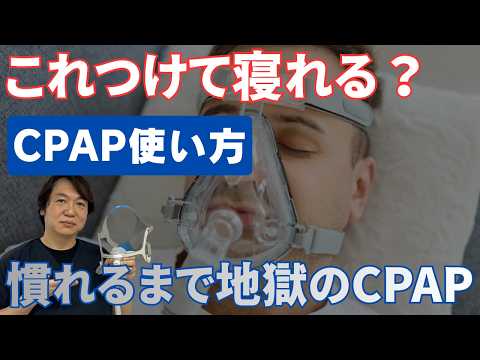
Do you have to use CPAP forever? A specialist explains how to use CPAP
A detailed explanation of how to use CPAP, with a real demonstration of what it feels like to wear the device.
Watch the video
Ueno Snoring Clinic was featured on Fuji TV’s “Live News It!” and on FNN Prime Online
Watch our clinic’s examination and explanation of sleep disorders, snoring, and sleep apnea.
Watch the video
Ueno Snoring Clinic was featured in an article on Nippon TV’s “news every.”
Please take a look as a starting point for thinking about getting evaluated for snoring, sleep apnea, or other sleep disorders.
Read the article
Reviewed by Our Director
Kazuyuki Sugaya
Director, Ueno Snoring Clinic / Anesthesiologist
Our director, with over 20,000 general anesthesia cases, focuses primarily on the diagnosis and treatment of snoring and sleep apnea, offering care tailored to each patient. [Insurance-Covered] Ueno Snoring Clinic
This article was reviewed by our Director, Kazuyuki Sugaya, and explains how oral medicines that support weight loss may help weight-related snoring, along with their limits, side effects, and approval status in Japan.
🩺Comprehensive Snoring Treatment at Ueno Snoring Clinic
The causes of snoring range from throat structure to weight. Ueno Snoring Clinic does not lean toward any single treatment; instead, we propose the plan that suits you from a wide range of evidence-based options.
Insurance-Covered: Thorough Testing and Ongoing Treatment
- Simplified and PSG testing: A detailed analysis of your sleep
- CPAP treatment: The standard treatment for moderate-to-severe apnea
Self-Pay: Address the Root Cause, Short-Term Focus
- Snoring laser treatment: A non-surgical option that tightens the tissue of the throat
- Medically supervised weight loss: Opening the airway by reducing weight
*As a clinic specializing in snoring, we work to resolve persistent snoring through both insurance-covered and self-pay care. Whether a medicine is suitable depends on your health, other medications, and test results.
Our Director’s book, “Curing Snoring with the Latest Treatments” (an Amazon Japan bestseller — #1 in General Medicine, #1 in Clinical Internal Medicine, #2 in Family Health & Wellness), also explains how weight and snoring are connected.
New Book by Our Director
“Curing Snoring with the Latest Treatments”
A guide to the latest snoring treatments, written by an anesthesiologist who has overseen the sleep of more than 10,000 patients.
View on Amazon
Quick Answer
There is no pill that simply “switches off” snoring, but when excess weight is a main cause, medicines that support weight loss can help, because less fat around the neck and tongue gives the airway more room. Oral options include oral semaglutide (Rybelsus), SGLT2 inhibitors, the appetite suppressant mazindol, and the fat-absorption blocker orlistat; each has different strengths, side effects, and approval conditions in Japan, and several are used outside their approved indications when prescribed purely for weight loss. The injectable tirzepatide has shown large improvements in sleep apnea in clinical trials. Whatever you choose, check your snoring and apnea with a sleep test first, set a time frame and goal, and plan what comes after so weight does not rebound.
📋 What This Article Covers
- How weight loss can reduce snoring
- Oral semaglutide (Rybelsus)
- SGLT2 inhibitors
- Mazindol (Sanorex) and orlistat
- Tirzepatide and other medicines under study
- How to use these medicines safely: a summary
- Frequently asked questions
How Weight Loss Can Reduce Snoring
When weight increases, fat builds up around the neck, the base of the tongue, and the walls of the throat. That extra tissue narrows the airway, and during sleep, when the muscles relax, the narrowed section vibrates more easily. Losing weight can reduce that fat and give the airway more room, so in people whose snoring is mainly weight-related, snoring and apnea may lessen.
We have explained the injectable medicine Mounjaro (tirzepatide) in detail in a separate article. This article focuses mainly on oral medicines other than Mounjaro.
A note on approval status in Japan
Several medicines in this article are approved in Japan for other conditions, such as type 2 diabetes, and prescribing them purely for weight loss is outside their approved use and self-pay. Off-label use of diabetes medicines for dieting has been debated by a Ministry of Health, Labour and Welfare committee in Japan. We only consider these medicines after a medical assessment, and we explain the approval status, risks, and costs of any medicine before prescribing it.
Oral Semaglutide (Rybelsus)
For people who would rather avoid injections, one GLP-1 receptor agonist is available as a tablet: Rybelsus (active ingredient: semaglutide). Semaglutide was first established as an injectable medicine (for example, Ozempic) for lowering blood sugar and body weight; Rybelsus makes the same active ingredient available as a pill. In Japan, it is approved for type 2 diabetes.
It amplifies the gut’s “food has arrived” signals (incretins), prompting the pancreas to release insulin, acting on the brain’s satiety center to curb appetite, and slowing the stomach so that blood sugar rises more gently after meals. The mechanism is the same as injectable GLP-1 medicines; only the route differs.
How It Is Taken
The most important point is the way it is taken. Take it on an empty stomach before the first food or drink of the day, with no more than about half a glass of water (about 120 mL), and then wait at least 30 minutes before eating, drinking, or taking other medicines. Tea, coffee, and swallowing aids should not be used. These steps are essential for the medicine to be absorbed; if they are skipped, it may not work properly. It can feel like a chore on busy mornings, but it is the key to getting the effect.
How Well It Works
Weight loss with oral semaglutide is real but more modest than with injectable tirzepatide. In a clinical trial in people with type 2 diabetes, the 14 mg dose reduced body weight by about 2.3–2.6 kg more than placebo, along with improvements in blood sugar (HbA1c). Results vary from person to person, but for people who can keep to the morning routine, it is a practical option without injections.
Side Effects
Side effects are similar to those of injectable GLP-1 medicines. Digestive symptoms such as nausea, indigestion, diarrhea or constipation, and reduced appetite are common at the start. Many people adjust as the dose is increased gradually and meal size and fat intake are adjusted. However, if you have persistent, severe abdominal pain, seek medical care promptly to rule out pancreatitis or gallbladder problems. Low blood sugar is uncommon when used alone but needs care when combined with insulin or sulfonylureas. It cannot be used during pregnancy or breastfeeding, and people with a history of pancreatitis need careful assessment.
Cost at Our Clinic (Self-Pay)
3 mg: ¥9,800 / 7 mg: ¥17,800 / 14 mg: ¥26,800 (30-day supply).
SGLT2 Inhibitors (Jardiance, Forxiga, Lusefi, and Others)
SGLT2 inhibitors put a lid on the kidney’s “pump” that returns glucose to the blood, so that excess sugar leaves the body in the urine. Because calories are lost along with the sugar, weight tends to fall gradually without drastic changes to meals.
The weight loss is modest, typically a few kilograms over several months. Their distinctive feature is wider protection: besides lowering blood sugar, they are used to help protect the heart and kidneys. They are not “dramatic diet pills,” but for people with type 2 diabetes or metabolic problems alongside excess weight, they can be a steady option that addresses weight and heart and kidney risks together.
In terms of snoring and sleep apnea, even a small reduction in weight can reduce fat around the neck and tongue base, and some people find their snoring becomes lighter. The amount of weight lost is smaller than with GLP-1 medicines, so they suit people who want a cautious option they can continue for a long time.
Points to note: because sugar is passed in the urine, urinary and genital infections (especially yeast infections) become more likely, and dehydration and low blood pressure need attention. With very strict carbohydrate restriction, when you can’t eat, or around surgery, ketoacidosis (which can occur even when blood sugar is not very high) is a concern. How they are used also depends on kidney function, so they should be started and continued under a doctor’s supervision.
Cost at Our Clinic (Self-Pay)
10 mg: ¥9,800 / 25 mg: ¥19,800 (30-day supply).
Mazindol (Sanorex) and Orlistat
Mazindol (Sanorex): An Appetite Suppressant
Before Mounjaro became popular, Sanorex (mazindol) was a well-known appetite suppressant. It acts on the central nervous system to strongly reduce appetite, so food intake drops noticeably. In Japan, it is approved only as an aid to diet and exercise for severe obesity (BMI 35 or higher, or 70% or more above standard weight) when diet and exercise alone have not been enough, and treatment is limited to a maximum of 3 months under close medical supervision. It is classified as a psychotropic, habit-forming medicine.
Common side effects include insomnia, palpitations, dry mouth, constipation, and mood changes, and in our experience a low mood is also seen fairly often. It must not be used by people with closed-angle glaucoma, severe heart disease, severe high blood pressure, anxiety or depression, a history of drug or alcohol misuse, or those taking (or recently taking) MAO inhibitors, among others.
Cost at our clinic (self-pay): 0.5 mg: ¥14,800 (30-day supply).
Orlistat: A Fat-Absorption Blocker
Orlistat blocks lipase, the gut enzyme that breaks down fat, so that less of the fat you eat is absorbed; about a quarter of dietary fat may pass out in the stool. Because fewer calories are absorbed, weight falls gradually. In Japan, an orlistat product (“Alli”) went on sale in April 2024 as a pharmacist-guided over-the-counter medicine for reducing visceral fat and waist size, under specific conditions of use.
Because it only acts on fat in food, it works best when combined with a low-fat diet over a longer period. It also reduces absorption of the fat-soluble vitamins A, D, E, and K. The main drawback is digestive symptoms such as oily stools, oily diarrhea, leakage, and abdominal discomfort, which are worse with fattier meals. It is easiest to use if you think of it not as “blocking fat with a pill” but as part of a habit of eating less fat. It can interact with medicines such as ciclosporin and warfarin, so always tell your doctor or pharmacist about everything you take, including supplements.
A gradual weight loss may gently benefit snoring and sleep apnea, but the effect builds slowly.
Tirzepatide and Other Medicines Under Study
Tirzepatide (Mounjaro / Zepbound): An Injectable Option
Although it is not a tablet, tirzepatide is worth mentioning. It is the first long-acting medicine to act on two receptors, GIP and GLP-1, and is given as a weekly injection. It is very popular in Japan for diabetes and obesity treatment, and supplies have been tight.
In two 52-week trials in people with obesity and moderate-to-severe sleep apnea (SURMOUNT-OSA), the AHI fell by about 25–29 events per hour with tirzepatide, compared with about 5 events per hour with placebo. Most of this improvement is thought to come from the large weight loss. For details, see Mounjaro & Snoring: Does GLP-1 Weight Loss Help Sleep Apnea?
Spironolactone
Spironolactone is a blood pressure medicine. In a small preliminary study of 12 patients with treatment-resistant high blood pressure and sleep apnea, adding it for 8 weeks lowered the AHI from about 40 to about 22 events per hour. This is an early, small study, and spironolactone is not a standard treatment for snoring.
AD109 (Apnimed): Investigational
AD109 is an investigational pill that aims to reduce snoring and apnea by acting on the nerve control of the throat muscles, preventing the airway from collapsing. In two phase 3 trials, it reduced AHI more than placebo, and in July 2026 the U.S. FDA accepted its new drug application, with a decision expected in February 2027. It is not yet available. For details, see Could a Pill Replace CPAP? AD109 and the Future of Oral Treatment.
At a Glance: Oral Weight-Loss Medicines
| Medicine |
How it works |
Weight effect |
Key cautions |
| Oral semaglutide (Rybelsus) |
Reduces appetite, slows the stomach |
Moderate |
Strict morning dosing rules; digestive symptoms |
| SGLT2 inhibitors |
Removes sugar (and calories) in the urine |
Modest |
Urinary and genital infections; dehydration; ketoacidosis |
| Mazindol (Sanorex) |
Suppresses appetite via the brain |
Strong but short-term |
Severe obesity only; max 3 months; insomnia, mood changes, dependence |
| Orlistat |
Blocks fat absorption in the gut |
Gradual |
Oily stools; reduced vitamin A, D, E, K absorption; drug interactions |
Summary: Using Weight-Loss Medicines Safely for Snoring
For snoring and sleep apnea, medicines that support weight loss are sometimes used as a bridge to reduce weight and ease symptoms. However, if your lifestyle returns to how it was after the medicine stops, the risk of regaining weight rises. So if you use them, decide the time frame and goal at the start, and plan a smooth handover afterward to nutrition guidance, exercise, limiting evening alcohol, and, where appropriate, longer-term medicines. For snoring, too, aim for long-term stability rather than a short spell of quiet.
In practical terms, oral medicines suit people who would rather avoid injections but can keep up a daily routine and follow the dosing rules. If you want a larger weight reduction, or find the dosing rules hard to follow, a weekly injection may suit you better. When weight is the main cause, losing weight is itself treatment: less fat around the neck, tongue base, and throat gives the airway more room and makes snoring and apnea more likely to improve.
If slack or easily vibrating throat tissue is also part of the picture, combining weight loss with local laser treatment such as Dual Deep Thermia gives a two-way approach: reducing the “weight” with medicine while firming the “structure” from inside. Before starting any of this, check your snoring and apnea with a sleep test.
Is Your Snoring Weight-Related? Let’s Find Out
We start by checking your snoring and apnea with a sleep test, then discuss whether weight-loss support, CPAP, laser treatment, or a combination suits you. By appointment only; same-day appointments are often available.
Frequently Asked Questions
Q. Is there a pill that cures snoring?
A. There is currently no approved pill that treats snoring itself. When excess weight is a main cause, medicines that support weight loss may help indirectly by giving the airway more room. Medicines that act directly on the airway muscles, such as AD109, are still under review and not yet available.
Q. Which works better for weight loss: Rybelsus tablets or Mounjaro injections?
A. In general, the weekly tirzepatide (Mounjaro) injection produces larger weight loss than oral semaglutide (Rybelsus). Rybelsus suits people who prefer to avoid injections and can follow its morning dosing rules. Which is appropriate depends on your health and goals, so please discuss it with your doctor.
Q. Are these medicines covered by insurance?
A. When prescribed for weight loss to reduce snoring, they are self-pay. Several of them are approved in Japan for other conditions, such as type 2 diabetes, so prescribing them purely for weight loss is outside their approved use. We explain the approval status, risks, and costs before prescribing.
Q. Will my snoring come back after I stop the medicine?
A. If weight returns, snoring often returns too. That is why we recommend setting a time frame and goal at the start, and planning diet, exercise, and alcohol habits for afterward so the weight loss lasts.
Q. Do I need a sleep test before starting weight-loss medicine?
A. We recommend it. Snoring can hide sleep apnea that needs its own treatment, such as CPAP, and a test also shows how much weight is likely to be contributing. Both simplified testing and PSG can be done at home at our clinic.
*This article is a general explanation, written for a broad audience and based on the sources above together with our clinic’s own clinical experience. It is not a substitute for medical advice. Do not start, stop, or change any medicine without consulting a doctor. Suitability, effects, and side effects vary from person to person. Prices shown are our clinic’s self-pay fees at the time of writing and may change.