Ueno Snoring Clinic offers simplified testing to look into the cause of your snoring, as well as insurance-covered PSG (a detailed sleep study) that you can do at home, with no hospital stay. Based on your results, we suggest treatment such as CPAP or laser treatment.
Details of the tests and treatments offered at Ueno Snoring Clinic can be found here
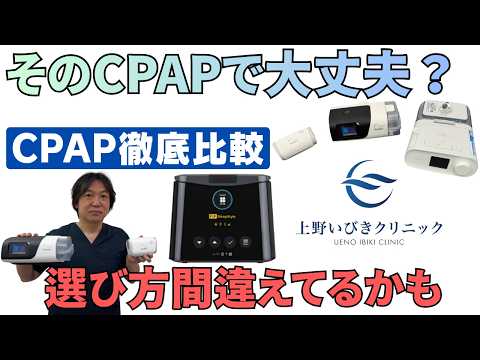
You’ll Want to Know This! A Complete Comparison of 5 CPAP Types — What Doctors Really Look For
Our doctor compares five different CPAP machines side by side and explains what actually matters when choosing one.
Watch the video
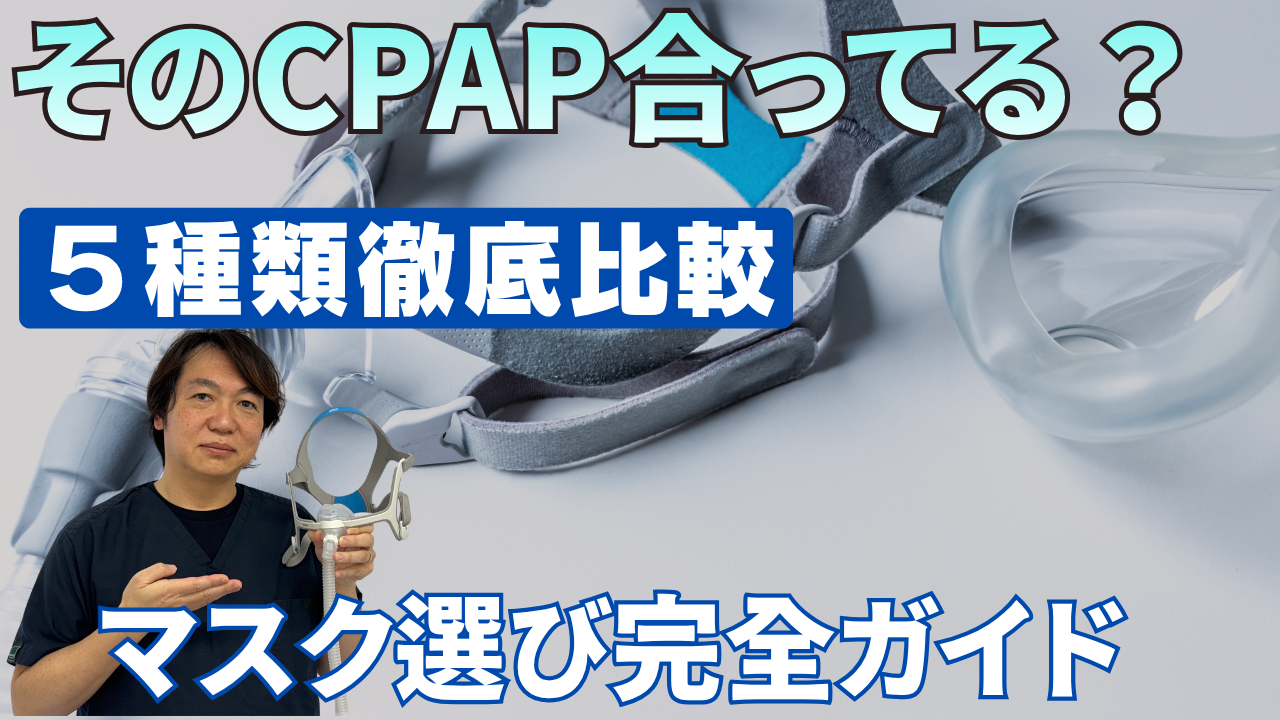
A Complete Comparison of CPAP Masks
We tried on and reviewed five different types of CPAP masks. 90% of CPAP comfort comes down to the mask.
Watch the video
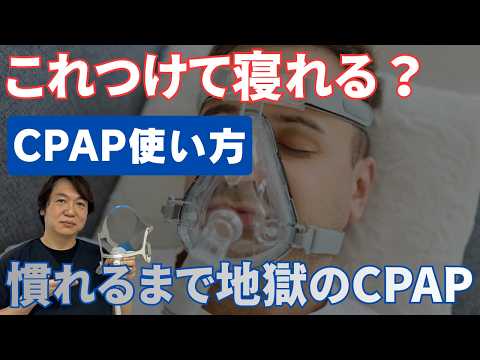
Do you have to use CPAP forever? A specialist explains how to use CPAP
A detailed explanation of how to use CPAP, with a real demonstration of what it feels like to wear the device.
Watch the video
Ueno Snoring Clinic was featured on Fuji TV’s “Live News It!” and on FNN Prime Online
Watch our clinic’s examination and explanation of sleep disorders, snoring, and sleep apnea.
Watch the video
Ueno Snoring Clinic was featured in an article on Nippon TV’s “news every.”
Please take a look as a starting point for thinking about getting evaluated for snoring, sleep apnea, or other sleep disorders.
Read the article
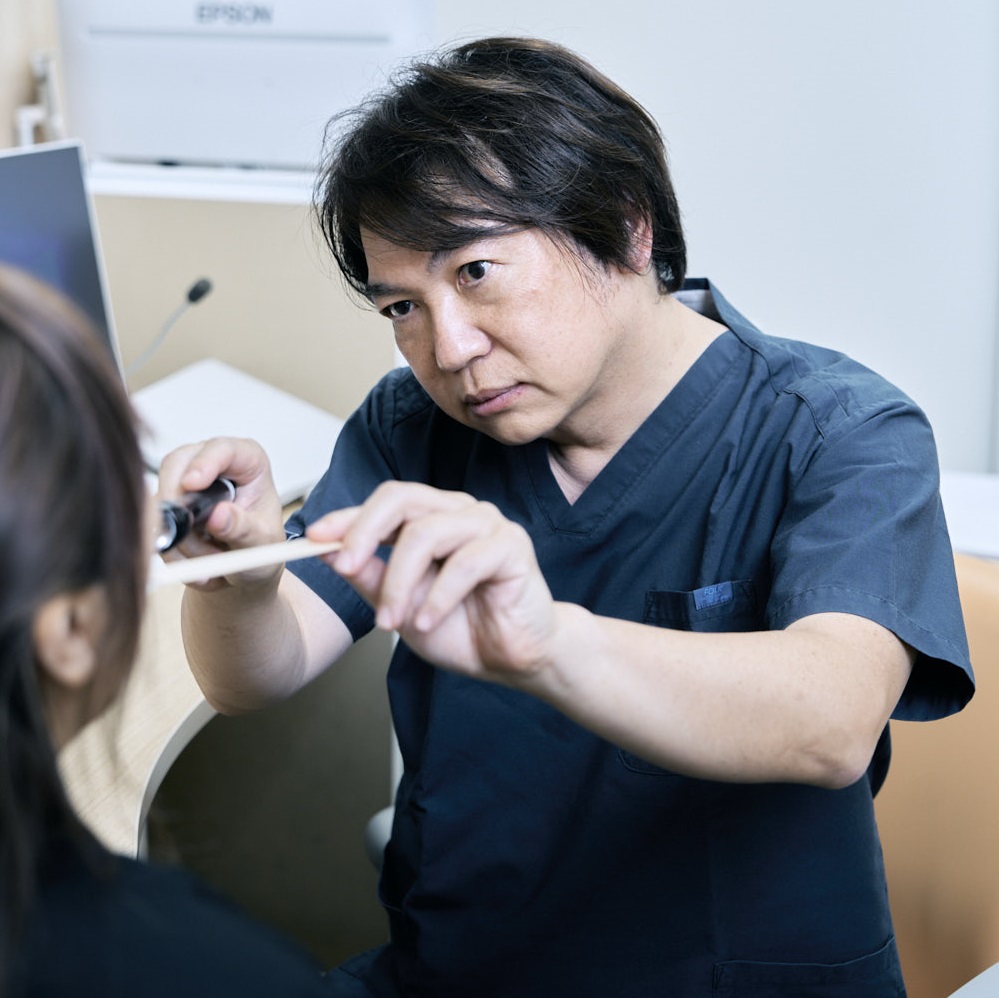
Reviewed by Our Director
Kazuyuki Sugaya
Director, Ueno Snoring Clinic / Anesthesiologist
Our director, with over 20,000 general anesthesia cases, focuses primarily on the diagnosis and treatment of snoring and sleep apnea, offering care tailored to each patient. [Insurance-Covered] Ueno Snoring Clinic
In this article, our Director, Kazuyuki Sugaya, explains the causes and risks of snoring, the difference between insurance-covered and self-pay care, the path from testing to treatment, and how to choose a clinic.
🩺Comprehensive Snoring Treatment at Ueno Snoring Clinic
At Ueno Snoring Clinic, we first use simplified testing or PSG to check whether sleep apnea lies behind your snoring, then propose a treatment plan that fits your results and symptoms.
Insurance-Covered: Thorough Testing and Ongoing Treatment
- Simplified testing: Screening for apnea that you can do at home
- PSG testing: A detailed study that includes brain waves, also done at home
- CPAP treatment: The standard treatment for apnea that meets insurance criteria
Self-Pay: Address the Root Cause, Short-Term Focus
- Snoring laser treatment: For people whose testing confirms simple snoring
- Medically supervised weight loss: An option when weight gain is a contributing factor
*Treatment suitability and costs depend on your test results, symptoms, and insurance criteria. We explain the details at your consultation.
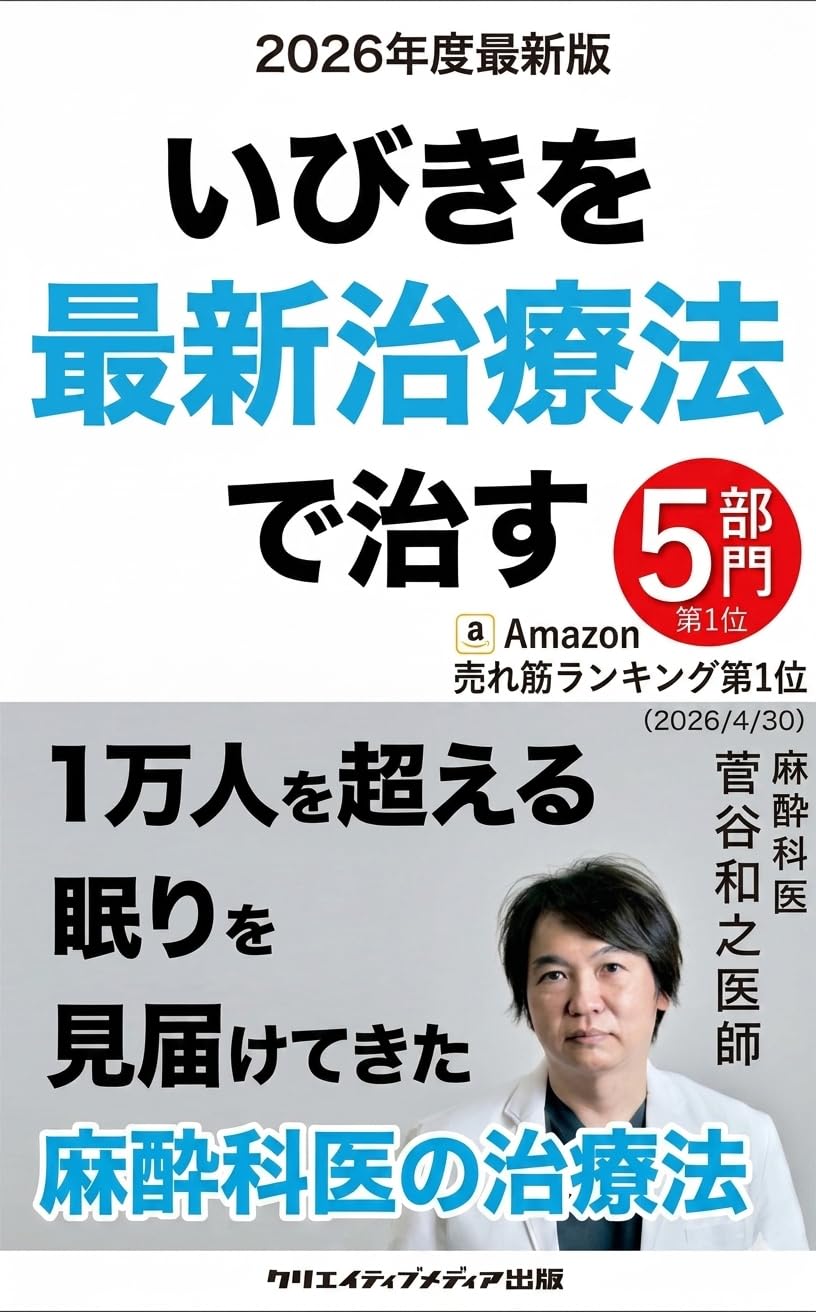
Our Director’s book, “Curing Snoring with the Latest Treatments” (an Amazon Japan bestseller — #1 in General Medicine, #1 in Clinical Internal Medicine, #2 in Family Health & Wellness), covers every stage of snoring treatment in more detail.
New Book by Our Director
“Curing Snoring with the Latest Treatments”
A guide to the latest snoring treatments, written by an anesthesiologist who has overseen the sleep of more than 10,000 patients.
View on Amazon
Quick Answer
Snoring treatment should start with testing. Snoring can hide sleep apnea that needs treatment, so the first step is to confirm the cause and severity with a sleep test (simplified testing or PSG) and then choose treatment based on the results. If you are diagnosed with sleep apnea and meet the criteria, insurance-covered CPAP is the standard option; if testing confirms simple snoring without significant apnea, self-pay laser treatment is one of the options. At Ueno Snoring Clinic, both simplified testing and PSG can be done at home, with no hospital stay.
📋 What This Article Covers
- Why snoring happens, and the risks not to overlook
- Insurance-covered or self-pay: which treatment applies to you?
- The path from testing to treatment
- Five points for choosing a snoring clinic
- Ueno Snoring Clinic: key information and our Director
- Frequently asked questions
1. Why Does Snoring Happen, and What Risks Should You Not Overlook?
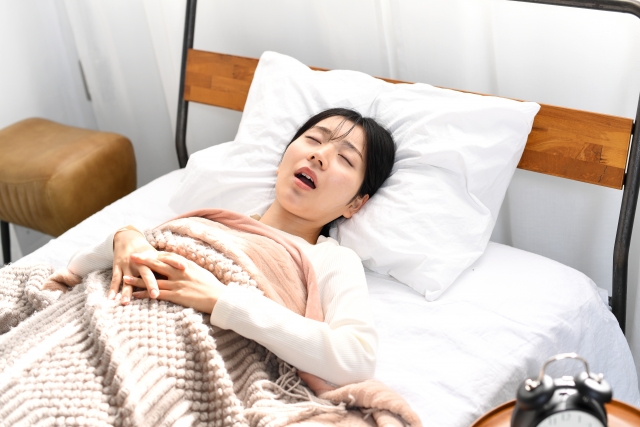
Snoring is the sound made when the airway narrows during sleep and the tissue around the narrowed section vibrates. The causes fall broadly into three groups.
| Category |
Main causes |
| Structural factors |
Age-related loss of muscle tone, a large tongue, the shape of the throat, a small jaw, and so on |
| Lifestyle factors |
Fat around the throat from weight gain, alcohol, a habit of sleeping on your back, and so on |
| Conditions not to overlook |
Sleep apnea, including “silent” sleep apnea with little snoring and snoring in women around menopause |
Some people snore loudly yet have simple snoring, without sleep apnea. Others snore quietly but still stop breathing during sleep. Because you can’t judge by volume alone, a test is the reliable way to find out.
Sleep apnea has been linked to high blood pressure and other cardiovascular problems. A scientific statement from the American Heart Association reports that obstructive sleep apnea is found in roughly 40–80% of people with high blood pressure, and recommends screening for it in people whose blood pressure is hard to control. If your symptoms are strong, we recommend seeing a doctor early.
For more, see Snoring & Hypertension: The Hidden Link, Why Snoring Is More Than Just Noise, No Snoring, But Still Sleep Apnea?, and Female Snoring.
2. Insurance-Covered or Self-Pay: Which Treatment Applies to You?
Snoring treatment in Japan divides broadly into insurance-covered care and self-pay care. Which applies to you is decided by your test results.
| Item |
Insurance-covered |
Self-pay |
| What’s included |
Simplified testing, PSG (detailed sleep study), CPAP treatment |
Snoring laser treatment (Dual Deep Thermia), among others |
| Who it’s for |
People diagnosed with sleep apnea by testing who meet the insurance criteria |
People whose testing confirms simple snoring, people who could not tolerate CPAP, and others |
| Criteria |
CPAP guide since the June 2026 revision: AHI 30+ on simplified testing, AHI 15+ on PSG (other conditions may apply) |
Decided with your doctor after testing |
| Approximate cost |
CPAP: roughly ¥4,000–¥5,000 a month with 30% copayment, plus consultation fees (varies) |
Depends on the number of sessions and treatment; explained at consultation |
| Visits and hospital stay |
CPAP needs regular follow-up visits; testing can be done at home |
No hospital stay needed |
Insurance-Covered Care: Testing and CPAP
Simplified testing and PSG, a detailed study that also records brain waves, are both available under insurance. If you have sleep apnea and meet the criteria, CPAP is the standard treatment. CPAP gently blows air through a mask while you sleep to hold the airway open, and it works while you are using it.
In the revision of Japan’s medical fee schedule that took effect in June 2026, the AHI thresholds used as a guide for insurance-covered CPAP were lowered: from 40 to 30 on simplified testing, and from 20 to 15 on PSG. Some people who were previously outside the criteria may now qualify.
For costs and how CPAP works day to day, see CPAP Treatment in Japan: How It Works, Cost, Insurance Coverage, and Alternatives.
Self-Pay Care: Laser Treatment (Dual Deep Thermia)
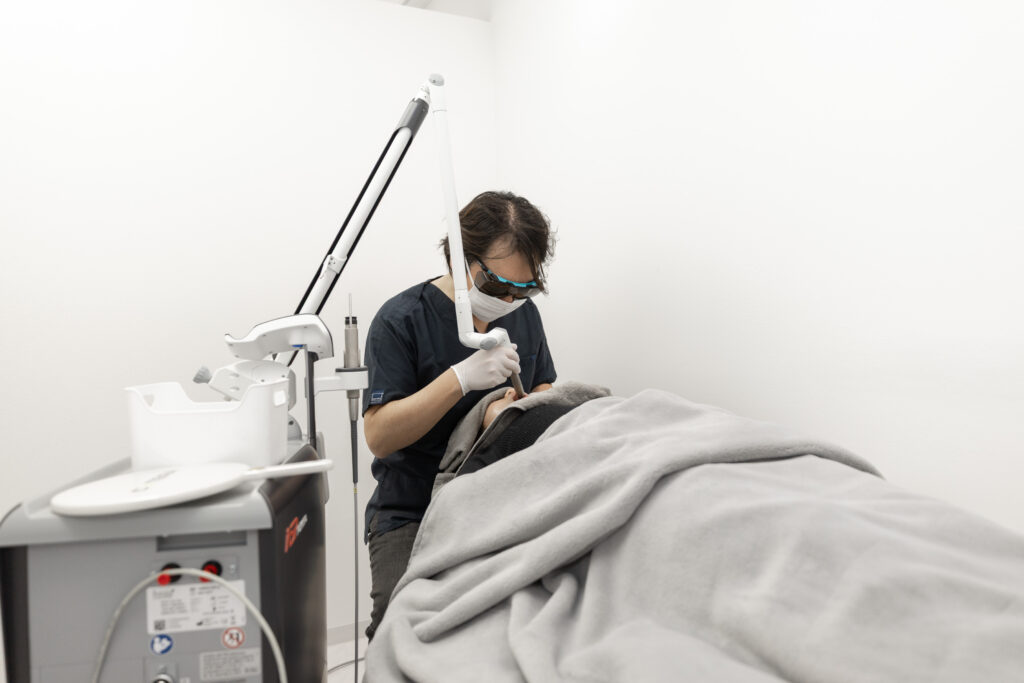
Snoring laser treatment is a self-pay outpatient treatment with no hospital stay. It is considered for people whose testing confirms simple snoring and for people who could not tolerate CPAP. Results and recovery vary from person to person, and we explain costs and risks at a consultation beforehand.
For details, see Dual Deep Thermia® Laser Snoring Treatment in Tokyo. Pricing is available on our English website.
Be cautious if laser treatment is recommended without any testing.
Some people with loud snoring turn out to have sleep apnea with a high AHI. If laser treatment is done without testing, apnea that needs treatment can be missed, because quieter snoring does not mean the breathing problem is gone.
3. The Path From Testing to Treatment
| Step |
What happens |
Key point |
| 1. Consultation and booking |
Book online, via LINE, or by phone (appointment only; same-day booking possible) |
We ask about your symptoms and concerns |
| 2. Testing |
Simplified testing or a detailed sleep study (PSG) |
At our clinic, both can be done at home, with no hospital stay |
| 3. Results and diagnosis |
We assess whether you have sleep apnea from your AHI and other results, together with your symptoms |
AHI can vary from night to night, so we may suggest retesting or a different type of test when needed |
| 4. Treatment |
CPAP if you meet the criteria; laser treatment and other options if testing confirms simple snoring |
We suggest what suits you from both insurance-covered and self-pay options |
| 5. Follow-up |
Checking how you are using CPAP, and adjusting the mask or settings |
If something doesn’t feel right, talk to us before giving up |
For the difference between the two tests, see Simplified Sleep Test vs. PSG. For what AHI numbers mean, see What Is AHI? Sleep Apnea Scores of 5, 15, 20 & 30 Explained.
4. Five Points for Choosing a Snoring Clinic
Snoring treatment works best when testing and treatment are handled as one continuous process. When choosing a clinic, check these five points:
- Is treatment decided after testing? Be wary of being offered laser or other treatment without any test.
- Are there doctors with relevant expertise? For example, anesthesiologists or sleep specialists who know airway management and sleep medicine well.
- Is there a range of options? Does the clinic propose care from both insurance-covered and self-pay options, rather than pushing one treatment?
- Is testing easy to access? For example, can it be done at home, keeping the burden of time and cost low?
- Is information transparent? Are costs, risks, and the doctors’ careers and publications made public?
If you’re unsure which type of clinic to visit, see Where to See a Doctor for Snoring and Sleep Apnea in Tokyo: A Guide for Foreign Patients.
5. Ueno Snoring Clinic: Key Information and Our Director
| Item |
Details |
| Clinic |
Ueno Snoring Clinic (a sleep-disorder clinic specializing in snoring and sleep apnea) |
| Director |
Kazuyuki Sugaya, anesthesiologist |
| Services |
Insurance-covered: simplified testing, PSG (at home), CPAP. Self-pay: snoring laser treatment (Dual Deep Thermia), medically supervised weight loss, and more |
| Address |
5F Ueno Silk Building, 4-8-8 Ueno, Taito-ku, Tokyo 110-0005, Japan |
| Access |
3 min walk from JR Ueno Station (Shinobazu Exit); 1 min from Keisei Ueno Station; 5 min from JR Okachimachi Station |
| Hours |
10:00–19:30 (reception 10:00–19:00) |
| Closed |
Wednesdays (open on Sundays and public holidays) |
| Booking |
Appointment only; same-day booking possible (online, LINE, or phone) |
| Phone |
0120-899-930 |
About Our Director
Kazuyuki Sugaya has administered general anesthesia in more than 20,000 cases as an anesthesiologist, working closely with airway and breathing management. Drawing on his experience of overseeing the sleep of more than 10,000 patients, he now focuses on snoring and sleep apnea. His book, “Curing Snoring with the Latest Treatments,” has ranked first in several categories of Amazon Japan’s bestseller lists (rankings change over time).
Summary: Start With a Test, Then Choose Your Treatment
Snoring comes from a narrowed, vibrating airway, but loud snoring and sleep apnea are not the same thing, and the volume of your snoring alone can’t tell you which you have. That is why snoring treatment begins with a sleep test.
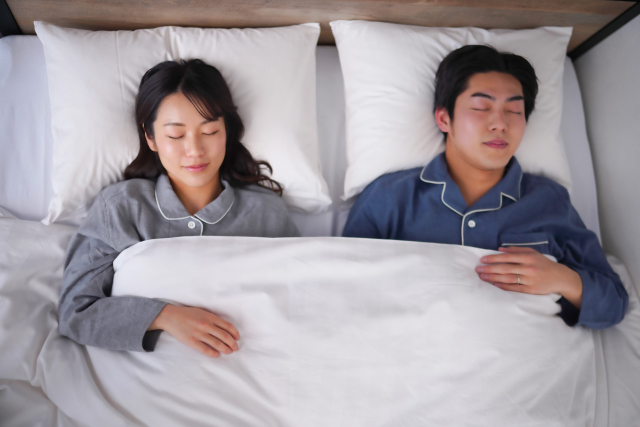
If testing shows sleep apnea that meets the criteria, insurance-covered CPAP is the standard path; if it confirms simple snoring, self-pay laser treatment becomes an option. Snoring your family has pointed out is a good reason to take a fresh look at your sleep, and at our clinic, both tests can be done at home.
Find Out What’s Behind Your Snoring
A sleep test tells us the cause of your snoring, and both simplified testing and PSG can be done at home. We’ll then guide you through insurance-covered and self-pay options. By appointment only; same-day appointments are often available.
Frequently Asked Questions
Q. What kind of clinic should I go to for snoring treatment?
A. A good starting point is a clinic that specializes in snoring and sleep apnea, such as a sleep-disorder clinic. Ueno Snoring Clinic handles everything from testing to treatment, and offers both insurance-covered care (simplified testing, PSG, CPAP) and self-pay care (laser treatment and more).
Q. Is snoring treatment covered by insurance?
A. Sleep apnea testing (simplified testing and PSG) and CPAP treatment are covered by Japanese health insurance when the criteria are met. Since the June 2026 revision, the guide for insurance-covered CPAP is an AHI of 30 or more on simplified testing, or 15 or more on PSG. Snoring laser treatment and similar treatments are self-pay.
Q. Is it OK to have laser treatment without testing first?
A. We don’t recommend it. Some people with loud snoring have sleep apnea with a high AHI, which can be missed without testing. The basic approach is to check your condition with a test first, and consider laser treatment once simple snoring has been confirmed.
Q. Do I need to stay in hospital for a detailed sleep study (PSG)?
A. At our clinic, both simplified testing and PSG can be done at home. There is no time or cost burden from a hospital stay, and you can be tested in your own bedroom.
Q. Will I need CPAP for the rest of my life?
A. CPAP controls sleep apnea and works while you are using it. How long to continue, and what to do if it doesn’t suit you (changing the mask, managing weight, or considering other treatment), depends on your symptoms and test results, so please discuss it with your doctor.
Q. What are Ueno Snoring Clinic’s hours, and how do I book?
A. We are open 10:00–19:30 (reception 10:00–19:00) and closed only on Wednesdays, including being open on Sundays and public holidays. We are appointment-only, with same-day booking possible, online, via LINE, or by phone (0120-899-930).
*This article is a general explanation, written for a broad audience and based on the sources above together with our clinic’s own clinical experience. It is not a substitute for medical advice. Insurance criteria, costs, treatment suitability, and results vary with individual circumstances. If you are concerned about snoring or sleep apnea, please consult a medical institution for a proper evaluation.






いびきを最新治療で治す-表紙-1.png)