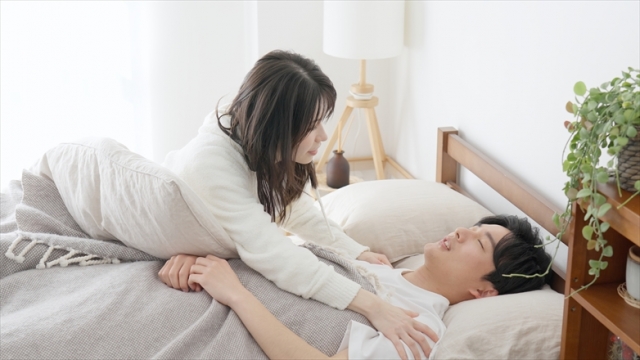

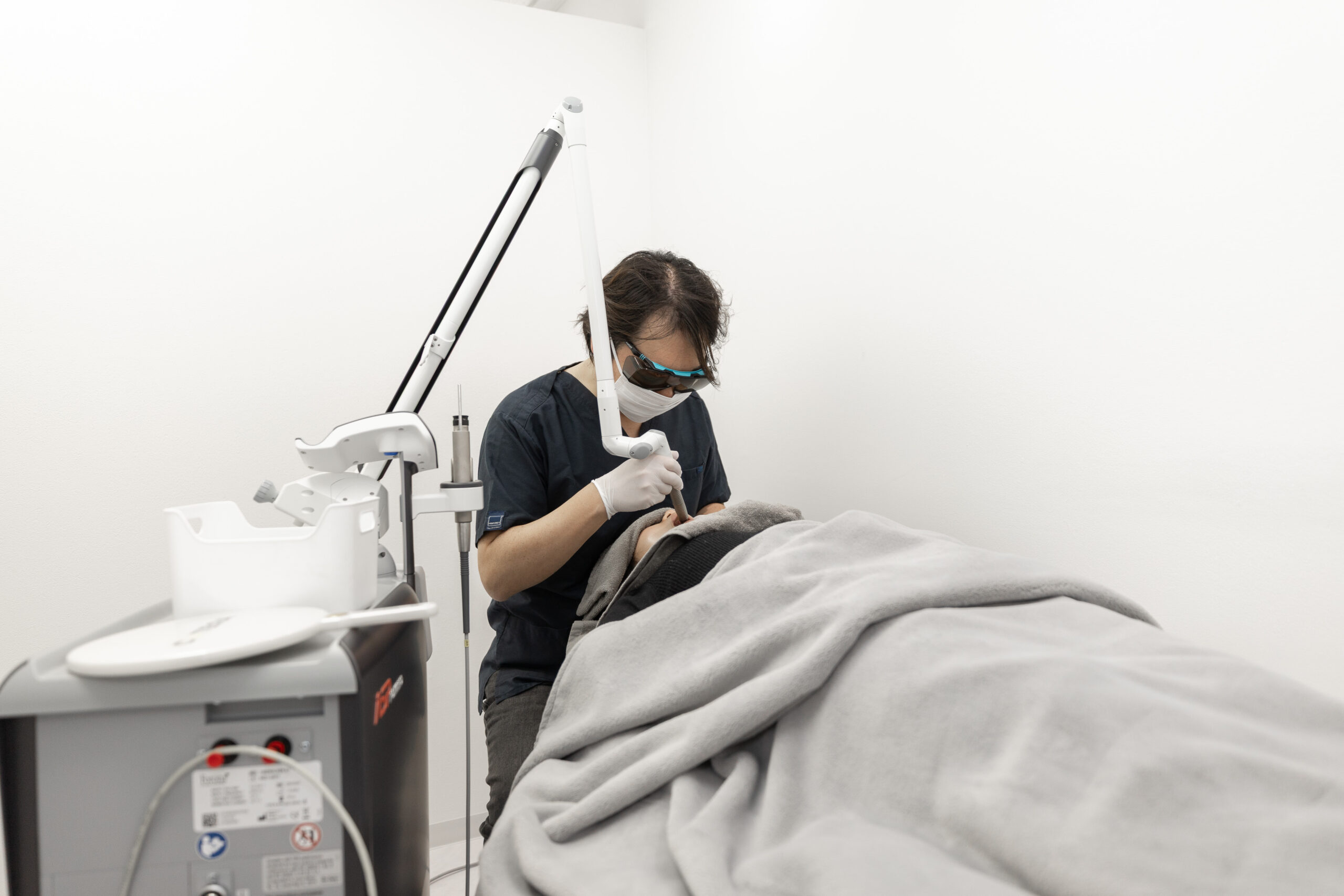
Many people believe that snoring is simply a “nose problem.” Nasal congestion is certainly important, but in many patients, the actual sound of snoring is produced in the throat and upper airway, not only in the nose.
Quick Answer
Throat laser treatment may help snoring because snoring is caused by vibration of soft tissues in the upper airway, especially the soft palate, uvula, and pharyngeal wall. Dual Deep Thermia® gently heats these tissues without cutting them, promoting collagen contraction and remodeling. This may tighten the airway tissues, reduce vibration, and make snoring less frequent or less loud. It is not a substitute for CPAP in severe obstructive sleep apnea, but it may be an option for suitable patients with snoring or mild to moderate sleep-disordered breathing.
At Ueno Snoring Clinic, we offer options tailored to your condition, including insurance-covered sleep testing and CPAP management, as well as self-pay laser snoring treatment. If you would like to find the treatment that suits you, please start with an initial consultation.
You can find details on the examinations and treatments at Ueno Snoring Clinic here

Supervised by the Director
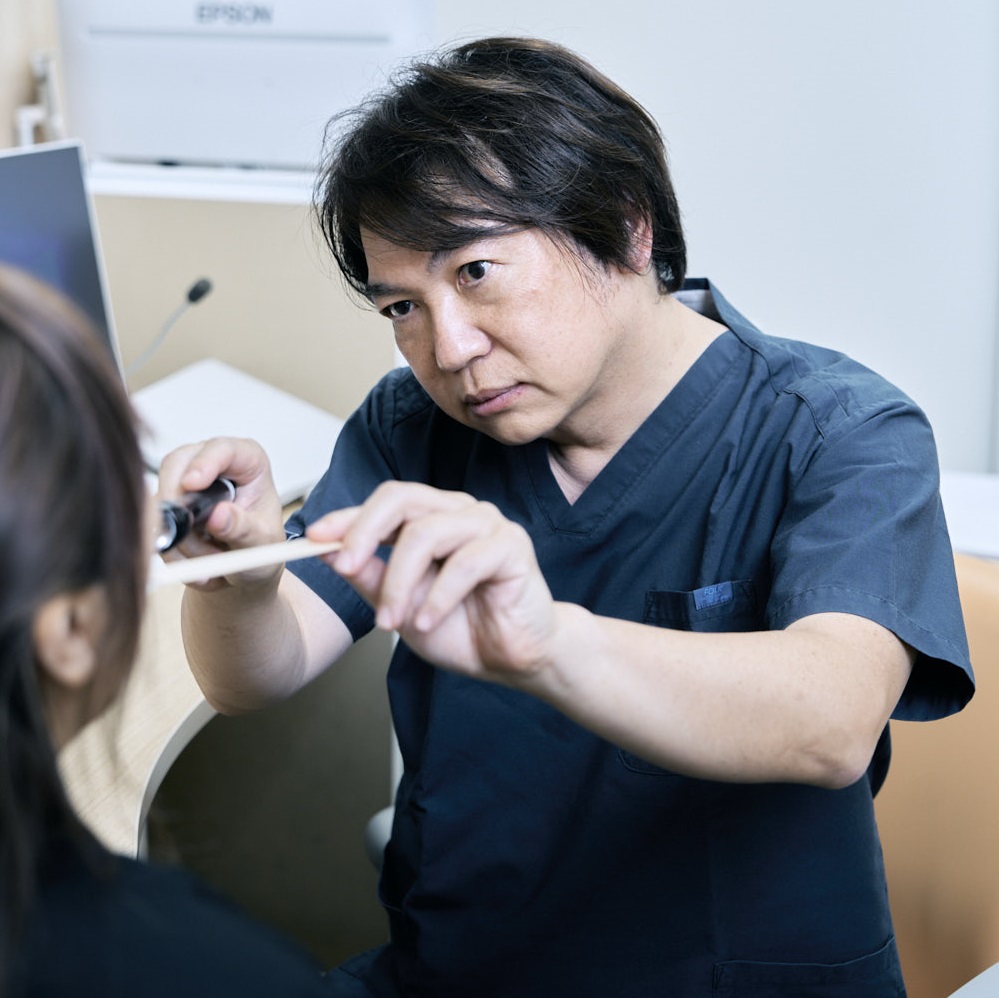
Kazuyuki Sugaya
Director, Ueno Snoring Clinic / Anesthesiologist
With experience in over 20,000 cases of general anesthesia, the director focuses primarily on the treatment of snoring and sleep apnea, providing care tailored to each individual patient. Ueno Snoring Clinic
This article has been supervised by Director Kazuyuki Sugaya to clearly explain accurate medical information regarding examinations and treatments for snoring, obstructive sleep apnea syndrome, and related conditions.
🩺Comprehensive Snoring Treatment at Ueno Snoring Clinic
Snoring has a wide range of causes, including throat anatomy, tongue position, nasal congestion, obesity, alcohol, sleeping posture, and sleep apnea. At Ueno Snoring Clinic, we provide a personalized treatment plan rather than relying on one single method.
Laser snoring treatment without surgery
- Dual Deep Thermia®: Non-surgical laser snoring treatment
- No cutting or hospitalization: Suitable for selected patients seeking minimal downtime
Sleep testing and medical evaluation
- Home sleep test / PSG: Evaluating breathing during sleep
- CPAP therapy: Standard treatment for moderate to severe obstructive sleep apnea
*As a clinic specializing in snoring treatment in Tokyo, we support patients through both self-pay laser treatment and insurance-covered medical evaluation when appropriate.
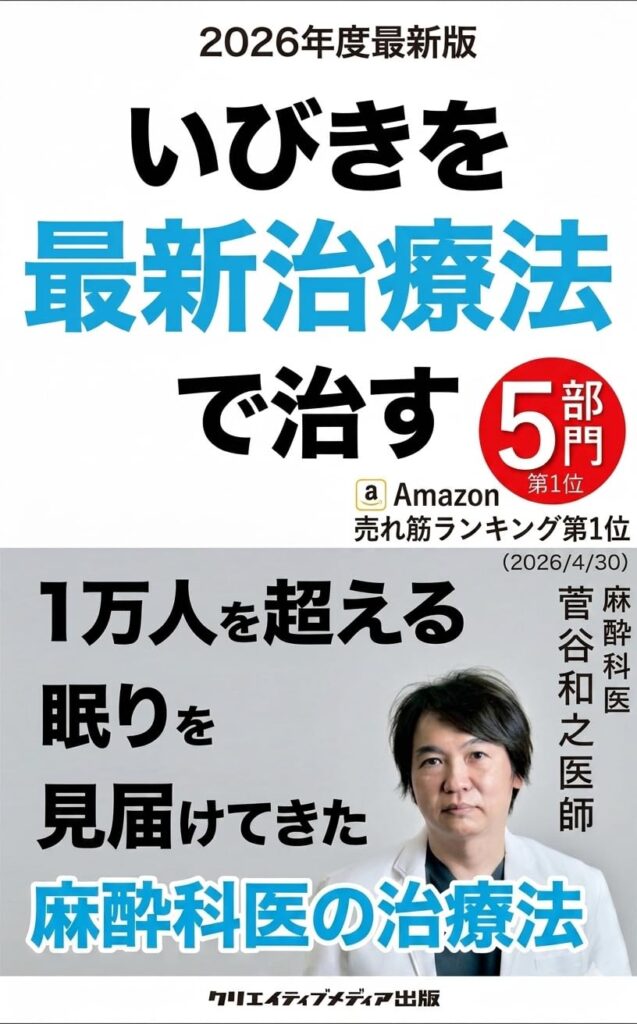
いびきを最新治療で治す-表紙-1.png)
New Book by the Director
“Treating Snoring with the Latest Treatment Methods”
The definitive guide to the latest snoring treatments, explained by an anesthesiologist who has overseen the sleep of more than 10,000 people.
Is Snoring Really a Nose Problem?
One common misunderstanding is that snoring is caused only by the nose. Nasal congestion, allergic rhinitis, sinusitis, and mouth breathing are certainly important. However, in many patients, the main source of the snoring sound is located in the upper airway of the throat.
Snoring occurs when the airway becomes narrow and air passes through it during sleep. As the air flows through the narrowed passage, the surrounding mucosa and soft tissues vibrate. This vibration produces the snoring sound.
In other words, the essence of snoring is a combination of:
- Narrowing of the upper airway
- Loose or easily vibrating soft tissue
- Reduced muscle tone during sleep
This is why modern laser snoring treatment focuses not only on opening the airway, but also on making the soft tissues less likely to vibrate.
Where Does Snoring Sound Come From?
The sound of snoring is usually produced by vibration of soft tissues in the upper airway. The most important areas include:
- Soft palate: The soft tissue at the back of the roof of the mouth
- Uvula: The small hanging structure at the back of the throat
- Palatal arches and pharyngeal side walls: The side walls of the throat
- Tongue base: The back of the tongue, which may fall backward during sleep
During sleep, muscle tone naturally decreases. The throat tissues that remain firm while awake may become loose and unstable during sleep. When air passes through these relaxed tissues, they may flutter and vibrate.
Therefore, improving snoring often requires two approaches:
- Making the airway less narrow
- Making the soft tissues less likely to vibrate
Throat laser treatment is designed mainly for the second goal: reducing tissue looseness and vibration.
Why Heating the Throat Tissue May Reduce Snoring
The basic concept of Dual Deep Thermia® is to gently heat the mucosal and soft tissue layers of the upper airway without damaging the surface. This controlled heating aims to promote collagen contraction and remodeling.
Collagen is a structural protein that supports firmness and elasticity in skin and mucosa. In aesthetic medicine, controlled heating is widely used for tissue tightening. A similar principle can be applied to the soft tissues of the throat.
When collagen fibers contract and remodel, the soft palate and pharyngeal tissues may become firmer. As a result, the airway becomes more stable and the tissues may vibrate less during sleep.
The key point is that this treatment is not based on cutting, burning away, or removing tissue. It is based on changing tissue quality and restoring firmness from within.
What Is Dual Deep Thermia®?
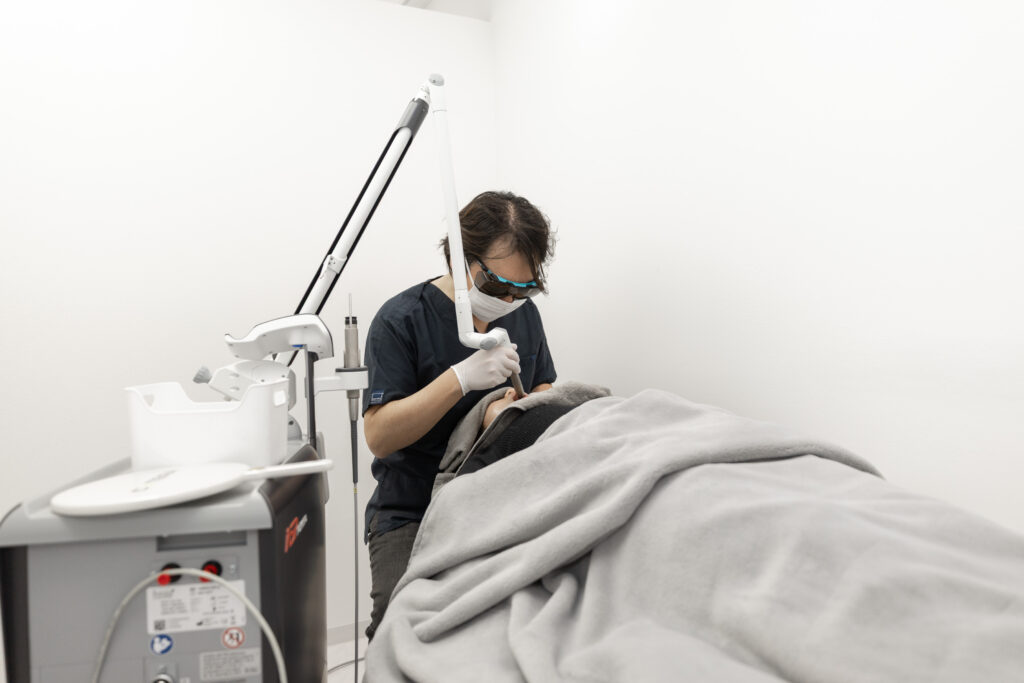
Dual Deep Thermia® is a non-surgical laser treatment that applies controlled heat to the upper airway mucosa. Its goal is to reduce looseness and vibration of the soft palate, uvula, and pharyngeal side walls.
It is designed for patients who want a treatment option that is:
- Non-surgical
- Low downtime
- No cutting or suturing
- No hospitalization
- Focused on throat tissue vibration
Laser treatment may be suitable for selected patients with simple snoring, soft palate vibration, or mild to moderate obstructive sleep apnea. However, suitability depends on anatomy, sleep test results, severity of apnea, nasal condition, tongue base collapse, body weight, and lifestyle factors.
How Dual Deep Thermia® Differs from Conventional Laser Treatment
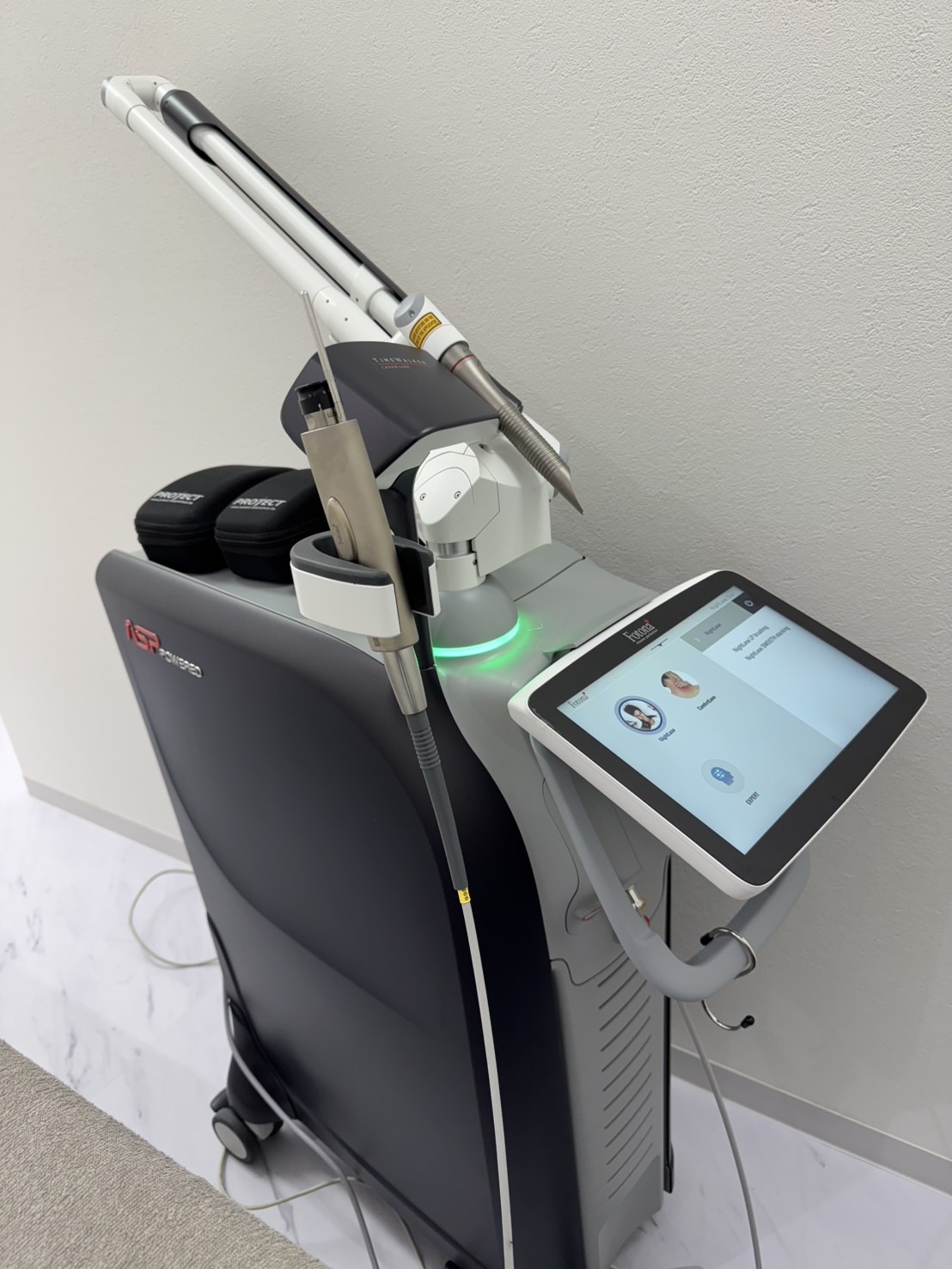
At Ueno Snoring Clinic, Dual Deep Thermia® refers to a treatment concept based on Dual wavelengths, Deep tissue heating, and Thermia, meaning controlled warming.
The treatment is designed to deliver heat not only to the superficial mucosal layer, but also to deeper soft tissue layers. By using two different laser wavelengths, the aim is to provide more efficient and longer-lasting tissue remodeling than a single-layer approach.
In simple terms, Dual Deep Thermia® is designed to:
- Warm the surface mucosa gently
- Deliver heat to deeper soft tissue layers
- Promote collagen contraction and remodeling
- Reduce soft palate and throat vibration
- Improve upper airway stability over time
This is why Dual Deep Thermia® may be considered a modern option for patients searching for laser snoring treatment, non-surgical snoring treatment, NightLase alternative, or snoring treatment in Tokyo.
Who May Be a Good Candidate?
Upper airway laser treatment may be suitable when the main problem is vibration or looseness of the throat tissues. Possible candidates include patients who:
- Have loud snoring as the main concern
- Have simple snoring without severe sleep apnea
- Have mild to moderate sleep-disordered breathing
- Have visible looseness of the soft palate or uvula
- Want to avoid surgery
- Want minimal downtime
- Cannot tolerate an oral appliance
- Want to reduce snoring sound for partner or travel-related concerns
However, medical evaluation is important before deciding on treatment. The same snoring sound can come from different anatomical causes.
Who Should Consider CPAP or Other Treatment First?
Laser treatment is not a universal cure for all snoring or sleep apnea. Patients with severe obstructive sleep apnea usually require standard medical treatment, such as CPAP therapy.
Laser treatment alone may be insufficient when the main cause is:
- Severe obstructive sleep apnea
- Marked oxygen desaturation during sleep
- Strong tongue base collapse
- Severe obesity
- Major jaw or skeletal narrowing
- Severe nasal obstruction
- Extremely enlarged tonsils or structural obstruction
In such cases, Dual Deep Thermia® may be considered as an adjunctive or supportive treatment, but not as a replacement for medically necessary CPAP therapy.
Snoring Treatment Is a “Team Strategy”
Snoring often looks like a single problem, but it is usually caused by multiple factors. A practical treatment plan should consider:
- Nose: allergic rhinitis, nasal septum, nasal obstruction, mouth breathing
- Throat: soft palate looseness, uvula vibration, narrow pharyngeal side walls
- Tongue base: backward tongue collapse during sleep
- Weight: fat around the neck and throat
- Jaw structure: small jaw or receding lower jaw
- Lifestyle: alcohol, sleep deprivation, back sleeping, sedative medication
This is why Ueno Snoring Clinic does not treat Dual Deep Thermia® as a single “magic solution.” Instead, we evaluate the cause and design a treatment plan that may combine laser treatment, sleep testing, CPAP, nasal care, weight management, positional therapy, oral appliances, or lifestyle changes when appropriate.
Comparison: Laser Treatment, CPAP, Oral Appliance, and Surgery
| Treatment | Main Purpose | Suitable For | Limitation |
|---|---|---|---|
| Dual Deep Thermia® | Reduce soft tissue vibration | Simple snoring, soft palate vibration, selected mild to moderate cases | Not a stand-alone treatment for severe sleep apnea |
| CPAP | Keeps airway open with air pressure | Moderate to severe obstructive sleep apnea | Requires nightly mask use |
| Oral appliance | Moves lower jaw forward | Selected mild cases or jaw-related snoring | May cause jaw discomfort |
| Surgery | Removes or reconstructs obstructing tissue | Selected anatomical obstruction | Pain, bleeding, downtime, surgical risk |
Why International Patients Choose Ueno Snoring Clinic
- English-speaking doctor: Medical consultation is available in English
- Convenient Tokyo location: Near Ueno Station
- Non-surgical laser snoring treatment: Suitable for selected patients who want minimal downtime
- Sleep apnea evaluation: Medical assessment when snoring may be a sign of apnea
- International patients welcome: Helpful for foreign residents and visitors in Japan
- Personalized treatment plan: CPAP, laser, sleep testing, lifestyle care, and weight management are considered based on the cause
Frequently Asked Questions
Q. Why can throat laser treatment reduce snoring?
A. Snoring is caused by vibration of soft tissues in the upper airway. Laser treatment gently heats these tissues to promote tightening and reduce vibration.
Q. Is Dual Deep Thermia® a surgery?
A. No. It does not involve cutting, suturing, or removing tissue. It is a non-surgical outpatient laser treatment.
Q. Is laser treatment painful?
A. Many patients describe it as warmth or mild discomfort rather than strong pain. Individual sensitivity varies.
Q. How many sessions are needed?
A. Multiple sessions are usually recommended because collagen remodeling occurs gradually over time. The number of sessions depends on anatomy and severity.
Q. Can laser treatment replace CPAP?
A. For severe obstructive sleep apnea, CPAP is generally the standard treatment. Laser treatment should not be considered a simple replacement without medical evaluation.
Q. Is this treatment suitable for tourists?
A. International visitors may consult Ueno Snoring Clinic. Treatment suitability depends on symptoms, airway evaluation, medical history, and schedule.
Q. Is English consultation available?
A. Yes. Ueno Snoring Clinic provides English consultation for international patients and foreign residents in Japan.
Summary: Laser Works by Making the Throat Less Likely to Vibrate
The logic behind Dual Deep Thermia® is simple. Snoring is caused when relaxed upper airway tissues vibrate during sleep. If the soft palate, uvula, or throat wall becomes firmer and less loose, vibration may decrease.
Dual Deep Thermia® aims to gently heat the throat tissue, promote collagen contraction and remodeling, and stabilize the upper airway without cutting or removing tissue.
For patients searching for laser snoring treatment in Tokyo, non-surgical snoring treatment in Japan, NightLase alternative, CPAP alternative for snoring, or an English-speaking snoring clinic near Ueno Station, Ueno Snoring Clinic provides individualized evaluation and treatment planning.
Book a Laser Snoring Consultation in Tokyo
If you are concerned about snoring, sleep apnea, CPAP intolerance, or want to explore non-surgical laser snoring treatment, please consult Ueno Snoring Clinic.
*The applicability of insurance vs. self-pay treatment differs depending on your symptoms and test results. The important first step is to check your current condition.
References
- Clinical reports on non-ablative Er:YAG laser treatment for snoring and obstructive sleep apnea.
- Studies on NightLase-style soft palate laser therapy and snoring reduction.
- Guidelines on diagnosis and treatment of obstructive sleep apnea.
- Evidence on CPAP therapy for moderate to severe obstructive sleep apnea.
- Research on upper airway anatomy, soft palate vibration, tongue base collapse, and sleep-disordered breathing.