



My SnoreLab score was very high. Is that dangerous?”


🩺Comprehensive Snoring Treatment at Ueno Snoring Clinic
Snoring may be caused by many factors, including throat anatomy, tongue position, nasal obstruction, obesity, alcohol, and sleeping posture. At Ueno Snoring Clinic, we evaluate the cause and propose an appropriate treatment plan rather than relying on one treatment for every patient.
Insurance-covered evaluation and continuing care
- Home sleep test and PSG: Objective evaluation of sleep-related breathing
- CPAP treatment: Standard treatment for moderate to severe obstructive sleep apnea
Self-pay treatment for suitable patients
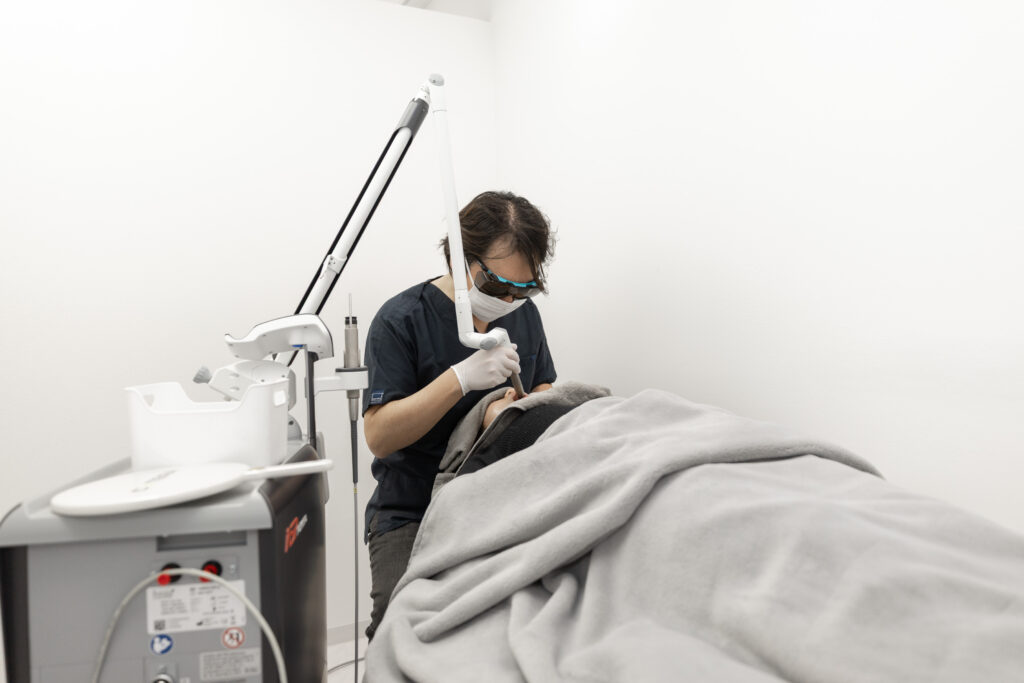
- Dual Deep Thermia®: Non-surgical laser snoring treatment
- Medical weight management: Supporting airway improvement through weight reduction
Medically Reviewed by the Director
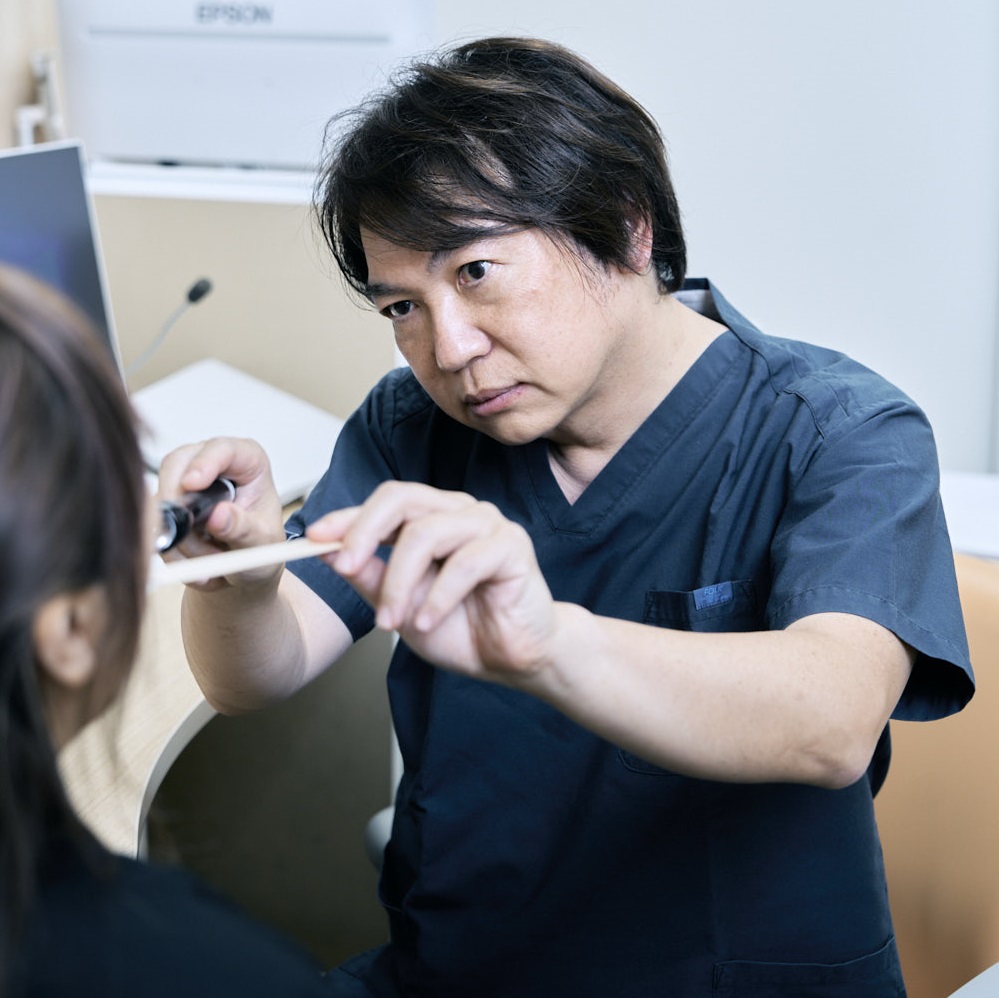
Kazuyuki Sugaya
Director, Ueno Snoring Clinic / Anesthesiologist
With experience in more than 20,000 cases of general anesthesia, Dr. Sugaya applies extensive airway-management knowledge to the diagnosis and treatment of snoring and sleep apnea. Ueno Snoring Clinic
This article has been medically reviewed by Director Kazuyuki Sugaya to explain accurate information about snoring apps, smartphone recordings, sleep apnea testing, and treatment.
いびきを最新治療で治す-表紙-1.png)
New Book by the Director
“Treating Snoring with the Latest Treatment Methods”
A practical guide to sleep apnea, CPAP, sleep testing, and modern snoring treatment.
Can You Trust Your SnoreLab Score?
Common concerns we hear during consultations
- “I became worried after seeing a high score the next morning.”
- “My family says my snoring is extremely loud, but I do not notice it myself.”
- “I have been monitoring my snoring with an app, but I do not know whether that is enough.”
- “Some nights are much worse than others, and I do not know why.”
What Does SnoreLab Actually Measure?
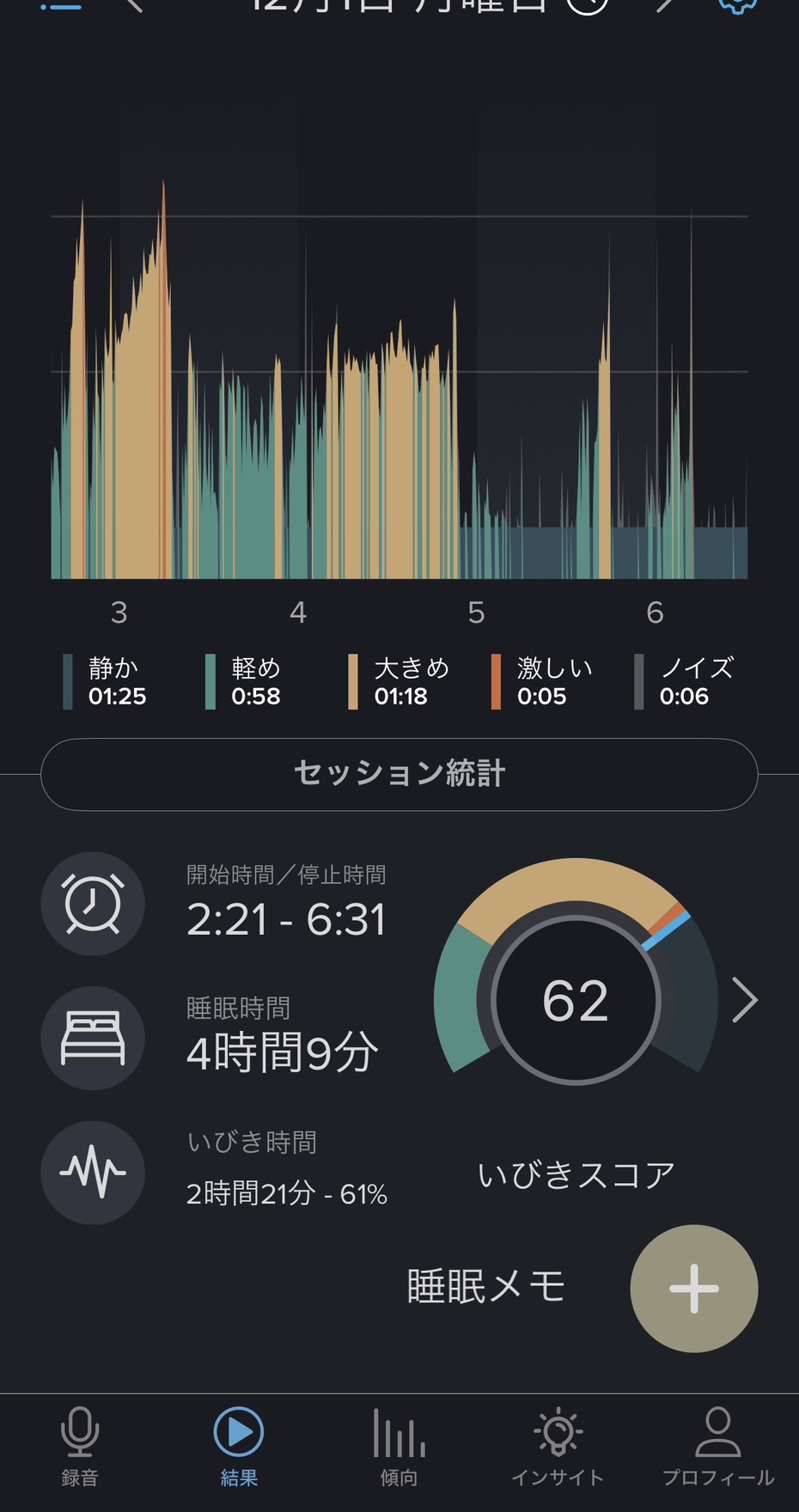
SnoreLab is a smartphone application that records sound while you sleep. The following morning, it shows information such as snoring volume, the time periods when snoring occurred, and a proprietary Snore Score.
You can also record possible contributing factors such as alcohol, sleeping position, nasal congestion, fatigue, or lifestyle changes and compare them with the results.
However, there is one essential point to understand:
A SnoreLab score is not the same as the medical severity of sleep apnea or a sleep disorder.
The app is not designed to diagnose disease or replace a medical sleep test.
A snoring application mainly evaluates sound. It may tell you whether snoring was loud and when it occurred, but sound alone cannot accurately determine:
- How many times breathing stopped
- How far blood oxygen levels dropped
- How much deep sleep was disrupted
- The apnea-hypopnea index (AHI)
- Whether the airway obstruction was medically significant
This is the fundamental difference between a smartphone app and a medical sleep study.
Why a High Score Does Not Always Mean Severe Disease
Some patients visit us because a very high score made them afraid. Seeking medical advice is appropriate, but the score can be strongly affected by the recording environment.
Factors that may affect the score
- Where the smartphone is placed
- The distance between the phone and the bed
- Air conditioner or humidifier noise
- Street noise or other environmental sounds
- A partner’s breathing or movement during the night
- Nasal congestion, allergies, or a cold
- Alcohol consumption
- Sleep deprivation and physical fatigue
The opposite misunderstanding is also important: assuming everything is fine because the score is low.
A pattern we sometimes see in clinical practice
A patient continues monitoring because the app score does not seem very high. However, the patient also has severe daytime sleepiness, hypertension, frequent nighttime urination, or morning headaches. A medical sleep study then reveals moderate or severe obstructive sleep apnea. Apnea can occur even when snoring is not very loud.
On the other hand, a person may have consistently loud snoring but relatively few apnea events. In such cases, simple or primary snoring may be the main problem.
The score alone cannot reliably distinguish between these two situations.
How Is a Medical Sleep Test Different?
A hospital or sleep-clinic examination does not only record sound. It objectively evaluates breathing, oxygen levels, body movement, and sleep state.
| Measurement | SnoreLab / Smartphone App | Medical PSG Sleep Study |
|---|---|---|
| Snoring sound | Yes — recorded by smartphone microphone | Yes — recorded with medical sensors |
| Blood oxygen saturation | No | Yes |
| Brain waves and sleep stages | No | Yes |
| Breathing effort | No | Yes |
| Heart rhythm | No | Yes |
1. Home Sleep Apnea Test
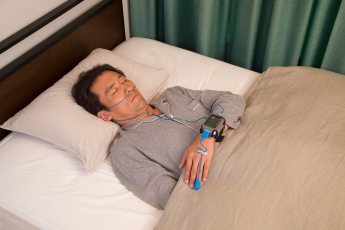
Many patients begin with a simplified home sleep apnea test. The patient takes the device home, attaches the sensors before sleeping, and returns or mails the device according to the clinic’s instructions.
The test records breathing airflow and blood oxygen saturation during the night. This allows the doctor to estimate whether apnea or hypopnea is present and how frequently it occurs.
Home sleep testing at Ueno Snoring Clinic
We provide insurance-covered home sleep testing. This option is suitable for patients who cannot be admitted to a hospital or who want to begin with a convenient evaluation at home.
2. Polysomnography (PSG)
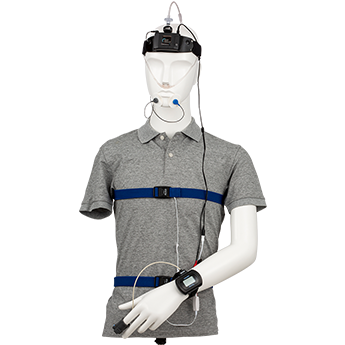
Polysomnography is a more detailed sleep study. It may record brain waves, eye movements, muscle activity, breathing, oxygen saturation, heart rhythm, and other physiological signals.
PSG is useful when a home test does not provide enough information, when symptoms are inconsistent with the initial result, or when another sleep disorder may be present.
At Ueno Snoring Clinic, PSG can also be arranged as an at-home examination.
If a snoring app is an “audio diary,” a medical sleep study is an objective evaluation of the underlying breathing problem. It helps determine the severity and the most appropriate treatment.
How to Tell the Difference Between Simple Snoring and a Warning Sign
The loudness of snoring alone does not determine whether it is medically dangerous. The important question is whether obstructive sleep apnea may be present.
Consider medical consultation if any of the following apply
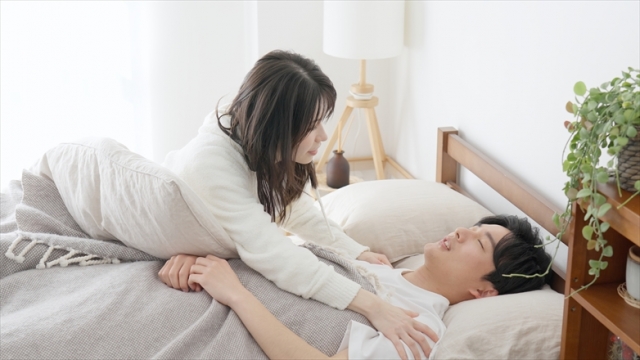
- Your partner or family has seen you stop breathing during sleep
- Your snoring suddenly stops and then restarts with a loud gasp
- You wake with a headache or dry mouth
- You have severe daytime sleepiness
- You become sleepy during meetings, driving, or watching television
- You wake several times at night to urinate
- You remain tired despite getting enough time in bed
- You have hypertension, obesity, or diabetes
From a snoring and sleep apnea specialistIn many cases, the family notices the problem before the patient. This is understandable because the patient cannot observe their own breathing while asleep. If a partner says that breathing stops during sleep, that is an important warning sign. Smartphone recordings and family observations can provide useful information and are worth bringing to the consultation.
Who May Monitor at Home and Who Should See a Doctor?
🟢 Monitoring may be reasonable when:
- Snoring temporarily worsened because of a cold or nasal congestion
- It mainly occurs after alcohol or severe fatigue
- There is little daytime sleepiness
- No one has observed breathing pauses
- You want to first try alcohol reduction, weight management, or side sleeping
🔴 Earlier medical consultation is recommended when:
- Strong snoring occurs almost every night
- Breathing pauses have been observed
- You have morning headaches, dry mouth, or frequent nighttime urination
- You have severe daytime sleepiness or poor concentration
- You have hypertension or obesity
- You drive professionally or operate machinery
Obstructive sleep apnea is not only a noise problem. It may affect daytime performance, driving safety, cardiovascular health, and metabolic health.
Insurance-covered consultation and sleep testing are available.
You are welcome to consult us even if you are not sure whether your symptoms are serious enough.
How to Record Snoring Effectively Before Your Appointment
SnoreLab is convenient, but a standard voice-recording application can also be useful. To improve the value of the recording:
- Place the smartphone near the bed but not directly under the pillow
- Use approximately the same position each night
- Record several nights rather than only one night
- Note whether you drank alcohol
- Record nasal congestion, allergies, or a cold
- Note whether you slept on your back or side
- Save clips that include breathing pauses, gasping, or choking
- Record your sleep and wake times
Do not rely on one unusually good or bad night. Patterns over several nights are more informative.
What Should You Bring to the Doctor?
- Your SnoreLab results or screenshots
- Representative audio recordings
- Information from your partner or family
- Details of daytime sleepiness
- Morning symptoms such as headache or dry mouth
- Your usual sleep duration
- Weight changes
- Your medical history and current medication
- Previous sleep-test reports, if available
Frequently Asked Questions
Q. Can SnoreLab diagnose sleep apnea?
No. It can record snoring sound and show patterns, but it cannot accurately count apnea events or measure oxygen desaturation.
Q. Does a high Snore Score mean severe sleep apnea?
No. A high score may reflect loud or frequent snoring, but it does not directly indicate medical severity.
Q. Does a low score mean I am safe?
No. Sleep apnea can occur with relatively quiet snoring. Symptoms and medical testing are more important than the score alone.
Q. Can I use the iPhone or Android voice recorder instead?
Yes. A standard voice recorder can capture snoring, gasping, and breathing pauses. SnoreLab is often easier for showing time trends and comparing nights.
Q. Should I bring the recording to my appointment?
Yes. Recordings and screenshots may help the doctor understand the pattern, although they do not replace a sleep study.
Q. What sounds are particularly concerning?
Repeated silent pauses followed by gasping, choking, or loud resumption of snoring may suggest sleep-disordered breathing and should be medically evaluated.
Q. Is English consultation available?
Yes. Ueno Snoring Clinic provides English consultation for international patients and foreign residents in Japan.
Summary
Key Points
- SnoreLab is useful for observing trends but cannot provide a medical diagnosis.
- A high or low score alone cannot determine whether sleep apnea is present.
- Medical sleep tests can objectively evaluate breathing, oxygen levels, and sleep quality.
- Daytime sleepiness, breathing pauses, morning headaches, and family observations are more important than the score alone.
- Home sleep testing is available at Ueno Snoring Clinic under Japanese health insurance when medically appropriate.
There are limits to what a smartphone app can tell you. However, noticing your snoring and beginning to record it is a valuable first step.
The moment you become concerned may be the right time to seek medical advice.
Please bring your recordings or app data to the consultation. We can help determine whether the sound represents simple snoring or a possible sign of obstructive sleep apnea.
Concerned About a High SnoreLab Score?
SnoreLab may help you understand when and how loudly you snore, but it cannot accurately determine whether you have sleep apnea or oxygen desaturation.
If your score is high, your family has noticed breathing pauses, or you remain tired despite sleeping, consider a medical sleep evaluation.
Would You Like to Discuss Your Snoring?
Ueno Snoring Clinic is a medical clinic specializing in snoring and sleep-related breathing disorders.
Insurance-covered home sleep testing is available, and you are welcome to bring app records or audio recordings.
The clinic director is an anesthesiologist with experience in more than 20,000 cases of general anesthesia.
Please bring your Japanese health insurance card, My Number health insurance card, or eligibility certificate when using insurance-covered care.
[Insurance Treatment] Appointment-based care for patients concerned about snoring and sleep apnea
Please consult Ueno Snoring Clinic. Same-day appointments may be available.
📞 0120-899-930
5F Ueno Silk Building, 4-8-8 Ueno, Taito-ku, Tokyo 110-0005

Please consult Ueno Snoring Clinic. Same-day appointments may be available.
📞 0120-899-930
5F Ueno Silk Building, 4-8-8 Ueno, Taito-ku, Tokyo 110-0005
You can easily consult us via LINE ↓↓↓

English Support Available
We provide medical services for international patients. Please check our English website for details.







Doctor’s commentIt is common for patients to show us their SnoreLab screen during a consultation. Bringing the record is helpful because it allows us to see changes over time. However, a low score does not prove that there is no medical problem, and a high score does not automatically mean severe sleep apnea. The app can be a useful starting point, but it is not the final diagnosis.