
Quick Answer
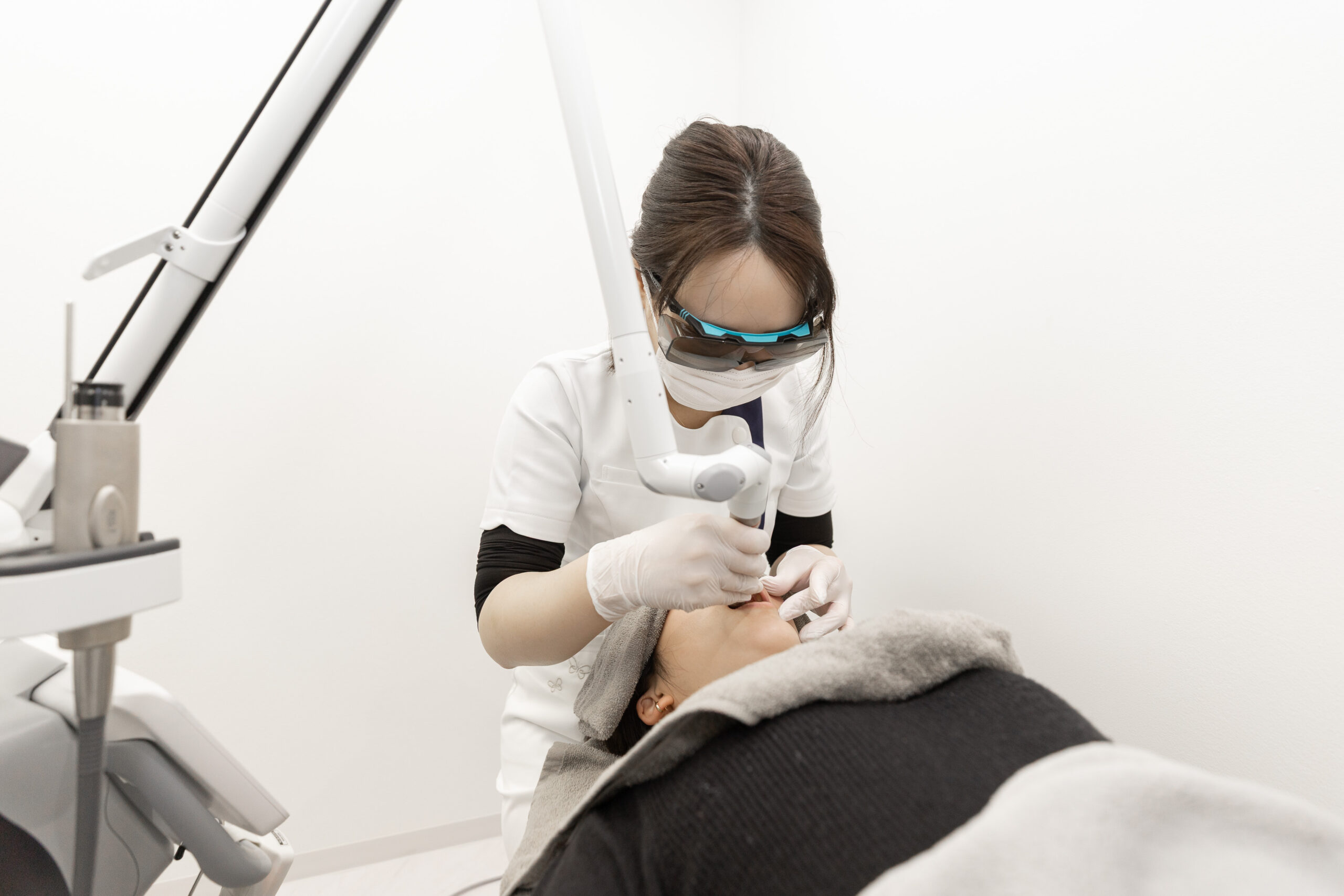
Dual Deep Thermia® is a non-surgical laser snoring treatment designed to reduce snoring by gently heating and tightening the soft tissues of the upper airway. It aims to reduce vibration of the soft palate, uvula, and throat tissues without cutting or removing tissue. The effect is usually gradual, often becoming noticeable over several weeks to a few months after repeated sessions. It may be suitable for simple snoring and selected mild to moderate obstructive sleep apnea cases, but severe sleep apnea generally requires medical evaluation and CPAP therapy.
At Ueno Snoring Clinic, we offer options tailored to your condition, including insurance-covered sleep testing and CPAP management, as well as self-pay laser snoring treatment. If you would like to find the treatment that suits you, please start with an initial consultation.
You can find details on the examinations and treatments at Ueno Snoring Clinic here

Supervised by the Director
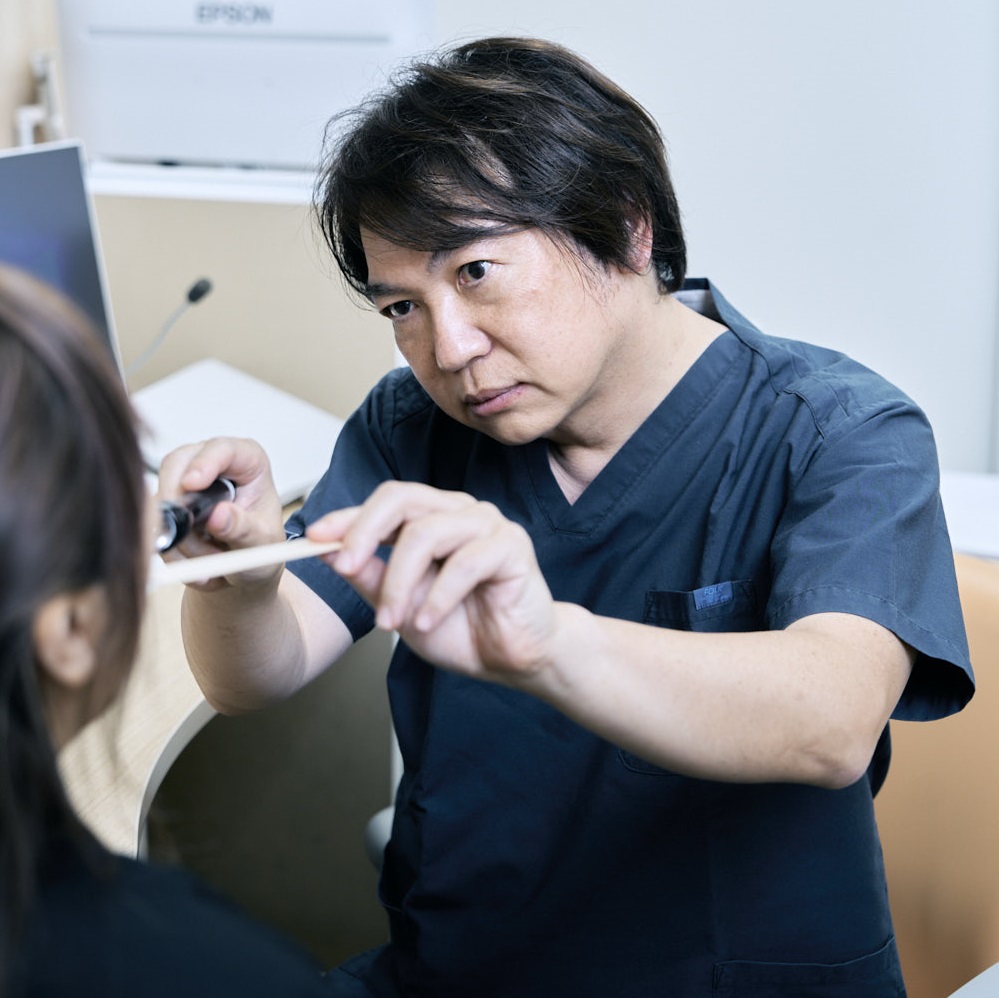
Kazuyuki Sugaya
Director, Ueno Snoring Clinic / Anesthesiologist
With experience in over 20,000 cases of general anesthesia, the director focuses primarily on the treatment of snoring and sleep apnea, providing care tailored to each individual patient. Ueno Snoring Clinic
This article has been supervised by Director Kazuyuki Sugaya to clearly explain accurate medical information regarding examinations and treatments for snoring, obstructive sleep apnea syndrome, and related conditions.
🩺Comprehensive Snoring Treatment at Ueno Snoring Clinic
Snoring has a wide range of causes, including throat anatomy, tongue position, nasal congestion, obesity, alcohol, sleeping posture, and sleep apnea. At Ueno Snoring Clinic, we provide a personalized treatment plan rather than relying on one single method.
Laser snoring treatment without surgery
- Dual Deep Thermia®: Non-surgical laser snoring treatment
- No cutting or hospitalization: Suitable for selected patients seeking minimal downtime
Sleep testing and medical evaluation
- Home sleep test / PSG: Evaluating breathing during sleep
- CPAP therapy: Standard treatment for moderate to severe obstructive sleep apnea
*As a clinic specializing in snoring treatment in Tokyo, we support patients through both self-pay laser treatment and insurance-covered medical evaluation when appropriate.
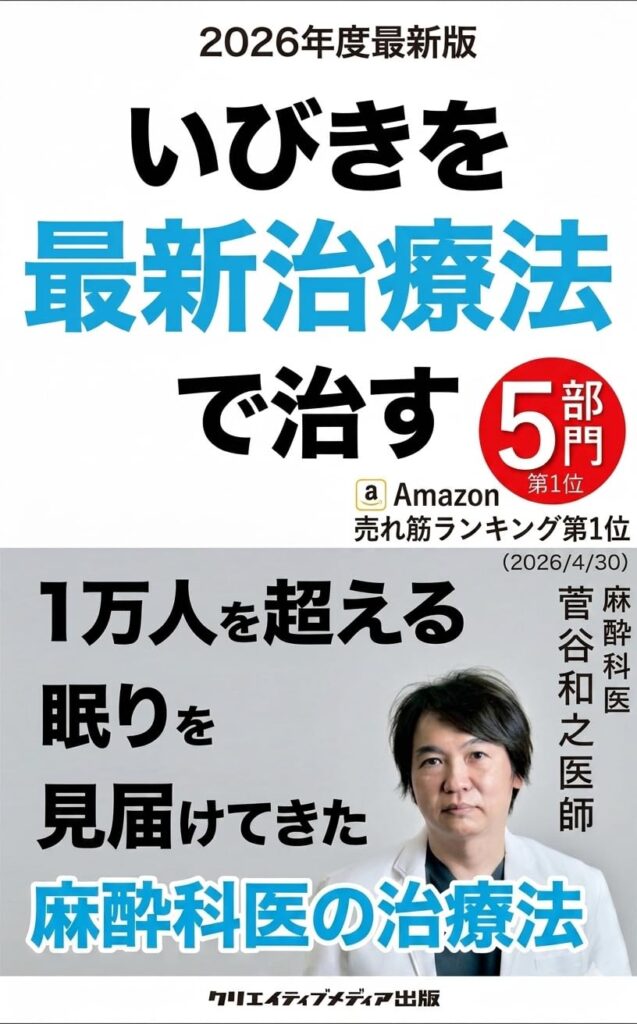
The director’s book “Treating Snoring with the Latest Treatments” also explains snoring, sleep apnea, CPAP therapy, and laser snoring treatment in detail.
いびきを最新治療で治す-表紙-1.png)
New Book by the Director
“Treating Snoring with the Latest Treatment Methods”
The definitive guide to the latest snoring treatments, explained by an anesthesiologist who has overseen the sleep of more than 10,000 people.
Expected Effects of Dual Deep Thermia®
The primary goal of Dual Deep Thermia® laser snoring treatment is to reduce the loudness, frequency, and social impact of snoring.
In clinical use, patients often report that their snoring becomes quieter, their partner notices fewer disruptive snoring episodes, and sleep feels less disturbed. The target is not simply the sound itself, but the underlying tissue vibration that produces snoring.
Dual Deep Thermia® does not cut or remove tissue. Instead, it uses controlled heat stimulation to encourage collagen contraction and tissue remodeling. For this reason, the effect is usually gradual rather than immediate.
Many patients begin to notice improvement after several sessions, often over several weeks to one or two months. A typical improvement pattern is not “dramatic change the next morning,” but rather a gradual sense that breathing during sleep has become quieter and more stable.
How the Treatment Works
Snoring often occurs when the soft palate, uvula, pharyngeal wall, or surrounding upper airway tissues vibrate during sleep. These tissues may become loose because of aging, weight gain, alcohol, mouth breathing, nasal obstruction, or individual anatomy.
Dual Deep Thermia® uses two laser wavelengths, Nd:YAG and Er:YAG, to warm both deeper and superficial tissue layers. This dual-wavelength approach aims to tighten the upper airway tissue without cutting, suturing, or causing open wounds.
Looking for Non-Surgical Laser Snoring Treatment in Tokyo?
Ueno Snoring Clinic provides Dual Deep Thermia® for suitable patients who want a non-surgical option for snoring. The clinic is located near Ueno Station and welcomes international patients seeking English consultation.
- Non-surgical laser snoring treatment
- No cutting, no sutures, and no hospitalization
- Minimal downtime
- English-speaking medical consultation available
- Convenient access from Ueno Station, Tokyo
Treatment Flow at Ueno Snoring Clinic

1. Medical questionnaire and interview
First, we carefully review your symptoms and medical background. Important points include:
- How often you snore
- How loud the snoring is
- Whether snoring worsens when sleeping on your back
- Daytime sleepiness
- Morning headaches
- Nighttime awakenings
- Witnessed pauses in breathing
- Alcohol intake, smoking, sleeping pills, and lifestyle habits
- Nasal symptoms such as nasal obstruction or allergic rhinitis
- Medical history, throat disease, heart or lung disease, previous surgery, and current medications
At this stage, we begin assessing whether Dual Deep Thermia® may be suitable or whether sleep testing should be prioritized first.
2. Oral and throat examination
The doctor examines the oral cavity and throat while you are at rest and while you vocalize. We evaluate the thickness of the soft palate, length of the uvula, narrowness of the oropharyngeal space, tongue size, dental impressions on the tongue, jaw position, neck circumference, BMI, and nasal findings.
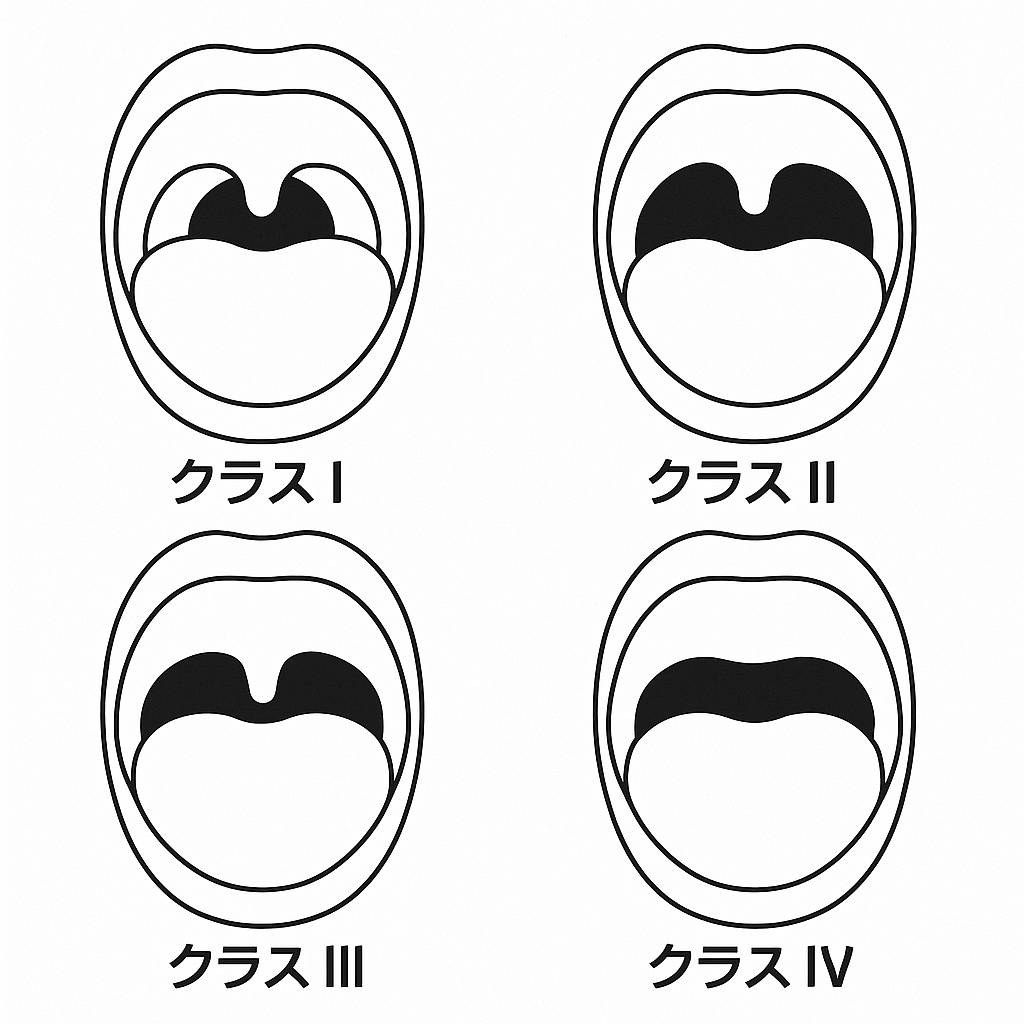
The Mallampati classification is one of the useful visual indicators for evaluating the airway. It helps estimate how narrow the throat space may be and whether soft palate or tongue-related narrowing is likely to contribute to snoring.
3. Explanation of treatment plan and consent
If laser treatment appears suitable, we explain the expected number of sessions, treatment areas, possible benefits, limitations, cost, aftercare, and precautions. Treatment begins only after the patient understands the plan and provides consent.
4. First laser treatment session
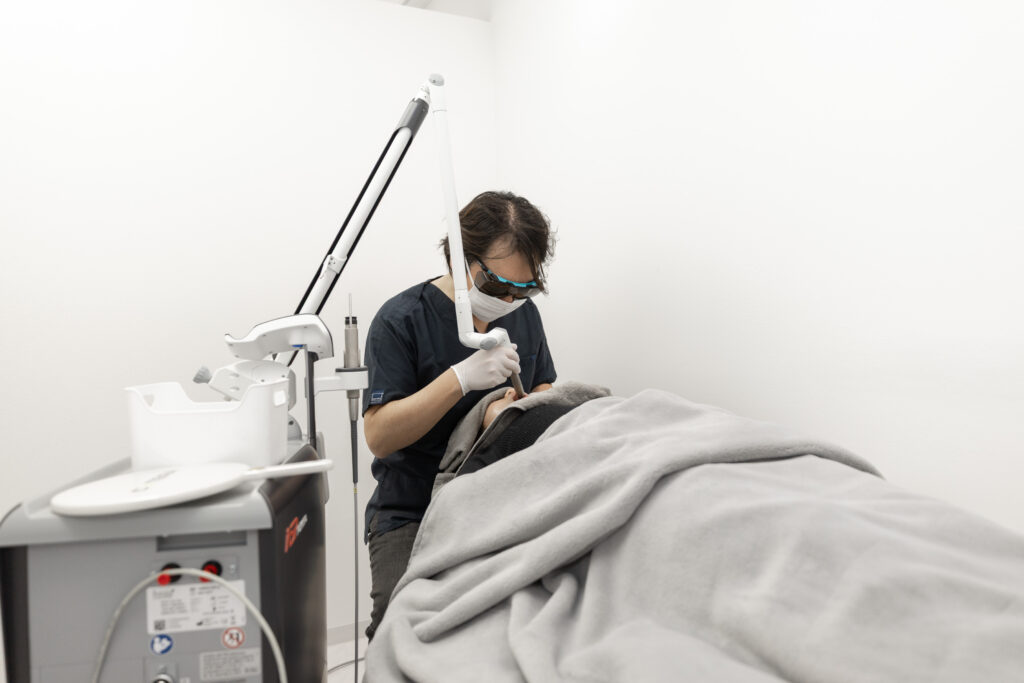
Before laser irradiation, the oral cavity is cleaned with mouthwash. Topical anesthesia may be used to reduce sensitivity. The treatment is usually performed as an outpatient procedure.
At Ueno Snoring Clinic, treatment may involve both Nd:YAG and Er:YAG lasers depending on the patient’s anatomy and target areas.
Nd:YAG laser: deeper warming
The Nd:YAG laser delivers deeper thermal stimulation. It may be used to provide gentle deep warming around the tongue base, lower pharynx, or deeper soft tissue layers. Patients may feel mild warmth.
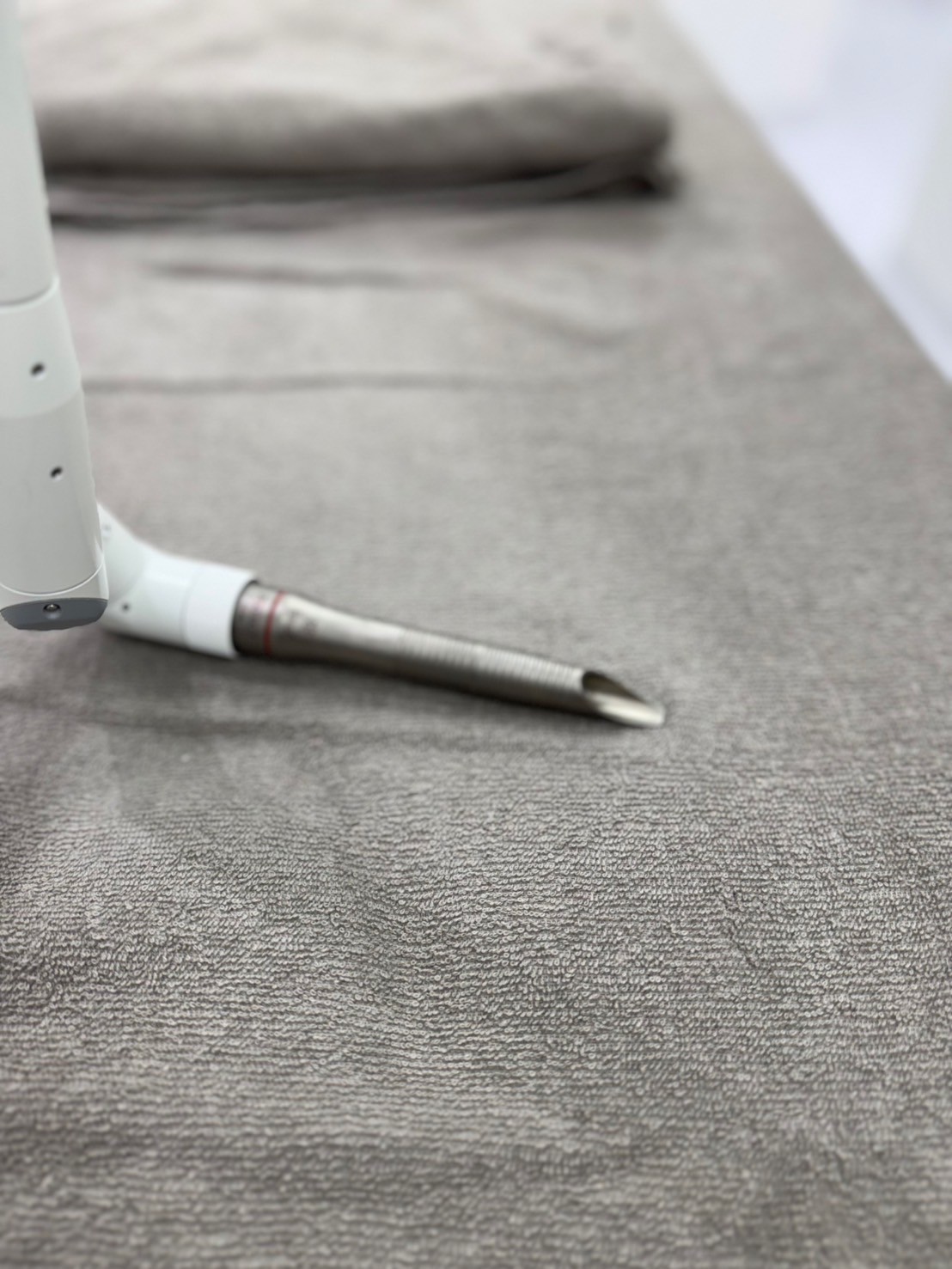
Er:YAG laser: superficial mucosal tightening
The Er:YAG laser is then applied to specific areas such as the soft palate, uvula region, and lateral tongue or pharyngeal areas as needed. Patients may feel slight warmth or a tingling sensation, but most do not experience strong pain.
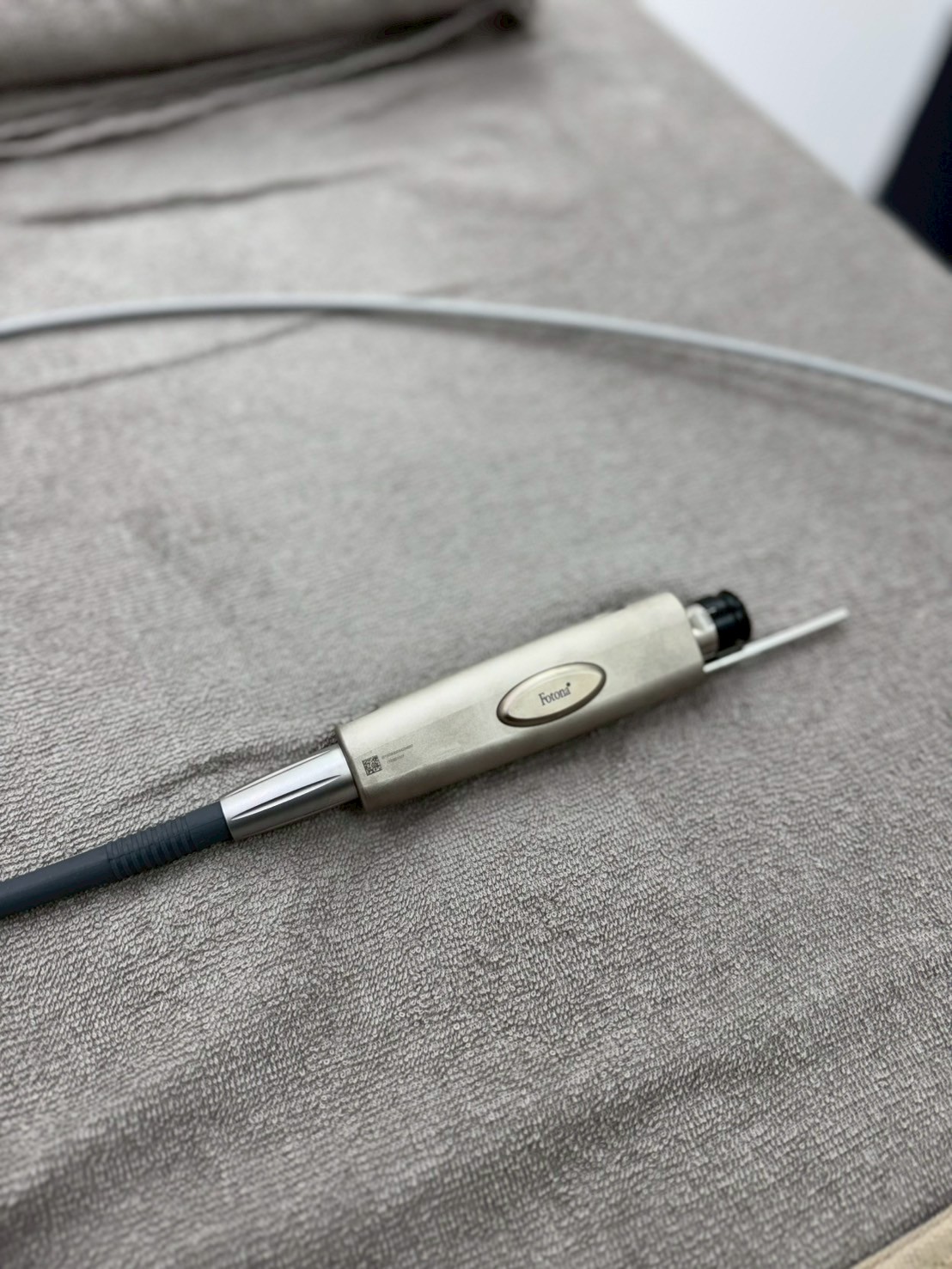
The total laser irradiation time is usually around 15 to 20 minutes, although it may vary depending on the treatment area and individual condition.
5. Second and subsequent sessions
Additional sessions are usually performed with an interval of approximately two to three weeks. The output and target areas may be adjusted depending on the response after the previous session.
A typical course often consists of around five to six sessions. Some patients may require additional treatment depending on severity, anatomy, and treatment goals.
6. Evaluation and maintenance
After one course, the effect is evaluated based on symptoms, partner feedback, snoring recordings, sleep quality, and, when necessary, sleep testing data. If the effect is insufficient, additional sessions or combination therapy may be considered.
Advantages of Dual Deep Thermia®
1. Minimally invasive with little downtime
Dual Deep Thermia® does not involve cutting, suturing, or tissue removal. In many cases, patients can speak, drink, and return to daily activities shortly after treatment.
Discomfort is usually mild, such as slight throat irritation or dryness, and often improves naturally within a few days.
2. It may improve daily quality of life
Snoring is not only a medical issue. It can affect relationships, sleep quality, and emotional stress between partners. Reducing snoring volume and frequency can improve sleep satisfaction for both the patient and their partner.
3. It may be useful for mild to moderate cases
For patients whose snoring is mainly related to soft palate vibration or pharyngeal wall looseness, Dual Deep Thermia® may offer meaningful improvement. In selected mild to moderate obstructive sleep apnea cases, it may be considered as part of a broader treatment plan.
4. It can be combined with other treatments
Dual Deep Thermia® can be considered alongside lifestyle management, positional therapy, oral appliances, CPAP, weight management, or nasal treatment when appropriate.
For some CPAP users, improving upper airway conditions may help reduce discomfort or support overall treatment adherence, although it should not be considered a replacement for CPAP in severe cases.
5. It is repeatable and suitable for maintenance
Because the treatment is non-surgical and minimally invasive, maintenance sessions may be considered when the effect gradually decreases over time.
Limitations and Disadvantages
1. It is not a stand-alone cure for severe sleep apnea
Dual Deep Thermia® is mainly designed to reduce snoring and improve soft tissue vibration. It does not guarantee normalization of the apnea-hypopnea index, especially in severe obstructive sleep apnea.
If AHI is 30 or higher, or if oxygen levels drop significantly during sleep, CPAP is generally the standard treatment.
2. It may be less effective when tongue base collapse is dominant
If the main cause of airway obstruction is tongue base collapse, severe jaw retrusion, or significant skeletal narrowing, laser treatment alone may be insufficient.
3. Severe obesity may limit effectiveness
In patients with severe obesity, neck fat and pharyngeal fat deposition may compress the airway. In such cases, weight management is often essential. Laser treatment may be used only as part of a combined approach.
4. Maintenance may be needed
The tissue-tightening effect is not necessarily permanent. Depending on aging, weight changes, alcohol intake, nasal condition, and sleep posture, maintenance treatment may be recommended every several months to one or two years.
5. It is self-pay treatment
Dual Deep Thermia® laser snoring treatment is generally not covered by Japanese health insurance and is provided as self-pay treatment.
6. Side effects and contraindications are not zero
Possible temporary side effects include mild throat discomfort, dryness, irritation, or hoarseness. Rarely, excessive heating may cause mucosal irritation. Treatment may need to be postponed or avoided in cases of acute pharyngitis, tonsillitis, severe nasal obstruction, certain medications, pregnancy, or specific medical conditions.
Cost of Dual Deep Thermia®
Dual Deep Thermia® is a self-pay treatment. The cost depends on the number of sessions and the treatment plan.
At Ueno Snoring Clinic, treatment fees are clearly presented, and we do not recommend unnecessary upselling. Please check the official fee page for current pricing details.
See Ueno Snoring Clinic English website
Aftercare and Precautions
In many cases, eating and drinking are possible on the day of treatment. However, it is generally recommended to avoid very hot foods, spicy foods, alcohol, and smoking immediately after treatment.
To reduce throat dryness, adequate hydration and humidification are helpful. Mild throat discomfort may occur for a few days but often improves naturally.
Because collagen remodeling takes time, evaluation should not be made only the next day. A realistic assessment usually requires several weeks to one or two months after repeated sessions.
Comparison: Dual Deep Thermia®, CPAP, Oral Appliance, and Surgery
| Treatment | Main Purpose | Best Candidates | Limitations |
|---|---|---|---|
| Dual Deep Thermia® | Reduce soft tissue vibration and snoring | Simple snoring, soft palate vibration, selected mild to moderate cases | Not a stand-alone cure for severe sleep apnea |
| CPAP | Keep airway open with air pressure | Moderate to severe obstructive sleep apnea | Requires nightly mask use |
| Oral appliance | Move lower jaw forward | Selected mild sleep apnea or jaw-related snoring | May cause jaw discomfort |
| Surgery | Remove or reconstruct obstructing tissue | Selected anatomical obstruction | Pain, bleeding, downtime, and surgical risk |
Why International Patients Choose Ueno Snoring Clinic
- English-speaking doctor: Medical consultation is available in English
- Convenient Tokyo location: Near Ueno Station
- Non-surgical laser snoring treatment: Suitable for selected patients who want minimal downtime
- Sleep apnea evaluation: Medical assessment when snoring may be a sign of apnea
- International patients welcome: Helpful for foreign residents and visitors in Japan
- Personalized treatment plan: CPAP, laser, sleep testing, and lifestyle care are considered based on the cause
Summary
Dual Deep Thermia® is a modern non-surgical laser treatment designed to reduce snoring by gently tightening the soft tissues of the upper airway. It aims to reduce the vibration that occurs during sleep without cutting, suturing, or removing tissue.
The effect is usually gradual. Rather than expecting dramatic results immediately after one session, it is more realistic to expect improvement over several weeks to a few months after repeated treatment.
It may be a practical option for patients who want to reduce snoring, avoid surgery, or explore treatment other than CPAP or oral appliances. However, if severe obstructive sleep apnea is present, laser treatment alone is usually insufficient, and CPAP or other standard medical treatment should be prioritized.
For patients searching for laser snoring treatment in Tokyo, non-surgical snoring treatment in Japan, Dual Deep Thermia®, or an English-speaking snoring clinic near Ueno Station, Ueno Snoring Clinic provides individualized consultation and treatment planning.
Book a Laser Snoring Consultation in Tokyo
If you are concerned about loud snoring, sleep apnea, CPAP intolerance, or want to explore non-surgical laser snoring treatment, please consult Ueno Snoring Clinic.
*The applicability of insurance vs. self-pay treatment differs depending on your symptoms and test results. The important first step is to check your current condition.
Frequently Asked Questions
Q. How soon can I feel the effect of Dual Deep Thermia®?
A. Some patients notice changes after several sessions, but the effect is usually gradual. It may take several weeks to one or two months to evaluate improvement.
Q. How many sessions are usually needed?
A. The required number varies depending on anatomy and severity. A course of several sessions is commonly recommended.
Q. Is Dual Deep Thermia® painful?
A. Most patients describe warmth or mild tingling rather than strong pain. Topical anesthesia may be used when needed.
Q. Can I eat after treatment?
A. In many cases, eating and drinking are possible after treatment. However, very hot or spicy foods should be avoided immediately after treatment.
Q. Can Dual Deep Thermia® replace CPAP?
A. For severe sleep apnea, CPAP is generally the standard treatment. Dual Deep Thermia® should not be considered a simple replacement for CPAP without medical evaluation.
Q. Is this treatment suitable for tourists?
A. International visitors may consult Ueno Snoring Clinic. Whether treatment can be performed depends on medical suitability and schedule.
Q. Is English consultation available?
A. Yes. Ueno Snoring Clinic provides English consultation for international patients and foreign residents in Japan.
Q. Is laser snoring treatment covered by insurance?
A. Laser snoring treatment is generally self-pay treatment. Sleep testing and CPAP management may be covered by insurance when medically indicated and eligibility criteria are met.
References
- Clinical reports on non-ablative Er:YAG laser treatment for snoring and obstructive sleep apnea.
- Studies on NightLase-style soft palate laser therapy and snoring reduction.
- Guidelines on diagnosis and treatment of obstructive sleep apnea.
- Evidence on CPAP therapy for moderate to severe obstructive sleep apnea.
- Research on upper airway anatomy, soft palate vibration, tongue base collapse, and sleep-disordered breathing.