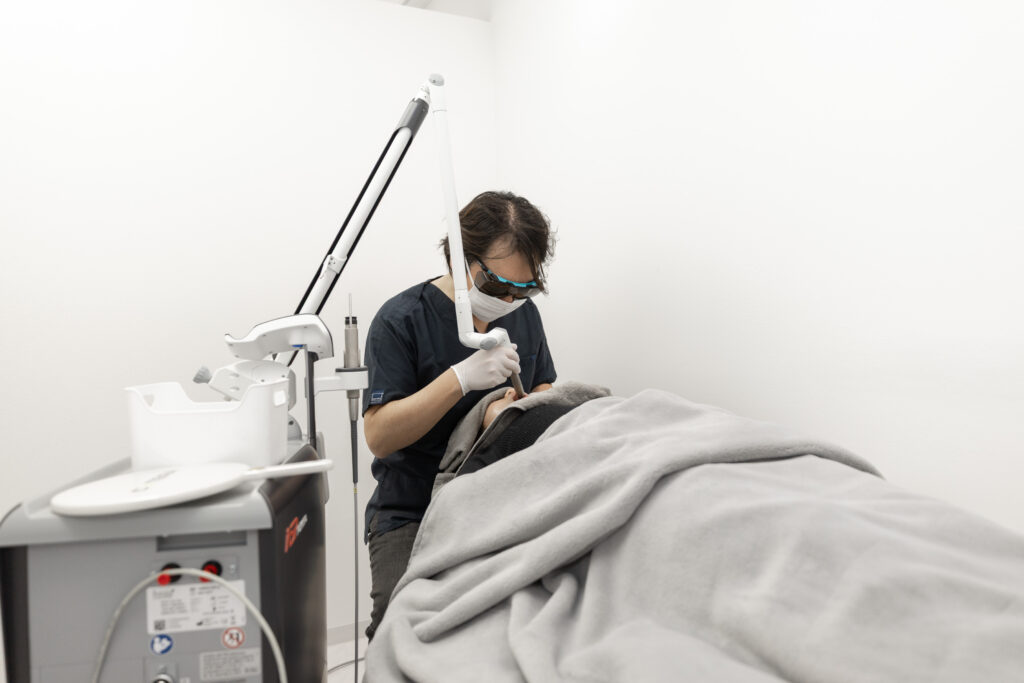
At Ueno Snoring Clinic, even for patients considering laser treatment, we always confirm the severity of apnea through a sleep test first, and take the time to explain clearly whether you’re a good candidate.
Details of the tests and treatments offered at Ueno Snoring Clinic can be found here
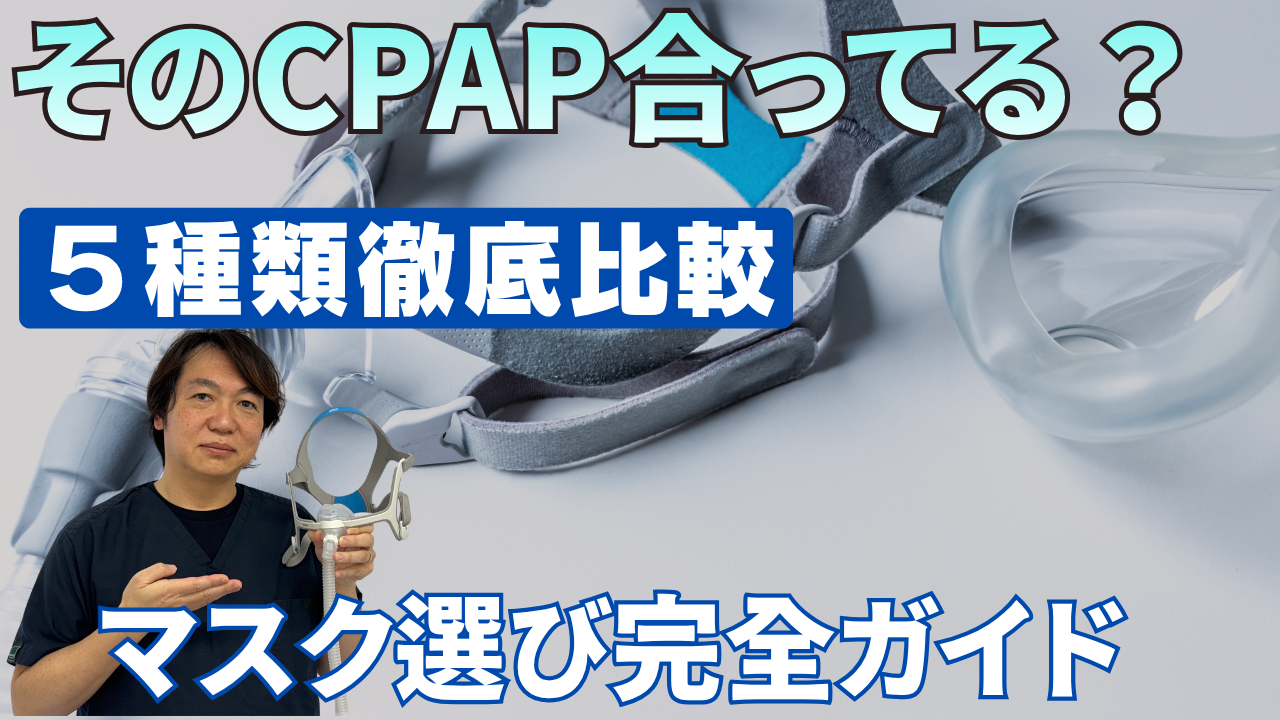
A Complete Comparison of CPAP Masks
We tried on and reviewed five different types of CPAP masks. 90% of CPAP comfort comes down to the mask.
Watch the video
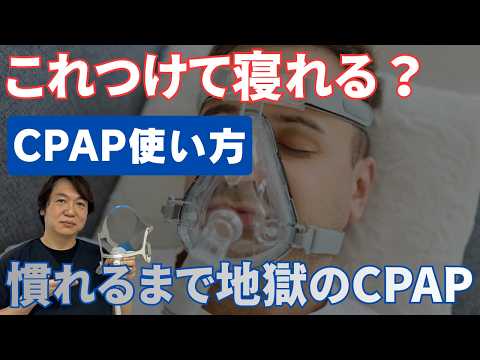
Do you have to use CPAP forever? A specialist explains how to use CPAP
A detailed explanation of how to use CPAP, with a real demonstration of what it feels like to wear the device.
Watch the video
Ueno Snoring Clinic was featured on Fuji TV’s “Live News It!”
Watch our clinic’s examination and explanation of sleep disorders, snoring, and sleep apnea.
Watch the video
Ueno Snoring Clinic was featured in an article on Nippon TV’s “news every.”
Please take a look as a starting point for thinking about getting evaluated for snoring, sleep apnea, or other sleep disorders.
Read the article
Reviewed by Our Director
Kazuyuki Sugaya
Director, Ueno Snoring Clinic / Anesthesiologist
Our director, with over 20,000 general anesthesia cases, focuses primarily on the diagnosis and treatment of snoring and sleep apnea, offering care tailored to each patient. [Insurance-Covered] Ueno Snoring Clinic
This article was reviewed by our Director, Kazuyuki Sugaya, and focuses on who laser treatment for snoring is — and isn’t — well suited for, and why an evaluation of severity through testing matters so much.
🩺Comprehensive Snoring Treatment at Ueno Snoring Clinic
Ueno Snoring Clinic‘s policy is to always base every treatment decision — including laser treatment — on a prior evaluation through testing. From insurance-covered sleep testing and CPAP management to self-pay laser treatment, we propose the plan best suited to each patient’s condition.
Insurance-Covered: Thorough Testing and Ongoing Treatment
- Simplified and PSG testing: A precise evaluation of apnea severity
- CPAP treatment: The standard treatment for moderate-to-severe apnea
Self-Pay: Address the Root Cause, Short-Term Focus
- Latest snoring laser treatment: A no-incision root-cause option for patients confirmed to be good candidates
- Medically supervised weight loss: Physically opening the airway through weight loss
*Please be cautious of any clinic that recommends laser treatment alone without testing. At our clinic, our director — an anesthesiologist — judges candidacy based on specialized knowledge of the airway and breathing.
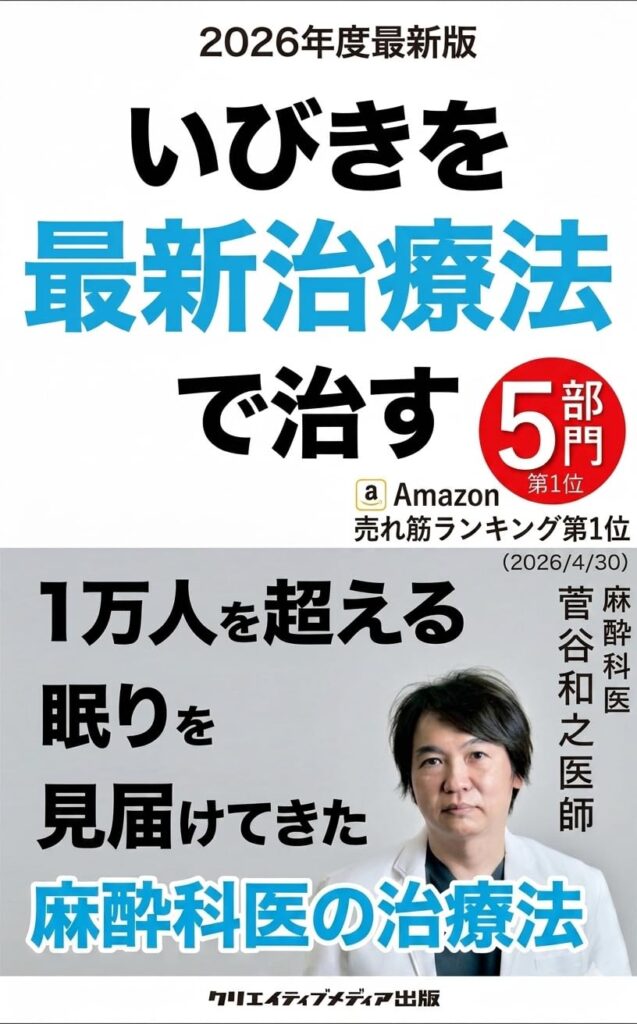
Our director’s book, “Curing Snoring with the Latest Treatments” (No.1 Amazon Bestseller in General Medicine, No.1 in Clinical Internal Medicine, No.2 in Home Medicine & Health) covers this topic in detail as well
New Book by Our Director
“Curing Snoring with the Latest Treatments”
A guide to the latest snoring treatments, written by an anesthesiologist who has overseen the sleep of more than 10,000 patients.
View on Amazon
Quick Answer
Because laser treatment for snoring only addresses the back of the throat (the soft palate and uvula), it tends to be less effective when a simplified or PSG test shows moderate-to-severe sleep apnea, or when the cause involves multiple sites — such as tongue-base collapse, enlarged tonsils, or significant nasal congestion. International sleep medicine societies do not recommend laser-based pharyngeal procedures as a standard treatment for sleep apnea syndrome (SAS) itself; laser treatment is generally only considered appropriate for cases where testing has ruled out moderate-to-severe apnea and the primary concern is snoring itself. Because of this, testing before treatment is essential, and it’s worth being cautious of any clinic that skips testing and recommends laser treatment as the only option. What matters most is choosing a clinic with an experienced specialist on staff who carries out testing and candidacy assessment carefully.
📋 What This Article Covers
- Who laser treatment tends not to work well for
- Why laser is less effective for severe sleep apnea
- Why testing before treatment is essential
- [Caution] Clinics that push “laser only” with no testing and no specialist
- What to check for when choosing a clinic
- Laser treatment isn’t the problem — it’s a good option for the right candidates
Who Laser Treatment Tends Not to Work Well For
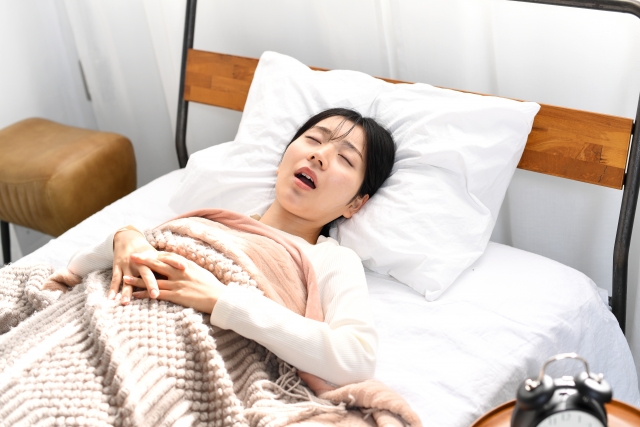
Laser treatment for snoring works by tightening the soft palate and uvula at the back of the throat, addressing the source of the snoring directly at that location. It tends to work well when the cause is limited to this area — but the following cases are known to respond less well.
| Characteristic |
Why It Responds Less Well |
| Diagnosed with moderate-to-severe apnea on testing |
Laser can only address part of the pharynx, so its effect on apnea itself is limited |
| Tongue-base collapse (the base of the tongue falls toward the throat) |
The airway is blocked at a different location than where the laser is applied |
| Significantly enlarged tonsils |
When the tonsils are the main physical obstruction, tightening the soft palate alone isn’t enough |
| Significant chronic nasal congestion |
If the inability to breathe through the nose is the root cause, throat treatment alone won’t resolve it |
| Significant obesity |
Fat deposits around the airway are widespread, so a localized treatment has a relatively smaller effect |
Why Laser Is Less Effective for Severe Sleep Apnea
Sleep apnea syndrome is broadly classified by AHI (Apnea Hypopnea Index — the number of apnea/hypopnea events per hour), a measure of severity, as follows.
| Severity |
AHI Range |
Commonly Recommended Treatment |
| Mild |
5–15 |
Positional therapy, weight management, oral appliances, etc. |
| Moderate |
15–30 |
CPAP or an oral appliance |
| Severe |
30+ |
CPAP is strongly recommended |
International sleep medicine societies do not recommend laser-based pharyngeal procedures as a standard treatment for sleep apnea syndrome itself. CPAP is the standard treatment for moderate-to-severe apnea, backed by more than 40 years of accumulated clinical data — whereas the evidence for laser treatment meaningfully improving apnea event counts or long-term health risk remains limited.
For this reason, laser treatment is really only a reasonable option in cases where testing has already ruled out moderate-to-severe apnea and confirmed that snoring itself is the primary issue. Moving straight to laser treatment just because “the snoring is bad,” without testing first, risks missing the chance to receive standard treatment — like CPAP — that may actually be needed.
Why Testing Before Treatment Is Essential
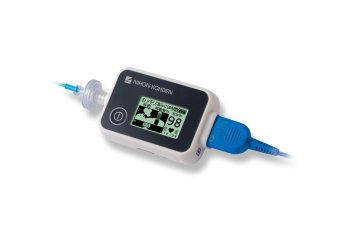
Skipping testing before considering laser treatment carries the following risks.
- A quieter snore doesn’t necessarily mean apnea has resolved: Even if the tissue tightening from the laser reduces the sound of snoring, that doesn’t guarantee the underlying apnea has sufficiently improved. Feeling reassured because the noise has decreased can mean overnight low-oxygen episodes go unnoticed, leaving risks like high blood pressure and cardiovascular disease unaddressed.
- Treatment mismatched to severity tends to relapse: A procedure that tightens a portion of the throat can, according to some reports, lose effectiveness within a few years, sometimes requiring repeat treatment. Continuing a treatment that doesn’t match your severity can become a significant burden, both in time and cost.
- Other causes can be missed: If the primary cause is something laser can’t address — such as tongue-base collapse or nasal congestion — skipping testing means you never get the chance to find that out.
[Caution] Clinics That Push “Laser Only” With No Testing and No Specialist

💬 A Word of Caution From Our Director
Unfortunately, some self-pay-only clinics offer laser treatment exclusively, and recommend it to nearly every patient who walks in without ever performing a sleep test. In some of these clinics, there may be no specialist on staff with substantial experience treating snoring and sleep apnea. Treating a patient who isn’t actually a good candidate is unlikely to produce meaningful results, and it can also delay a patient from getting standard treatment — like CPAP — that they may genuinely need.
Laser treatment itself isn’t the problem — the issue is recommending it without testing or assessing candidacy first. We think this distinction is worth knowing.
What to Check for When Choosing a Clinic

If you’re considering laser treatment for snoring, we’d recommend checking the following before choosing a clinic.
🔍 Clinic Checklist
- Does the clinic evaluate severity through a simplified or PSG test before treatment?
- Is there a physician on staff with genuine clinical experience treating snoring and sleep apnea?
- Are alternatives to laser treatment, like CPAP or oral appliances, also explained?
- Does the clinic overemphasize “same-day treatment, no testing needed”?
- Are you told that another treatment may be recommended instead, depending on severity?
- Is follow-up care or re-testing after treatment explained to you?
Laser Treatment Isn’t the Problem — It’s a Good Option for the Right Candidates
We’ve spent this article discussing who laser treatment tends not to work well for, and clinics worth being cautious of — but to say it again, none of this is meant to argue against laser treatment itself. For patients whose testing has ruled out moderate-to-severe apnea and whose primary concern is snoring, laser treatment — with no incisions and minimal downtime — is a genuinely effective option. At our own clinic, we actively recommend laser treatment to patients we’ve confirmed are good candidates.
What matters isn’t whether laser treatment is “good” or “bad” in the abstract — it’s whether your own candidacy has been properly assessed based on testing.
Laser Treatment at Ueno Snoring Clinic
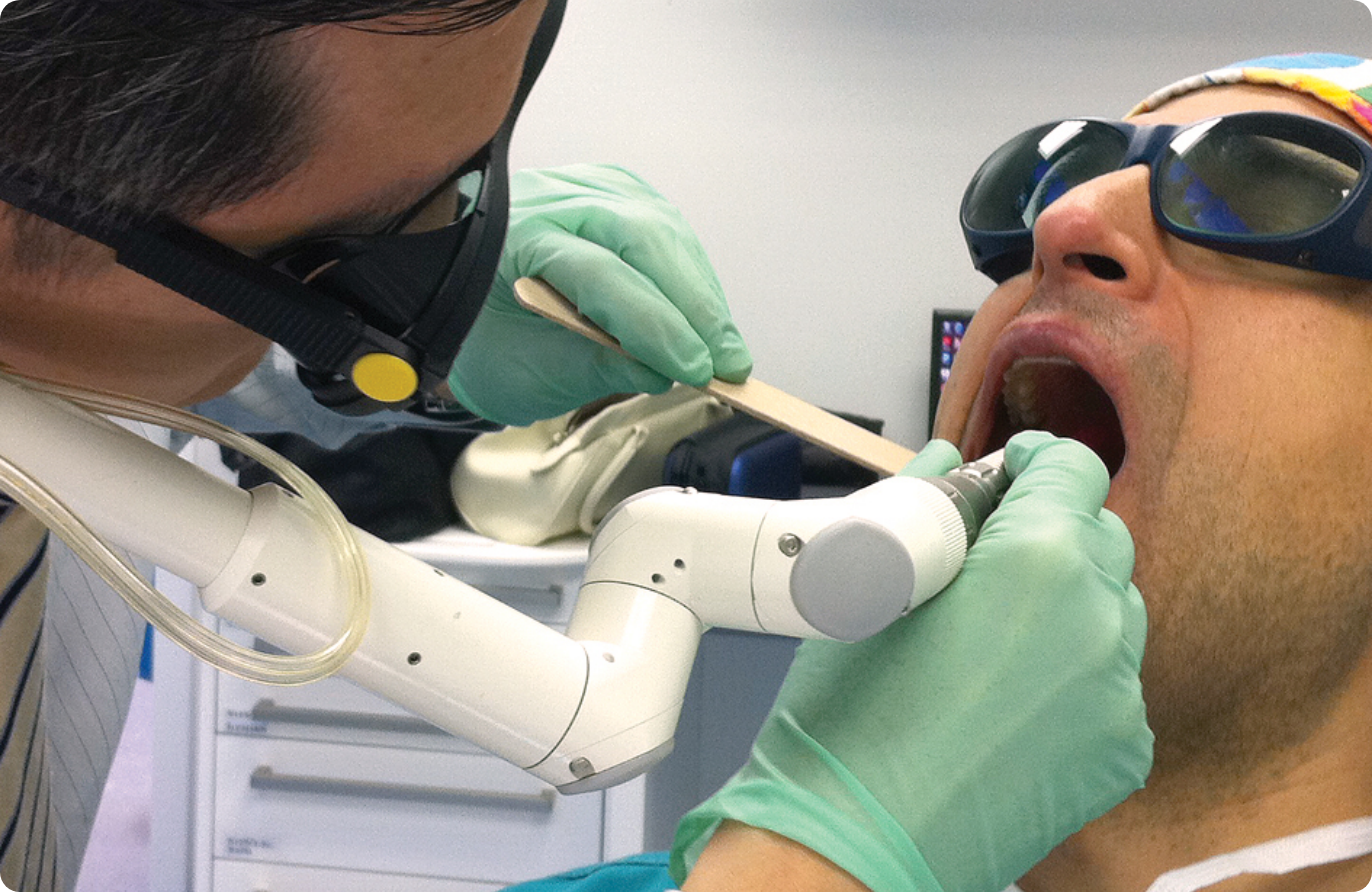
Ueno Snoring Clinic is a Sleep Disorder Medicine clinic specializing in snoring and sleep apnea syndrome — not an ENT clinic. Our director, an anesthesiologist with more than 20,000 general anesthesia cases, determines candidacy for laser treatment based on specialized knowledge of airway and breathing management, guided by test results.
Even for patients hoping for laser treatment, we start by accurately assessing your current condition through a simplified or PSG test, explain clearly whether you’re a good candidate, and then decide on a treatment plan together. If we determine you’re not a good candidate, we’ll clearly walk you through other options, such as CPAP.
For more on our laser treatment for snoring, please see our English homepage.
Summary
Because laser treatment for snoring only addresses part of the throat, it’s known to be less effective when testing shows moderate-to-severe apnea, or when multiple causes are involved — tongue-base collapse, enlarged tonsils, significant nasal congestion, and so on. International sleep medicine societies don’t recommend laser-based procedures as a standard treatment for SAS itself; it’s best suited for cases where testing has ruled out moderate-to-severe apnea and snoring is the primary concern.
That’s why, when considering this treatment, it’s worth choosing a clinic with an experienced specialist on staff who carefully determines candidacy based on test results — rather than one that skips testing and pushes “laser only.”
Laser treatment itself is a genuinely effective option for the right candidates. We’d encourage you to start by getting tested to find out what treatment actually suits you best.
Start by Confirming Your Candidacy for Laser Treatment Through Testing
We never perform treatment without testing. We’ll start with a simplified test to assess your condition, and clearly explain whether you’re a good candidate.
Start With an Initial Consultation
Whether you need testing, laser treatment candidacy assessment, or CPAP management, we’re here to help. Fully appointment-based, with same-day appointments available.
Frequently Asked Questions
Q. I already had laser treatment without being tested first. Should I get tested now?
A. Yes, we’d recommend it. Even after laser treatment, there’s real value in confirming whether apnea is present and how severe it is. A quieter snore doesn’t necessarily mean the apnea itself has improved, so if you notice symptoms like daytime sleepiness or morning headaches, it’s worth getting tested.
Q. Should I choose laser treatment or CPAP?
A. It’s less about which is “better” and more about which suits your severity and underlying cause. CPAP is the recommended standard for moderate-to-severe apnea, while laser treatment can be an option when snoring is the primary concern and apnea is mild or absent. It’s best decided together with your doctor based on your test results.
Q. Does the effect of laser treatment last after just one session?
A. How long the effect lasts varies from person to person, and it’s common for the effect to fade over time, sometimes requiring several repeat sessions. We monitor your progress after treatment and discuss the number of sessions needed, or switching to another treatment, as appropriate.
Q. Should I avoid clinics that advertise “same-day treatment, no testing required”?
A. We can’t say categorically, but because the cause and severity of snoring and apnea vary so much from person to person, it’s genuinely difficult to assess candidacy accurately without testing. If you’re considering a clinic offering same-day treatment, we’d recommend confirming beforehand what kind of testing and evaluation is actually done.






いびきを最新治療で治す-表紙-1.png)