
Quick Answer
Snoring surgery may help when a clear anatomical obstruction is present, such as an elongated soft palate, enlarged tonsils, tongue-base obstruction, or severe nasal blockage. However, surgery does not work equally well for every patient and does not always cure OSA completely. The correct procedure depends on the obstruction site, OSA severity, body weight, jaw structure, nasal condition, and response to CPAP or oral appliance therapy.
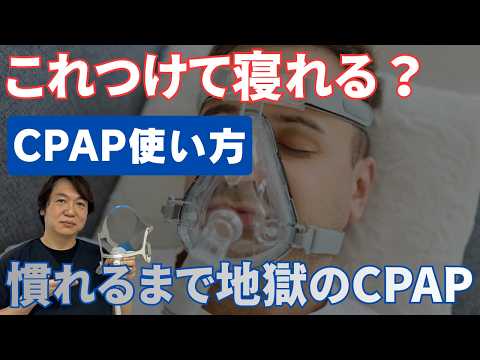


🩺 Comprehensive Snoring and Sleep Apnea Care
At Ueno Snoring Clinic, we evaluate the cause of snoring and provide insurance-covered sleep testing and CPAP management, as well as self-pay laser treatment and medical weight management for suitable patients.
Medically Reviewed by the Director
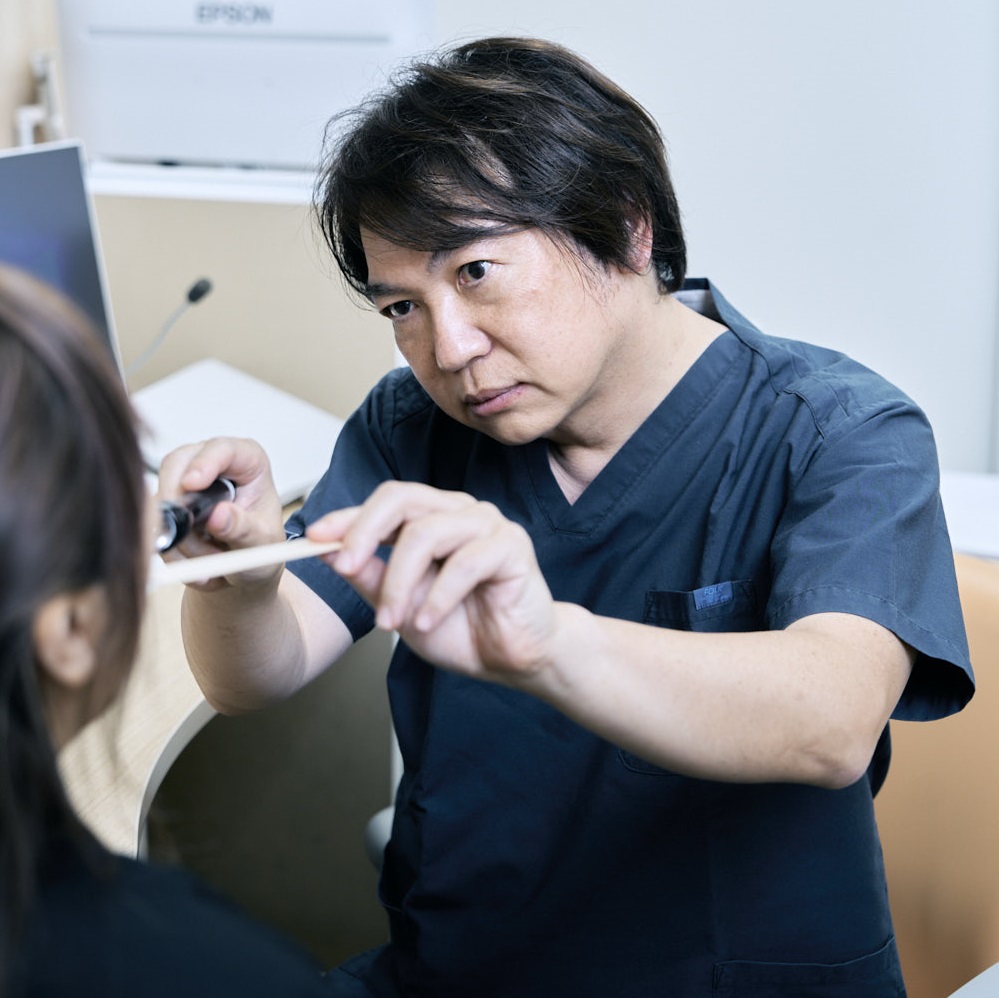
Kazuyuki Sugaya
Director, Ueno Snoring Clinic / Anesthesiologist
With experience in more than 20,000 cases of general anesthesia, Dr. Sugaya applies extensive airway-management knowledge to snoring and sleep apnea care.
What Is Surgical Treatment for Snoring?
Surgery aims to enlarge a structurally narrow airway by changing the nose, soft palate, uvula, tongue base, or lower pharynx. It is usually performed by an ENT, head and neck, or oral and maxillofacial surgeon.
The decision should consider OSA severity, the obstruction site, body weight, jaw and tongue anatomy, nasal obstruction, response to CPAP, and the risks of surgery.
Main Types of Snoring and Sleep Apnea Surgery
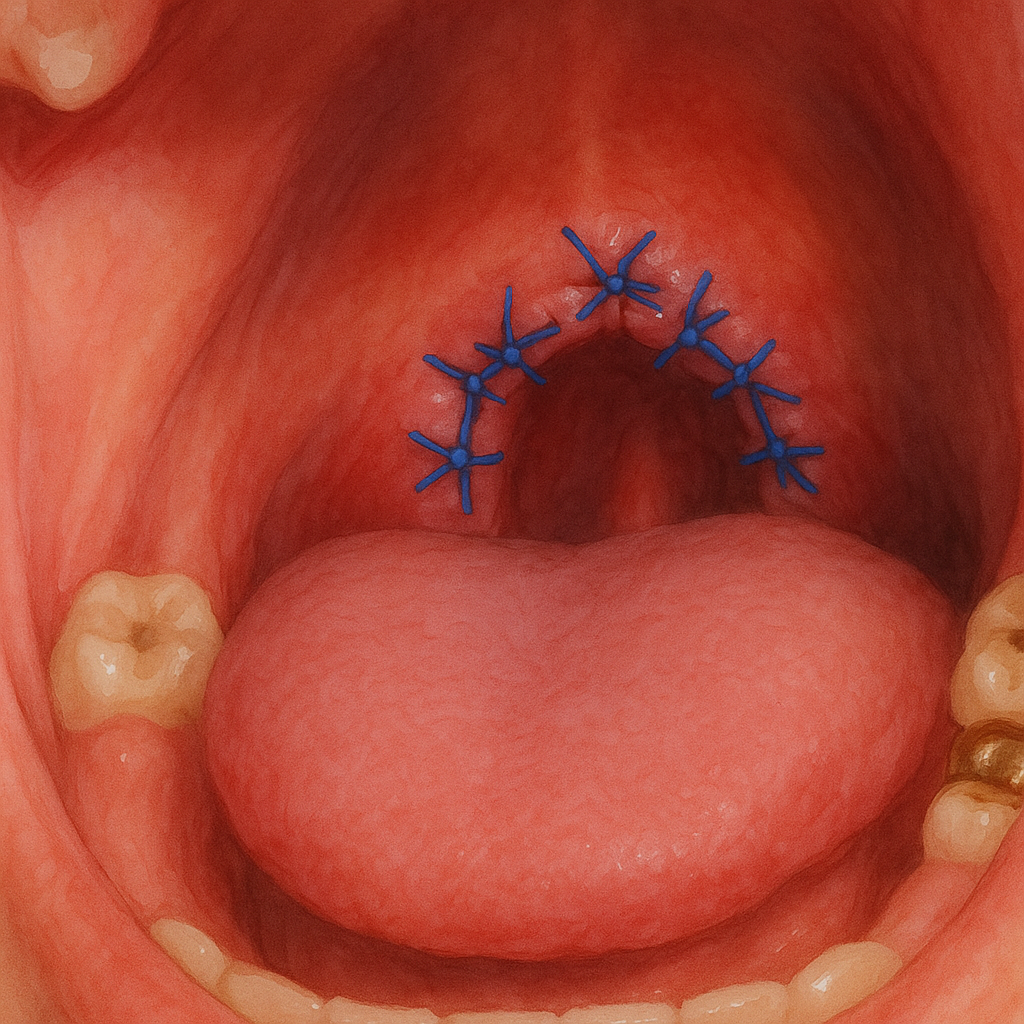
1. Uvulopalatopharyngoplasty (UPPP)
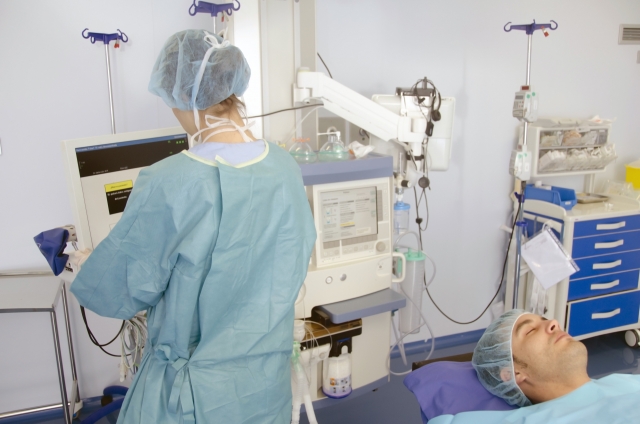
UPPP removes or reshapes part of the soft palate, uvula, and pharyngeal tissue to widen the throat. It is generally performed under general anesthesia and usually requires hospitalization.
Postoperative throat pain can be significant, particularly during the first week. Swallowing and eating may temporarily be difficult. UPPP may be useful when the main obstruction is around the soft palate, but it does not always cure OSA when the tongue base, jaw, obesity, or another airway level also contributes.
2. Uvulopalatoplasty or Uvular Suspension
This procedure shortens, reshapes, or suspends an elongated uvula. It may be considered for patients whose main concern is snoring and whose apnea is not severe. It may reduce snoring sound, but its effect on OSA is often limited.
3. Tongue-Base Reduction
Tongue-base surgery is considered when the back of the tongue physically blocks the airway. It may be performed through the mouth under general anesthesia. Because OSA is often multilevel, tongue reduction alone may not be sufficient and may be combined with soft-palate surgery.
4. Hyoid Suspension
Hyoid suspension moves and secures the hyoid bone forward to improve airway stability around the tongue base and lower pharynx. It is often used as part of multilevel surgery.
5. Septoplasty and Inferior Turbinate Surgery
Septoplasty straightens a deviated nasal septum, while turbinate surgery reduces enlarged tissue inside the nose. These procedures may improve nasal airflow, mouth breathing, and CPAP tolerance. Nasal surgery alone may not cure OSA if the main obstruction is in the throat.
Benefits and Disadvantages
| Category | Potential Benefits | Potential Disadvantages |
|---|---|---|
| Effect | May directly correct a structural cause | Results vary and complete cure is not guaranteed |
| Long-term use | May reduce dependence on nighttime equipment | Snoring or obstruction may recur |
| Comfort | No mask may be needed after successful surgery | Pain, swallowing difficulty, bleeding, or altered sensation may occur |
| Cost | May reduce long-term equipment costs | Initial costs may be high and some procedures may be self-pay |
Non-Surgical Laser Treatment as an Alternative
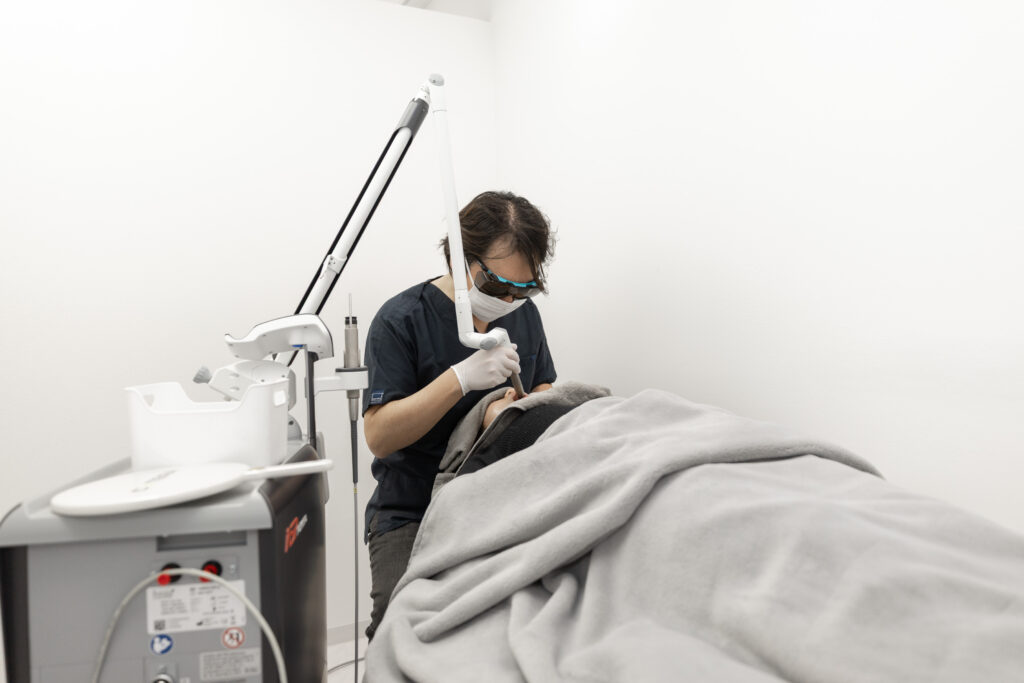
Surgery may require hospitalization, general anesthesia, tissue removal, and postoperative pain. When snoring is mainly caused by vibration and looseness of the soft palate or uvula, non-surgical laser treatment may be considered.
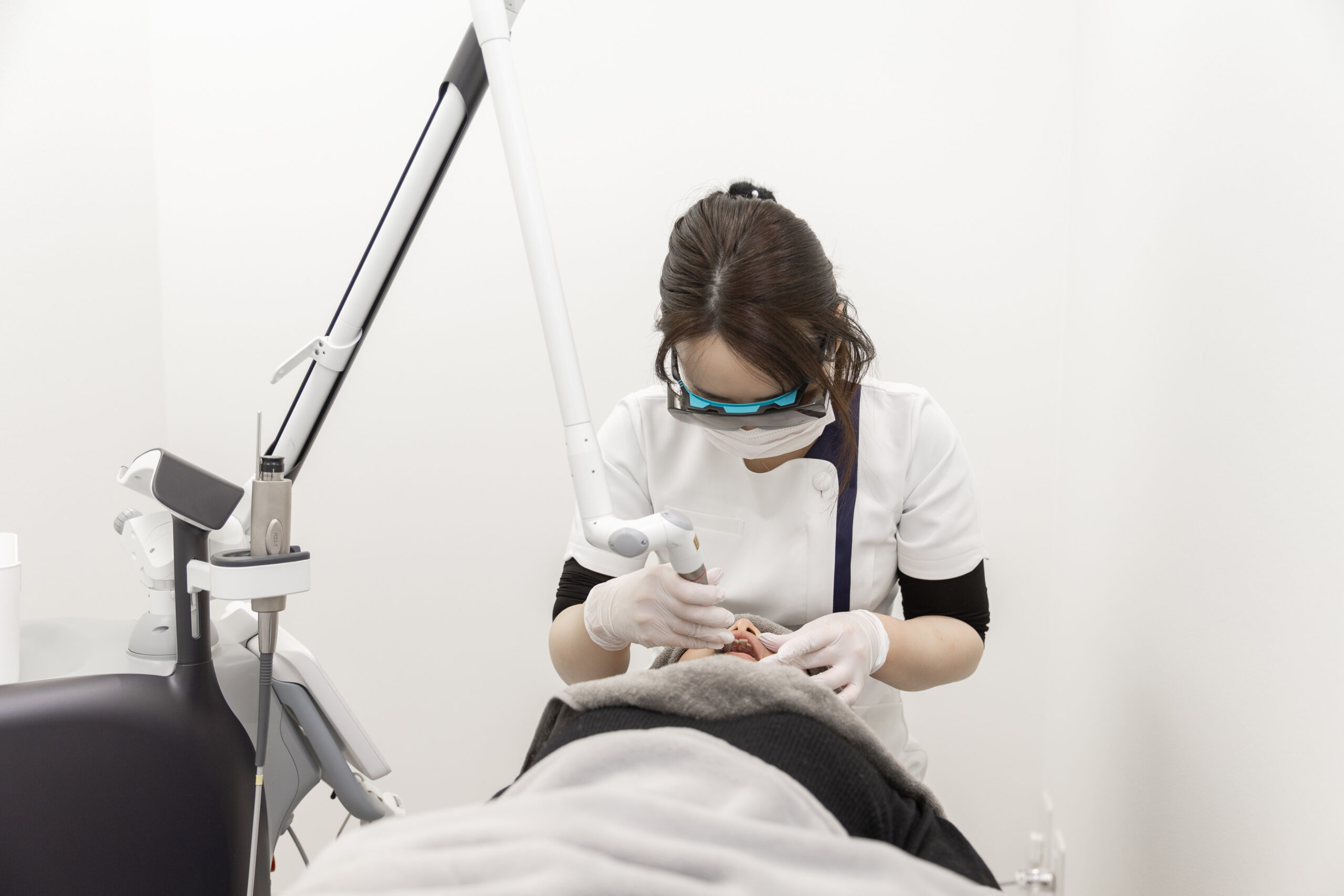
Dual Deep Thermia® uses controlled thermal energy to tighten and remodel selected upper-airway tissues without cutting them.
Laser treatment may suit patients who:
- Want to avoid hospitalization or tissue removal
- Cannot take significant downtime
- Have suspected soft-palate or uvular vibration
- Want a less invasive first option
- Primarily want to reduce disruptive snoring sound
Frequently Asked Questions
Can surgery completely cure snoring?
It may significantly improve snoring when a clear structural cause is present, but complete cure cannot be guaranteed.
Can surgery cure severe OSA?
Surgery may help selected patients, but CPAP is often still the most reliable treatment. Some patients require multilevel surgery or continued CPAP.
Is UPPP painful?
Postoperative throat pain can be significant, especially during the first week.
Does nasal surgery cure sleep apnea?
It may improve nasal airflow and CPAP tolerance but does not necessarily cure OSA.
Is laser treatment the same as surgery?
No. Non-surgical laser treatment does not remove the uvula or soft palate. It uses controlled heat to tighten selected tissues.
Summary
Surgery may be effective when snoring or OSA is caused by a clear anatomical obstruction. However, the correct treatment depends on the site of collapse, severity, nasal condition, jaw structure, body weight, and response to other treatments.
For patients who wish to avoid hospitalization, general anesthesia, tissue removal, and prolonged downtime, non-surgical laser treatment may be considered when the anatomy is suitable.
Do You Need Surgery or Could Laser Treatment Be Enough?
We evaluate the cause of snoring, OSA severity, and airway anatomy before recommending treatment.
[Insurance Treatment] Appointment-based care for snoring and sleep apnea
Ueno Snoring Clinic
📞 0120-899-930
5F Ueno Silk Building, 4-8-8 Ueno, Taito-ku, Tokyo 110-0005

Ueno Snoring Clinic
📞 0120-899-930
5F Ueno Silk Building, 4-8-8 Ueno, Taito-ku, Tokyo 110-0005
You can easily consult us via LINE ↓↓↓

*This article provides general medical information and does not replace individual diagnosis or surgical consultation.