Our Director has personally overseen more than 20,000 cases of general anesthesia as an anesthesiologist, specializing in circulatory and respiratory management. If you’re concerned about palpitations or an irregular heartbeat, and not just snoring or sleep apnea, please feel free to consult us.
Details of the tests and treatments offered at Ueno Snoring Clinic can be found here
You’ll Want to Know This! A Complete Comparison of 5 CPAP Types — What Doctors Really Look For
Our doctor compares five different CPAP machines side by side and explains what actually matters when choosing one.
Watch the video
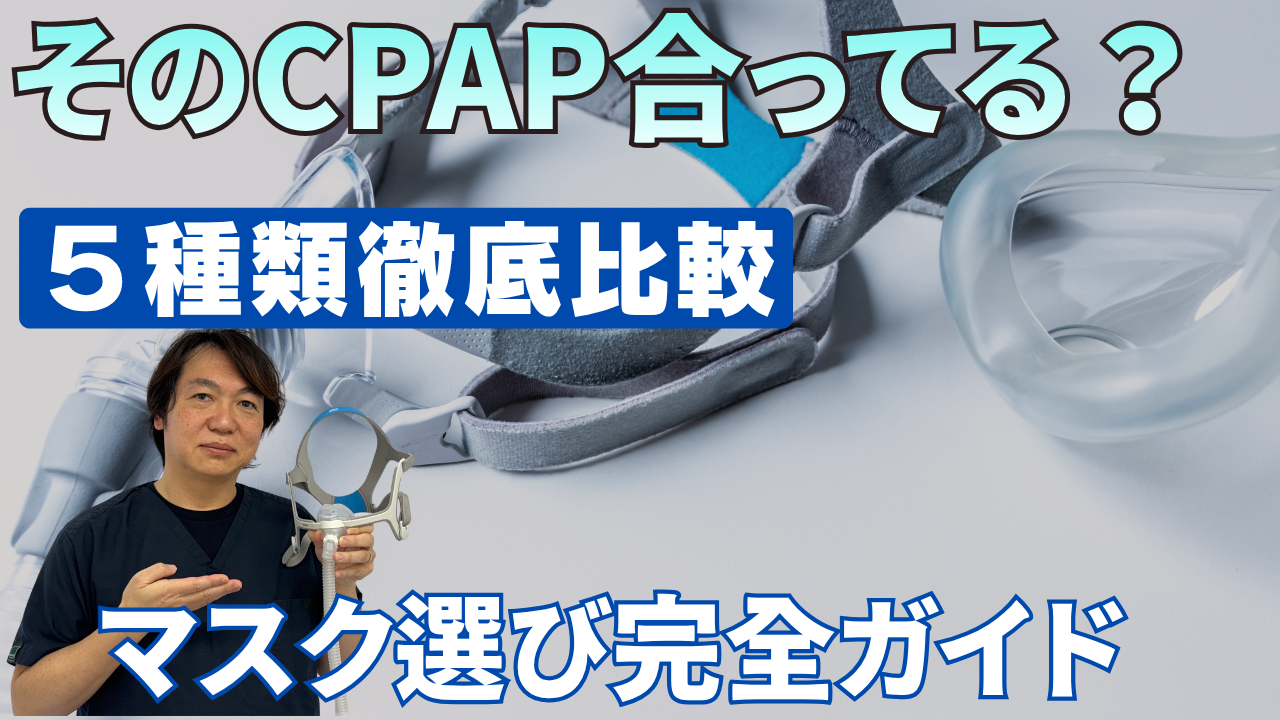
A Complete Comparison of CPAP Masks
We tried on and reviewed five different types of CPAP masks. 90% of CPAP comfort comes down to the mask.
Watch the video
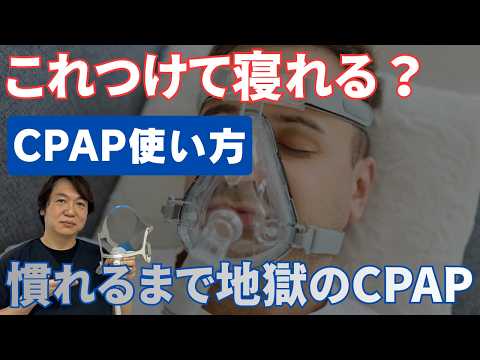
Do you have to use CPAP forever? A specialist explains how to use CPAP
A detailed explanation of how to use CPAP, with a real demonstration of what it feels like to wear the device.
Watch the video
Ueno Snoring Clinic was featured on Fuji TV’s “Live News It!” and on FNN Prime Online
Watch our clinic’s examination and explanation of sleep disorders, snoring, and sleep apnea.
Watch the video
Ueno Snoring Clinic was featured in an article on Nippon TV’s “news every.”
Please take a look as a starting point for thinking about getting evaluated for snoring, sleep apnea, or other sleep disorders.
Read the article
Reviewed by Our Director
Kazuyuki Sugaya
Director, Ueno Snoring Clinic / Anesthesiologist
Our director, with over 20,000 general anesthesia cases, focuses primarily on the diagnosis and treatment of snoring and sleep apnea, offering care tailored to each patient. [Insurance-Covered] Ueno Snoring Clinic
This article was reviewed by our Director, Kazuyuki Sugaya, and explains the relationship between sleep apnea syndrome and atrial fibrillation.
🩺Comprehensive Snoring Treatment at Ueno Snoring Clinic
Ueno Snoring Clinic draws on our director’s experience managing whole-body physiology as an anesthesiologist to provide testing and treatment that also takes the risk of coexisting cardiovascular conditions into account.
Insurance-Covered: Thorough Testing and Ongoing Treatment
- Simplified and PSG testing: An objective assessment of how severe your snoring or apnea is
- CPAP treatment: The standard treatment for moderate-to-severe apnea, with ongoing support to help you continue
Self-Pay: Address the Root Cause, Short-Term Focus
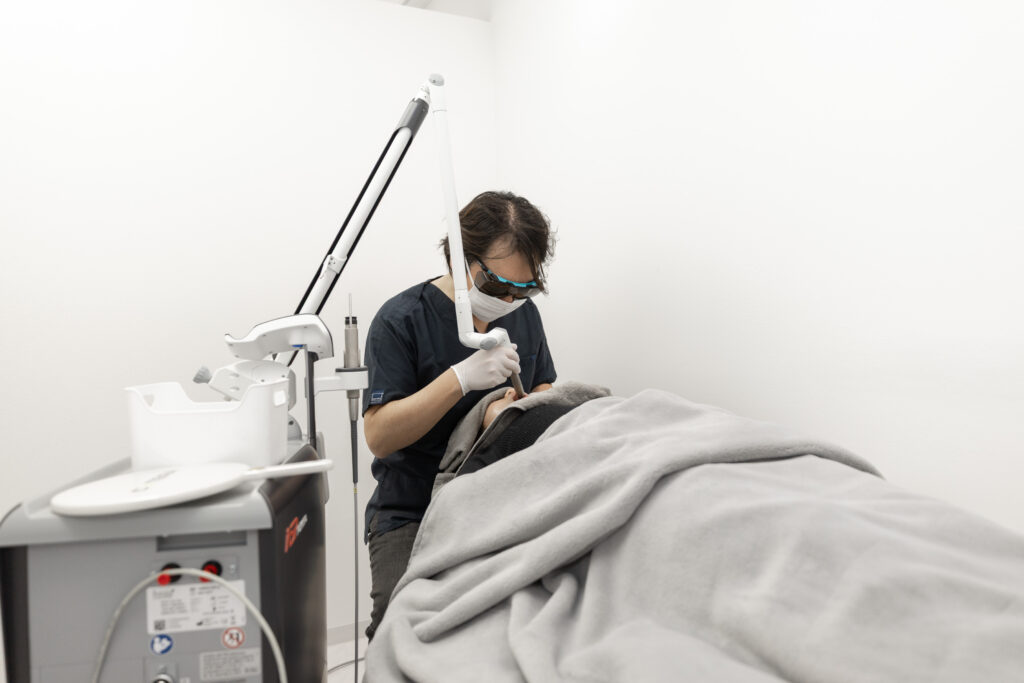
- Snoring laser treatment: Available in 3-, 6-, or 12-session courses
- Medically supervised weight loss: An option when excess weight is a contributing factor
*The diagnosis and treatment of arrhythmia itself is a specialty of cardiology. Our clinic supports patients from the perspective of snoring and sleep apnea, in coordination with cardiology specialists.
Our Director’s book, “Curing Snoring with the Latest Treatments” (an Amazon Japan bestseller — #1 in General Medicine, #1 in Clinical Internal Medicine, #2 in Family Health & Wellness), also covers this topic in more detail.
New Book by Our Director
“Curing Snoring with the Latest Treatments”
A guide to the latest snoring treatments, written by an anesthesiologist who has overseen the sleep of more than 10,000 patients.
View on Amazon
Quick Answer
Sleep apnea syndrome is reported to make arrhythmias such as atrial fibrillation more likely, as repeated overnight oxygen drops, sympathetic nervous system overactivation, blood pressure fluctuations, and strain on the atria accumulate over time. Reported figures vary between studies, but many people with atrial fibrillation are also found to have sleep apnea syndrome, and the two conditions appear to interact with each other. Some studies also report that continued CPAP use is associated with fewer arrhythmia recurrences, so anyone who has been told they have palpitations or an irregular heartbeat may find it worthwhile to also get tested for sleep apnea. When choosing where to be treated for snoring, one useful thing to check is whether the treating doctor has clinical experience in fields involving circulatory and respiratory management, such as internal medicine or anesthesiology.
📋 What This Article Covers
- What atrial fibrillation is
- Why sleep apnea syndrome increases arrhythmia risk
- What the data shows about the connection between the two
- Why it’s worth checking your doctor’s background when choosing snoring treatment
- When to seek care for palpitations or an irregular heartbeat
What Is Atrial Fibrillation?

Atrial fibrillation is a type of arrhythmia in which the atria — the upper chambers of the heart — quiver rapidly and irregularly instead of beating in a steady rhythm. It can cause noticeable symptoms like palpitations, dizziness, or shortness of breath, but it’s also often found with no symptoms at all, discovered incidentally on an ECG during a routine checkup.
Atrial fibrillation itself is rarely directly life-threatening, but it shouldn’t be left untreated: blood can pool and stagnate inside the atria, forming clots that, if they travel to the brain, can cause a stroke.
Why Sleep Apnea Syndrome Increases Arrhythmia Risk

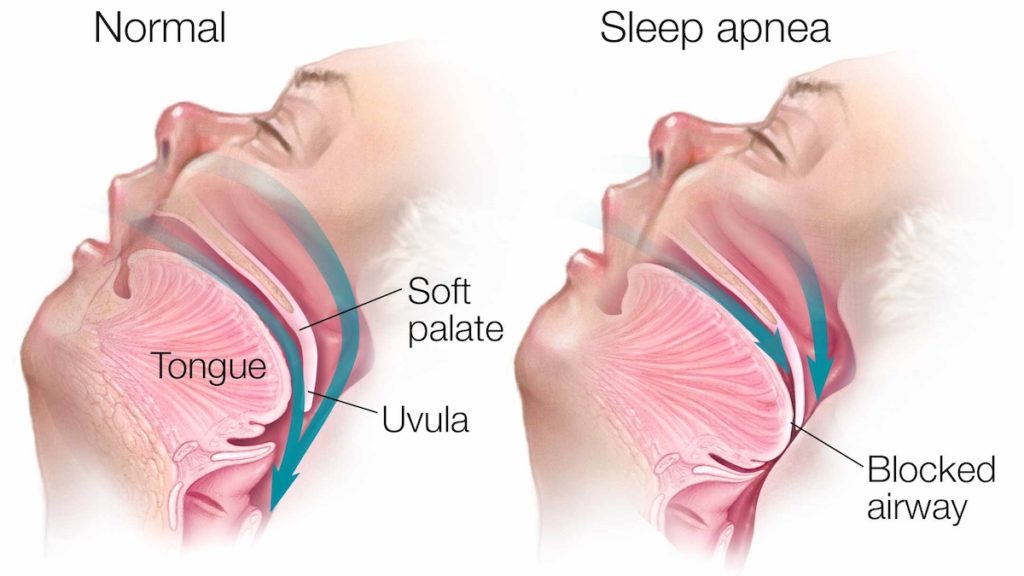
In sleep apnea syndrome, breathing repeatedly stops or becomes shallow during sleep. Each of these individual apnea events is thought to place the following kinds of strain on the heart.
| Mechanism |
Effect on the Heart |
| Hypoxemia |
Blood oxygen falls with each apnea event, placing a load on the heart muscle |
| Sympathetic overactivation |
The sympathetic nervous system surges sharply when breathing resumes, disrupting heart rate and blood pressure |
| Nighttime blood pressure fluctuations |
Repeated sharp swings in blood pressure accumulate strain on the heart |
| Atrial remodeling |
Over time, these effects can cause the left atrium to enlarge and change structurally, making arrhythmia more likely |
It’s not a single cause, but several forms of strain accumulating together that are thought to raise arrhythmia risk.
The longer snoring and apnea go untreated, the greater the accumulated strain on the heart may be.
What the Data Shows
The connection between sleep apnea syndrome and atrial fibrillation has been the subject of numerous studies both in Japan and abroad. Figures vary depending on study design and population, but some general trends have been reported.
| Point of Comparison |
Reported Trend |
| Atrial fibrillation risk in sleep apnea patients |
Several studies report a risk several times higher than in healthy individuals, tending to rise with apnea severity |
| Rate of sleep apnea in atrial fibrillation patients |
Figures vary by study, but many report rates around half or even higher |
| CPAP treatment and recurrence after ablation |
Some studies report lower atrial fibrillation recurrence rates among patients who continue CPAP treatment |
Even accounting for the range in reported figures, the idea of considering snoring/sleep apnea and arrhythmia together, rather than as separate issues, is gaining increasing attention in cardiology as well. For more on testing considerations for patients with heart conditions, see the related article below.
Related
Can Sleep Apnea Be Missed on a Simplified Test? False Negatives and When a Full PSG Is Needed
We’re currently translating our Japanese-language article on this topic, which covers cases — including patients with coexisting heart conditions — where a full PSG sleep study is recommended. Please contact the clinic directly if you’d like to know more in the meantime.
Why the Treating Doctor’s Background Matters When Choosing Snoring Treatment
As we’ve seen, snoring and sleep apnea syndrome aren’t simply a “noise” issue — they’re a whole-body issue that can affect the cardiovascular system. That’s why, when choosing a clinic for snoring treatment, it’s worth checking not just the treatment menu, but also the kind of clinical experience the treating doctor actually has.
In particular, clinical experience in fields involving whole-body circulatory and respiratory management — such as internal medicine or anesthesiology — is one useful marker to look for. Anesthesiologists specialize in “whole-body management”: continuously monitoring a patient’s blood pressure, heart rate, and breathing in real time during surgery, and responding immediately if anything goes wrong. Whether a doctor can factor in the possibility of an underlying heart or blood pressure issue behind snoring or apnea is a point that also matters for the safety of your treatment.
Points worth checking
– Does the doctor have experience in a field involving whole-body management, such as internal medicine or anesthesiology?
– If laser treatment is being offered, is a simplified or PSG sleep test done beforehand?
– If you mention palpitations or an irregular heartbeat, will they suggest coordinating with a cardiologist?
Ueno Snoring Clinic’s Director has personally overseen more than 20,000 cases of general anesthesia as an anesthesiologist, specializing in circulatory and respiratory management during surgery. Drawing on that experience, our approach to snoring and sleep apnea prioritizes testing where appropriate and takes the possibility of a coexisting cardiovascular condition into account.
When to Seek Care for Palpitations or an Irregular Heartbeat
If any of the following sound familiar, it’s worth considering both a sleep apnea test and a consultation with a cardiologist.
| Symptom |
A Reasonable Response |
| Palpitations or an irregular pulse at night or on waking |
Consider both an ECG at a cardiology clinic and a simplified sleep apnea test |
| Told you have atrial fibrillation at a checkup |
Continue cardiology follow-up while also checking for snoring or sleep apnea |
| Loud snoring along with significant daytime sleepiness |
Start with a simplified sleep apnea test to check severity |
In every case, testing for sleep apnea and testing for cardiovascular issues complement each other. We’d recommend not relying on just one or the other, but checking from both angles.
What We Offer at Ueno Snoring Clinic
Ueno Snoring Clinic is a sleep medicine clinic specializing in snoring and sleep apnea syndrome. Our Director draws on his background as an anesthesiologist managing circulatory and respiratory physiology to provide testing and treatment with an eye toward cardiac strain as well.
If you’ve been told you have palpitations or an irregular heartbeat, or you’re curious about the connection between snoring and heart health, please feel free to talk to us.
In Summary: Snoring and Apnea Are a Whole-Body Issue That Involves the Heart Too
Sleep apnea syndrome has been reported to raise the risk of arrhythmias, including atrial fibrillation, through low oxygen, sympathetic overactivation, and blood pressure fluctuations. Snoring shouldn’t be dismissed as merely a “noise” issue — it’s worth connecting it to your overall health.
When choosing snoring treatment, it’s worth checking not just the treatment itself, but also how familiar the treating doctor is with whole-body circulatory and respiratory management.
Concerned About Palpitations or an Irregular Heartbeat? We’re Here to Help Too
Drawing on our Director’s background in whole-body management as an anesthesiologist, we’ll evaluate your snoring and sleep apnea.
Frequently Asked Questions
Q. If I treat my sleep apnea, will my atrial fibrillation go away too?
A. Improving apnea through treatments like CPAP has been reported to help prevent arrhythmias from worsening or recurring, but atrial fibrillation itself requires specialized diagnosis and treatment from a cardiologist.
Q. Can I tell if I have atrial fibrillation just from my snoring?
A. The sound of snoring alone can’t tell you whether you have an arrhythmia. If you notice palpitations or an irregular pulse, we’d recommend an ECG at a cardiology clinic.
Q. Why does an “anesthesiologist’s” background matter for snoring treatment?
A. Anesthesiologists specialize in continuously monitoring and managing a patient’s circulatory and respiratory status during surgery. Being able to factor in the cardiovascular risks that may underlie snoring or apnea is a useful marker of treatment safety.
Q. Is testing necessary before laser treatment?
A. Yes. Proceeding with treatment without first checking apnea severity and the possibility of a coexisting heart condition carries real risk, so we recommend starting with an evaluation such as a simplified sleep test.
Please Start With an Initial Consultation
From testing to treatment for snoring and sleep apnea, we support you with a whole-body perspective. Fully appointment-based, with same-day appointments available.
*This article is a general explanation, written for a broad audience and based on the sources above together with our clinic’s own clinical experience. It is not a substitute for medical advice. The diagnosis and treatment of atrial fibrillation and other arrhythmias should be handled by a cardiologist; please consult one if you have relevant symptoms.








いびきを最新治療で治す-表紙-1.png)