Ueno Snoring Clinic provides testing and treatment that takes into account both snoring/sleep apnea and brain and cardiovascular risk. If you’ve been told you have high blood pressure, or a family member has pointed out that you snore or stop breathing during sleep, please feel free to consult us.
Details of the tests and treatments offered at Ueno Snoring Clinic can be found here
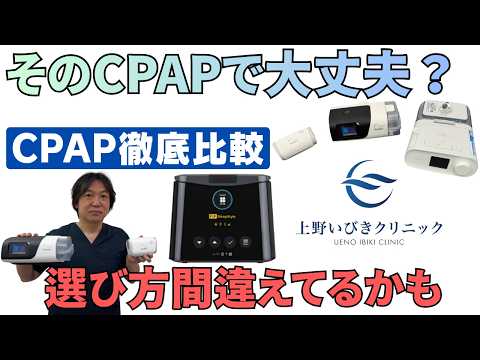
You’ll Want to Know This! A Complete Comparison of 5 CPAP Types — What Doctors Really Look For
Our doctor compares five different CPAP machines side by side and explains what actually matters when choosing one.
Watch the video
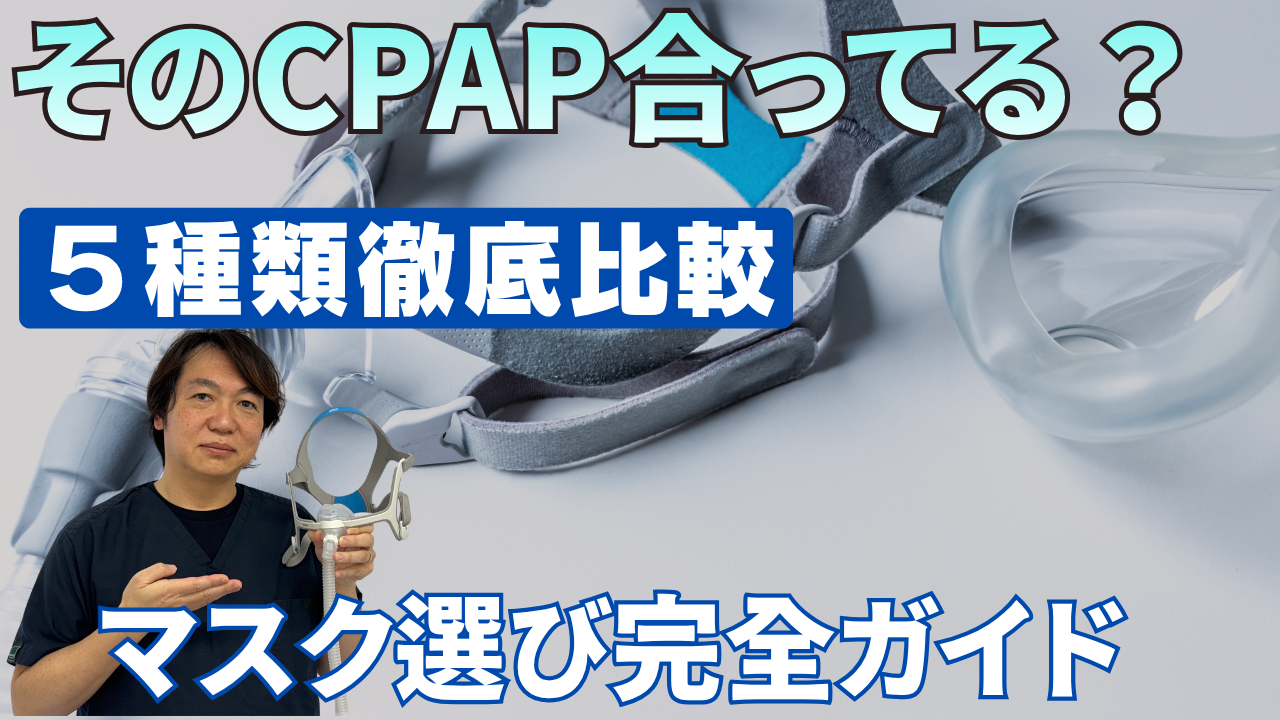
A Complete Comparison of CPAP Masks
We tried on and reviewed five different types of CPAP masks. 90% of CPAP comfort comes down to the mask.
Watch the video
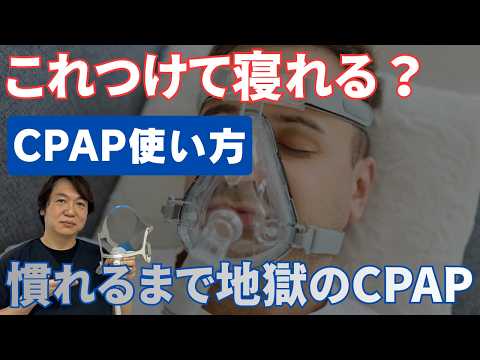
Do you have to use CPAP forever? A specialist explains how to use CPAP
A detailed explanation of how to use CPAP, with a real demonstration of what it feels like to wear the device.
Watch the video
Ueno Snoring Clinic was featured on Fuji TV’s “Live News It!” and on FNN Prime Online
Watch our clinic’s examination and explanation of sleep disorders, snoring, and sleep apnea.
Watch the video
Ueno Snoring Clinic was featured in an article on Nippon TV’s “news every.”
Please take a look as a starting point for thinking about getting evaluated for snoring, sleep apnea, or other sleep disorders.
Read the article
Reviewed by Our Director
Kazuyuki Sugaya
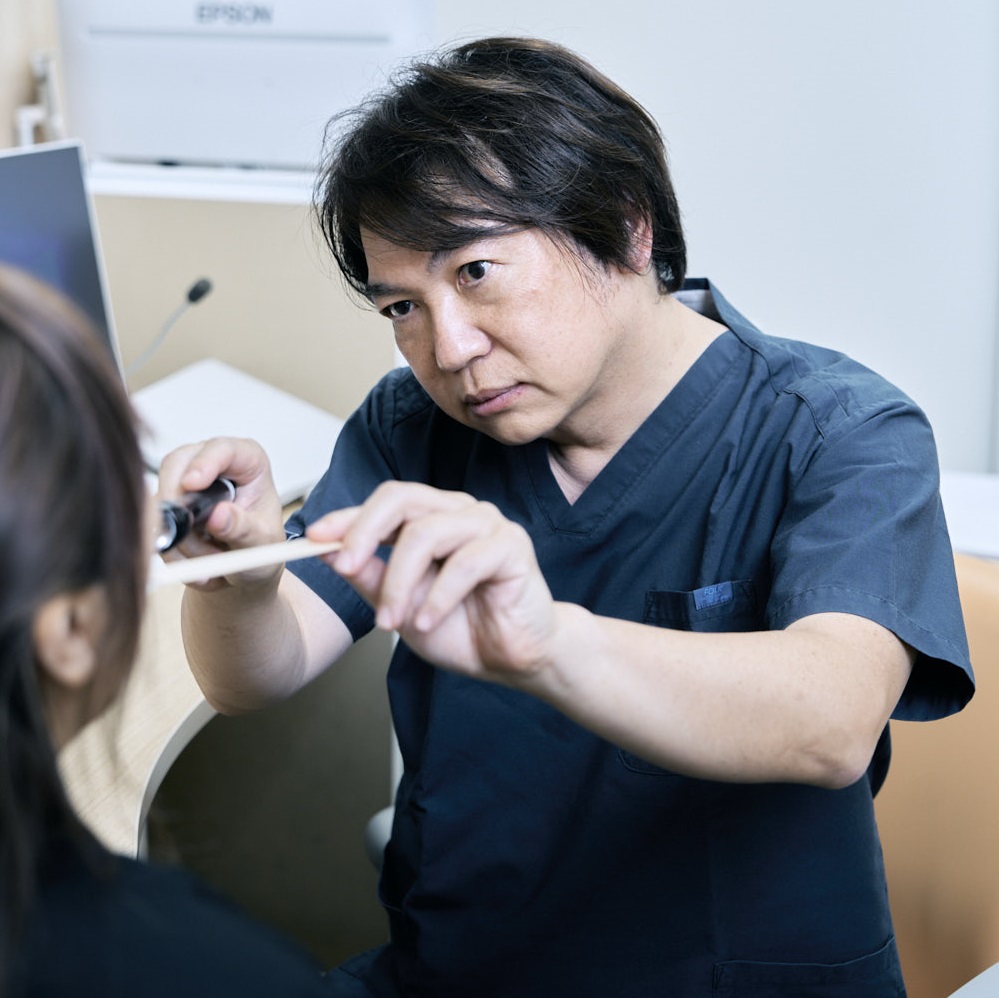
Director, Ueno Snoring Clinic / Anesthesiologist
Our director, with over 20,000 general anesthesia cases, focuses primarily on the diagnosis and treatment of snoring and sleep apnea, offering care tailored to each patient. [Insurance-Covered] Ueno Snoring Clinic
This article was reviewed by our Director, Kazuyuki Sugaya, and explains the relationship between sleep apnea syndrome and stroke risk.
🩺Comprehensive Snoring Treatment at Ueno Snoring Clinic
Ueno Snoring Clinic draws on our director’s experience managing whole-body physiology as an anesthesiologist to provide testing and treatment that also takes brain and cardiovascular risk into account.
Insurance-Covered: Thorough Testing and Ongoing Treatment
- Simplified and PSG testing: An objective assessment of how severe your snoring or apnea is
- CPAP treatment: The standard treatment for moderate-to-severe apnea, with ongoing support to help you continue
Self-Pay: Address the Root Cause, Short-Term Focus
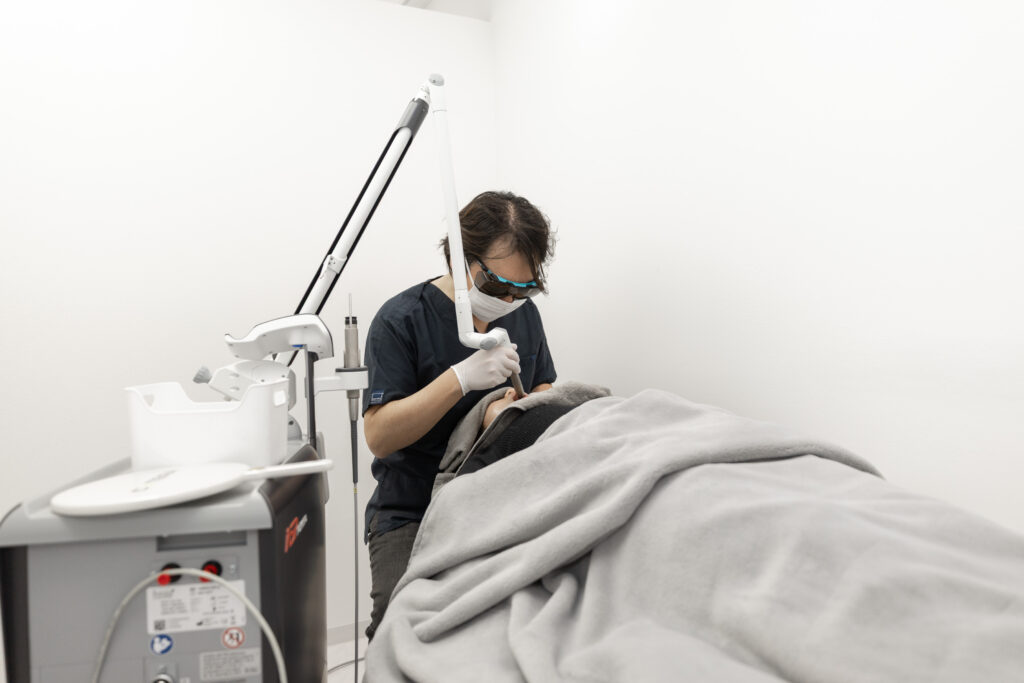
- Snoring laser treatment: Available in 3-, 6-, or 12-session courses
- Medically supervised weight loss: An option when excess weight is a contributing factor
*The diagnosis and treatment of stroke itself is handled by neurology specialists. Our clinic supports patients from the perspective of snoring and sleep apnea, in coordination with those specialists.
Our Director’s book, “Curing Snoring with the Latest Treatments” (an Amazon Japan bestseller — #1 in General Medicine, #1 in Clinical Internal Medicine, #2 in Family Health & Wellness), also covers this topic in more detail.
New Book by Our Director
“Curing Snoring with the Latest Treatments”
A guide to the latest snoring treatments, written by an anesthesiologist who has overseen the sleep of more than 10,000 patients.
View on Amazon
Quick Answer
In sleep apnea syndrome, a combination of factors — oxidative stress and endothelial dysfunction from repeated nighttime oxygen drops, nocturnal high blood pressure from sympathetic nervous system overactivation, progressive arterial stiffening, and increased blood clotting tendency — is reported to contribute to stroke risk. Some studies report that severe cases carry a risk of ischemic or hemorrhagic stroke several times higher than in healthy individuals. That said, solid clinical trial evidence that CPAP treatment itself reduces the actual occurrence of stroke is not yet well established. At the same time, CPAP’s role in managing blood pressure and atrial fibrillation — both established stroke risk factors — does help address risk indirectly, which is why testing is recommended for anyone with significant daytime sleepiness or apnea symptoms.
📋 What This Article Covers
- The connection between sleep apnea syndrome and stroke risk
- How nighttime low oxygen affects the brain’s blood vessels
- Why stroke often occurs “on waking” or in the early morning
- Stroke risk via atrial fibrillation
- Whether CPAP treatment can help prevent stroke
The Connection Between Sleep Apnea Syndrome and Stroke Risk
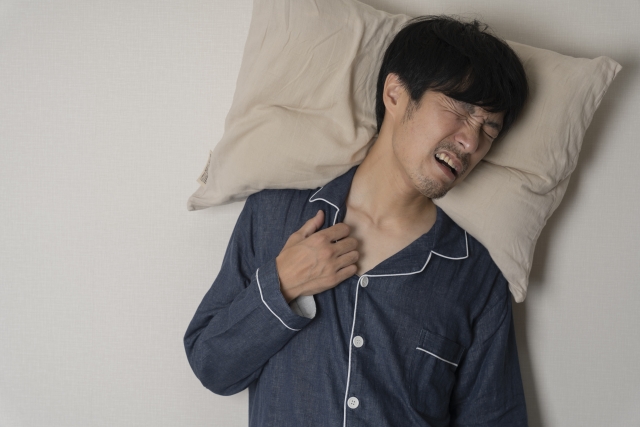
Multiple studies have reported that people with severe sleep apnea syndrome carry a risk of ischemic or hemorrhagic stroke several times higher than healthy individuals. The risk appears to rise as apnea severity increases.
Among patients who have had a stroke, it’s said that a meaningful number had undiagnosed sleep apnea syndrome at the time. Rather than dismissing snoring and apnea as simply a “noise” problem, it’s important to also think about them in terms of brain vascular health.
How Nighttime Low Oxygen Affects the Brain’s Blood Vessels
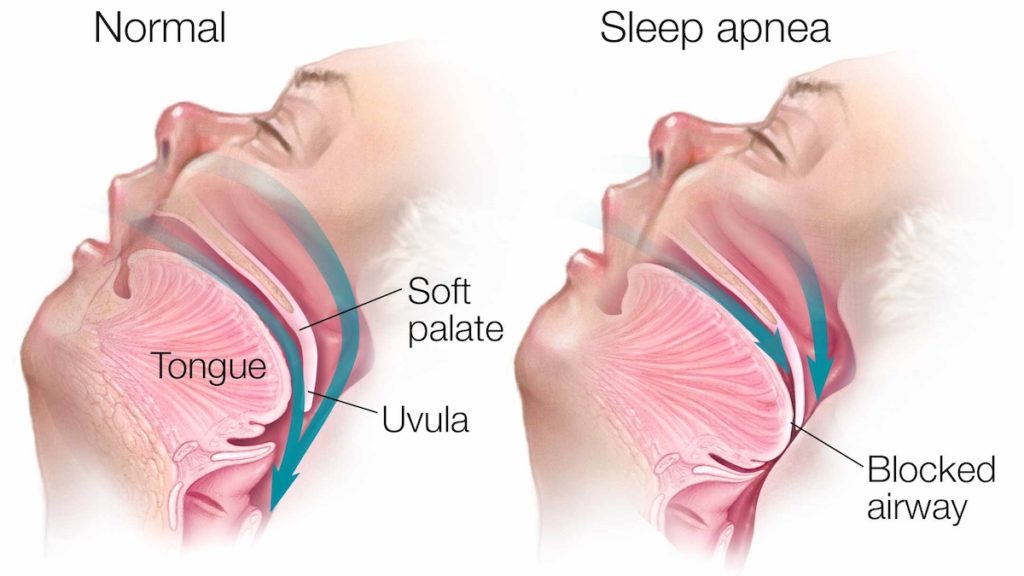
In sleep apnea syndrome, blood oxygen falls each time breathing stops, then rises sharply again once breathing resumes. This repeated cycle is thought to place the following kinds of strain on the brain’s blood vessels.
| Mechanism |
Effect on the Brain’s Blood Vessels |
| Oxidative stress |
Repeated cycles of low oxygen and reoxygenation generate excess free radicals, damaging the cells lining the blood vessels |
| Endothelial dysfunction |
The vessels’ ability to maintain smooth blood flow declines, making them more prone to constriction |
| Sympathetic overactivation and nocturnal hypertension |
Blood pressure and heart rate spike with each apnea event, keeping nighttime blood pressure elevated when it should normally drop |
| Progressive arterial stiffening |
Repeated vascular strain gradually causes the arteries to lose their elasticity |
| Increased blood clotting tendency |
Blood becomes thicker and more prone to forming clots |
These effects can repeat dozens of times a night — or, in severe cases, hundreds of times — gradually accumulating strain on the brain’s blood vessels.
The longer snoring and apnea go untreated, the greater the accumulated strain on the brain’s vasculature may be.
Why Stroke Often Occurs “On Waking” or in the Early Morning
Patients with sleep apnea syndrome are reported to have a particular tendency to experience ischemic stroke upon waking or in the early morning hours. This is thought to result from a combination of the vascular strain that has accumulated overnight and the surge in autonomic nervous system activity and blood pressure that typically occurs around waking.
If you notice symptoms like numbness in your limbs or slurred speech upon waking, you should seek medical attention promptly given the possibility of stroke. Once you’re stable, it’s also worth checking whether snoring or sleep apnea may be an underlying factor, as part of preventing a recurrence.
Stroke Risk via Atrial Fibrillation

Sleep apnea syndrome has also been linked to a higher risk of atrial fibrillation, a type of irregular heartbeat. With atrial fibrillation, blood can pool and stagnate inside the heart, making clots more likely to form — and if one of these clots travels to the brain, it can cause a cardioembolic stroke.
Related
Sleep Apnea and Atrial Fibrillation: Why Does Irregular Heartbeat Increase?
We’re currently translating our Japanese-language article on this topic, which covers the mechanism behind the increased irregular heartbeat and what to look for when choosing where to be treated. Please contact the clinic directly if you’d like to know more in the meantime.
Can CPAP Treatment Help Prevent Stroke?
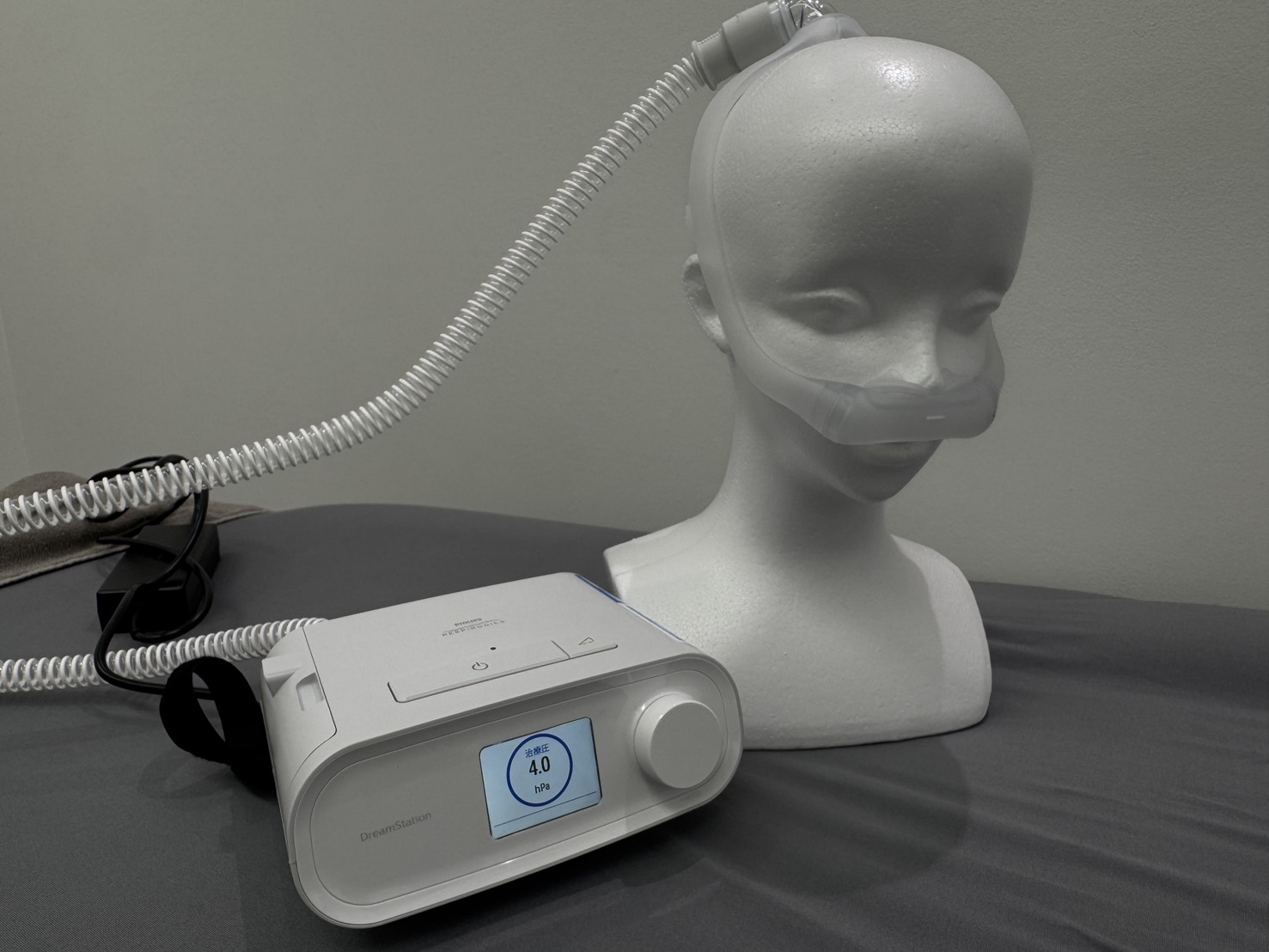
We want to be upfront about something here. There isn’t yet solid large-scale clinical trial evidence that would let us say, definitively, “CPAP treatment reliably prevents stroke.” International stroke-prevention guidelines position sleep apnea syndrome as a factor associated with stroke risk, but whether CPAP treatment itself actually reduces stroke occurrence is a question that still needs further research.
At the same time, multiple studies have shown that CPAP treatment improves the management of nocturnal hypertension and atrial fibrillation — both well-established stroke risk factors in their own right. For anyone with significant daytime sleepiness, or who has been told they snore or stop breathing during sleep, getting tested to understand where you actually stand is recommended from a stroke-prevention standpoint as well.
This isn’t as simple as “CPAP cures stroke.”
What matters is the broader idea of managing multiple stroke-related risk factors — blood pressure, irregular heartbeat, and others — together.
What We Offer at Ueno Snoring Clinic
Ueno Snoring Clinic is a sleep medicine clinic specializing in snoring and sleep apnea syndrome. Our Director draws on his background as an anesthesiologist managing circulatory and respiratory physiology to provide testing and treatment with an eye toward brain and cardiovascular strain as well.
If you’ve been told you have high blood pressure, a family member has pointed out that you snore or stop breathing during sleep, or you have a family history of stroke, please feel free to talk to us.
In Summary: Snoring and Apnea Are a Whole-Body Issue That Involves the Brain’s Blood Vessels Too
Sleep apnea syndrome has been reported to contribute to stroke risk through oxidative stress, nocturnal hypertension, arterial stiffening, and increased blood clotting tendency. Its connection to strokes occurring on waking or in the early morning has also been noted, which is why it’s important not to dismiss snoring as merely a “noise” issue.
There isn’t yet solid evidence that CPAP treatment alone reliably prevents stroke, but it does appear to help manage established risk factors like blood pressure and irregular heartbeat. If you have symptoms that concern you, start by getting tested to understand where you stand.
Concerned About Your Brain or Cardiovascular Risk? We’re Here to Help Too
Drawing on our Director’s background in whole-body management as an anesthesiologist, we’ll evaluate your snoring and sleep apnea.
Frequently Asked Questions
Q. Does having sleep apnea syndrome mean I’ll definitely have a stroke?
A. Not necessarily. However, severe cases have been reported to carry a higher risk of ischemic and hemorrhagic stroke compared with healthy individuals, so it’s worth taking seriously.
Q. Can CPAP treatment prevent stroke?
A. There isn’t yet strong, large-scale evidence that CPAP treatment alone reliably reduces the occurrence of stroke. That said, it’s been shown to help manage established stroke risk factors such as blood pressure and atrial fibrillation.
Q. What should I do first if I notice possible stroke symptoms after waking up?
A. Numbness in the limbs or slurred speech can indicate a stroke, so please seek medical attention promptly rather than waiting to see how things go. Once you’re stable, it’s also worth checking whether snoring or sleep apnea may have been a contributing factor.
Q. Can I tell my stroke risk just from how loud I snore?
A. Loudness alone can’t tell you that. If you experience significant daytime sleepiness, or a family member has noticed pauses in your breathing during sleep, we’d recommend getting tested.
Please Start With an Initial Consultation
From testing to treatment for snoring and sleep apnea, we support you with a whole-body perspective. Fully appointment-based, with same-day appointments available.
*This article is a general explanation, written for a broad audience and based on the sources above together with our clinic’s own clinical experience. It is not a substitute for medical advice. Stroke is a medical emergency — if you notice possible symptoms, seek medical attention immediately rather than waiting.






いびきを最新治療で治す-表紙-1.png)