Ueno Snoring Clinic offers insurance-covered sleep testing and CPAP management, as well as self-pay laser treatment for snoring, tailored to your specific condition. If you’d like to find out which treatment fits you, please start with an initial consultation.
Details of the tests and treatments offered at Ueno Snoring Clinic can be found here
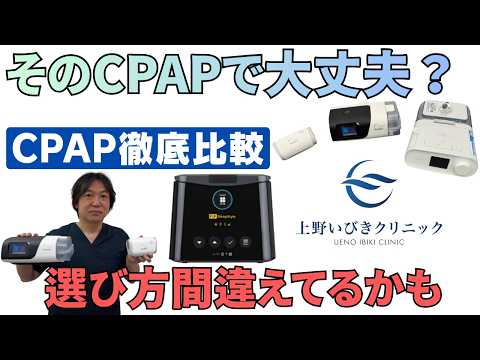
You’ll Want to Know This! A Complete Comparison of 5 CPAP Types — What Doctors Really Look For
Our doctor compares five different CPAP machines side by side and explains what actually matters when choosing one.
Watch the video
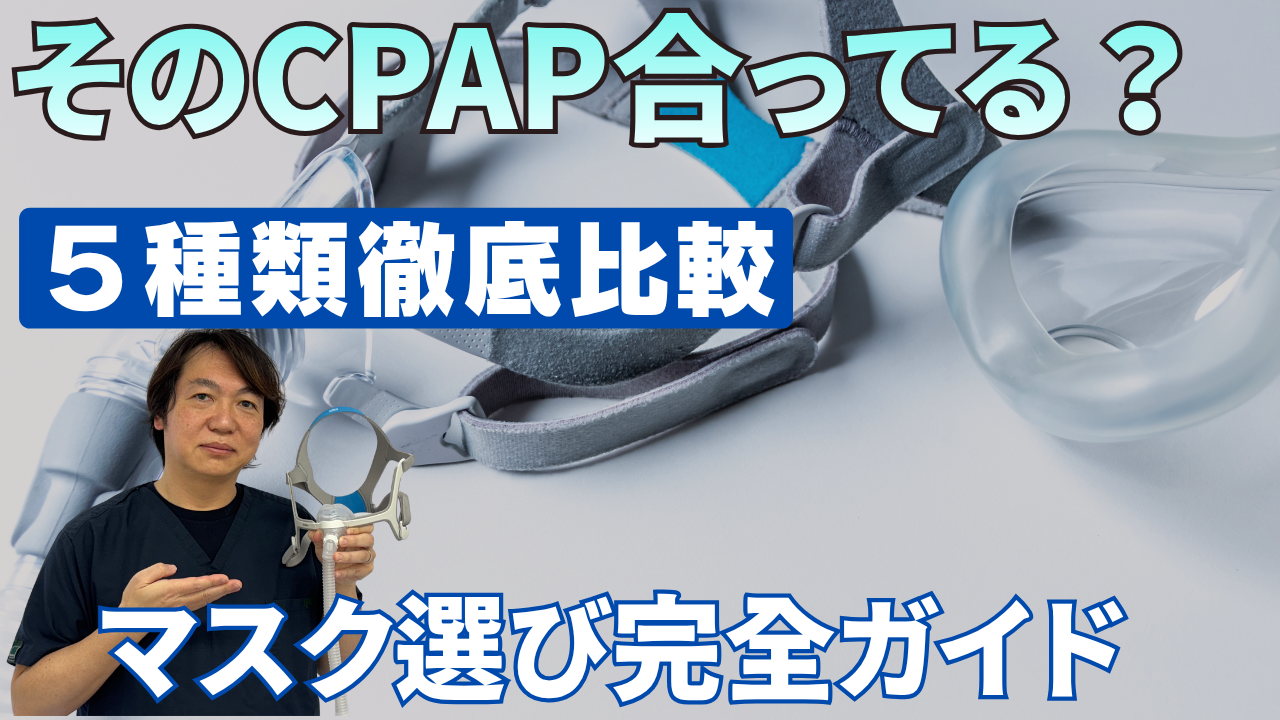
A Complete Comparison of CPAP Masks
We tried on and reviewed five different types of CPAP masks. 90% of CPAP comfort comes down to the mask.
Watch the video
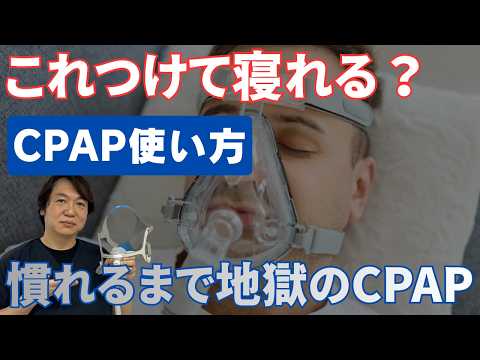
Do you have to use CPAP forever? A specialist explains how to use CPAP
A detailed explanation of how to use CPAP, with a real demonstration of what it feels like to wear the device.
Watch the video
Ueno Snoring Clinic was featured on Fuji TV’s “Live News It!” and on FNN Prime Online
Watch our clinic’s examination and explanation of sleep disorders, snoring, and sleep apnea.
Watch the video
Ueno Snoring Clinic was featured in an article on Nippon TV’s “news every.”
Please take a look as a starting point for thinking about getting evaluated for snoring, sleep apnea, or other sleep disorders.
Read the article
For Anyone Concerned About Snoring, Sleep Apnea, or Morning Neck Stiffness
If you experience morning shoulder stiffness, neck pain, headaches, or daytime sleepiness, your breathing during sleep may be disrupted. Ueno Snoring Clinic offers a wide range of care, from insurance-covered sleep apnea testing and CPAP management to self-pay laser treatment for snoring.
*Whether insurance-covered or self-pay care applies depends on your symptoms and test results.
Reviewed by Our Director
Kazuyuki Sugaya
Director, Ueno Snoring Clinic / Anesthesiologist
Our director, with over 20,000 general anesthesia cases, focuses primarily on the diagnosis and treatment of snoring and sleep apnea, offering care tailored to each patient. [Insurance-Covered] Ueno Snoring Clinic
This article was reviewed by our Director, Kazuyuki Sugaya, and explains accurate medical information about the testing and treatment of snoring and sleep apnea syndrome (SAS) in clear, accessible terms.
🩺Comprehensive Snoring Treatment at Ueno Snoring Clinic
Snoring and sleep apnea can stem from many different causes — throat structure, nasal congestion, obesity, the tongue falling backward, lifestyle habits, alcohol use, and overall sleep quality, among others. Ueno Snoring Clinic combines insurance-covered testing and CPAP management with self-pay laser treatment for snoring to recommend the plan that best fits each patient.
Insurance-Covered: Testing and CPAP Management
- Simplified and PSG testing: Assessing the severity of sleep apnea
- CPAP treatment: The standard treatment for moderate-to-severe sleep apnea
For Patients With Neck and Shoulder Tension
- CPAP fit adjustment: Reviewing mask fit, pressure, humidity, and sleep position
- Block injections: Offered as a supplementary option for neck and shoulder pain when appropriate
New Book by Our Director
“Curing Snoring with the Latest Treatments”
A guide to the latest snoring treatments, written by an anesthesiologist who has overseen the sleep of more than 10,000 patients.
View on Amazon
Quick Answer
CPAP isn’t a direct treatment for shoulder or neck stiffness, but some patients notice their neck and shoulder tension ease after starting it. This is thought to happen because CPAP stabilizes breathing during sleep, which can reduce nighttime oxygen dips, lower sympathetic nervous system tension, ease teeth grinding or jaw clenching, and allow for deeper, more restorative sleep — all of which can otherwise contribute to morning stiffness. That said, CPAP can occasionally cause new neck or shoulder tightness if the mask, hose, pillow, or sleep position aren’t well suited to you, and for persistent pain, Ueno Snoring Clinic sometimes offers block injections as a supplementary treatment alongside CPAP management.
📋 What This Article Covers
- Why some patients notice less shoulder and neck stiffness after starting CPAP
- How sleep apnea itself can contribute to morning headaches and neck/shoulder tension
- Why CPAP can sometimes cause new neck or shoulder discomfort, and how to fix it
- When Ueno Snoring Clinic may recommend combining CPAP management with block injections
Patients who start CPAP treatment sometimes tell us things like:
“Since starting CPAP, my shoulder stiffness has gotten better.”
“The neck pain I used to wake up with has eased.”
“The muscles around my neck feel less tight than they used to.”
CPAP is a treatment for sleep apnea that uses air pressure during sleep to keep the airway open. Its primary purpose is to reduce snoring and breathing pauses and improve oxygen levels and sleep fragmentation. That said, because it stabilizes breathing during sleep, some patients find that their shoulder and neck pain improves as a result.
As an anesthesiologist, I regularly perform block injections, and I also see a fair number of patients with neck and shoulder pain at Tokyo Spine Clinic, part of our clinic group. In this article, we look at the relationship between CPAP treatment and neck and shoulder tension, along with the block injections we sometimes use alongside CPAP management at Ueno Snoring Clinic.
Can CPAP Really Improve Shoulder Stiffness and Neck Pain?
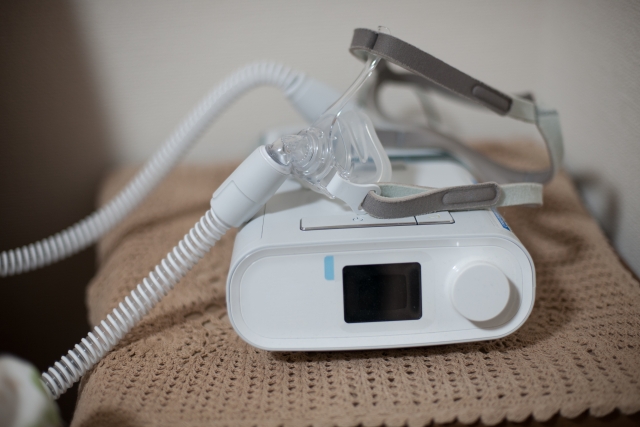
CPAP is not itself a treatment for shoulder stiffness.
However, for patients whose sleep quality had been suffering because of sleep apnea, stabilizing their breathing with CPAP can sometimes bring shoulder and neck pain relief as a side benefit.
In sleep apnea, breathing repeatedly stops or becomes shallow during sleep, placing a variety of strains on the body. Nighttime oxygen dips and fragmented sleep, in particular, can contribute to morning fatigue, headaches, muscle stiffness, and disrupted autonomic nervous system balance.
So when CPAP improves the underlying breathing problem, some patients find that the heaviness they used to feel in the morning, along with neck and shoulder tension, becomes noticeably lighter.
Why Would Sleep Apnea Cause Shoulder and Neck Tension in the First Place?

At first glance, sleep apnea and shoulder or neck stiffness might not seem connected.
But when breathing becomes disrupted during sleep, the body works unconsciously to try to maintain airflow.
In the process, excess tension can build up in the muscles of the neck, jaw, tongue, chest, and shoulders.
| Effect of Sleep Apnea |
Impact on Neck and Shoulders |
| Oxygen dips |
Can impair muscle recovery, contributing to morning fatigue and stiffness |
| Sympathetic nervous system tension |
The body stays tense even during sleep, making it harder for neck and shoulder muscles to relax |
| Fragmented sleep |
Less deep sleep means less recovery time for muscles and nerves |
| Teeth grinding / jaw clenching |
Adds strain to the jaw, neck, and shoulder muscles |
| Extra respiratory effort |
Unconsciously engaging neck and chest muscles to breathe, which can contribute to morning stiffness |
Why CPAP May Ease Shoulder Stiffness
When shoulder or neck pain improves after starting CPAP, a few different mechanisms may be at play.
1. Nighttime Oxygen Dips Improve
In sleep apnea, blood oxygen levels can drop repeatedly during sleep.
Repeated oxygen dips place the body under a kind of stress that can also affect muscle recovery.
Once CPAP opens the airway and stabilizes breathing, nighttime oxygen dips decrease, which can lighten morning heaviness and muscle stiffness for some patients.
2. Sympathetic Nervous System Tension Eases
Each time a breathing pause occurs, the body senses danger and activates the sympathetic nervous system.
This is, in effect, a state of repeated tension throughout the night, even while asleep.
As CPAP reduces breathing pauses, nighttime sympathetic tension can settle down, potentially allowing the neck and shoulder muscles to relax more easily.
3. Teeth Grinding and Jaw Clenching May Lessen
Sleep apnea can sometimes be accompanied by teeth grinding or jaw clenching.
When breathing becomes difficult and triggers a brief arousal, the muscles of the jaw and neck can engage forcefully.
As CPAP stabilizes breathing, teeth grinding and clenching can lessen as a result, easing strain on the jaw, neck, and shoulders for some patients.
4. Deeper Sleep Allows Muscles to Recover
Sleep is a time for the muscles and nervous system to recover, not just the brain.
When sleep is repeatedly fragmented by breathing pauses, deep sleep is harder to come by, and the body has less opportunity to recover.
As CPAP stabilizes sleep, muscle tension can release more easily, which may ease shoulder and neck stiffness over time.
Important: CPAP is not a treatment for shoulder stiffness itself. However, when sleep apnea is an underlying factor, stabilizing breathing during sleep with CPAP can sometimes bring shoulder and neck pain relief as a result.
CPAP Can Also Cause New Neck or Shoulder Tension
On the other hand, some patients notice new neck or shoulder tightness, or difficulty turning over in bed, right after starting CPAP.
This usually isn’t a problem with CPAP itself — it’s more often a matter of the mask, hose, sleep position, or pillow height not being well suited to you.
| Possible Cause |
What to Try |
| Mask strapped too tightly |
Review the mask size and how it’s fitted |
| Hose pulling on the mask |
Adjust the hose position or how it’s secured |
| Turning over in bed less |
Consider a smaller mask or different hose routing |
| Pillow too high or too low |
Adjust to a pillow suited to CPAP use |
| Straining against pressure that feels too strong |
Check ramp settings, humidification, and pressure settings |
If you’re experiencing neck or shoulder discomfort while using CPAP, it’s worth having your mask and settings reviewed rather than simply putting up with it.
For Anyone Dealing With Neck or Shoulder Tension While Using CPAP
Neck or shoulder tension during CPAP use can often be improved by adjusting the mask, hose, pillow, and sleep position. At Ueno Snoring Clinic, we review how you’re using CPAP along with your overall sleep setup.
Ueno Snoring Clinic Sometimes Combines Treatment With Block Injections
Alongside sleep apnea testing and CPAP management, Ueno Snoring Clinic sometimes offers block injections to patients with significant neck or shoulder pain, depending on their condition.
A block injection involves injecting medication around the muscles or nerves responsible for the pain, to ease discomfort and muscle tension.
This can be particularly helpful for patients with significant tightness from the neck through the shoulders, strong nighttime teeth clenching, or persistent neck and shoulder pain upon waking — addressing muscle tension alongside CPAP treatment.
That said, block injections don’t treat sleep apnea itself. They’re a supplementary treatment for pain and muscle tension, used alongside CPAP management and sleep apnea evaluation rather than in place of them.
Who Might Consider a Block Injection?
- Patients whose neck and shoulder pain remains significant even after starting CPAP
- Those who have difficulty turning their neck in the morning
- Those with noticeable muscle tightness from the neck to the shoulders
- Those with significant teeth grinding or jaw clenching
- Those experiencing headaches or heaviness at the back of the head
- Those whose symptoms don’t improve even after adjusting pillows or sleep position
- Those where both sleep apnea and muscle tension may be contributing factors
When pain is severe, wearing CPAP to sleep can itself become a burden. In these cases, it’s important to address breathing and pain together, rather than treating them as entirely separate issues.
Signs of Possible Sleep Apnea in Patients With Shoulder or Neck Pain
Not everyone with shoulder or neck pain has sleep apnea. However, if any of the following also apply, it’s worth having your breathing during sleep checked.
- You’ve been told your snoring is loud
- Someone has said your breathing stops while you sleep
- You wake up with headaches
- Your neck and shoulders feel heavy first thing in the morning
- You don’t feel rested even after sleeping
- You experience daytime sleepiness
- You wake up to urinate frequently at night
- You grind your teeth or clench your jaw
- You have high blood pressure
- Your snoring gets worse after drinking
In particular, when morning headaches, neck and shoulder stiffness, snoring, and daytime sleepiness all occur together, sleep apnea may be an underlying factor.
CPAP and Block Injections Serve Different Purposes
CPAP and block injections address different problems.
| Treatment |
Purpose |
Target |
| CPAP |
Keeps the airway open during sleep, reducing apneas and hypopneas |
Sleep apnea |
| Block injections |
Eases muscle tension and pain |
Neck and shoulder stiffness, muscle tension, pain |
| Combined use |
Addresses nighttime breathing and neck/shoulder muscle tension together |
Patients with both sleep apnea and neck/shoulder pain |
Treating only the pain with block injections won’t resolve underlying sleep apnea.
Conversely, improving breathing with CPAP alone doesn’t necessarily mean long-standing muscle tension or neck and shoulder pain will disappear right away.
Because of this, it can be valuable to combine treatment for sleep and treatment for pain, based on each patient’s individual situation.
For Anyone Who Wants to Address Sleep Apnea and Neck/Shoulder Pain Together
Ueno Snoring Clinic offers sleep apnea testing and CPAP management, and for patients with significant neck or shoulder muscle tension or pain, we sometimes combine this with block injections. If you experience morning neck stiffness, shoulder pain, headaches, or snoring, please feel free to consult us.
*Whether block injections are appropriate is determined during your consultation. Depending on your symptoms, we may recommend seeing a different specialty.
Frequently Asked Questions
Q. Can CPAP cure shoulder stiffness?
A. CPAP is not itself a treatment for shoulder stiffness. However, when factors like nighttime oxygen dips, fragmented sleep, sympathetic nervous system tension, or teeth clenching from sleep apnea are involved, stabilizing your breathing with CPAP can sometimes ease shoulder and neck stiffness as a result.
Q. My neck started getting stiff after I began using CPAP — why?
A. This can be caused by a mask strapped too tightly, the hose pulling on the mask, turning over less during sleep, pillow height, or discomfort with the pressure setting. Reviewing your mask, bedding, and CPAP settings is usually the first step.
Q. Can a block injection cure sleep apnea?
A. No — a block injection doesn’t treat sleep apnea itself. It’s a supplementary treatment aimed at easing neck and shoulder pain and muscle tension. Sleep apnea itself is addressed separately, typically with CPAP, based on your test results.
Q. Are teeth grinding, neck stiffness, and sleep apnea related?
A. They can be. Brief arousals caused by disrupted breathing during sleep can trigger jaw clenching or teeth grinding, which in turn can place strain on the jaw, neck, and shoulders.
Q. Should I get a sleep test if shoulder stiffness is my only symptom?
A. Shoulder stiffness alone doesn’t necessarily mean testing is needed. However, if it’s accompanied by loud snoring, observed breathing pauses, morning headaches, daytime sleepiness, high blood pressure, or frequent nighttime urination, a sleep apnea test is worth considering.
Conclusion: CPAP Can Ease Shoulder and Neck Stiffness for Some Patients
CPAP is a treatment for sleep apnea that keeps the airway open during sleep, reducing apneas and hypopneas.
It isn’t a direct treatment for shoulder or neck pain itself.
But for patients whose nighttime oxygen levels, sympathetic nervous system tension, sleep fragmentation, or teeth grinding were being driven by sleep apnea, CPAP treatment can sometimes ease shoulder and neck stiffness as a result.
On the other hand, a poorly fitted mask or sleep position can occasionally cause new neck or shoulder tension.
At Ueno Snoring Clinic, alongside CPAP treatment, we sometimes combine care with block injections for patients with significant neck or shoulder muscle tension or pain, depending on their condition.
If you experience morning shoulder stiffness, neck pain, headaches, snoring, or daytime sleepiness, it may be worth having your breathing during sleep checked.
For Anyone With Morning Shoulder Stiffness, Neck Pain, or Snoring
If sleep apnea is an underlying factor, CPAP treatment that stabilizes your breathing during sleep can sometimes ease morning neck and shoulder tightness as well. Ueno Snoring Clinic offers testing, CPAP management, snoring treatment, and block injections, tailored to your condition.
*Whether insurance-covered care, self-pay care, or block injections apply depends on your symptoms and test results.
Finding Regular CPAP Follow-Up Visits Difficult?
Ueno Snoring Clinic also offers online follow-up consultations for patients currently on CPAP treatment. If monthly or bimonthly in-person visits are difficult to keep up with, please contact the clinic directly to check whether you’re eligible.