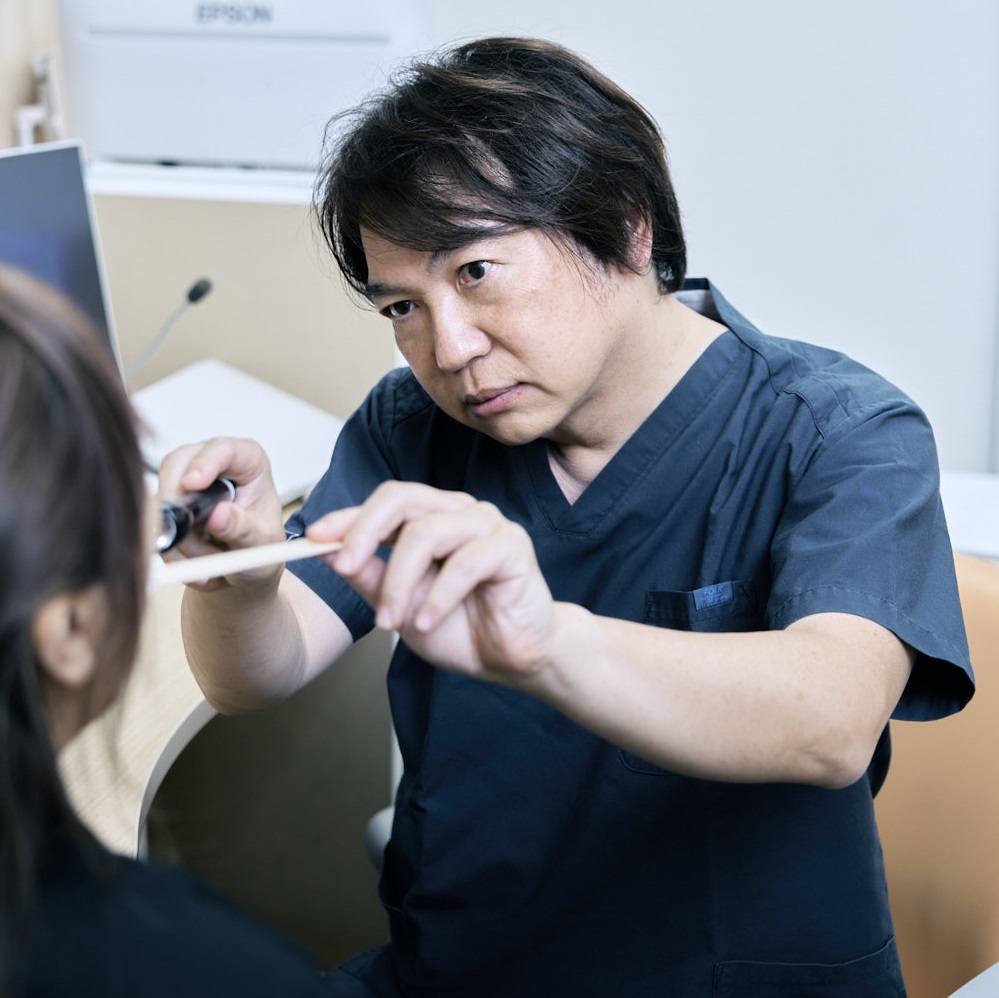
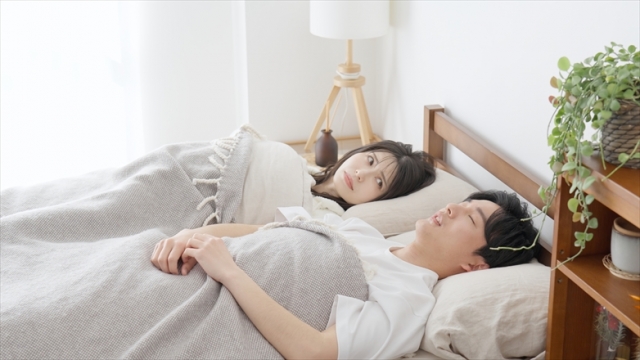
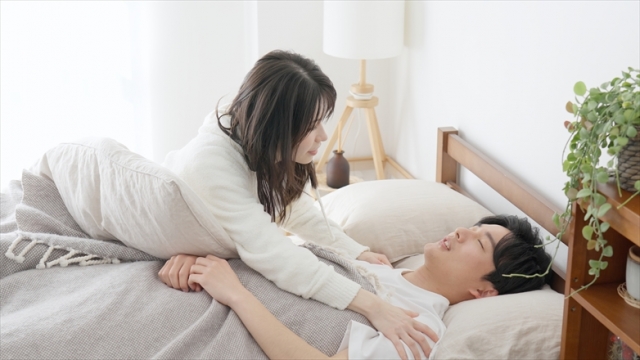
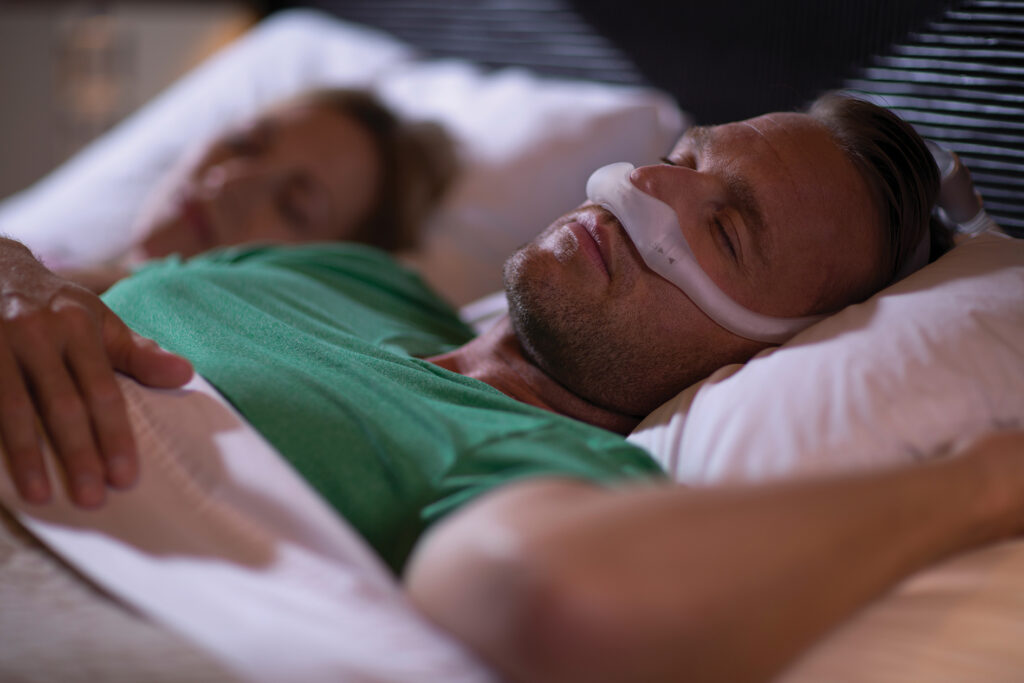
Ueno Snoring Clinic offers a range of options depending on your condition, including insurance-covered sleep testing and CPAP management, and self-pay snoring laser treatment. If you’d like to find out which treatment suits you, please start with an initial consultation.
Details of the tests and treatments offered at Ueno Snoring Clinic can be found here
Important: Snoring and Sleep Apnea Treatment Requires Testing
Treating snoring and sleep apnea requires a sleep test. Clinics that offer only self-pay care, and cosmetic clinics, often cannot perform these tests when they treat snoring, so please be careful. If sleep apnea is hidden behind your snoring and treatment starts without testing, it may be missed.
You’ll Want to Know This! A Complete Comparison of 5 CPAP Types — What Doctors Really Look For
Our doctor compares five different CPAP machines side by side and explains what actually matters when choosing one.
Watch the video
A Complete Comparison of CPAP Masks
We tried on and reviewed five different types of CPAP masks. 90% of CPAP comfort comes down to the mask.
Watch the video
Do you have to use CPAP forever? A specialist explains how to use CPAP
A detailed explanation of how to use CPAP, with a real demonstration of what it feels like to wear the device.
Watch the video
Ueno Snoring Clinic was featured on Fuji TV’s “Live News It!” and on FNN Prime Online
Watch our clinic’s examination and explanation of sleep disorders, snoring, and sleep apnea.
Watch the video
Ueno Snoring Clinic was featured in an article on Nippon TV’s “news every.”
Please take a look as a starting point for thinking about getting evaluated for snoring, sleep apnea, or other sleep disorders.
Read the article
Reviewed by Our Director
Kazuyuki Sugaya
Director, Ueno Snoring Clinic / Anesthesiologist
Our director, with over 20,000 general anesthesia cases, focuses primarily on the diagnosis and treatment of snoring and sleep apnea, offering care tailored to each patient. [Insurance-Covered] Ueno Snoring Clinic
In this article, our Director, Kazuyuki Sugaya, explains why mouth breathing makes snoring worse, how to check yourself, steps you can try from today, and what to consider if nothing improves.
🩺Comprehensive Snoring Treatment at Ueno Snoring Clinic
The causes of snoring range from mouth breathing and nasal congestion to the structure of the throat and body weight. At Ueno Snoring Clinic, we first check your condition with testing, then propose a treatment plan that fits your results and symptoms.
Insurance-Covered: Thorough Testing and Ongoing Treatment
- Simplified testing: Home screening for sleep apnea
- PSG testing: A detailed sleep study including brain waves, done at home
- CPAP treatment: The standard treatment for apnea that meets insurance criteria
Self-Pay: Address the Root Cause, Short-Term Focus
- Snoring laser treatment: For people whose testing confirms simple snoring
- Medically supervised weight loss: An option when weight gain is a contributing factor
*If self-care doesn’t help, or if apnea is suspected, we work with you starting from identifying the cause.
Our Director’s book, “Curing Snoring with the Latest Treatments” (an Amazon Japan bestseller — #1 in General Medicine, #1 in Clinical Internal Medicine, #2 in Family Health & Wellness), also covers everyday habits that affect snoring in more detail.
New Book by Our Director
“Curing Snoring with the Latest Treatments”
A guide to the latest snoring treatments, written by an anesthesiologist who has overseen the sleep of more than 10,000 patients.
View on Amazon
Quick Answer
Mouth breathing tends to worsen snoring in two ways: it dries and irritates the throat, which can make it swell, and an open mouth lets the lower jaw drop so the base of the tongue falls back. Things you can try from tonight are humidifying the bedroom, caring for your nose, adjusting your sleeping position, and cutting back on alcohol before bed; a meta-analysis found that drinking raised the apnea index (AHI) by about 4 events per hour on average. On the other hand, forcing the mouth shut, for example with mouth tape, can be risky for people with a blocked nose or sleep apnea, so we don’t recommend it as a first step. If self-care doesn’t help, a sleep test to identify the cause is the next step.
📋 What This Article Covers
- Why mouth breathing makes snoring worse
- A self-check to start with
- Common habits that make it worse
- Practical steps, from easiest to keep up
- What to consider if nothing changes
Why Mouth Breathing Makes Snoring Worse
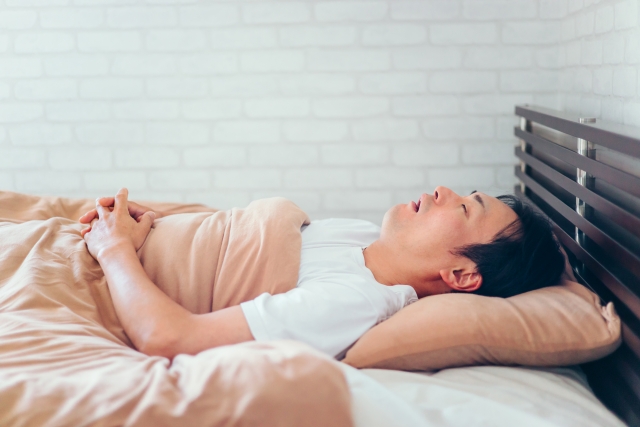
When mouth breathing continues, the conditions for snoring line up. The two key points are a dry airway and a change in the shape of the throat.
| Key point |
What happens |
| Dryness and swelling of the airway |
The nose normally warms and moistens the air you breathe in and filters out some dust and pollen. Breathing through the mouth skips this, so cold, dry air hits the throat directly. The lining dries and becomes irritated, and the back of the throat is thought to swell more easily. Swelling narrows the air passage and makes the surrounding tissue vibrate more readily |
| A change in the shape of the throat |
When the mouth opens, the lower jaw drops and the base of the tongue tends to fall back. This narrows the throat further and strengthens the vibration |
In other words, mouth breathing is a typical pattern that worsens snoring because it tends to cause swelling from dryness and a problem with posture and shape at the same time. The snoring sound itself is the vibration of tissue around a narrowed air passage.
Mouth breathing is sometimes a result, not the cause
Some people can only breathe through their mouth because their nose is blocked, or find it hard to breathe unless the mouth is open because the throat is narrow. In those cases, simply making the mouth close won’t solve the problem. For snoring linked to a blocked nose, see Hay Fever & Snoring: The Hidden Connection.
A Self-Check to Start With
The tricky thing about mouth breathing is that you rarely notice it yourself. Start by picking up the signs.
A Dry Mouth or Sore Throat in the Morning
- Your mouth is dry when you wake up
- Your throat feels scratchy
- There is mild soreness
These are easy-to-spot signs that your mouth was open while you slept. Other signs include:
| Sign |
Link to mouth breathing |
| A hoarse voice or phlegm in the morning |
Often appears as a result of a dry mouth and throat |
| Stronger bad breath, chapped lips |
Often appears when the mouth is open and the inside dries out |
| Family say your mouth is open while you sleep |
A direct sign of mouth breathing |
| Family say your snoring is louder on some nights |
Besides mouth breathing, alcohol, tiredness, and a blocked nose can play a part |
| Family say you seem to stop breathing |
Possible sleep apnea; mouth breathing alone can’t explain this |
If you stop breathing or are very sleepy in the daytime, get tested
If you snore loudly, have been told you stop breathing, or feel very sleepy during the day, don’t stop at mouth-breathing measures; it is important to check whether sleep apnea is hiding behind it. For details, see Simplified Sleep Test vs. PSG.
Common Habits That Make It Worse
Mouth breathing isn’t determined by your constitution alone. Through everyday habits and surroundings, people often create “open-mouth nights” for themselves without realizing it.
A Dry Bedroom
Dryness both triggers mouth breathing and amplifies the problems it causes. When the air is dry, the lining of the nose dries too, and you have more nights when your nose feels blocked. That leads to “my nose won’t let air through, so I breathe through my mouth,” and mouth breathing becomes a habit. As it continues, the throat gets drier and more swollen, and snoring tends to get louder: a vicious circle.
Take particular care with winter heating, air conditioning that blows directly on your face, and dusty bedding or curtains. The more sensitive your nose, the more easily slight dryness or irritation blocks it and tips you into mouth breathing.
Drinking Before Bed
Many people feel that a drink helps them fall asleep, but for snoring and mouth breathing, it often backfires. Alcohol relaxes the muscles around the throat, narrowing the airway and making vibration more likely.
| Study |
Findings |
| Alcohol and sleep apnea (a meta-analysis of 13 studies, 279 people) |
After drinking, the apnea index (AHI) rose by 3.98 events per hour on average, and the lowest oxygen level during sleep fell by 2.72%. In people who already snored, snoring became more severe; alcohol did not make non-snorers start snoring |
Drinking can also upset the body’s fluid balance and leave the lining of the nose and throat drier. Because it pushes along the chain from dryness to a blocked-feeling nose to mouth breathing, if your dry-mouth mornings tend to coincide with your worst snoring nights, a nightcap is a good first suspect.
Practical Steps, From Easiest to Keep Up
Deciding by willpower alone to “keep my mouth shut” rarely lasts. The quicker route is to set up your environment, open up your nose, and build conditions in which your mouth is less likely to fall open. Here are the steps in order of how easy they are to keep up.
| Order |
Step |
Key points |
| 1 |
Humidify the bedroom |
Use a humidifier or a damp towel; keep the air-conditioner from blowing on your face |
| 2 |
Care for your nose |
Warm it with a bath or a steamed towel; reduce dust in bedding; see a doctor if congestion is strong |
| 3 |
Sleeping position |
Sleep on your side to keep the tongue from falling back; review your pillow height |
| 4 |
Build a closed-mouth habit |
During the day, keep your lips lightly closed and your tongue resting on the roof of your mouth; be cautious with mouth tape |
| 5 |
Rethink the nightcap |
Drink less, avoid drinking just before bed, and cut back step by step |
Humidify the Bedroom

The easiest place to start is your bedroom. To counter dryness, humidify the room with a humidifier or a damp towel, and angle the air-conditioner so it doesn’t blow directly on your face. Dust in bedding can also irritate the nose, so some people notice easier nasal breathing simply from washing pillowcases and sheets more often. Sipping a glass of water slowly before bed, within reason, can also ease throat dryness.
Care for Your Nose
The biggest trigger for mouth breathing is not being able to breathe through the nose. Warming up with a lukewarm shower before bed, or holding a steamed towel around the nose, is a classic way to open up the nasal passages. If you rinse your nose, always use distilled water, sterile water, or tap water that has been boiled and then cooled; plain tap water is not recommended for nasal rinsing.
If your nose stays blocked despite this, several causes may be combined, such as allergies, a deviated septum, or swollen nasal lining, and it is worth seeing a doctor.
Sleeping Position
If your tongue tends to fall back when you lie on your back, simply turning onto your side can help your mouth stay closed and make snoring lighter. For how position affects apnea, see Why Side-Sleeping Stops Some People’s Snoring (But Not Everyone’s).
A pillow that is too high bends the neck, which can narrow the airway or make the mouth fall open. One that is too low can tuck the chin in and narrow the airway too. The trick is to find a height at which your neck stays naturally straight and your jaw doesn’t drop too far. The right height differs between people, but it’s not unusual for someone to find their morning dry mouth eases after changing pillows. See also Best Pillow for Snoring.
Build a Closed-Mouth Habit
If your mouth tends to hang open during the day, an “open-mouth posture” may have become an unconscious habit. Spending just a few minutes a day keeping your lips lightly closed and resting your tongue gently on the roof of your mouth may change how easily your mouth opens during sleep. Rather than intensive training, “correcting it whenever you notice” is a realistic goal.
For myofunctional therapy (exercises for the tongue and mouth muscles), a 2015 review of 11 studies reported that sleep apnea measures improved by about 50% in adults. However, the studies compared results before and after treatment rather than against a control group, so it is best seen as a supportive measure.
Mouth tape is not safe for everyone
Taping the mouth shut at night has become popular, but a 2025 systematic review of 10 studies (213 participants) found the evidence to be of inconsistent quality, with only 2 of the 10 studies suggesting benefit, in people with mild sleep apnea. Four of the studies warned of a risk of suffocation when mouth breathing is caused by a blocked nose, for example from hay fever, a cold, a deviated septum, or enlarged tonsils. In another study of 54 people with sleep apnea, closing the mouth improved airflow overall, but in people who breathed mainly through the mouth and had narrowing behind the soft palate, airflow actually got worse. Forcing the mouth shut is not always the answer. For more, see Nasal Strips and Mouth Tape for Snoring.
Cut Back on Drinking Before Bed
Alcohol before bed is worth reconsidering. Gradual adjustments, such as drinking less, not drinking just before bed, and avoiding drinking on consecutive nights, last longer than stopping all at once. Even fewer dry-mouth mornings can help break the mouth-breathing cycle.
What to Consider If Nothing Changes
Even with diligent self-care, some people still wake with a dry mouth or keep snoring. What matters here is not to blame yourself for a lack of effort. Mouth breathing can be a result, with something blocking the nose or narrowing the throat behind it.
| Underlying factor |
Examples |
| Nasal factors |
Chronic congestion, allergies, a deviated septum, swollen nasal lining |
| Throat factors |
Structural features such as large tonsils or tongue, a small jaw, or a slack soft palate |
| Weight and condition |
Weight gain, tiredness, stress (snoring changes with how you are on a given day) |
| Sleep apnea |
Loud snoring, pauses in breathing, strong daytime sleepiness |
In particular, if you snore loudly, have been told you stop breathing, or are very sleepy during the day, checking how you breathe during sleep will give you peace of mind, rather than relying on mouth-breathing measures alone. If the airway stays narrow, the mouth may keep falling open however hard you try, so identifying the cause comes first.
At Ueno Snoring Clinic, we check whether you have apnea and how severe it is with simplified testing you can do at home and insurance-covered PSG (also done at home, no hospital stay). If testing shows apnea, we offer insurance-covered CPAP; if it confirms simple snoring, we suggest options suited to your condition. For what counts as severe apnea, see Severe Sleep Apnea (AHI 30+); for how to read AHI, see What Is AHI?
What Ueno Snoring Clinic Can Do
Ueno Snoring Clinic is a sleep-disorder clinic specializing in snoring and sleep apnea. With simplified testing at home and insurance-covered PSG (a detailed sleep study), we look into what lies behind your snoring. Then, taking your symptoms and habits into account, we suggest a route to improvement that suits you, from insurance-covered CPAP to self-pay snoring laser treatment.
Before your visit, it helps to note down how dry your mouth is in the morning, how loud your snoring is, and what makes it worse (alcohol, sleeping position, bedroom conditions).
Summary: Start With Your Room, Nose, Position, and Drinking, and Find the Cause if Nothing Changes
Mouth breathing tends to worsen snoring by drying and swelling the throat and letting the base of the tongue fall back. Steps you can try from today are humidifying the bedroom, caring for your nose, adjusting your sleeping position, and cutting back on alcohol before bed. Methods that force the mouth shut, such as mouth tape, can be risky for people with a blocked nose or sleep apnea, so think carefully before using them.
If self-care doesn’t help, a blocked nose, the structure of the throat, or sleep apnea may lie behind your mouth breathing. Let’s work on it together, starting with finding the cause.
Mouth Breathing and Snoring: Let’s Find the Cause
If self-care hasn’t helped, or your morning dry mouth and snoring continue, talk to us about testing and a consultation. By appointment only; same-day appointments are often available.
Frequently Asked Questions
Q. Is it OK to have snoring treatment at a self-pay-only clinic or a cosmetic clinic?
A. Treating snoring and sleep apnea requires a sleep test. Clinics that offer only self-pay care, and cosmetic clinics, often cannot perform these tests when they treat snoring, so please be careful. If sleep apnea is hidden behind your snoring and treatment starts without testing, it may be missed. We recommend first checking your condition at a medical institution that can perform sleep testing (simplified testing or PSG).
Q. Why does mouth breathing make snoring worse?
A. When you breathe through your mouth, cold, dry air hits the throat directly, drying the lining and making it more likely to swell. An open mouth also lets the lower jaw drop, so the base of the tongue tends to fall back. Together, these narrow the throat, the surrounding tissue vibrates, and snoring gets louder.
Q. What are the signs of mouth breathing?
A. Typical signs are a dry mouth in the morning, a sore or scratchy throat, a hoarse voice, phlegm, bad breath, and chapped lips. Being told by family that your mouth is open while you sleep is also a sign.
Q. Does drinking before bed affect snoring?
A. Yes. A meta-analysis of 13 studies found that after drinking, the apnea index (AHI) rose by about 4 events per hour on average and the lowest oxygen level during sleep fell by about 2.7%. In people who already snore, snoring became more severe.
Q. Does taping my mouth shut at night help snoring?
A. Studies showing a benefit are few and of inconsistent quality. There is a risk of suffocation if your nose is blocked, so please be cautious, especially if you may have sleep apnea. Rather than forcing your mouth shut, first check how well you breathe through your nose and whether you have apnea.
Q. I’ve tried self-care, but my snoring hasn’t improved.
A. A blocked nose, the structure of the throat, body weight, or sleep apnea may lie behind your mouth breathing. If you snore loudly, have been told you stop breathing, or are very sleepy during the day, we recommend a sleep test to find the cause.
Q. What should I tell the doctor when I visit?
A. It helps to note down how dry your mouth is in the morning, how loud your snoring is, what makes it worse (alcohol, sleeping position, bedroom conditions), and what your family has noticed (an open mouth, pauses in breathing).
*This article is a general explanation, written for a broad audience and based on the sources above together with our clinic’s own clinical experience. It is not a substitute for medical advice. Results of self-care vary from person to person. If you are concerned about snoring or sleep apnea, please consult a medical institution for a proper evaluation.