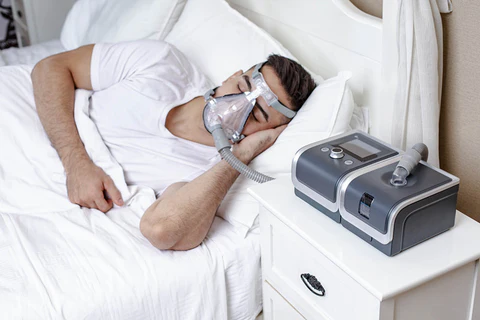
Ueno Snoring Clinic offers ongoing support after CPAP is introduced — including discomfort, mask adjustments, and choosing the right model — with the option of online consultations. We welcome inquiries even at the stage of “I’m not sure I’m using it correctly.”
Details of the tests and treatments offered at Ueno Snoring Clinic can be found here
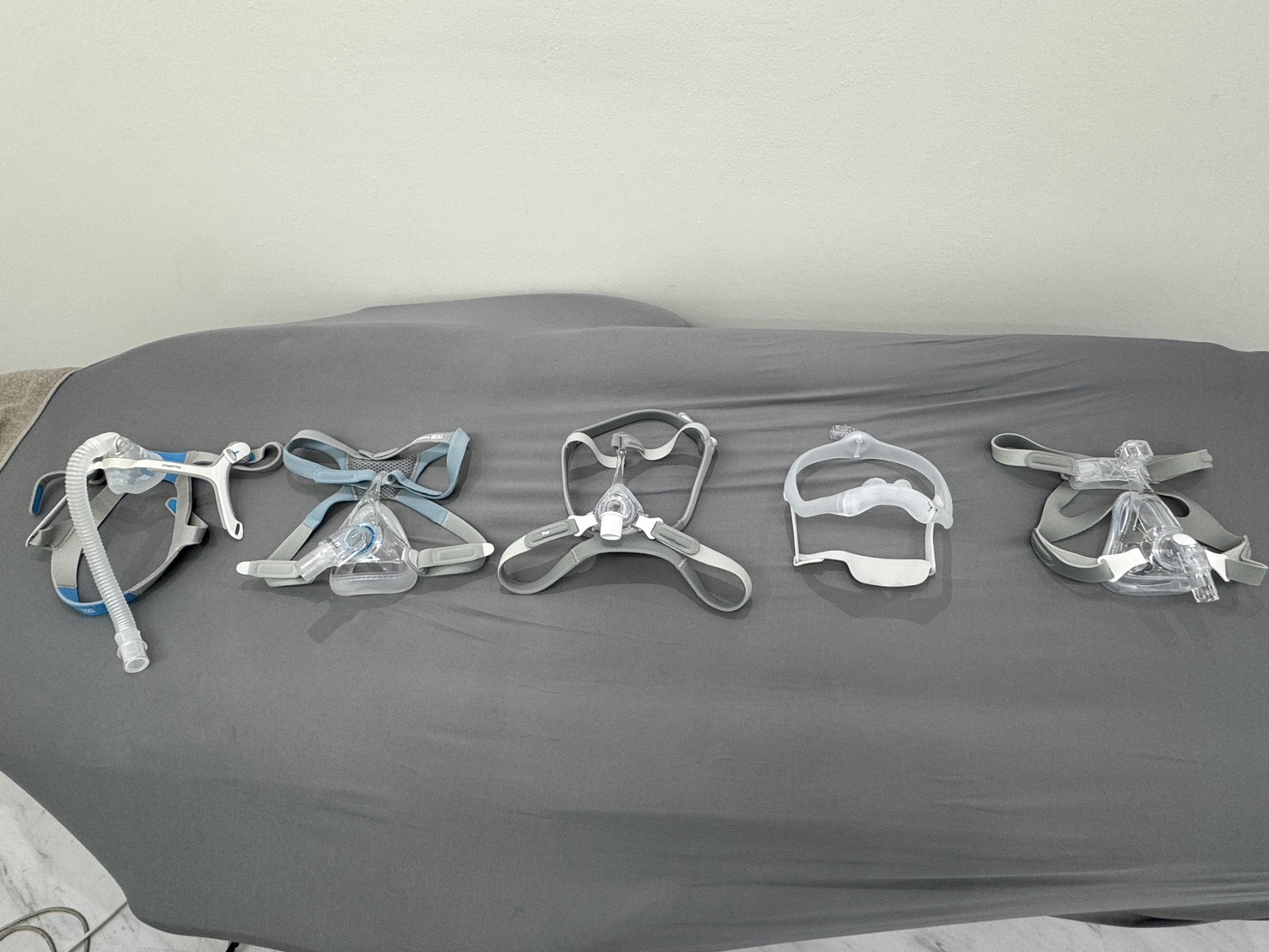
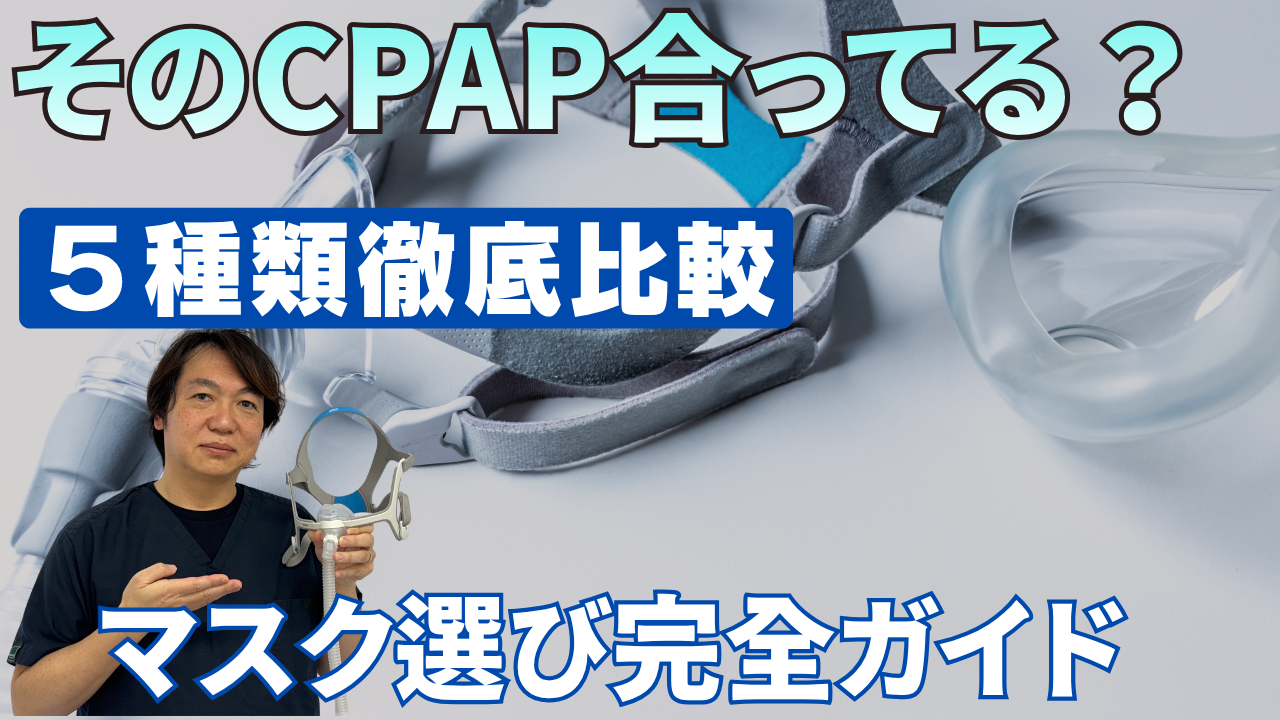
A Complete Comparison of CPAP Masks
We tried on and reviewed five different types of CPAP masks. 90% of CPAP comfort comes down to the mask.
Watch the video
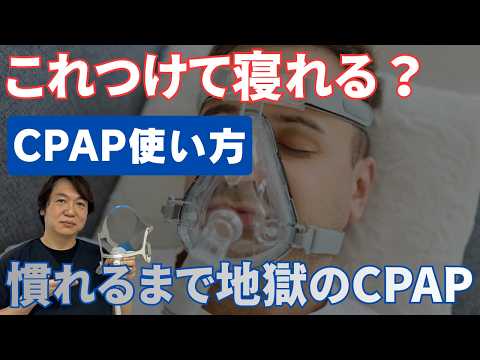
Do you have to use CPAP forever? A specialist explains how to use CPAP
A detailed explanation of how to use CPAP, with a real demonstration of what it feels like to wear the device.
Watch the video
Ueno Snoring Clinic was featured on Fuji TV’s “Live News It!” and on FNN Prime Online
Watch our clinic’s examination and explanation of sleep disorders, snoring, and sleep apnea.
Watch the video
Ueno Snoring Clinic was featured in an article on Nippon TV’s “news every.”
Please take a look as a starting point for thinking about getting evaluated for snoring, sleep apnea, or other sleep disorders.
Read the article
Reviewed by Our Director
Kazuyuki Sugaya
Director, Ueno Snoring Clinic / Anesthesiologist
Our director, with over 20,000 general anesthesia cases, focuses primarily on the diagnosis and treatment of snoring and sleep apnea, offering care tailored to each patient. [Insurance-Covered] Ueno Snoring Clinic
This article was reviewed by our Director, Kazuyuki Sugaya, and clearly explains the common frustrations of the first night on CPAP, how to work through them, and what helps you stick with treatment without pushing yourself too hard, drawing on his clinical experience.
🩺Comprehensive Snoring Treatment at Ueno Snoring Clinic
Ueno Snoring Clinic provides ongoing support — from mask adjustments and pressure setting reviews after CPAP is introduced, to discussing a switch to laser treatment — with the option of online consultations.
Insurance-Covered: Thorough Testing and Ongoing Treatment
- Simplified and PSG testing: A precise analysis of your sleep
- CPAP treatment: The standard treatment for moderate-to-severe apnea, with monthly online consultations available
Self-Pay: Address the Root Cause, Short-Term Focus
- Latest snoring laser treatment: A no-incision root-cause option
- Medically supervised weight loss: Physically opening the airway through weight loss
*Even a concern like “I’m not sure I’m using it correctly” can be addressed through our online consultations, which reduce the burden of an in-person visit.
Our director’s book, “Curing Snoring with the Latest Treatments” (No.1 Amazon Bestseller in General Medicine, No.1 in Clinical Internal Medicine, No.2 in Home Medicine & Health) covers this topic in detail as well
New Book by Our Director
“Curing Snoring with the Latest Treatments”
A guide to the latest snoring treatments, written by an anesthesiologist who has overseen the sleep of more than 10,000 patients.
View on Amazon
Quick Answer
On your first night with CPAP, it’s common to experience frustrations such as mask pressure, breathlessness from the air pressure, air leaks, bloating, and difficulty falling asleep — and most of these can be improved through concrete fixes like adjusting the mask fit, revisiting your pressure setting, or using the ramp feature. How long it takes to adjust varies from person to person, ranging from a few weeks to around six months, so it’s important not to conclude “this isn’t for me” based on early discomfort alone. The key to sticking with treatment is building a trusting relationship with your doctor and your equipment provider’s representative, so you have somewhere to turn as soon as something feels off.
📋 What This Article Covers
- 6 common frustrations on your first night with CPAP
- Concrete solutions for each frustration
- Why adjustment can take up to six months — and why that’s okay
- The key to sticking with treatment: trust with your doctor and equipment provider
- What to do if your mask or model just doesn’t fit
- A self-check list for your first week
6 Common Frustrations on Your First Night With CPAP
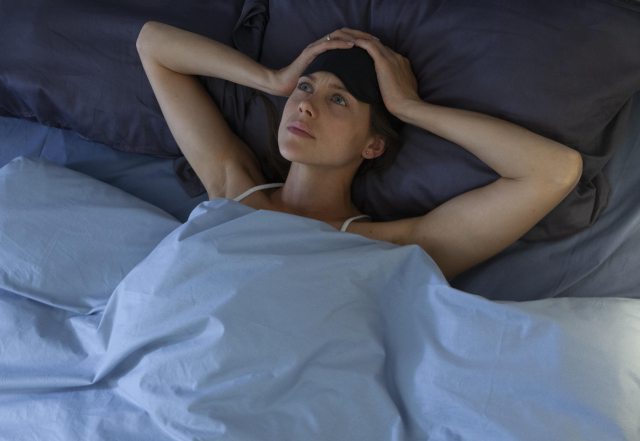
On the first night wearing CPAP, many patients experience the following kinds of frustration. These aren’t abnormal — they’re a completely typical response as your body adjusts to a new piece of medical equipment.
| Common Frustration |
When It Tends to Happen |
| Mask pressure or discomfort |
Right after putting it on, until you fall asleep |
| Breathlessness from the incoming air pressure |
Right after turning the machine on |
| Air leaking or noise from the mask |
When you turn over in your sleep |
| Bloating or burping (aerophagia) |
Overnight to the next morning |
| Dry nose or mouth, nasal congestion |
Toward early morning |
| Psychological resistance to “sleeping with a machine on your face” |
The first night through the first few days |
Concrete Solutions for Each Frustration
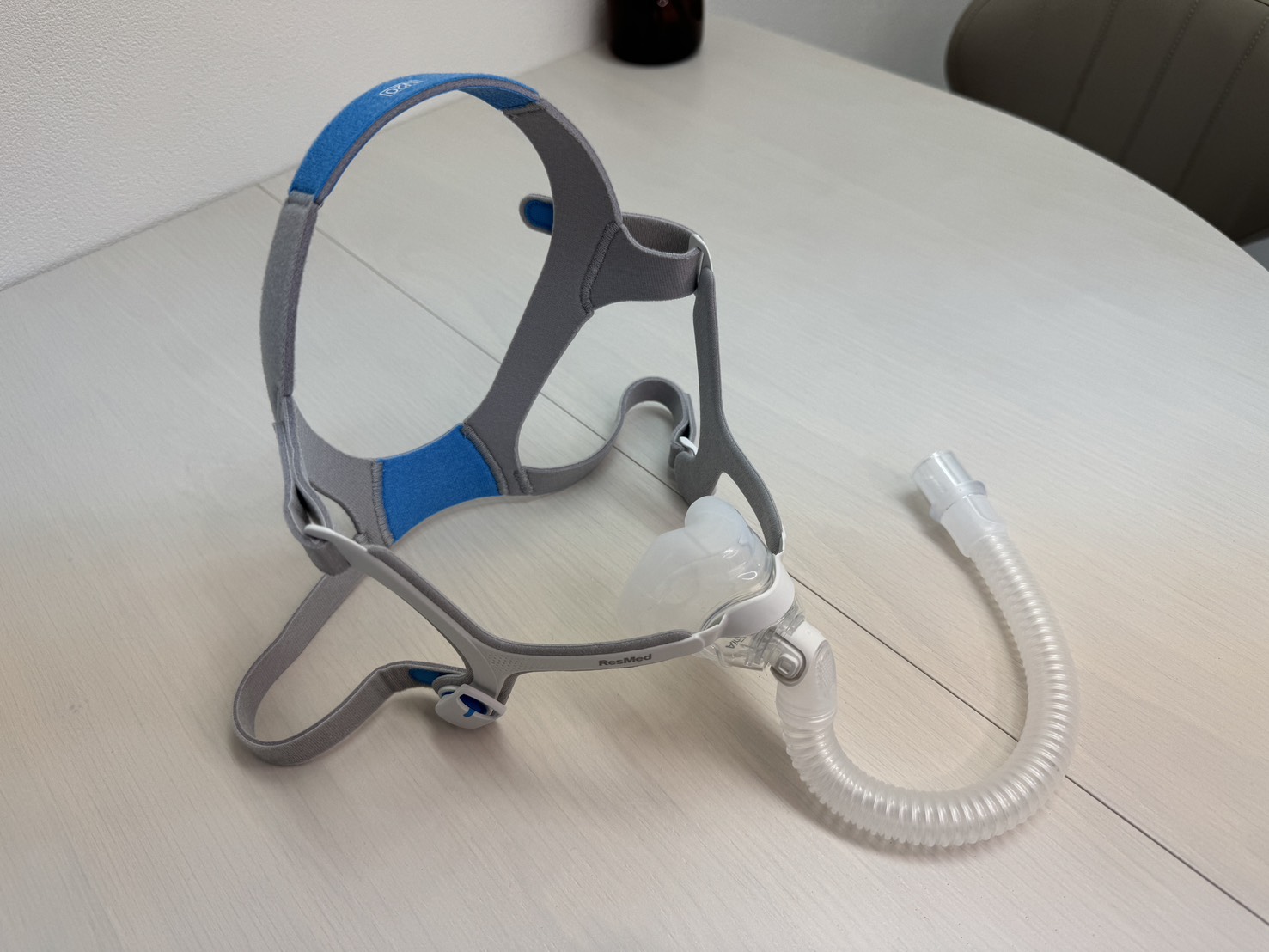
For Mask Pressure or Air Leaks, Adjust the Fit
A mask doesn’t seal better the tighter you strap it — the basic rule of thumb is to leave enough slack to fit one or two fingers underneath. Over-tightening tends to cause more pressure discomfort and skin issues, not less. If leaking continues, the size or shape of your mask (nasal, nasal pillow, full-face, etc.) may simply not suit your face. We compare the features and fit of each mask type in detail in the article below.
A Complete Comparison of CPAP Masks — see our video comparing 5 mask types above for guidance on air leaks, nasal soreness, and mouth-breathing fit.
For Breathlessness From Air Pressure, Use the Ramp Feature
Many CPAP machines include a “ramp” feature that starts at a lower pressure right when you go to sleep, then gradually increases to your prescribed setting as you drift off. If you’re bothered by the feeling of your full pressure setting arriving all at once, this feature can often ease that burden. If you’re not sure how to set it up, please don’t hesitate to ask your doctor or your equipment provider’s representative.
For Bloating (Aerophagia), Reassess Pressure and Sleep Position
Air pressure can sometimes push air into the stomach, causing bloating or burping. This often improves by trying a sleep position other than lying flat on your back, or by discussing a pressure adjustment with your doctor. If symptoms are significant, don’t stop using CPAP on your own judgment — always talk to your treating physician first.
For Dryness or Congestion, Adjust the Humidifier Function
Most CPAP machines have a built-in or attachable humidifier. If nasal or mouth dryness, or nasal congestion, is bothering you, adjusting the humidity level can often help. If your mouth tends to open during sleep, leading to mouth breathing, a chin strap can also be effective.
Adjustment Can Take Up to Six Months — and That’s Okay
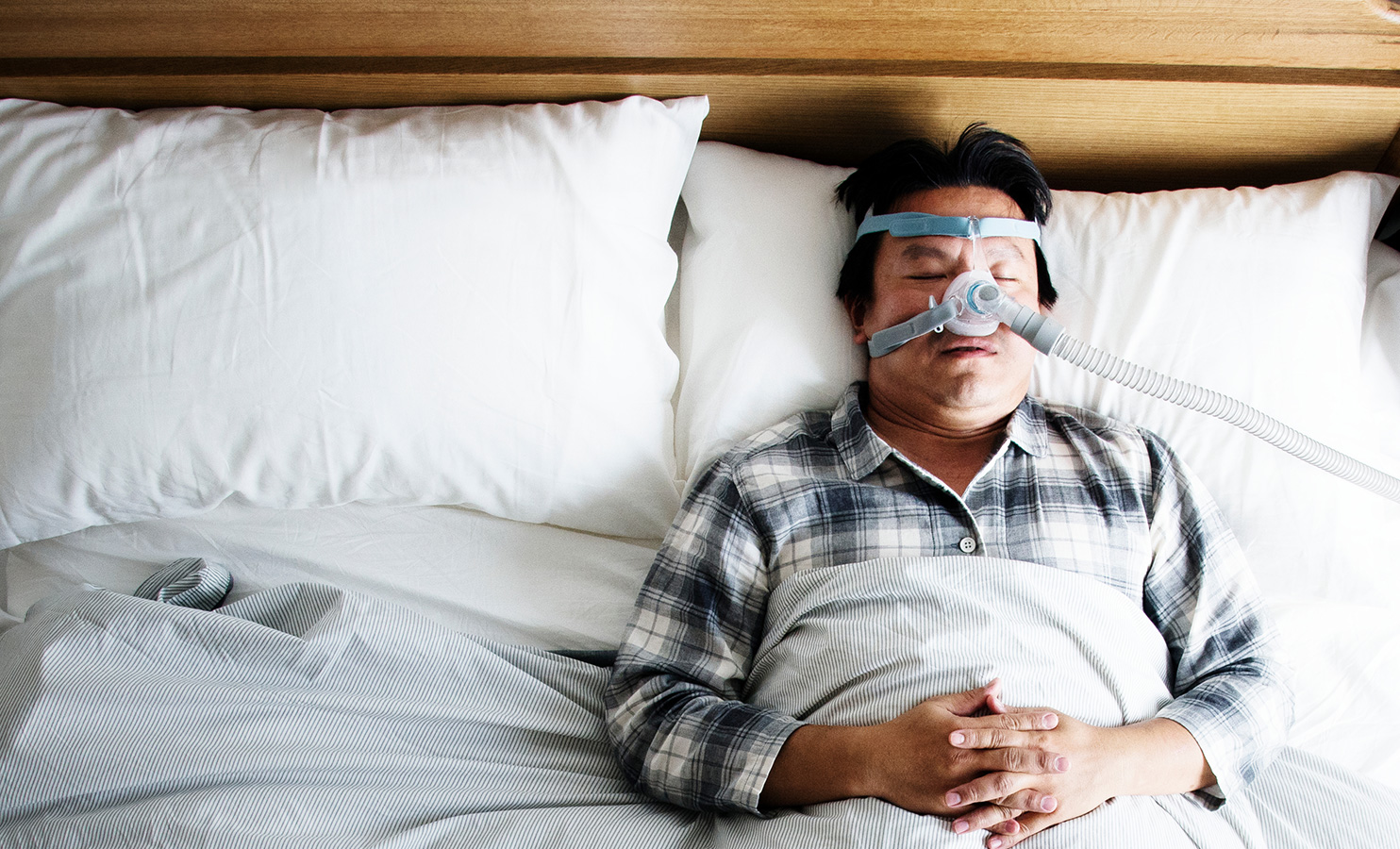
How long it takes to get used to CPAP varies enormously from person to person. Some people sleep with almost no discomfort within a matter of days, while others adjust gradually, taking around six months while working through mask and pressure adjustments along the way.
💬 A Note From Our Director
It would be a real shame to give up on treatment just because it’s not going well on day one or in the first week. CPAP is a treatment that gets tailored to your body through ongoing adjustment. We regularly see patients who tried a few different mask types before finding one that felt comfortable. If you go through a rough patch, please don’t think of it as “failure” — think of it as “still adjusting.”
The Key to Sticking With Treatment: Trust With Your Doctor and Equipment Provider
CPAP treatment doesn’t end once it’s introduced — it’s a treatment that’s refined through ongoing adjustment as you use it. That’s why building a relationship with your doctor and your CPAP equipment provider’s representative — one where you feel comfortable raising discomfort or concerns right away, without wondering “is this even worth bringing up?” — is a major support in sticking with treatment.
| Who to Talk To |
Examples of What to Discuss |
| Your treating physician (us) |
Pressure adjustments, changes in your condition, exploring other options such as laser treatment |
| Your CPAP equipment provider’s representative |
Mask fitting, how to use the device itself, when to replace consumable parts |
We offer online consultations to reduce the burden of visiting in person. Please don’t put off reaching out just because “getting to the clinic every time is a hassle” — feel free to consult with us from home. You can request an online consultation via LINE or through our online booking system.
What to Do if Your Mask or Model Just Doesn’t Fit
If you’ve tried several mask types and discomfort persists, or if the device itself just doesn’t seem to suit you, it may be worth considering a change of model. CPAP is generally rented under insurance coverage, and different manufacturers offer different features and characteristics. For more on the differences between major manufacturers and how insurance rental works, please see the article below.
Considering a switch? It helps to first understand the differences between major CPAP manufacturers, insurance rental options, and what to check before buying.
Please don’t switch models or make readjustments on your own judgment — always talk it through with your treating physician first. Even during an online consultation, we can review your usage history (data recorded on the device itself) together as part of that discussion.
A Self-Check List for Your First Week
One week in, take a moment to reflect on the following. The more of these that apply, the more it’s a sign your body is adjusting to CPAP. On the other hand, if strong discomfort continues, don’t push through it — reach out to us sooner rather than later.
🔍 First-Week CPAP Self-Check
- You can stay asleep with the mask on longer than you could on day one
- Air leaking from the mask bothers you less than before
- Bloating or breathlessness has eased up somewhat
- You feel less fatigued when you wake up in the morning than before
- You find yourself naturally thinking “I’ll wear it again tonight”
- When something’s unclear, you’re able to reach out to your doctor or equipment provider right away
What Ueno Snoring Clinic Offers
Ueno Snoring Clinic is a Sleep Disorder Medicine clinic specializing in snoring and sleep apnea syndrome. From pre-CPAP testing to mask adjustments, pressure setting reviews, and discussions about switching models after introduction, we provide consistent, ongoing support.
To address concerns like “visiting every time is a burden” or “I feel awkward bringing up small issues,” we actively offer online consultations. Being able to speak directly with your doctor from home makes it easier to address early discomfort quickly, rather than pushing through it.
For online consultation requests or questions about your CPAP experience, feel free to reach out via LINE or our online booking system.
Summary
The pressure, breathlessness, air leaks, and bloating you might feel on your first night with CPAP are all natural reactions that many people experience. Knowing concrete solutions — adjusting your mask fit, using the ramp feature, reviewing your pressure setting — can resolve much of that early worry.
How long adjustment takes varies from person to person, and it’s not unusual to take around six months to gradually get used to it. Building a trusting relationship with your doctor and your equipment provider’s representative, and finding the approach that works for you at your own pace, is the surest path to sticking with treatment.
If you’re not finding the right mask or model, please don’t push through it alone — reach out to us, including through an online consultation, sooner rather than later.
Concerned About Your CPAP Experience? Try an Online Consultation
From mask discomfort to pressure settings and switching models, we can help through online consultations that reduce the burden of an in-person visit. In-person visits are of course available too.
Start With an Online or In-Person Consultation
Whether it’s about your CPAP experience, mask discomfort, or switching models, we’re here to help. Fully appointment-based, with same-day appointments and online consultations available.
Frequently Asked Questions
Q. I found my first night on CPAP so uncomfortable that I took it off. Does that mean I’ve failed?
A. That’s not a failure. Many people feel discomfort in the first few days to weeks, and not being able to sleep through the night with it on is common. A typical approach is to start with short daytime sessions while awake, use the ramp feature, and gradually extend how long you wear it. There’s no need to push through it — reaching out to your doctor sooner rather than later is the quickest path forward.
Q. Trying multiple masks sounds like a hassle. Is it really necessary?
A. Not necessarily — but the right mask varies from person to person, depending on face shape and whether you breathe through your nose or mouth. If strong discomfort continues with your first mask, trying a different type is often quicker in the end than pushing through with one that doesn’t suit you.
Q. Can I get help with CPAP through an online consultation?
A. Yes. We can review your device’s recorded usage data together and discuss your pressure settings and overall experience online. Don’t let the hassle of an in-person visit delay reaching out — please contact us early if something’s bothering you.
Q. I just can’t get used to CPAP. Are there other treatment options?
A. Depending on the severity and cause of your snoring or sleep apnea, other options like laser treatment may be worth considering. Rather than stopping CPAP on your own judgment, we’d recommend discussing your experience with your treating physician first, and checking together whether another treatment might be a good fit.







いびきを最新治療で治す-表紙-1.png)