






Told You Stop Breathing in Your Sleep? A Guide to Insurance-Covered Sleep Apnea Testing in Japan
Important clarification
As of the official Ministry of Health, Labour and Welfare materials issued in May 2026, the commonly cited insurance thresholds remain an AHI of 40 or more on a simplified home sleep test, or an AHI of 20 or more on polysomnography. Eligibility also depends on the full clinical and insurance requirements, so the final decision must be made by the treating physician.
Quick Answer
In Japan, CPAP is generally considered for insurance coverage when objective sleep testing confirms obstructive sleep apnea and the applicable medical criteria are met. A simplified home sleep test and an attended or medically supervised polysomnography study are not interpreted in exactly the same way. Under the current commonly used insurance framework, CPAP may qualify when AHI is 40 or more on a simplified test, or 20 or more on PSG. Symptoms, oxygen desaturation, medical history, and the quality of the test must also be reviewed.
Ueno Snoring Clinic provides comprehensive care for obstructive sleep apnea, including home sleep testing, polysomnography, CPAP initiation and follow-up, consultation for patients who cannot tolerate CPAP, and non-surgical laser snoring treatment. Please begin with a medical consultation to identify the most appropriate option for your condition.
Visit our English website for details.
Medically Reviewed by the Director
Kazuyuki Sugaya
Director, Ueno Snoring Clinic / Anesthesiologist
With experience in more than 20,000 cases of general anesthesia, Dr. Sugaya applies extensive airway-management knowledge to snoring and sleep apnea care. Ueno Snoring Clinic
This article has been medically reviewed to explain CPAP eligibility, sleep testing, and obstructive sleep apnea treatment in Japan.
🩺Comprehensive Snoring and Sleep Apnea Care
Snoring and obstructive sleep apnea may be related to throat anatomy, tongue position, nasal obstruction, obesity, alcohol, sleeping posture, and other factors. At Ueno Snoring Clinic, we evaluate the cause and recommend an appropriate plan rather than relying on one treatment for every patient.
Insurance-covered care
- Home sleep testing and PSG: Objective evaluation of sleep-related breathing
- CPAP therapy: Standard treatment for appropriate moderate to severe OSA cases
Self-pay options for selected patients
- Dual Deep Thermia®: Non-surgical laser snoring treatment
- Medical weight management: Supporting airway improvement through weight reduction
1. What Determines CPAP Insurance Eligibility?

CPAP insurance eligibility is based on more than snoring alone. The physician evaluates objective sleep-test findings together with symptoms, oxygen desaturation, medical history, and the reliability of the test.
The apnea-hypopnea index, or AHI, represents the average number of apneas and hypopneas occurring per hour of sleep or recorded testing time.
| Test | Commonly Used Insurance Threshold | Clinical Meaning |
|---|---|---|
| Simplified home sleep test | AHI 40 or more | May allow direct consideration of CPAP when the complete insurance requirements are satisfied. |
| Polysomnography (PSG) | AHI 20 or more | PSG provides a more detailed assessment and may support CPAP eligibility at a lower AHI threshold. |
A home test does not measure sleep in the same way as full PSG and may calculate the index using recording time. This is one reason the thresholds differ.
2. What Changed in the 2026 Medical Fee Revision?
The 2026 reimbursement discussion placed greater emphasis on appropriate CPAP management, objective usage data, treatment adherence, and the clinical value of follow-up.
Public discussions before the revision considered whether Japan’s CPAP initiation thresholds should be aligned more closely with international practice. However, the official May 2026 materials still describe the insurance thresholds as AHI 40 or more on a simplified monitor and AHI 20 or more on PSG.
What patients should understand
Do not assume that an AHI of 30 on a home test or 15 on PSG automatically qualifies for insurance-covered CPAP. Bring the complete report to a sleep physician for review.
3. Why Correct CPAP Use Matters
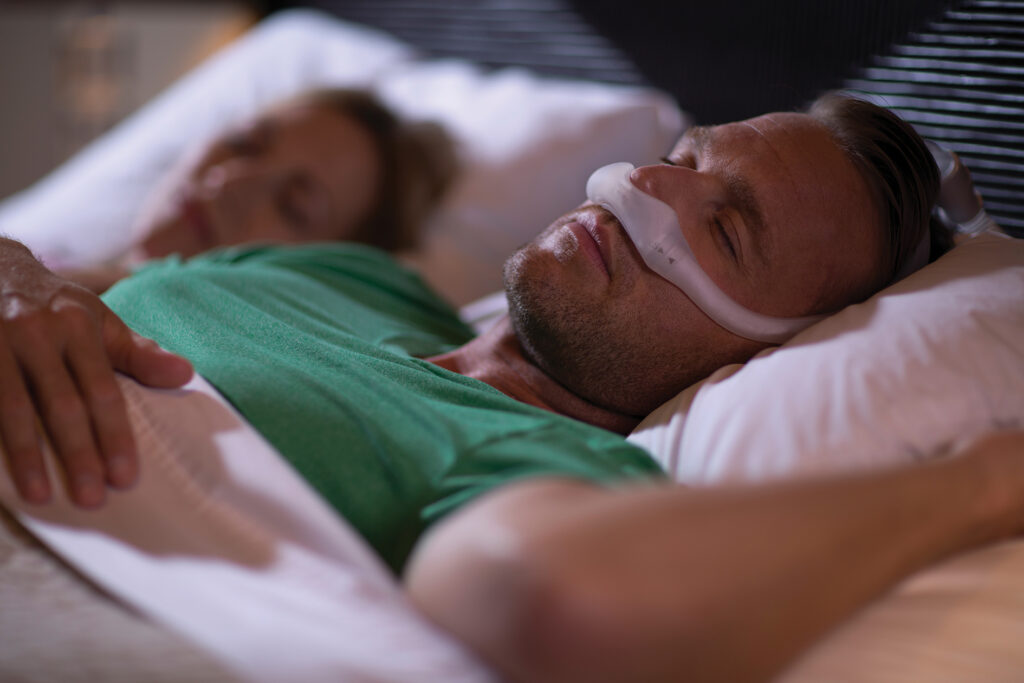
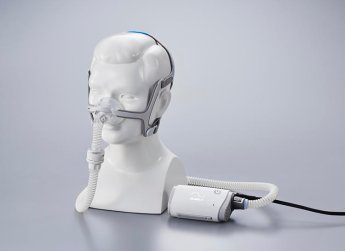
CPAP is effective only while it is being worn correctly. Owning the machine is not enough. Treatment benefit depends on regular use, adequate nightly duration, appropriate pressure, and a well-fitting mask.
| Item Reviewed | Why It Matters |
|---|---|
| Usage time | Short use may leave a large part of the night untreated. |
| Number of nights used | Irregular use produces inconsistent protection. |
| Mask leakage | Excessive leakage can reduce effective pressure and disturb sleep. |
| Residual AHI | Shows whether significant breathing events remain during treatment. |
| Symptoms | Daytime sleepiness, headaches, fatigue, and nocturia should be reassessed. |
4. Who Should Consider Repeat Testing?
Repeat evaluation may be useful if:
- You were previously told that you did not meet CPAP insurance criteria
- Your snoring or witnessed apnea has worsened
- You have persistent daytime sleepiness or poor concentration
- You have hypertension, arrhythmia, or metabolic disease
- Your weight has changed
- Your previous sleep test was performed several years ago
- A smartwatch or sleep application has repeatedly shown abnormal breathing
A previous result should not be treated as permanent. Obstructive sleep apnea may worsen with aging, weight gain, nasal obstruction, alcohol use, medication, and changes in sleeping posture.
5. Why CPAP Is an Important Treatment
For appropriately selected patients, CPAP is one of the most effective treatments for obstructive sleep apnea. It keeps the airway open during sleep and may improve apnea, oxygen desaturation, sleep fragmentation, snoring, and daytime symptoms.
Potential benefits of effective CPAP treatment
- Reduction in apnea and hypopnea
- Improved overnight oxygenation
- Reduced daytime sleepiness
- Improved morning headaches and fatigue
- Improved concentration and driving safety
- Support for cardiovascular and blood-pressure management
CPAP is not always easy to continue. Mask discomfort, nasal congestion, dryness, pressure intolerance, and travel inconvenience should be addressed rather than ignored.
Concerned about the burden of regular CPAP visits?
Ueno Snoring Clinic provides online follow-up for eligible patients already receiving CPAP treatment. Initial diagnosis and sleep testing cannot be completed through online consultation alone.
6. Symptoms That Should Not Be Ignored
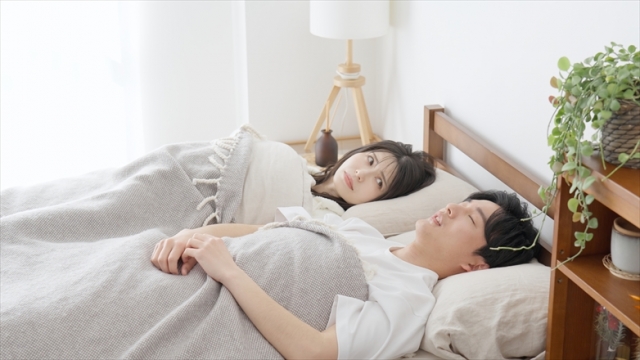
- Your family says you stop breathing during sleep
- You have loud habitual snoring
- You wake unrefreshed despite sufficient time in bed
- You experience strong daytime sleepiness
- You become sleepy while driving
- You are receiving treatment for hypertension
- You urinate frequently during the night
- A wearable device has repeatedly reported breathing abnormalities
These symptoms do not confirm sleep apnea by themselves, but they are reasonable indications for medical assessment.
7. What Ueno Snoring Clinic Provides
- Insurance-covered home sleep testing
- Polysomnography when clinically indicated
- Assessment of CPAP insurance eligibility
- CPAP initiation and follow-up
- Review of usage time, residual AHI, leakage, pressure, and symptoms
- Online CPAP follow-up for eligible established patients
- Consultation about alternatives when CPAP is difficult to tolerate
- Non-surgical laser snoring treatment for suitable patients
Frequently Asked Questions
Q. My home sleep test showed an AHI of 35. Does that automatically qualify for CPAP?
No. Under the currently described simplified-test threshold, AHI 35 does not automatically meet the commonly used AHI 40 criterion. PSG or further evaluation may be recommended depending on symptoms and clinical findings.
Q. My PSG showed an AHI of 16. Can I receive insurance-covered CPAP?
An AHI of 16 is classified as moderate OSA, but it does not automatically meet the commonly cited PSG threshold of AHI 20 for insurance-covered CPAP. Treatment options should be discussed individually.
Q. Does everyone improve after starting CPAP?
CPAP is highly effective when the airway obstruction is properly treated and the device is used consistently. Poor mask fit, short usage, leakage, or an incorrect pressure setting can reduce benefit.
Q. Can CPAP follow-up be performed online?
Online follow-up may be available for established patients who meet the relevant conditions. Initial diagnosis and testing generally require in-person assessment and appropriate sleep testing.
Summary
- CPAP insurance eligibility in Japan requires objective sleep testing and medical assessment.
- The official May 2026 materials continue to describe AHI 40 or more on a simplified monitor and AHI 20 or more on PSG.
- The 2026 revision increased attention to appropriate usage, adherence, and follow-up management.
- Patients previously considered ineligible may still benefit from repeat testing if symptoms or body weight have changed.
- CPAP works only when it is used correctly and consistently.
- Do not start or stop CPAP based only on an app, smartwatch, or isolated AHI number.
Consult Us About Snoring, Sleep Apnea, and CPAP Eligibility
Bring any previous sleep-test reports with you. We can review whether repeat testing, PSG, CPAP, or another treatment should be considered.
*Insurance requirements and reimbursement rules may be revised. The final decision regarding testing, diagnosis, and insurance-covered CPAP must be made by the treating physician under the rules in effect at the time of care.