



Told You Stop Breathing in Your Sleep? A Guide to Insurance-Covered Sleep Apnea Testing in Japan
Quick Answer
If CPAP feels difficult, do not stop treatment immediately. First identify the cause. Many problems can be improved by changing the mask, adjusting humidification or pressure settings, treating nasal obstruction, or reviewing sleep habits. Depending on the severity and cause of obstructive sleep apnea, oral appliance therapy, positional therapy, weight management, nasal treatment, or non-surgical laser snoring treatment may also be considered.
Is Regular CPAP Follow-Up Difficult?
Ueno Snoring Clinic provides online follow-up for eligible patients who are already receiving CPAP treatment.
At Ueno Snoring Clinic, we provide insurance-covered sleep testing and CPAP management, as well as self-pay laser snoring treatment. Visit the Ueno Snoring Clinic English website for details.
Medically Reviewed by the Director
Kazuyuki Sugaya
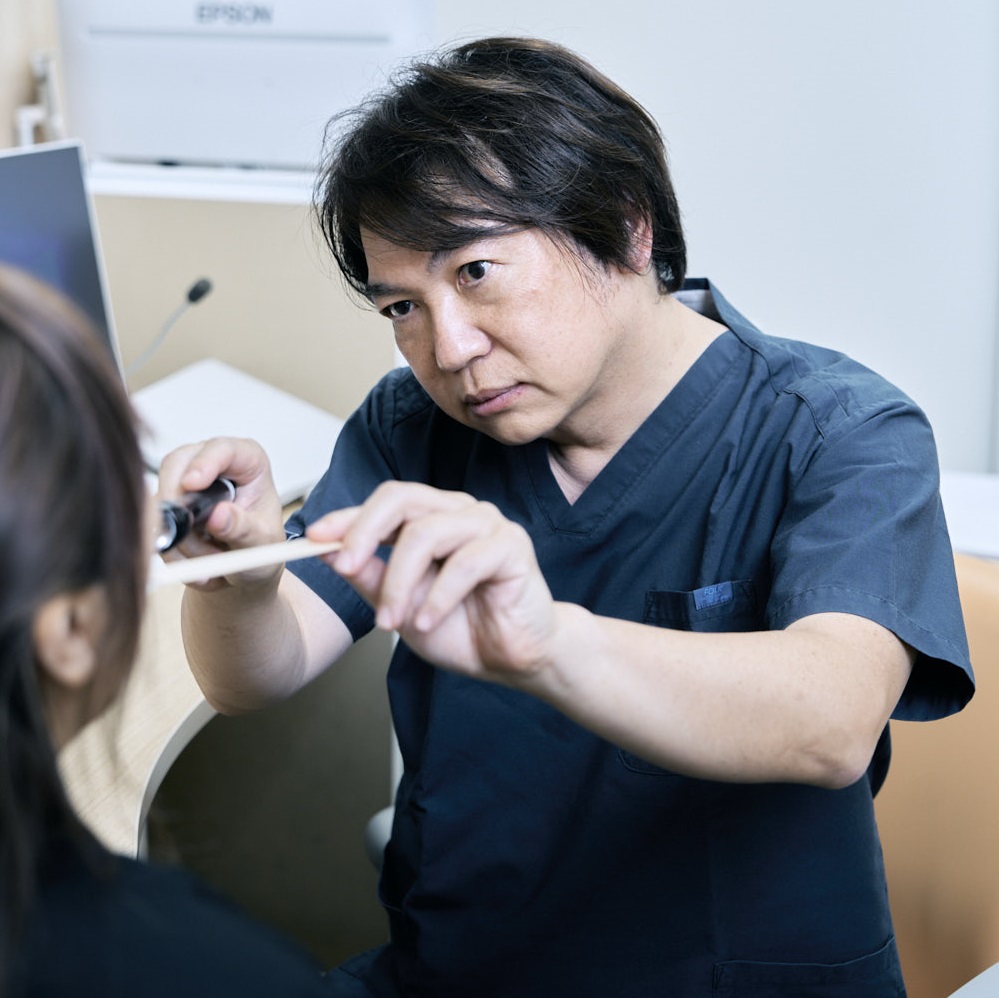
Director, Ueno Snoring Clinic / Anesthesiologist
With experience in more than 20,000 cases of general anesthesia, Dr. Sugaya provides individualized care for snoring and sleep apnea.
Common Reasons CPAP Does Not Suit a Patient
1. Mask discomfort
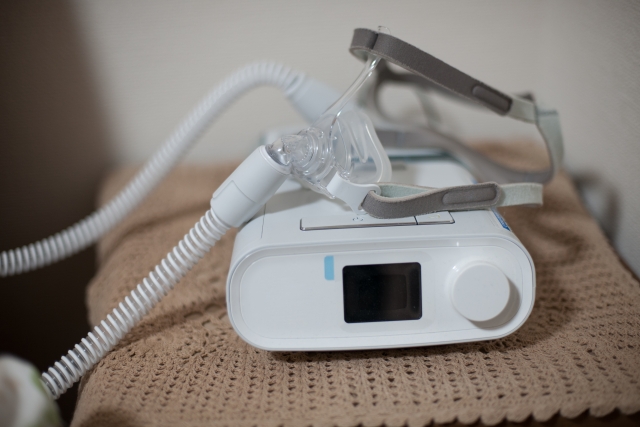
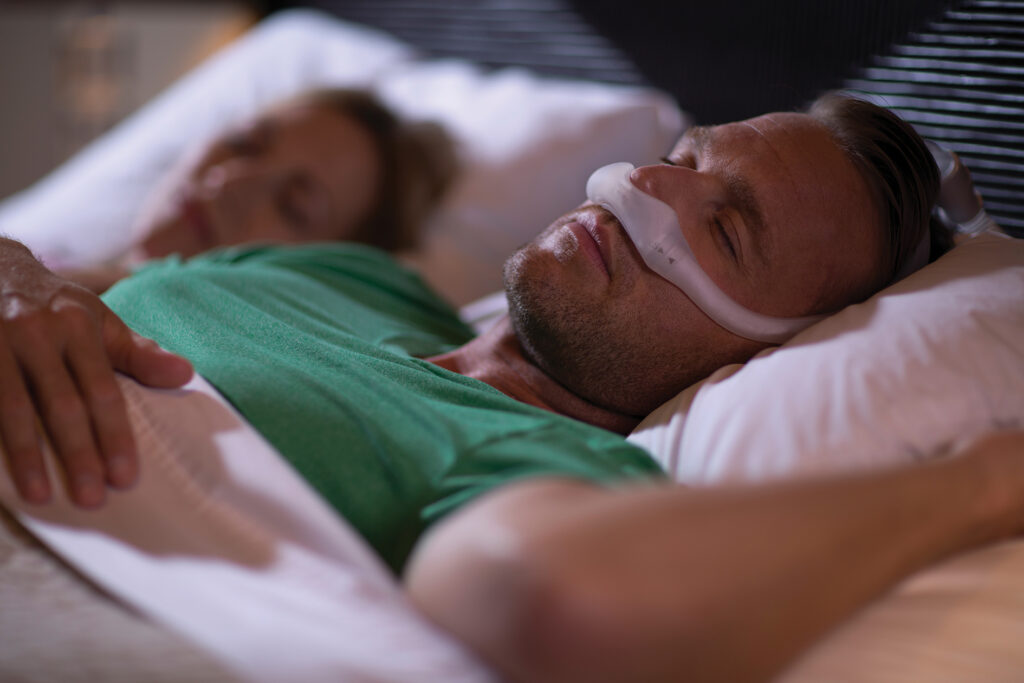
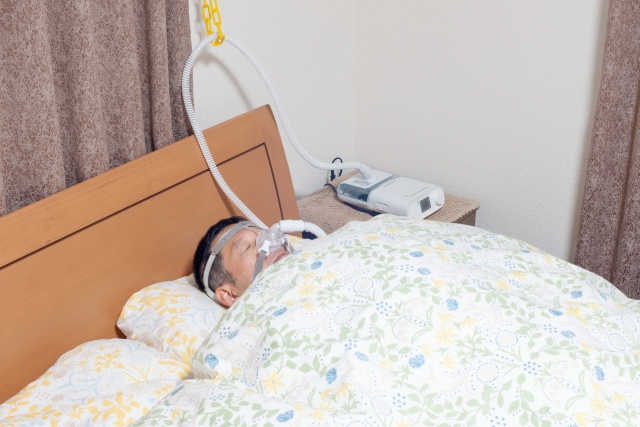
Nasal masks, nasal pillows, and full-face masks all fit differently. An unsuitable mask may cause pressure, skin pain, air leakage, dry mouth, or displacement during sleep. In some cases, the problem is the mask rather than CPAP itself.
2. Nasal obstruction or mouth breathing
Rhinitis, seasonal allergies, chronic sinusitis, and a deviated nasal septum may make CPAP airflow uncomfortable. Treating nasal obstruction may significantly improve adherence.
3. Pressure feels too strong
Some patients feel unable to exhale, experience aerophagia, or become anxious before falling asleep. Pressure review, auto-adjusting mode, ramp settings, expiratory relief, and humidification may help.
4. Sleep quality does not fully improve
Persistent sleepiness despite improved AHI may be related to leakage, repeated awakenings, nasal obstruction, insufficient sleep, insomnia, medication, or another sleep disorder.
What to Try First
- Change the mask: Review mask type, size, and headgear fit.
- Adjust humidification: Helpful for dry nose, dry mouth, and throat irritation.
- Treat nasal problems: Medication, nasal sprays, allergy treatment, or ENT assessment may help.
- Review pressure: Check residual AHI, leakage, usage time, pressure trends, and awakenings.
Options When CPAP Remains Difficult
1. Oral appliance therapy
A mandibular advancement device may help selected patients with simple snoring or mild to moderate OSA by moving the lower jaw forward. It may not be suitable for severe OSA and can cause jaw or dental discomfort.
2. Positional therapy
Patients whose apnea worsens mainly while sleeping on their back may benefit from side sleeping or positional devices.
3. Weight management and lifestyle improvement
Weight reduction, alcohol reduction, adequate sleep, and exercise may improve OSA. However, thin patients may also have OSA because of jaw structure, tongue size, nasal obstruction, or age-related muscle changes.
4. Laser treatment and upper-airway treatment
When snoring is mainly related to the soft palate, uvula, or pharyngeal tissue vibration, non-surgical laser treatment may be considered after proper evaluation. Laser treatment is not a substitute for CPAP in severe OSA.
The goal should not simply be “I want to stop CPAP.” The goal should be to determine whether another medically appropriate treatment fits your condition.
Do Not Stop CPAP Without Medical Advice
Untreated OSA may contribute to daytime sleepiness, poor concentration, hypertension, arrhythmia, cardiovascular risk, traffic accidents, and reduced work performance. Severe OSA may return immediately when CPAP is stopped.
Consider Consultation If:
- You cannot sleep while wearing CPAP
- You remove the mask every night
- Nasal obstruction makes CPAP difficult
- You wake with severe dry mouth
- Travel makes treatment difficult
- Sleepiness continues despite CPAP
- Your AHI improved but you do not feel better
- You want to know about treatments other than CPAP
- You want to know whether an oral appliance or laser treatment may suit you
What Ueno Snoring Clinic Can Provide
- Insurance-covered sleep testing
- Assessment of CPAP eligibility
- Consultation for CPAP discomfort
- Evaluation of nasal obstruction and mouth breathing
- Assessment of the cause of snoring
- Evaluation for laser treatment
- Discussion of alternatives to CPAP
- Explanation of insurance-covered and self-pay treatment
Summary
CPAP is effective, but it is not easy for every patient to continue. The key is to identify which problems can be adjusted and which require a different treatment strategy. Do not leave snoring or sleep apnea untreated.
For Patients Who Cannot Tolerate CPAP
We can review whether CPAP should be continued, adjusted, combined with another treatment, or replaced with another medically appropriate option.
Frequently Asked Questions
Can I stop CPAP if it feels uncomfortable?
Do not stop without medical advice. First review usage data, symptoms, pressure, leakage, and other treatment options.
Are there treatments other than CPAP?
Depending on severity and cause, options may include oral appliance therapy, positional therapy, weight management, nasal treatment, surgery, or laser treatment.
Why am I still sleepy despite using CPAP?
Possible causes include leakage, nasal obstruction, mouth breathing, repeated awakenings, insufficient sleep, insomnia, medication effects, or another sleep disorder.
Can I receive laser treatment if CPAP does not suit me?
Suitability depends on the cause of snoring and the severity of sleep apnea. Some patients may be candidates, while others should continue CPAP or prioritize another treatment.
[Insurance Treatment] Appointment-based care for patients concerned about snoring and sleep apnea
Ueno Snoring Clinic
📞 0120-899-930
5F Ueno Silk Building, 4-8-8 Ueno, Taito-ku, Tokyo 110-0005

Ueno Snoring Clinic
📞 0120-899-930
5F Ueno Silk Building, 4-8-8 Ueno, Taito-ku, Tokyo 110-0005
You can easily consult us via LINE ↓↓↓