Ueno Snoring Clinic offers insurance-covered sleep testing and CPAP management, as well as self-pay laser treatment for snoring, tailored to your specific condition. If you’d like to find out which treatment fits you, please start with an initial consultation.
Details of the tests and treatments offered at Ueno Snoring Clinic can be found here
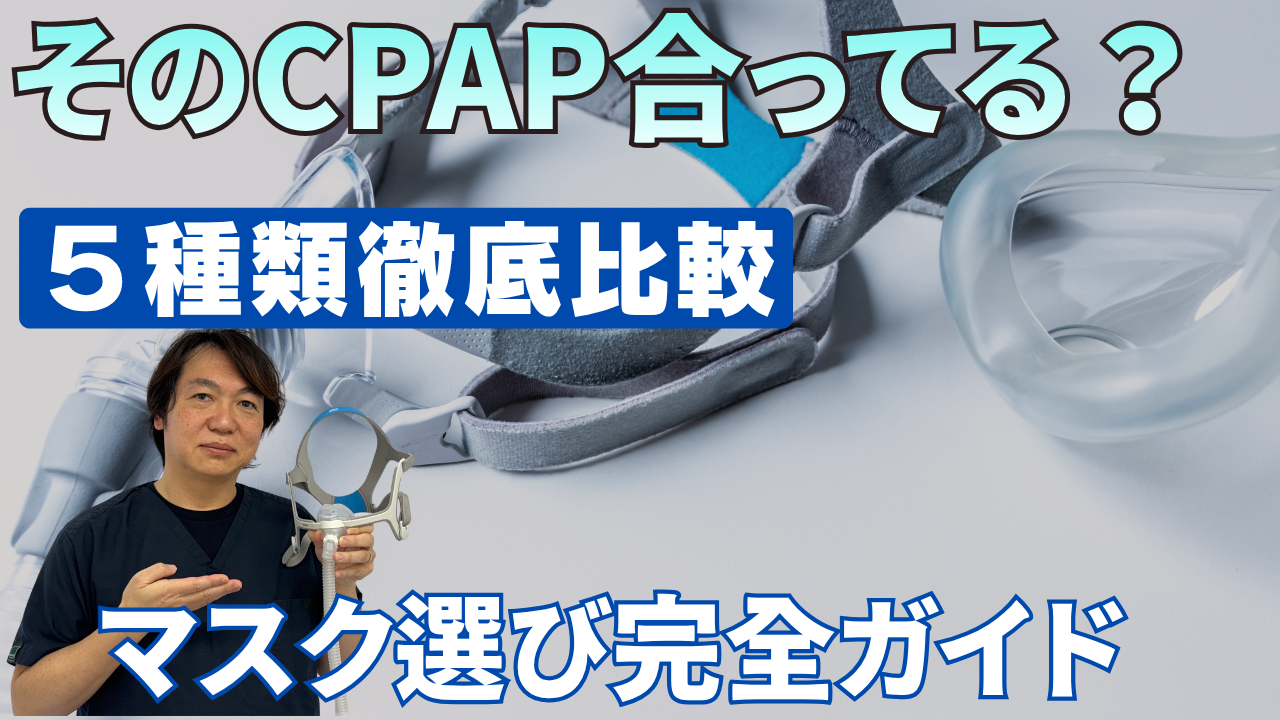
A Complete Comparison of CPAP Masks
We tried on and reviewed five different types of CPAP masks. 90% of CPAP comfort comes down to the mask.
Watch the video
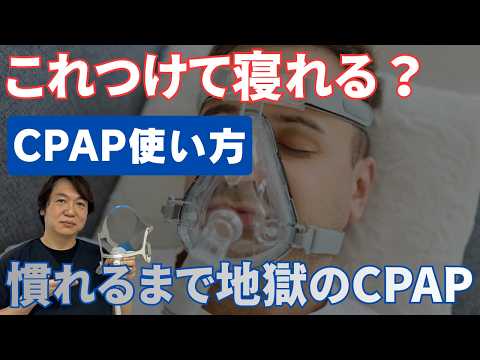
Do you have to use CPAP forever? A specialist explains how to use CPAP
A detailed explanation of how to use CPAP, with a real demonstration of what it feels like to wear the device.
Watch the video
Ueno Snoring Clinic was featured on Fuji TV’s “Live News It!” and on FNN Prime Online
Watch our clinic’s examination and explanation of sleep disorders, snoring, and sleep apnea.
Watch the video
Ueno Snoring Clinic was featured in an article on Nippon TV’s “news every.”
Please take a look as a starting point for thinking about getting evaluated for snoring, sleep apnea, or other sleep disorders.
Read the article
Reviewed by Our Director
Kazuyuki Sugaya
Director, Ueno Snoring Clinic / Anesthesiologist
Our director, with over 20,000 general anesthesia cases, focuses primarily on the diagnosis and treatment of snoring and sleep apnea, offering care tailored to each patient. [Insurance-Covered] Ueno Snoring Clinic
This article was reviewed by our Director, Kazuyuki Sugaya, and explains accurate medical information about the testing and treatment of snoring and sleep apnea syndrome (SAS) in clear, accessible terms.
🩺Comprehensive Snoring Treatment at Ueno Snoring Clinic
The causes of snoring range from the structure of the throat to body weight. Ueno Snoring Clinic doesn’t rely on a single treatment approach — we’re set up to recommend the best plan for each patient from a broad, evidence-based range of options.
Insurance-Covered: Thorough Testing and Ongoing Treatment
- Simplified and PSG testing: A precise analysis of your sleep condition
- CPAP treatment: The standard treatment for moderate-to-severe apnea
Self-Pay: Address the Root Cause, Short-Term Focus
- Snoring laser treatment: A non-surgical approach to the underlying cause
- Medically supervised weight loss: Improving airway space through weight reduction
*As a clinic specializing in snoring treatment, we work to resolve “snoring that won’t stop” through both insurance-covered and self-pay options.
New Book by Our Director
“Curing Snoring with the Latest Treatments”
A guide to the latest snoring treatments, written by an anesthesiologist who has overseen the sleep of more than 10,000 patients.
View on Amazon
Quick Answer
Buying a CPAP outright can look cheaper over time, but the real value of insurance-covered CPAP care isn’t the machine itself — it’s the ongoing, data-based adjustment of pressure, mask fit, leak, and usage that keeps therapy actually working. Modern CPAP devices record detailed treatment data that a medical provider can review at each visit, catching problems (a mask that isn’t sealing, pressure that’s too low, sleep that’s still fragmented) that are easy to miss on your own. If you’re just starting CPAP, still adjusting to a mask, or unsure whether your current settings are right, ongoing medical management is generally the safer, more effective path — self-managed purchase is best reserved for patients who are already stable and experienced with their treatment.
📋 What This Article Covers
- The difference between purchasing a CPAP and insurance-covered leasing and management
- The treatment data modern CPAP devices can track
- The benefits of having a medical provider manage your treatment
- How to think about mask replacement and maintenance
- When to reach out for help if CPAP feels difficult
CPAP Isn’t a “Buy It and You’re Done” Machine
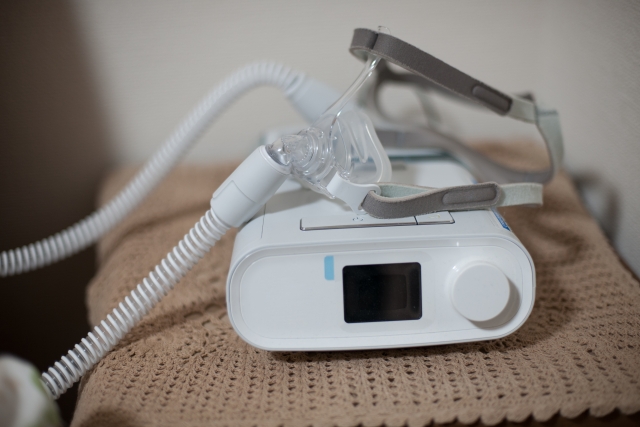
CPAP is a treatment in which air is delivered through a mask worn over the nose or mouth during sleep, preventing the airway from collapsing. The Japanese Respiratory Society describes CPAP as a treatment that sends pressurized air through the nose into the airway to prevent apnea during sleep — and it’s a treatment covered by health insurance in Japan.
What matters here is that CPAP’s effectiveness isn’t determined by having the machine — it’s determined by whether it’s being used correctly.
For example, even with the same CPAP machine, treatment effectiveness can fall short in situations like these:
- Air is leaking from the mask
- The pressure setting isn’t right
- Nasal congestion is limiting airflow
- The mask keeps coming off during the night
- Usage time is too short
- Strong mouth breathing is reducing treatment effectiveness
- Apnea has decreased, but sleepiness or nighttime waking persists
In other words, with CPAP therapy, continuously adjusting treatment based on data matters more than the machine itself.
If you purchase a CPAP yourself, the device is yours to keep. But managing pressure settings, mask selection, leak issues, usage evaluation, and treatment effectiveness entirely on your own isn’t simple.
When CPAP is continued through insurance-covered care at a medical institution, on the other hand, a physician reviews your treatment status at each visit and can adjust pressure, mask type, nasal symptoms, and lifestyle factors as needed. Many of the latest devices automatically measure AHI and inspiratory pressure and transmit the data to a data center, giving your provider concrete evidence of whether you’re using it effectively and whether your symptoms are improving.
Purchased CPAP vs. Insurance-Covered Leasing
Broadly speaking, there are two paths for CPAP: purchasing a device for personal use, or receiving one on loan through a medical institution under insurance-covered management.
| Category |
Purchased CPAP |
Insurance-Covered CPAP Management |
| Ownership |
You own the device |
Loaned through the medical institution |
| Upfront cost |
Tends to be high |
Starts with your insurance co-payment |
| Pressure adjustment |
Tends to be self-managed |
Checked and adjusted by a physician |
| Treatment data review |
Limited, depending on the device and setup |
Usage time, AHI, leak, and pressure are easy to review |
| Mask support |
You have to find one yourself |
Easy to get help if the fit isn’t right |
| Maintenance |
Self-managed |
Support available through the clinic and device provider |
| Good fit for |
Those experienced with self-management, with stable treatment |
Those wanting to continue safely, or with lingering discomfort or sleepiness |
A purchased CPAP isn’t necessarily a bad choice. Some patients consider it due to living abroad, extended business travel, or other special circumstances.
That said, sleep apnea syndrome is a condition linked to high blood pressure, arrhythmia, cardiovascular disease, daytime sleepiness, and traffic accident risk. Rather than managing treatment on your own, it’s reassuring to continue it with regular checks at a medical institution.
Finding CPAP Follow-Up Visits a Burden?
Ueno Snoring Clinic has started offering online consultations for patients on CPAP treatment. If monthly or every-other-month in-person visits are difficult for you, please ask us whether you qualify for this option.
Today’s CPAP Devices Show More Than Just “Did You Use It”
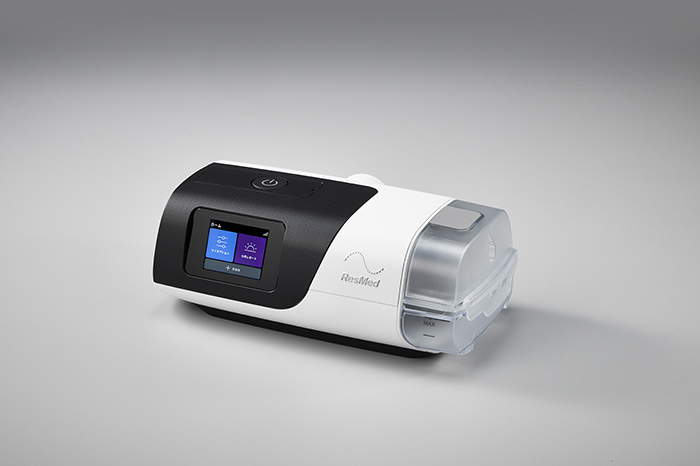
Older CPAP devices often did little more than track usage time. Today’s devices, however, allow for a much more detailed look at how treatment is actually going.
Depending on the model and service plan, a medical provider may be able to review information such as:
Key data a CPAP device can capture
- Hours of use per night
- How many days it was used
- The apnea-hypopnea index during treatment
- Air leakage from the mask
- Changes in the inspiratory and delivered pressure required
- Whether the mask was removed mid-sleep
- Device malfunctions or unusual usage patterns
In a CPAP report, AHI, usage time, and mask leak are the key figures to check. Based on this data, it becomes much easier to judge whether treatment is working, whether the mask fits well, and whether the pressure setting is appropriate.
This is a major difference from managing a purchased device on your own.
For example, a patient may believe they’re “wearing it every night,” but the data might reveal that actual usage time was shorter than expected, that the mask was removed partway through the night, or that leakage meant the pressure delivered wasn’t sufficient.
The reverse can also be true — a patient might feel “it’s uncomfortable and just doesn’t fit,” while the data shows apnea is being well controlled, and the real issue is nasal congestion or the shape of the mask.
This is why CPAP treatment calls for looking at both the data and how you actually feel — not one or the other.
The Biggest Benefit of Insurance-Covered CPAP: Precise Adjustment
CPAP isn’t comfortable to use if the pressure is set too high or too low.
Too low, and apnea may not be fully controlled. Too high, and you may experience air leakage, a dry mouth, bloating, waking mid-sleep, or an urge to pull the mask off.
That’s why the following kinds of adjustments matter with CPAP:
- Revisiting the pressure setting
- Checking the pressure range on an auto-adjusting CPAP
- Changing the type of mask
- Addressing nasal congestion
- Adjusting humidification settings
- Managing mouth breathing
- Reviewing sleep duration and sleeping position
- Evaluating the cause of any remaining sleepiness
If you’re receiving CPAP through insurance-covered care at a medical institution, you can raise these issues directly during your appointment.
CPAP is a standard treatment widely used for moderate-to-severe obstructive sleep apnea syndrome. At the same time, getting real benefit from it depends heavily on consistent use and good adherence — and managing the difficulties that come up along the way is part of that.
Simply “buying a machine and using it” tends to leave this adherence management out of the picture entirely.
Insurance-Covered Care Also Makes It Easier to Discuss Mask Changes
Whether you can stick with CPAP often comes down to how well the mask fits.
CPAP masks come in several types — nasal masks, nasal pillow masks, full-face masks, and more. The right mask depends on the shape of your face, whether you have nasal congestion, how strongly you breathe through your mouth, how much you move in your sleep, and how sensitive your skin is.
Common concerns patients raise include:
- It leaves a mark on the nose
- Air blows into the eyes
- The mask shifts out of place
- Air leaks from the mouth
- The nose hurts
- It comes off when I roll over
- The pressure feels uncomfortable
- It’s a hassle to bring while traveling
Many of these issues can improve simply by changing the type or size of mask.
If you’re receiving CPAP management at a medical institution, it’s easy to raise a mask-fit issue, and the clinic can often coordinate with the equipment provider to arrange a replacement or adjustment. The exact handling of masks and supplies varies by clinic, contract, and equipment provider, but in many cases, consultation and replacement are possible within insurance-covered management — which offers real peace of mind.
With a purchased CPAP, you may need to search for and buy a replacement mask yourself. Re-purchasing after a poor fit, choosing the right size, and confirming compatibility often become your own responsibility — worth keeping in mind.
Easier Access to Maintenance and Repair Support
CPAP is a medical device used every single night. Over time, components like the tubing, mask, filter, humidifier, and water tank all need upkeep.
Sudden issues can also arise — the device stops producing air, makes an unusual noise, the humidifier malfunctions, or an error message appears.
With a purchased CPAP, you may need to handle these problems on your own. Depending on the manufacturer’s warranty and how the device was purchased, repairs or replacement can also take time.
With CPAP management through a medical institution, on the other hand, the clinic often works directly with the equipment provider, making it easier to get help when something breaks or malfunctions.
CPAP is, in a real sense, a machine you depend on like a lifeline while you sleep. Because it’s used every day, having reliable support in place for equipment trouble matters.
Still Sleepy Even Though Your AHI Has Improved? That’s Worth Discussing Too
Sometimes, CPAP data shows real improvement in apnea, yet the patient still feels sleepy or fatigued.
This doesn’t necessarily mean CPAP isn’t working. It’s more likely that apnea is being controlled, but another factor is still at play, such as:
- Not getting enough total sleep
- Frequent nighttime waking
- Shallow sleep due to nasal congestion
- Sleep fragmented by mask leak
- Ongoing mouth breathing
- The effect of medications or an irregular schedule
- An underlying, undiagnosed sleep disorder
- Residual narrowing of the upper airway
In cases like this, looking at the CPAP machine alone won’t solve the problem. What’s needed is a broader evaluation — not just of sleep apnea syndrome, but of the nose, throat, tongue, mouth breathing, and overall sleep quality.
At our clinic, we also see patients on ongoing CPAP therapy who say “I’m still sleepy,” “something feels off,” “my nose is uncomfortable,” “travel is a hassle,” or “I’d like to know about other treatment options” — and we’re happy to talk through all of these.
Who Purchasing Suits, and Who Insurance-Covered Management Suits
CPAP isn’t a bad thing to say, of course — it’s a highly effective treatment. That said, for some patients, concerns can remain even with CPAP alone. In that case, it helps to think through solutions step by step — adjusting settings, changing the mask, treating nasal symptoms, revisiting lifestyle habits, and considering other treatments when appropriate.
Purchasing a CPAP may be a reasonable fit for those who:
- Have already used CPAP stably for a long period
- Understand pressure settings and how to review their own data
- Have special circumstances, such as living abroad or frequent long-term travel
- Are considering a purchase in consultation with their physician
- Are comfortable managing equipment issues and mask selection themselves
Insurance-covered CPAP management tends to be a better fit for those who:
- Are just starting CPAP
- Aren’t sure whether the pressure setting is right
- Have a mask that doesn’t fit well
- Have nasal congestion or strong mouth breathing
- Still feel sleepy despite treatment
- Tend to remove the mask during the night
- Want to keep checking their data every month to continue safely
- Would like support with equipment and mask maintenance as well
For most patients, CPAP isn’t a short-term appliance — it’s a medical device you’ll live with for a long time. That’s exactly why the decision between purchasing and leasing shouldn’t come down to cost alone; it’s worth asking whether the approach will actually help you sustain effective treatment.
Continuing CPAP Through Insurance Requires Regular Visits
To continue CPAP under insurance coverage, regular medical visits are generally required. The Sleep Center at Nihon University School of Medicine’s Itabashi Hospital, for example, notes that CPAP is a home-based treatment, and insurance-covered care requires a visit once a month.
Some may find this monthly visit inconvenient.
But that monthly appointment isn’t just a formality for continuing to lease the machine — it’s also an opportunity to review your treatment data and check that nothing has changed.
For instance, someone who was managing well a few months ago might find that CPAP comfort or treatment effectiveness has shifted due to weight changes, rhinitis, seasonal allergies, alcohol intake, sleep position, or changes in daily routine.
Being able to catch these changes at a monthly appointment is one of the real advantages of continuing CPAP through insurance-covered care.
Finding CPAP Follow-Up Visits a Burden?
Ueno Snoring Clinic has started offering online consultations for patients on CPAP treatment. If monthly or every-other-month in-person visits are difficult for you, please ask us whether you qualify for this option.
Please Don’t Stop CPAP on Your Own Just Because It’s Difficult
Not a few people find CPAP genuinely hard to get used to.
“My nose feels stuffy.”
“I can’t stop thinking about the mask.”
“Air keeps leaking.”
“It’s a hassle to bring on trips.”
“It’s hard to roll over in my sleep.”
“Coming in every month is a hassle.”
For reasons like these, some patients stop CPAP on their own without consulting anyone.
But for moderate-to-severe sleep apnea syndrome, stopping treatment can allow nighttime oxygen desaturation and sleep fragmentation to return. Given the potential effects on daytime sleepiness, concentration, blood pressure, and cardiovascular risk, we don’t recommend discontinuing CPAP on your own.
What matters is breaking down exactly why CPAP feels difficult.
Is it your nose? Does the mask not fit? Is the pressure too strong? Is sleepiness still lingering? Is it travel or business trips that are the real issue? The right response depends on which of these applies.
In some cases, a mask change or a humidification adjustment, or treating a nasal symptom, is all it takes to make CPAP sustainable again. In other cases, it may be worth exploring treatment options beyond CPAP.
If You’d Like to Know About Options Beyond CPAP
CPAP is one of the standard treatments for sleep apnea syndrome, but it isn’t the only option for every patient.
Depending on severity, the site of obstruction, the condition of your nose and throat, your build, lifestyle, occupation, travel frequency, and personal preferences, the right options can vary.
For example, an oral appliance, lifestyle changes, treatment for nasal symptoms, laser treatment, surgical treatment, or a combination with CPAP can all be worth considering depending on your situation.
Rather than dismissing CPAP, our approach is to help patients who do well on CPAP continue it more comfortably, and to explore other options together with patients who find CPAP difficult.
CPAP Not Working for You? Still Sleepy? Curious About Other Options?
At Ueno Snoring Clinic, you can discuss sleep apnea testing, CPAP management, snoring treatment, and treatment options beyond CPAP. We’ll work with you, using your current CPAP data and concerns, to find an approach you can actually stick with.
Contact Us Online Ask Us on LINE
Summary: What Matters Isn’t “Buy or Don’t” — It’s “Managed Correctly or Not”
When weighing whether to buy a CPAP or continue with insurance-covered leasing and management, it’s easy to focus on cost alone.
But CPAP is a medical device used every night. What matters isn’t owning the machine — it’s continuing treatment while confirming that apnea is genuinely being controlled, that sleepiness is improving, that the mask fits, and that the pressure is appropriate.
Modern CPAP devices make it easier for a medical provider to review data such as usage time, apnea status, mask leak, and pressure changes — surfacing issues that can be hard to notice from how you feel alone.
Easy access to mask replacement, maintenance, and support when something goes wrong is also a major advantage of insurance-covered CPAP management.
If you’re using CPAP but still feel sleepy, your mask doesn’t fit, your nose is uncomfortable, travel has become difficult, or you’d like to learn about other treatment options — please talk to us before stopping treatment on your own.
Sources and References
- The Japanese Respiratory Society, “Clinical Practice Guidelines for Sleep Apnea Syndrome (SAS) 2020” — on CPAP therapy’s insurance coverage in Japan since 1998, and the importance of ongoing evaluation and management
- Journal of the Japanese Society of Internal Medicine, “Sleep Apnea Syndrome: CPAP” — on usage time, adherence, daytime sleepiness, and traffic accident risk in CPAP treatment
- Medical Fee Information Service, Home Continuous Positive Airway Pressure Therapy Management Fee (C107-2) — on the requirement that insurance-covered medical institutions lend the CPAP device to the patient, and the framework for remote monitoring of usage time and AHI
- SASnet, “CPAP Therapy” — on CPAP delivering air through a nasal mask to keep the airway open, and the importance of an individualized pressure setting determined together with a physician
- Clinical explanatory materials on how to read a CPAP report — on reviewing AHI, usage time, and mask leak during CPAP treatment
*This article is a general, patient-facing summary based on the sources above and our clinic’s own clinical experience. Actual CPAP management, mask replacement, equipment support, and insurance-related handling can vary by medical institution, equipment provider, and individual patient condition.
Frequently Asked Questions
Q. Is it cheaper to just buy a CPAP?
A. Over the long term, purchasing can sometimes look cheaper. But once you factor in pressure adjustment, data review, mask replacement, maintenance, and troubleshooting, the benefits of medical management are substantial. It’s worth deciding based on whether the approach helps you sustain effective treatment, not cost alone.
Q. Can I get my mask replaced under insurance-covered CPAP care?
A. This varies by clinic, equipment provider, and your specific situation, but if a mask doesn’t fit, you can usually raise it during your appointment, and it often leads to an adjustment or replacement within your insurance-covered management. It’s worth asking before buying a replacement on your own.
Q. Why do I still feel sleepy even though I’m using CPAP?
A. Even if apnea has improved, sleepiness can persist due to insufficient total sleep, mask leak, nasal congestion, mouth breathing, frequent nighttime waking, medications, lifestyle factors, or an unrelated sleep disorder. It’s important to look at both your CPAP data and your symptoms together.
Q. Is it okay to stop CPAP if I find it too difficult?
A. We don’t recommend stopping on your own. For moderate-to-severe sleep apnea syndrome, discontinuing treatment can allow apnea and oxygen desaturation to worsen again. Please talk to a medical provider first — a mask change, pressure adjustment, treatment for nasal symptoms, or exploring other options may make continuing treatment much more manageable.







いびきを最新治療で治す-表紙-1.png)