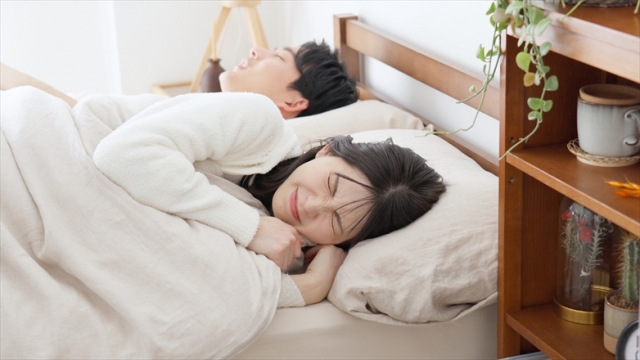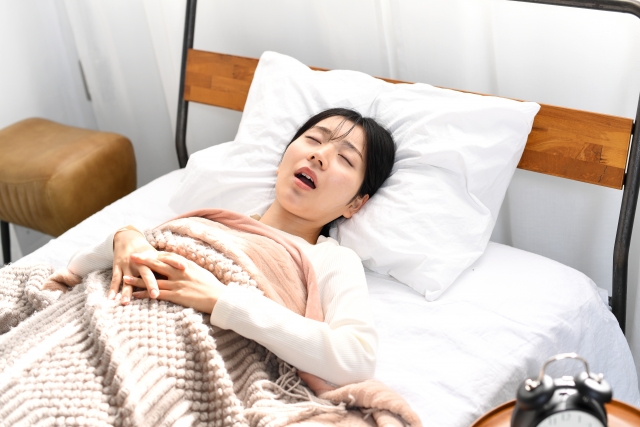

“By the afternoon, I’m too sleepy to work.” “I feel like I’m about to black out during meetings.” “I get drowsy while driving.” “I can’t make it through the day after lunch without an energy drink.”
Do you assume these are simply signs of fatigue or getting older?
Plenty of people get through the day with canned coffee, energy drinks, caffeine gum, or caffeine tablets.
But if you’re sleeping 7 to 8 hours a night and still experience strong daytime sleepiness, the underlying cause could be
snoring or sleep apnea syndrome (SAS).
Ueno Snoring Clinic offers a range of options tailored to each patient’s condition, including insurance-covered sleep testing and CPAP management, as well as self-pay laser treatment for snoring. If you’d like to find out which treatment is right for you, please book an initial consultation.
Details of the tests and treatments offered at Ueno Snoring Clinic can be found here


Reviewed by Our Director
Kazuyuki Sugaya
Director / Anesthesiologist, Ueno Snoring Clinic
With more than 20,000 general anesthesia cases, our director provides care centered on the diagnosis and treatment of snoring and sleep apnea, tailored to each patient. [Insurance-Covered] Ueno Snoring Clinic
This article has been medically reviewed by Director Kazuyuki Sugaya and explains accurate medical information about testing and treatment for snoring and sleep apnea syndrome (SAS) in plain language.
🩺Comprehensive Snoring Treatment at Ueno Snoring Clinic
The causes of snoring range from throat structure to obesity. Ueno Snoring Clinic is not limited to a single treatment method — we offer a wide range of evidence-based options so we can propose the plan best suited to each patient.
Thorough Testing & Ongoing Treatment (Insurance-Covered)
- Home sleep test / PSG (polysomnography): Precise analysis of your sleep condition
- CPAP therapy: The standard treatment for moderate-to-severe apnea
Self-Pay Treatment for Root-Cause, Short-Term Results
- Latest laser snoring treatment: Incision-free, root-cause treatment
- Medical weight-loss support: Physically opening the airway through weight reduction
*As a clinic specializing in snoring treatment, we are committed to resolving “snoring that won’t stop” through both insurance-covered and self-pay options.
This topic is also covered in detail in our director’s book, “Curing Snoring with the Latest Treatments” (Amazon Japan Best Seller: #1 in General Medicine, #1 in Clinical Internal Medicine, #2 in Home Medical & Health)
いびきを最新治療で治す-表紙-1.png)
New Book by Our Director
“Curing Snoring with the Latest Treatments”
Written by an anesthesiologist who has overseen the sleep of more than 10,000 patients, this book is a modern guide to the latest snoring treatments.
Quick Answer
If you’re relying on energy drinks or coffee just to get through the afternoon, it’s worth asking why — daytime sleepiness that persists despite 7–8 hours of sleep at night can be a sign of snoring or sleep apnea syndrome (SAS). During sleep, repeated airway narrowing causes oxygen levels to drop and briefly wakes the brain over and over, preventing deep, restorative sleep even after a full night in bed. Caffeine can mask the sleepiness temporarily, but it doesn’t address the underlying cause — and relying on it can make nighttime sleep quality even worse. If daytime sleepiness, morning headaches, snoring, or witnessed breathing pauses sound familiar, a sleep test can help clarify what’s really going on.
Energy Drinks Don’t “Cure” Sleepiness — They Mask It
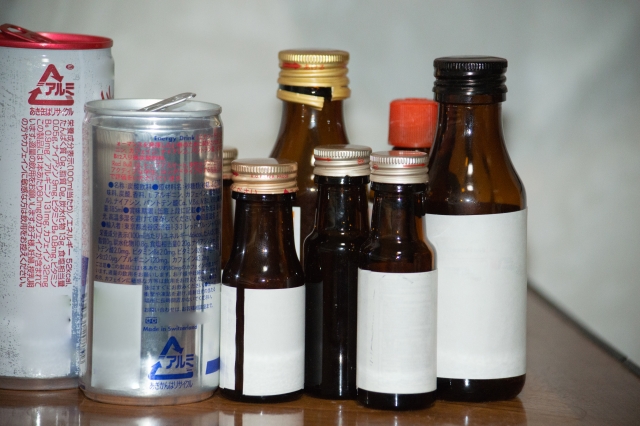
Drinking an energy drink can genuinely make you feel more alert for a while. That’s because the caffeine it contains blocks the activity of neurotransmitters involved in sleepiness, producing a temporary sense of wakefulness.
What’s worth noting, though, is that caffeine doesn’t remove the underlying cause of that sleepiness. It’s a bit like covering your car’s warning light with a sticker instead of fixing the problem — the light disappears from view, but whatever triggered it hasn’t been resolved.
Sleepiness works the same way. Your body may be signaling that it isn’t recovering, that it’s short on oxygen, or that your sleep quality is poor — and an energy drink may simply be masking that signal temporarily.
Once the caffeine wears off, the strong sleepiness returns, and you reach for another can of coffee or energy drink. This cycle often leads to consuming caffeine later into the evening, which can make it harder to fall asleep at night. Poor sleep onset then makes the next day’s sleepiness even worse, driving you back to caffeine again. Quite a few people find themselves caught in this vicious cycle.
⚠ Does This Habit Sound Familiar?
Needing an energy drink or canned coffee every single day just to function may be your body’s way of signaling distress.
Before forcing yourself to power through the sleepiness, it’s worth taking a step back and asking why you’re so sleepy in the first place.
“Sleepy Despite Sleeping” May Be a Question of Quality, Not Quantity
Most people judge their sleep by how many hours they got. Sleep duration certainly matters. But seven hours of deep, uninterrupted sleep and seven hours in which breathing repeatedly stops and the brain briefly wakes up again and again produce very different levels of recovery, even though the clock time is identical.
Sleep isn’t simply time spent lying down with your eyes closed. It’s an essential period during which the brain and body recover, hormones are regulated, memories are consolidated, and the autonomic nervous system rests.
When that sleep is fragmented by snoring or apnea, you may feel like you slept for a long time, but your body hasn’t actually gotten enough rest.
“I don’t feel rested even after sleeping in on my day off.” “My head feels heavy from the morning.” “I can’t concentrate even in the morning.” “I wake up with a dry mouth.”
If symptoms like these persist, the issue may not be simple sleep deprivation — it may be a decline in sleep quality itself.
What’s Really Behind Daytime Sleepiness — Understanding Sleep Apnea Syndrome
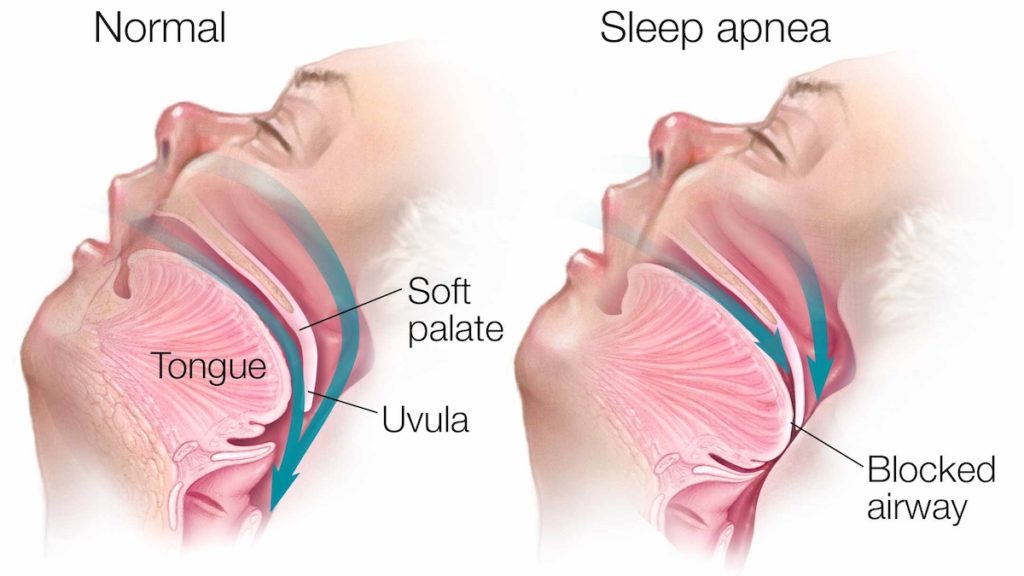
Sleep apnea syndrome, or SAS, is a condition in which the airway narrows or becomes blocked during sleep, causing breathing to repeatedly stop or become shallow.
When breathing stops, oxygen levels in the body drop. As oxygen falls, the brain senses danger and briefly wakes up to resume breathing. These arousals are so brief that the person rarely remembers them — but they place a real burden on the brain and body.
In severe cases, breathing can become disrupted dozens, or even hundreds, of times in a single night. Each time, the brain is roused, making it difficult to reach deep sleep.
In other words, even after spending a long time in bed, the body may be cycling between oxygen deprivation and arousal all night long.
The result: feeling tired the moment you wake up, strong daytime sleepiness, reduced work efficiency, and increased irritability.
Easy-to-Miss Signs of SAS
How many of these apply to you?
- □ You get sleepy during the day even after 7–8 hours of sleep at night
- □ You can’t get through the day without energy drinks or canned coffee
- □ Your head feels heavy or you have a headache upon waking
- □ A family member or partner has told you that you snore
- □ You’ve been told your breathing stops while you sleep
- □ You wake up during the night to use the bathroom
- □ You feel your concentration or memory has declined
- □ You wake up with a dry mouth
- □ You often struggle to wake up feeling refreshed
- □ You experience strong sleepiness while driving or in meetings
If three or more of these apply to you, a sleep disorder including SAS may be a possibility. In particular, if snoring, daytime sleepiness, morning headaches, and frequent nighttime urination overlap, we recommend consulting a specialist.
“I’m Not Overweight, So I’m Fine” Is a Common Misconception
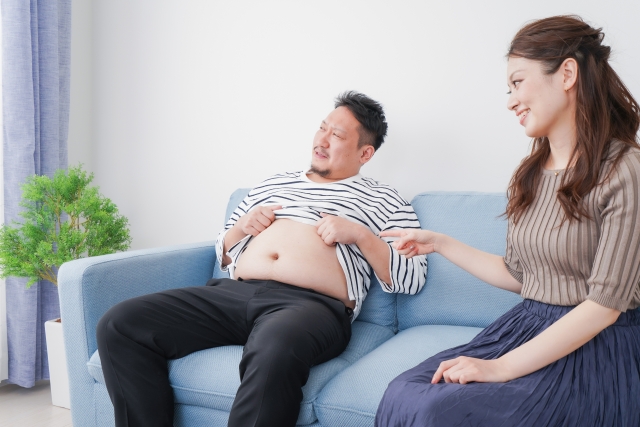
Many people picture sleep apnea syndrome as “a condition that affects overweight, middle-aged men.” Obesity is indeed a major risk factor for SAS, since fat around the neck narrows the airway and makes it easier for the passage to become blocked during sleep.
However, SAS isn’t limited to people with obesity. Many Japanese individuals have jaw and airway structures — a small jaw, a recessed lower jaw, a relatively large tongue, or poor nasal airflow — that make them prone to apnea regardless of body weight. As a result, snoring and sleep apnea can occur even in people of average or slim build.
In fact, it’s not uncommon for people who assumed “this doesn’t apply to me because I’m not overweight” to delay seeing a doctor, only to be diagnosed with SAS once tested.
Throat muscles also tend to loosen gradually with age. Even people who didn’t snore when they were younger may suddenly find themselves snoring more, not feeling rested despite sleeping, or feeling sleepy during the day starting in their 40s.
Managing Sleepiness With Energy Drinks vs. Treating Sleep Apnea (SAS)
Reaching for an energy drink to manage sleepiness can seem convenient in the short term — it can produce a sense of alertness in moments when you just need to get through work, driving, or studying.
Over the long term, however, this approach may leave the underlying cause unaddressed. If SAS is behind your sleepiness, what you actually need isn’t caffeine, but an evaluation of your breathing during sleep and appropriate treatment.
| Category | Managing With Energy Drinks | Testing & Treating SAS |
|---|---|---|
| Effect on sleepiness | Temporary | Can aim for lasting improvement |
| Sleep quality | May worsen | Improvement can be expected |
| Health risks | May go unnoticed | Can be properly assessed |
| Cost | Ongoing daily expense (a few hundred yen) | Can be covered by health insurance |
| Peace of mind going forward | Cause remains unknown | Your condition can be confirmed with objective data |
The Body-Wide Effects of Sleep Apnea (SAS) — It’s Not Just About Sleepiness
SAS isn’t just about feeling sleepy or snoring loudly. Disrupted breathing during sleep repeatedly deprives the body of oxygen, placing strain on the heart, blood vessels, and autonomic nervous system each time it happens.
When oxygen drops at night, the body senses danger and activates the sympathetic nervous system — the system that puts the body into a state of tension. Sleep is normally a time when the parasympathetic nervous system takes over and the body rests. But with SAS, the body can remain in something close to fight-or-flight mode even while asleep, preventing adequate rest.
As a result, links to high blood pressure, arrhythmia, diabetes, stroke, and heart disease become a concern. Traffic accidents and workplace mistakes caused by daytime sleepiness are also a significant risk to society.
- High blood pressure: Nighttime oxygen drops and sympathetic nervous system activation affect blood pressure
- Atrial fibrillation / arrhythmia: Low oxygen places strain on the heart
- Diabetes / worsening insulin resistance: Poor sleep quality affects metabolism
- Stroke risk: Blood pressure fluctuations and vascular strain become a concern
- Depression / cognitive decline: Chronic sleep deprivation and low oxygen affect the brain
- Traffic accident risk: Drowsy driving caused by strong daytime sleepiness
In other words, continuing to mask daytime sleepiness with energy drinks isn’t just a matter of “pushing through” the tiredness — it may delay the discovery of an underlying sleep disorder and allow future health risks to go unnoticed.
Who Should Consider Getting Tested?
Sleep apnea syndrome is a condition that’s genuinely difficult to notice in yourself, because most of its symptoms occur during sleep. Snoring and apnea are often first noticed by a family member or partner, and people who live alone may not discover it until much later.
One thing worth being especially cautious about is writing off daytime sleepiness as simply being busy, getting older, or being stressed. Of course, fatigue and stress can genuinely affect sleepiness. But if you’re sleepy despite what should be enough sleep, don’t feel recovered even after sleeping in on days off, or have a heavy head from the morning, it’s worth having your sleep quality checked.
Consider Getting Checked If You…
- Drink energy drinks or canned coffee almost every day
- Don’t feel rested even after sleeping
- Have headaches or fatigue upon waking
- Have been told by family that you snore or stop breathing
- Notice reduced concentration during the day
- Get sleepy while driving or in meetings
- Have been told you have high blood pressure or diabetes
- Snore even though you’re not overweight
What Ueno Snoring Clinic Offers
A Note From Our Director
As an anesthesiologist, I’ve managed more than 20,000 cases of general anesthesia. The core of anesthesia management is securing the airway and controlling breathing — and the mechanism behind snoring and apnea, airway obstruction during sleep, overlaps directly with that expertise.
Behind the sleepiness you’ve been masking with energy drinks, there’s often a treatable cause. Before accepting that “feeling sleepy is just how it is,” please come talk to us.
Testing and Diagnosis
In addition to a medical interview and physical exam, we offer a simplified sleep test you can do at home, along with more detailed testing when needed. The home sleep test checks your breathing patterns and changes in blood oxygen saturation during sleep.
Even if you’re not sure whether you snore, testing allows us to objectively evaluate your breathing during sleep. Rather than relying on how you feel, it’s important to understand your condition through actual data.
Treatment Options
Depending on the severity and cause of your SAS, we can propose several options, including CPAP therapy and laser-based snoring treatment. Which treatment is right for you depends on your test results, symptoms, lifestyle, and personal preferences.
Our clinic accepts insurance coverage, so testing and treatment can both be received under Japan’s national health insurance. You’re also welcome to consult us simply to find out whether you have sleep apnea in the first place.
Summary
Getting through daytime sleepiness with energy drinks is a bit like continuing to drive with a warning light covered by tape. You might manage to keep going in the moment, but the underlying cause hasn’t actually been resolved.
Sleepy during the day despite what should be a full night’s sleep. Unable to wake up feeling refreshed. Told by family that you snore. Unable to function at work without energy drinks or canned coffee.
If this sounds like your ongoing reality, a sleep disorder — including sleep apnea syndrome — may be hiding underneath. Rather than trying to power through sleepiness through sheer willpower, the first step is to find out what’s actually happening during your sleep.
At Ueno Snoring Clinic, physicians specializing in snoring and sleep apnea provide careful evaluation, including insurance-covered care. Before continuing to rely on energy drinks, please come talk to us.
Find Out What’s Really Causing Your Sleepiness
Ueno Snoring Clinic | Sleep Specialty Clinic | Insurance-Covered Care
Ueno Snoring Clinic | Anesthesiologist With 20,000+ General Anesthesia Cases | Sleep Specialty Clinic
Frequently Asked Questions
Q. I can’t get through the afternoon without an energy drink every day. Is that abnormal?
It’s less “abnormal” than a sign that your body may be sending an SOS. If you’re getting enough sleep hours but still experiencing strong daytime sleepiness, your sleep quality may be compromised by snoring or apnea.
Q. Is testing painful? Do I need to be hospitalized?
The simplified test can be done at home and isn’t painful — you simply wear a small device on your wrist or fingertip while you sleep as usual. More detailed testing can be arranged afterward if needed.
Q. Is testing for sleep apnea syndrome covered by insurance?
Yes. Our clinic accepts insurance coverage. Your out-of-pocket cost will depend on your specific insurance plan — please check the details at your visit.
Q. I’m not overweight — this doesn’t apply to me, right?
Not necessarily. Because of skeletal features common among Japanese people, such as a smaller jaw or a relatively large tongue, people of average or slim build can also develop SAS.
Q. Should I get tested even if I’m not aware that I snore?
Yes. It’s genuinely difficult to notice your own snoring, and people who live alone in particular may not discover it for some time. If you have daytime sleepiness, morning headaches, or frequent nighttime urination, it’s worth getting checked even without being aware of snoring.