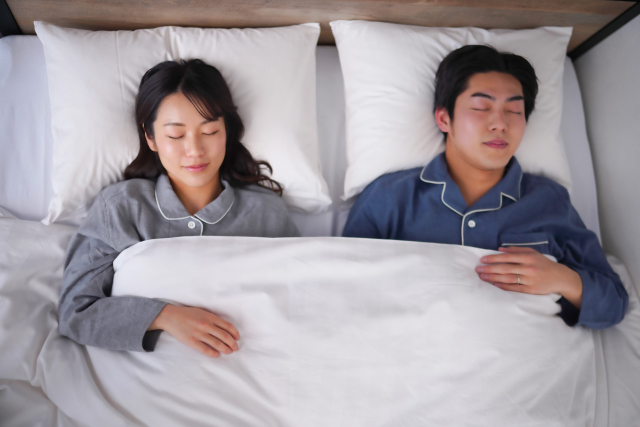

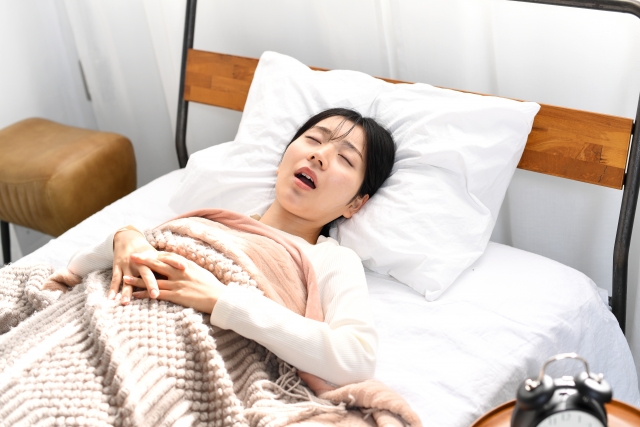
However, snoring in women can be related to nasal congestion, hormonal changes, pregnancy, menopause, jaw structure, weight change, mouth breathing, stress, alcohol, and obstructive sleep apnea. In some cases, it may also affect daytime energy, concentration, skin condition, facial puffiness, and overall quality of life.
Quick Answer
Women can snore because of nasal obstruction, mouth breathing, hormonal changes, pregnancy, menopause, jaw structure, weight changes, alcohol, fatigue, or sleep apnea. Even slim women can develop snoring or obstructive sleep apnea if the airway is naturally narrow or the tongue and soft palate collapse during sleep. If snoring is loud, worsening, associated with daytime sleepiness, morning headaches, or witnessed pauses in breathing, medical evaluation is recommended.
At Ueno Snoring Clinic, we offer options tailored to your condition, including insurance-covered sleep testing and CPAP management, as well as self-pay laser snoring treatment. If you would like to find the treatment that suits you, please start with an initial consultation.
You can find details on the examinations and treatments at Ueno Snoring Clinic here

Do any of these apply to you?
- Your partner or family has pointed out your snoring
- You feel tired even after sleeping
- You feel sleepy during the day
- Your snoring has suddenly increased
- You are worried about facial puffiness, skin condition, or signs of aging
- You feel anxious about travel, dating, or sleeping in the same room with someone
Female snoring is often dismissed as “just fatigue,” but sleep apnea may be hidden behind it.
Supervised by the Director
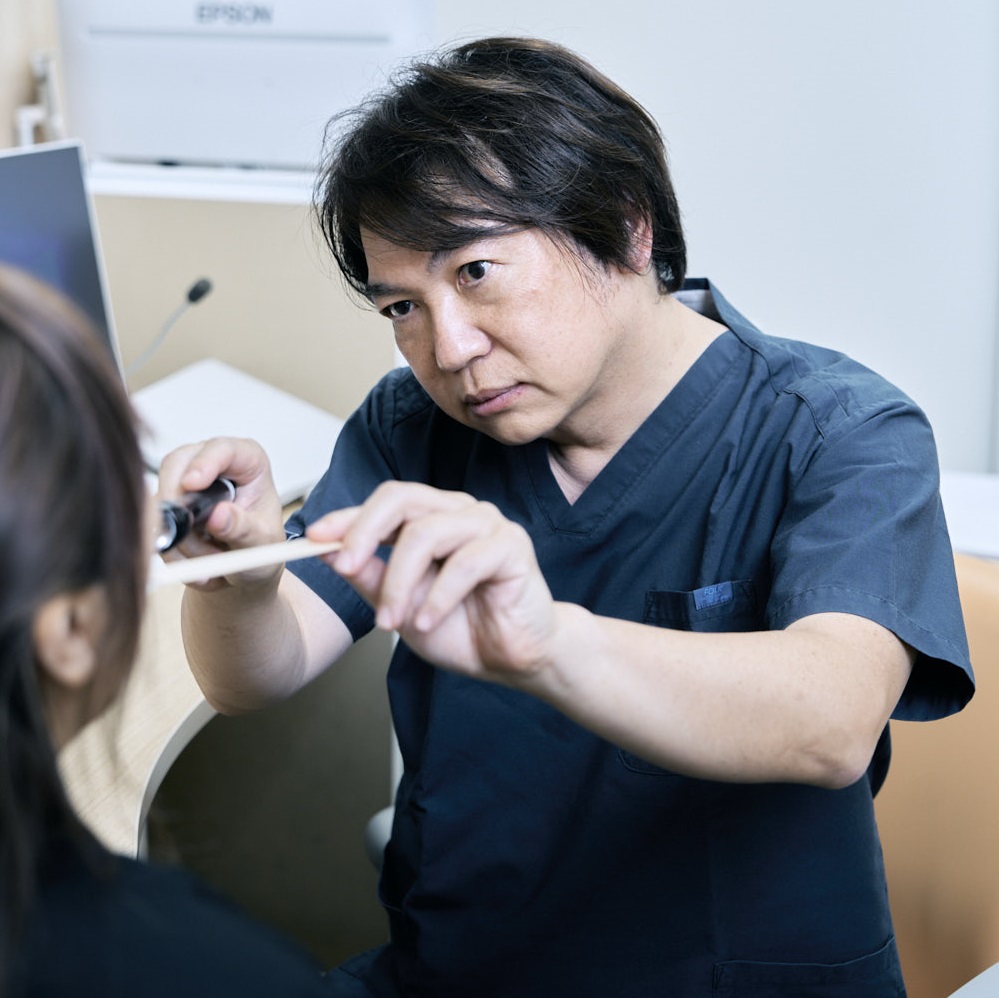
Kazuyuki Sugaya
Director, Ueno Snoring Clinic / Anesthesiologist
With experience in over 20,000 cases of general anesthesia, the director focuses primarily on the treatment of snoring and sleep apnea, providing care tailored to each individual patient. Ueno Snoring Clinic
This article has been supervised by Director Kazuyuki Sugaya to clearly explain accurate medical information regarding examinations and treatments for snoring, obstructive sleep apnea syndrome, and related conditions.
🩺Comprehensive Snoring Treatment at Ueno Snoring Clinic
Snoring has a wide range of causes, including throat anatomy, tongue position, nasal congestion, obesity, alcohol, sleeping posture, and sleep apnea. At Ueno Snoring Clinic, we provide a personalized treatment plan rather than relying on one single method.
Laser snoring treatment without surgery
- Dual Deep Thermia®: Non-surgical laser snoring treatment
- No cutting or hospitalization: Suitable for selected patients seeking minimal downtime
Sleep testing and medical evaluation
- Home sleep test / PSG: Evaluating breathing during sleep
- CPAP therapy: Standard treatment for moderate to severe obstructive sleep apnea
*As a clinic specializing in snoring treatment in Tokyo, we support patients through both self-pay laser treatment and insurance-covered medical evaluation when appropriate.
The director’s book “Treating Snoring with the Latest Treatments” also explains snoring, sleep apnea, CPAP therapy, and laser snoring treatment in detail.
いびきを最新治療で治す-表紙-1.png)
New Book by the Director
“Treating Snoring with the Latest Treatment Methods”
The definitive guide to the latest snoring treatments, explained by an anesthesiologist who has overseen the sleep of more than 10,000 people.
Why Female Snoring Is Often Overlooked
Many women visit our clinic with concerns such as:
- “I was told I snore even though I am a woman.”
- “My boyfriend or husband pointed it out, and now I feel anxious about travel.”
- “I do not know what happens while I sleep, so I do not know what to do.”
- “I am not overweight, so I did not think I could have sleep apnea.”
Female snoring is a very common concern. However, compared with men, women often hesitate to seek medical advice because snoring can feel embarrassing or socially sensitive.
Snoring is not only a sound problem. It can be a sign that sleep quality is declining, breathing is unstable, or obstructive sleep apnea is present. Understanding the cause makes treatment easier and safer.
When Does Snoring Increase in Women?
Female snoring often increases during major life events or body changes. Common timing includes:
- Pregnancy and the postpartum period
- Weight change
- Perimenopause and menopause
- Periods of strong fatigue or stress
- Worsening allergic rhinitis or hay fever
- Changes in alcohol intake, sleeping pills, or anti-anxiety medication
- Reduced sleep time or irregular sleep schedule
These factors can influence hormone balance, muscle tone, fluid retention, nasal obstruction, and upper airway narrowing. If you recently started snoring despite never having been told before, a body or lifestyle change may be involved.
How Snoring Happens: The Sound Is Vibration
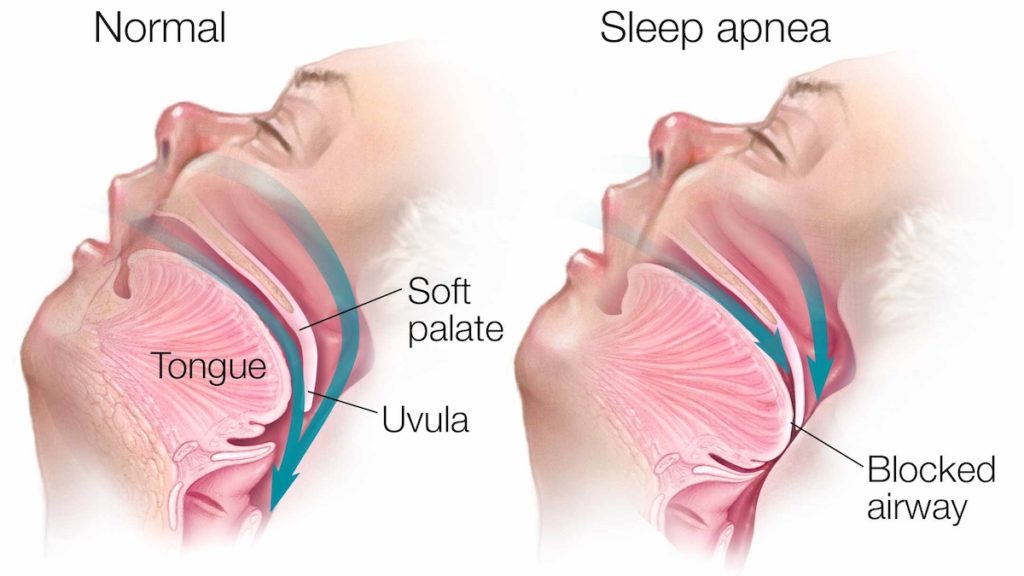
Snoring occurs when air passes through a narrowed area during sleep and causes soft tissue in the throat to vibrate. The main mechanisms are:
- The airway becomes narrow in the nose, throat, or behind the tongue
- The muscles relax during sleep and soft tissues fall backward
- The soft palate, uvula, tongue base, or pharyngeal wall vibrates
In women, “not being overweight” does not mean snoring is impossible. Nasal congestion, swelling, hormonal changes, jaw shape, tongue position, and reduced muscle tone can all contribute.
Common Causes of Snoring in Women
1. Nasal congestion, allergic rhinitis, and hay fever
When the nose is blocked, mouth breathing becomes more likely. Mouth breathing dries the throat and can increase vibration of the soft palate and pharyngeal tissues.
If your snoring gets worse during allergy season, or if your mouth is dry when you wake up, nasal obstruction may be a major factor.
2. Fluid retention and swelling
Women may be more prone to fluid retention because of menstrual cycle changes, pregnancy, menopause, salt intake, alcohol, or fatigue. Fluid that accumulates in the legs during the day can shift upward when lying down and may contribute to swelling around the throat.
Even without weight gain, temporary swelling can narrow the upper airway and worsen snoring.
3. Menopause and hormonal change
Perimenopause and menopause are important periods for female snoring. Changes in female hormones may affect sleep quality, muscle tone, body fat distribution, and upper airway stability.
Symptoms such as poor sleep, waking at night, fatigue, irritability, hot flashes, and daytime sleepiness may overlap with snoring or sleep apnea symptoms. Because of this, sleep apnea in women can be mistaken for menopause, stress, or aging.
4. Small jaw, dental alignment, and tongue position
Some women have a naturally small jaw, receding lower jaw, narrow oral cavity, or low tongue position. These anatomical factors can reduce the space behind the tongue and make the airway narrow during sleep.
This is one reason why slim women can snore or develop obstructive sleep apnea.
5. Fatigue, stress, alcohol, and sleeping pills
When sleep becomes deep or the body is exhausted, throat muscles may relax more strongly. Alcohol and some sedative medications can also reduce muscle tone around the upper airway and worsen snoring.
If you notice that snoring becomes worse after drinking or during stressful periods, muscle relaxation may be involved.
Female Snoring and Beauty: Why Sleep Quality Matters
Many women are concerned not only about the sound of snoring, but also about fatigue, facial puffiness, skin condition, dark circles, and a tired-looking face.
Poor sleep quality can affect facial appearance through several mechanisms:
- Reduced deep sleep and recovery
- Morning puffiness due to poor circulation and fluid shift
- Dark circles under the eyes
- Dry mouth and mouth breathing
- Daytime fatigue and reduced facial expression
- Stress hormone activation from repeated sleep disruption
Snoring prevention is not only about reducing noise. It may also help improve sleep quality, morning freshness, partner relationships, and overall appearance.
Warning Signs: When Women Should Consider Medical Evaluation
Not all snoring requires urgent treatment. However, the following signs suggest that obstructive sleep apnea or significant sleep-disordered breathing may be present:
- You snore almost every night
- Your partner says you stop breathing during sleep
- You wake up choking or gasping
- You have morning headaches
- You wake with a dry mouth or sore throat
- You feel sleepy during the day
- You have reduced concentration or irritability
- You wake up frequently at night
- You urinate frequently at night
- Your snoring worsens even without weight gain
- You have high blood pressure or abnormal blood sugar
Sleep Apnea in Women Is Often Missed
In women, sleep apnea may be mistaken for menopause, stress, depression, fatigue, insomnia, or aging.
It may be associated with:
- High blood pressure
- Chronic fatigue
- Reduced concentration
- Morning headaches
- Skin dullness or facial puffiness
- Weight gain or difficulty losing weight
- Poor sleep despite spending enough time in bed
Can Slim Women Have Sleep Apnea?
Yes. Sleep apnea is often associated with obesity, but body weight is not the only factor. Slim women can still develop snoring or obstructive sleep apnea when the airway is naturally narrow.
Possible reasons include:
- Small jaw or receding lower jaw
- Large tongue relative to oral cavity size
- Narrow throat space
- Nasal obstruction
- Low tongue position
- Soft palate vibration
- Hormonal changes affecting airway stability
This is why medical evaluation should not be based only on body shape.
Pregnancy and Snoring
Snoring may increase during pregnancy because of weight gain, fluid retention, nasal congestion, and hormonal changes. Pregnancy-related nasal congestion can promote mouth breathing, while swelling around the airway may increase snoring.
If loud snoring, witnessed apnea, high blood pressure, or severe daytime sleepiness occurs during pregnancy, medical consultation is important. Treatment decisions during pregnancy must be made carefully and individually.
Self-Care for Female Snoring
Before visiting a clinic, some lifestyle measures may help reduce mild snoring. However, if sleep apnea is suspected, testing should not be delayed.
- Sleep on your side: Side sleeping can reduce tongue base collapse in some people.
- Avoid alcohol before bed: Alcohol relaxes throat muscles and can worsen snoring.
- Manage nasal congestion: Humidification, allergy management, and ENT consultation may help.
- Reduce late-night salt and heavy meals: This may help reduce swelling and reflux-related sleep disturbance.
- Maintain regular sleep time: Chronic sleep deprivation can worsen snoring and airway instability.
- Record your snoring: A smartphone app may help you understand frequency and severity.
If these measures do not help, or if breathing pauses are suspected, medical evaluation is recommended.
Treatment Options for Snoring in Women
The best treatment depends on the cause. It is usually better to identify where the airway narrows before deciding on treatment.
| Cause | Possible Approach |
|---|---|
| Nasal congestion | Nasal treatment, allergy care, humidification, ENT evaluation |
| Soft palate vibration | Laser snoring treatment may be considered for suitable patients |
| Tongue base collapse | Side sleeping, oral appliance, CPAP, weight management, medical evaluation |
| Moderate to severe sleep apnea | CPAP therapy is generally the standard treatment |
| Weight-related airway narrowing | Weight management, lifestyle support, medical weight loss when appropriate |
When Is Laser Treatment an Option for Female Snoring?
At Ueno Snoring Clinic, we provide Dual Deep Thermia®, a non-surgical laser snoring treatment that targets soft tissue vibration around the throat, including the soft palate region.
Laser treatment may be considered when snoring is mainly caused by vibration or looseness of the soft palate, uvula, or surrounding upper airway tissues. It may be attractive for women who want a treatment option with minimal downtime and no hospitalization.
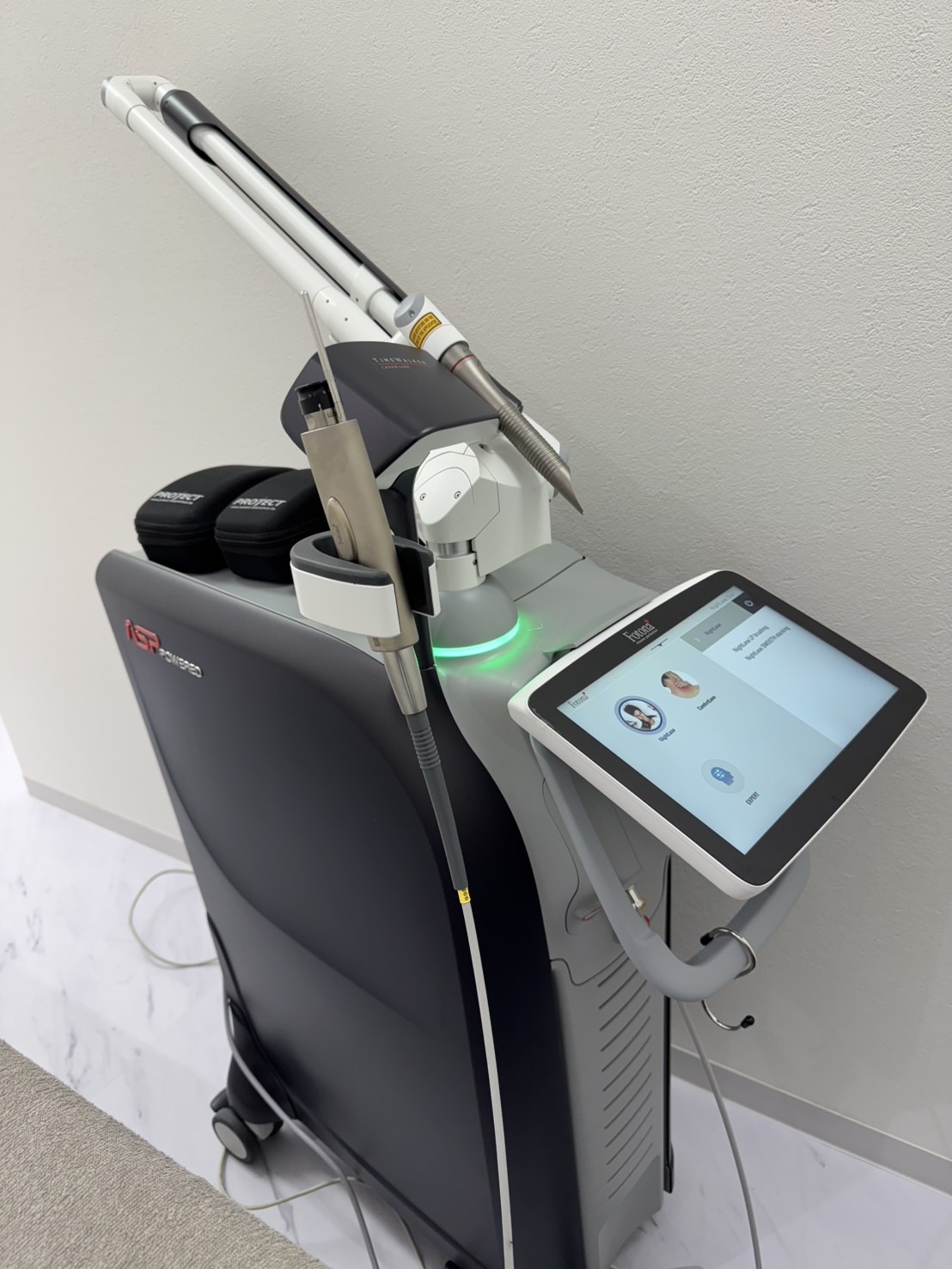
However, laser treatment is not suitable for everyone. If nasal obstruction is the main cause, nasal treatment may be prioritized. If tongue base collapse or severe sleep apnea is present, CPAP or another treatment may be more appropriate.
Looking for Snoring Treatment for Women in Tokyo?
Ueno Snoring Clinic provides individualized care for female snoring, including sleep apnea evaluation, CPAP management when indicated, and non-surgical laser snoring treatment for suitable patients.
- English-speaking medical consultation available
- Female snoring and sleep apnea evaluation
- Non-surgical laser snoring treatment
- Convenient location near Ueno Station, Tokyo
- International patients welcome
What to Prepare Before Your First Visit
Preparing the following information can make your consultation smoother:
- How often your snoring occurs
- Whether anyone has noticed pauses in breathing
- Morning symptoms such as headache, dry mouth, fatigue, or sore throat
- Daytime sleepiness or reduced concentration
- Weight changes
- Alcohol intake
- Medication use
- Nasal allergies or hay fever
- Pregnancy or menopause-related symptoms
- Snoring app recordings, if available
You do not need to feel embarrassed. Snoring is a common medical symptom, and clear information helps improve diagnostic accuracy.
Why International Patients Choose Ueno Snoring Clinic
- English-speaking doctor: Medical consultation is available in English
- Convenient Tokyo location: Near Ueno Station
- Non-surgical laser snoring treatment: Suitable for selected patients who want minimal downtime
- Sleep apnea evaluation: Medical assessment when snoring may be a sign of apnea
- International patients welcome: Helpful for foreign residents and visitors in Japan
- Personalized treatment plan: CPAP, laser, sleep testing, lifestyle care, and weight management are considered based on the cause
Summary: Female Snoring Is Treatable When the Cause Is Clear
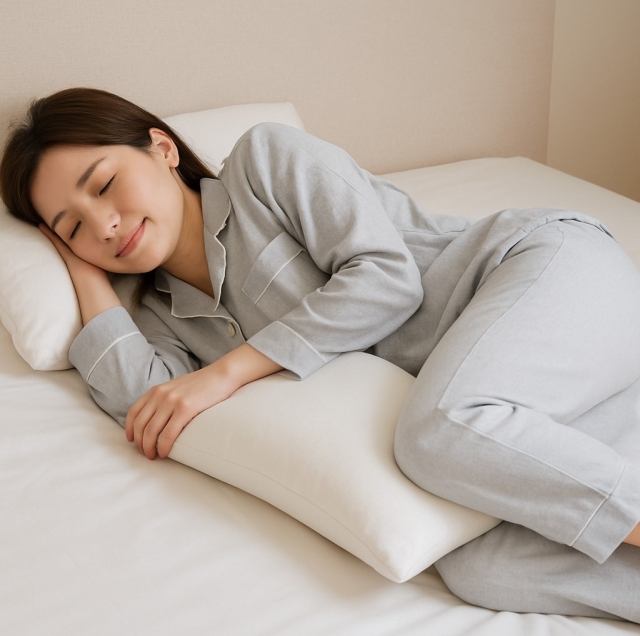
Female snoring is often caused by multiple factors, including nasal congestion, fluid retention, hormonal changes, jaw structure, tongue position, sleep quality, alcohol, stress, and weight changes.
It should not be dismissed as “just fatigue” or “just aging.” If snoring is loud, worsening, or associated with daytime symptoms, sleep apnea may be present.
For women searching for female snoring treatment, sleep apnea in women, laser snoring treatment in Tokyo, or an English-speaking snoring clinic near Ueno Station, Ueno Snoring Clinic provides medical evaluation and personalized treatment options.
Book a Snoring Consultation in Tokyo
If you are concerned about snoring, sleep apnea, CPAP intolerance, or want to explore non-surgical laser snoring treatment, please consult Ueno Snoring Clinic.
*The applicability of insurance vs. self-pay treatment differs depending on your symptoms and test results. The important first step is to check your current condition.
Frequently Asked Questions
Q. Is snoring common in women?
A. Yes. Snoring in women is common, especially during pregnancy, menopause, allergy seasons, periods of fatigue, or after weight change.
Q. Can slim women snore?
A. Yes. Snoring can occur even in slim women due to a small jaw, narrow throat, tongue position, nasal obstruction, or soft palate vibration.
Q. Can women have sleep apnea?
A. Yes. Women can develop obstructive sleep apnea. It may be overlooked because symptoms are sometimes mistaken for fatigue, stress, insomnia, or menopause.
Q. Does menopause cause snoring?
A. Menopause can contribute to snoring through hormonal changes, sleep disturbance, muscle tone changes, and changes in body fat distribution.
Q. Can pregnancy cause snoring?
A. Yes. Pregnancy can increase snoring because of weight gain, fluid retention, nasal congestion, and hormonal changes. Medical consultation is important if apnea or high blood pressure is suspected.
Q. Is female snoring related to aging?
A. Aging can reduce muscle tone and change sleep quality, but it is not the only cause. Nasal, hormonal, anatomical, and lifestyle factors may also be involved.
Q. Can laser treatment help female snoring?
A. Laser snoring treatment may help selected patients whose snoring is mainly caused by soft palate or throat tissue vibration. Medical evaluation is needed to confirm suitability.
Q. Can CPAP treat female sleep apnea?
A. Yes. CPAP is generally a standard treatment for moderate to severe obstructive sleep apnea, regardless of sex.
Q. Should I be embarrassed to consult a doctor about snoring?
A. No. Snoring is a common medical symptom. Clinics that treat sleep apnea and snoring evaluate these symptoms routinely.
Q. Is English consultation available?
A. Yes. Ueno Snoring Clinic provides English consultation for international patients and foreign residents in Japan.
References
- Clinical evidence on sex differences in obstructive sleep apnea symptoms and diagnosis.
- Guidelines on diagnosis and treatment of obstructive sleep apnea.
- Evidence on menopause, pregnancy, hormonal changes, and sleep-disordered breathing.
- Clinical reports on non-surgical laser treatment for snoring and soft palate vibration.
- Research on upper airway anatomy, tongue base collapse, and snoring mechanisms.