




いびきを最新治療で治す-表紙-1.png)
Told You Stop Breathing in Your Sleep? A Guide to Insurance-Covered Sleep Apnea Testing in Japan
6 Foods and Drinks That Can Trigger a Snoring Flare-Up | Ueno Snoring Clinic
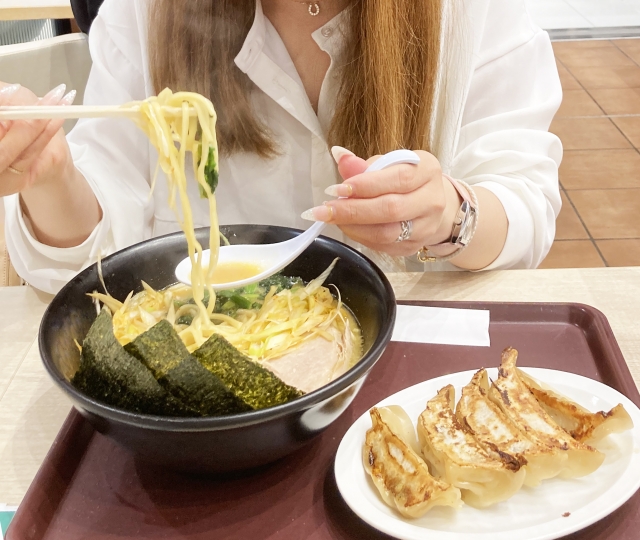
Snoring is caused by factors like throat and jaw structure, nasal congestion, alcohol, aging, and obesity — but what you eat, and when, can also make it noticeably worse on any given night.
In this article, we’ll walk through the foods and drinks most likely to set off a snoring “flare-up,” along with practical ways to manage them.
Ueno Snoring Clinic offers a range of options tailored to each patient’s condition, including insurance-covered sleep testing and CPAP management, as well as self-pay laser treatment for snoring. If you’d like to find out which treatment is right for you, please book an initial consultation.
Details of the tests and treatments offered at Ueno Snoring Clinic can be found here
Reviewed by Our Director
Kazuyuki Sugaya
Director / Anesthesiologist, Ueno Snoring Clinic
With more than 20,000 general anesthesia cases, our director provides care centered on the diagnosis and treatment of snoring and sleep apnea, tailored to each patient. [Insurance-Covered] Ueno Snoring Clinic
This article has been medically reviewed by Director Kazuyuki Sugaya and explains accurate medical information about testing and treatment for snoring and sleep apnea syndrome (SAS) in plain language.
🩺Comprehensive Snoring Treatment at Ueno Snoring Clinic
The causes of snoring range from throat structure to obesity. Ueno Snoring Clinic is not limited to a single treatment method — we offer a wide range of evidence-based options so we can propose the plan best suited to each patient.
Thorough Testing & Ongoing Treatment (Insurance-Covered)
- Home sleep test / PSG (polysomnography): Precise analysis of your sleep condition
- CPAP therapy: The standard treatment for moderate-to-severe apnea
Self-Pay Treatment for Root-Cause, Short-Term Results
- Latest laser snoring treatment: Incision-free, root-cause treatment
- Medical weight-loss support: Physically opening the airway through weight reduction
*As a clinic specializing in snoring treatment, we are committed to resolving “snoring that won’t stop” through both insurance-covered and self-pay options.
This topic is also covered in detail in our director’s book, “Curing Snoring with the Latest Treatments” (Amazon Japan Best Seller: #1 in General Medicine, #1 in Clinical Internal Medicine, #2 in Home Medical & Health)
New Book by Our Director
“Curing Snoring with the Latest Treatments”
Written by an anesthesiologist who has overseen the sleep of more than 10,000 patients, this book is a modern guide to the latest snoring treatments.
Quick Answer
Yes — certain foods and drinks can genuinely make your snoring worse on a given night. Salty, heavy meals like rich ramen cause fluid retention that can narrow the airway; alcohol relaxes the tongue and throat muscles; fatty food can trigger acid reflux that irritates the throat; and eating too much too close to bedtime compresses the diaphragm. Dairy affects some people more than others rather than everyone equally. Habitually eating high-sugar, high-calorie food also contributes to the weight gain that narrows the airway over time. If your snoring is consistently loud regardless of diet, or a family member has noticed your breathing stop, diet alone isn’t a substitute for a sleep test to check for sleep apnea syndrome.
What This Article Covers
- The foods and drinks most likely to trigger a snoring flare-up
- Why alcohol and a late-night ramen “nightcap” are an especially bad combination
- Whether dairy products like hot milk really make snoring worse
- How weight, diet, and sleep apnea are connected
- Medically supervised weight-loss options, including Manjaro injections
- When diet changes aren’t enough, and it’s time for a sleep test
Can Food Really Trigger a Snoring Flare-Up?
The short answer: yes, what you eat can genuinely make your snoring worse on a given night. A single meal doesn’t change the shape of your throat, but it can trigger a combination of changes that make the airway more likely to narrow during sleep, including:
- Swelling from excess sodium intake
- Relaxed tongue and throat muscles from alcohol
- Diaphragm compression from overeating
- Acid reflux triggered by fatty food
- Fat accumulation around the neck, tongue, and throat from weight gain
People who already have snoring or sleep apnea tend to be especially sensitive to these dietary effects.
No. 1: Rich, Heavily Seasoned Ramen
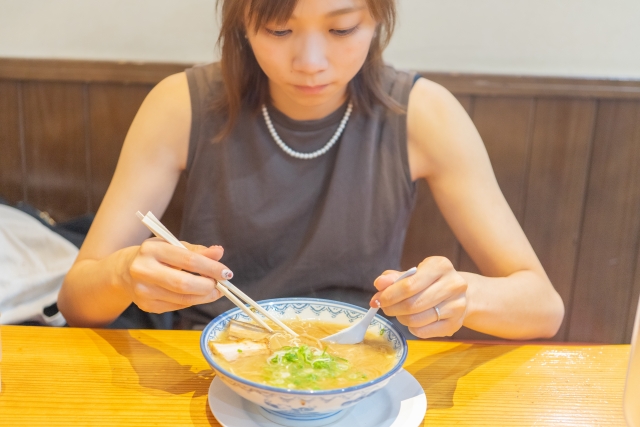
One of the most notorious foods for triggering worse snoring is rich, heavily seasoned ramen. Ramen tends to check several boxes that can make snoring worse all at once:
- High sodium in the broth and toppings
- High fat content
- A large amount of carbohydrates
- Often eaten late at night
- Sometimes eaten as a “nightcap” after drinking
Consuming a lot of sodium makes the body retain more fluid. Fluid that has pooled in the legs during the day tends to shift toward the upper body once you lie down. In people prone to swelling, that fluid can accumulate around the neck and throat, potentially narrowing the airway.
This is especially worth watching for if you have a habit of finishing every last drop of ramen broth, since that habit tends to drive up sodium intake significantly.
The Worst Combination: A Late-Night Ramen “Nightcap”
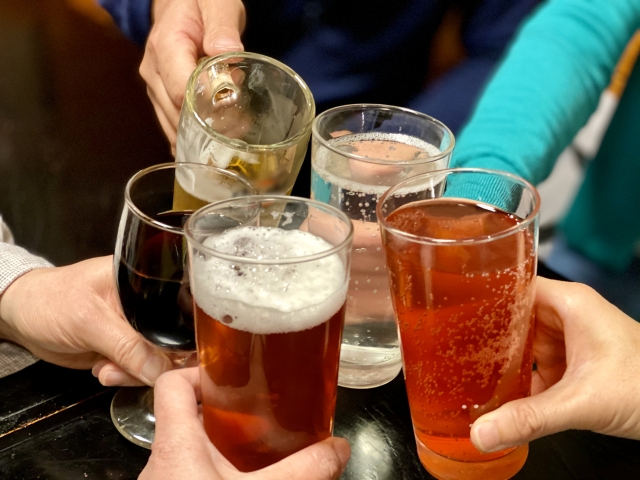
If there’s one combination to avoid for the sake of your snoring, it’s eating ramen right after drinking. Alcohol has already relaxed your tongue and throat muscles — and on top of that, you’re adding ramen’s sodium, fat, a full stomach, and eating right before bed, all at once.
Alcohol + rich ramen + going straight to bed
This combination brings together nearly every condition that worsens snoring and sleep apnea — it’s essentially a “snoring flare-up starter kit.”
If you do eat ramen, consider these adjustments:
- Don’t finish the broth
- Choose a lighter-flavored option
- Skip the extra-large portion
- Avoid eating right before bed
- Skip ramen as a post-drinking “nightcap”
No. 2: Alcohol
Alcohol is one of the most well-established causes of worse snoring. It relaxes the muscles of the tongue, soft palate, and throat, making the tongue more likely to fall backward into the throat during sleep and narrowing the airway.
Alcohol also makes you feel drowsy, which can create the impression that you “slept well.” In reality, though, sleep often becomes lighter, apnea events can increase, and oxygen levels can drop.
This is especially important for people with sleep apnea syndrome or those on CPAP therapy — avoiding a nightcap or heavy drinking matters more for this group.
No. 3: Fried Food, Fatty Broths, and Greasy Meals
Fried chicken, tempura, grilled meat, and fatty ramen broths all take longer to digest. Eating a large amount of greasy food and then lying down soon after makes it easier for stomach contents to reflux upward. When stomach acid reaches the throat, it can cause symptoms such as:
- A scratchy or uncomfortable feeling in the throat
- Coughing
- A sensation of mucus in the throat
- Hoarseness
- Heartburn
When the throat’s mucous membrane is irritated this way, the tissue around the airway can swell, and snoring can worsen as a result. We recommend finishing dinner at least two to three hours before bed whenever possible.
No. 4: Hot Milk and Other Dairy Products

Many people drink hot milk before bed as a relaxing bedtime ritual. That said, it’s worth clearing up a common misconception about milk and dairy.
It hasn’t been definitively proven that drinking milk increases mucus production in everyone. That said, some people do notice that milk’s texture and fat content leave a coating sensation in the mouth and throat, or make saliva and mucus feel thicker.
Dairy before bed is also more likely to cause throat discomfort in people who:
- Have allergic rhinitis or nasal congestion
- Experience postnasal drip
- Have gastroesophageal reflux disease
- Feel bloated after consuming dairy
- Notice a phlegmy feeling in the throat after drinking milk
If your snoring is noticeably louder on nights you drink hot milk, one option is to avoid dairy before bed for one to two weeks and see whether anything changes.
That said, if dairy doesn’t seem to affect your symptoms, there’s no medical reason to cut it out entirely.
No. 5: Large Portions and Late-Night Snacking Right Before Bed
It’s not just what you eat that matters — how much and when also make a difference. Lying down on a full stomach pushes the diaphragm upward from the stomach and abdomen, making it harder for the lungs to expand fully. It also makes acid reflux and nighttime awakenings more likely.
If you do eat late at night, try the following:
- Keep the portion small
- Avoid fried food
- Go easy on sodium
- Choose something easy to digest
- Don’t lie down right after eating
No. 6: Sweets, Juice, and Large Amounts of Carbohydrates

Eating sweets or drinking juice once won’t necessarily make your snoring worse that same night. But habitually consuming a lot of sugar and high-calorie food contributes to weight gain over time. As weight increases, fat accumulates around the neck, tongue, and throat, narrowing the airway during sleep. Increased abdominal fat also pushes the diaphragm upward, making breathing shallower.
For people with snoring or sleep apnea, managing body weight is one of the most important long-term strategies.
Can Changing Your Diet Actually Improve Snoring?
If diet is a major contributor to your snoring, the following adjustments may help:
- Season dinner more lightly
- Don’t finish ramen broth
- Cut out the nightcap
- Finish dinner at least three hours before bed
- Avoid fried food late at night
- Eat until you’re about 80% full
- Track your weight regularly
Keeping a log of what you ate alongside how loud your snoring was that night can help you identify your own personal triggers. A snore-recording app, combined with notes on your food, alcohol intake, bedtime, and weight, can be a genuinely useful tool for spotting patterns.
For Those Who Can’t Lose Weight Through Diet Changes Alone
Obesity is one of the leading contributors to snoring and sleep apnea. But being told to simply “eat less” or “exercise more” doesn’t make sustained weight loss easy in practice. Weight gain is often driven by a combination of factors, including:
- Intense hunger
- Stress-related overeating
- Sleep deprivation
- Night shifts or irregular work hours
- Eating late at night
- Repeated cycles of weight regain
At Ueno Snoring Clinic, we offer more than just snoring and sleep apnea testing and treatment — we also provide lifestyle guidance and medically supervised weight-loss support for patients whose symptoms are driven by weight gain.
Lifestyle Guidance and Medically Supervised Weight Loss at Our Clinic
At our clinic, we review each patient’s diet, daily schedule, sleep patterns, and weight trends before proposing lifestyle changes. Rather than simply saying “please lose weight,” we work with each patient to find an approach that fits their life and is realistic to sustain. This typically includes:
- Reviewing what and when you eat
- Reassessing late-night meals and snacking
- Adjusting alcohol intake
- Tracking weight and waist circumference
- Improving sleep duration
- Suggesting a realistic exercise routine
For patients who can’t achieve sufficient weight loss through lifestyle guidance alone, we may also offer medically supervised weight-loss treatment on a self-pay basis.
GLP-1-Based Medication and Manjaro Injections Also Available
Under a physician’s supervision, Ueno Snoring Clinic also offers medically supervised weight loss using Manjaro injections. Manjaro’s generic name is tirzepatide, an injectable medication that acts on both GIP and GLP-1 receptors. It helps reduce food intake and support weight management by suppressing appetite and prolonging feelings of fullness.
In obstructive sleep apnea associated with obesity, weight loss can reduce fat around the neck, tongue, and throat, potentially improving snoring and apnea.
That said, Manjaro is not “an injection that directly stops snoring.” It’s a treatment aimed at reducing weight in order to relieve pressure on the airway, with snoring and apnea improvement as the downstream result.
Manjaro can cause side effects, including:
- Nausea
- Vomiting
- Diarrhea
- Constipation
- Abdominal bloating
- Reduced appetite
Depending on your medical history, current conditions, or medications, this treatment may not be appropriate for everyone. It’s essential to be evaluated by a physician and to confirm suitability and potential side effects before beginning treatment.
Will Losing Weight Definitely Cure Snoring?
Many people do see their snoring or sleep apnea improve as they lose weight. But not all snoring is caused by obesity alone. Even people who are slim can snore due to factors such as:
- A small or recessed jaw
- A large tongue
- A long soft palate or uvula
- Nasal congestion
- Enlarged tonsils
- Age-related weakening of the throat muscles
That’s why it’s important not to rely on dietary changes or weight loss alone, but to confirm the presence and severity of apnea through sleep testing. Ueno Snoring Clinic offers both a simplified home sleep test and PSG testing. Depending on your results, we may recommend CPAP therapy, lifestyle changes, medically supervised weight loss, or laser snoring treatment.
Don’t Just Wait and See With Diet Changes If This Sounds Like You
If you have any of the following symptoms, sleep apnea syndrome may be an underlying factor:
- Loud snoring every night
- You’ve been told your breathing stops during sleep
- You seem to struggle to resume breathing
- Strong daytime sleepiness
- Morning headaches
- A dry mouth or throat upon waking
- High blood pressure or diabetes
- A recent, sudden increase in weight
If your snoring persists despite changing your diet, or if a family member has pointed out that your breathing stops, we recommend getting tested.
Summary
Rich, heavily seasoned ramen, alcohol, greasy food, and large late-night meals can all worsen snoring — through fluid retention, muscle relaxation, acid reflux, and weight gain. A ramen “nightcap” after drinking is a particularly potent combination of these factors.
As for dairy products like hot milk, it isn’t the case that mucus increases for everyone. Still, if you notice throat congestion, nasal stuffiness, heartburn, or worse snoring after consuming dairy, it’s reasonable to cut it out before bed for a while and see if anything changes.
For those who can’t lose weight through diet changes alone, or where obesity-related snoring or sleep apnea is suspected, lifestyle guidance, medically supervised weight loss, and Manjaro injections are all options worth discussing.
That said, the cause of snoring is different for every individual. If you snore or experience apnea every night, don’t assume it’s purely a dietary issue — a sleep test is the best way to confirm what’s actually going on.
Concerned About Snoring or Weight Gain?
Ueno Snoring Clinic offers insurance-covered sleep testing and CPAP management, alongside self-pay laser snoring treatment, lifestyle guidance, medically supervised weight loss, and Manjaro injections. We review your symptoms, test results, weight, and lifestyle to recommend the treatment approach that fits you best.
*Whether insurance-covered or self-pay treatment applies depends on your symptoms and test results.
Frequently Asked Questions
[Insurance-Covered] If you’re concerned about snoring or sleep apnea, we offer a fully appointment-based system for reassuring, unhurried care.
Please feel free to contact Ueno Snoring Clinic [same-day appointments available]
📞0120-899-930
5F Ueno Silk Building, 4-8-8 Ueno, Taito-ku, Tokyo 110-0005, Japan

Please feel free to contact Ueno Snoring Clinic [same-day appointments available]
📞0120-899-930
5F Ueno Silk Building, 4-8-8 Ueno, Taito-ku, Tokyo 110-0005, Japan
Feel free to reach out to us on LINE ↓↓↓


English Support Available
We provide medical services for international patients. Please check our English website for details on how to visit our clinic.
Supervising Physician

Kazuyuki Sugaya, Director of Ueno Snoring Clinic
After graduating from Fujita Health University School of Medicine in 2004, Dr. Sugaya began his career as an anesthesiologist at Toho University Omori Medical Center. He has since gained extensive clinical experience at municipal hospitals and private clinics nationwide, administering general anesthesia in over 20,000 cases. In 2020, he founded the "Tokyo Spine Clinic," and has served as the Director of Ueno Snoring Clinic since 2025.
Related Columns

By Appointment Only
Specialized Snoring Treatment in Ueno
Ueno Snoring Clinic
Insurance-covered home testing available.
Following a physician’s consultation and result explanation,
we support the improvement of snoring and sleep apnea with "Dual Deep Thermia"—a non-surgical laser treatment, if necessary.
3-min walk from Ueno Station. Please feel free to consult us.