



いびきを最新治療で治す-表紙-1.png)
Why Side-Sleeping Stops Some People’s Snoring (But Not Everyone’s) | Ueno Snoring Clinic
Snoring & Hypertension: The Hidden Link | Ueno Snoring Clinic
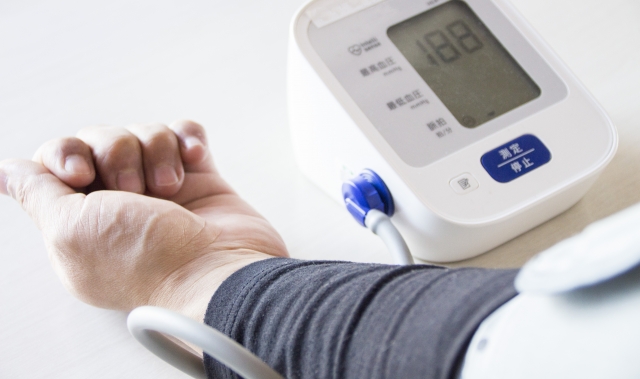
As snoring progresses toward sleep apnea syndrome, it almost always ends up contributing to high blood pressure as well.
In this article, we take a close look at the relationship between hypertension and snoring.
When thinking about the connection between high blood pressure and snoring, it’s important to first separate two things: the underlying cause of the snoring, and whether sleep apnea syndrome is actually present.
Ueno Snoring Clinic offers a range of options tailored to each patient’s condition, including insurance-covered sleep testing and CPAP management, as well as self-pay laser treatment for snoring. If you’d like to find out which treatment is right for you, please book an initial consultation.
Details of the tests and treatments offered at Ueno Snoring Clinic can be found here
Reviewed by Our Director
Reviewed by Our Director
Kazuyuki Sugaya
Director / Anesthesiologist, Ueno Snoring Clinic
With more than 20,000 general anesthesia cases, our director provides care centered on the diagnosis and treatment of snoring and sleep apnea, tailored to each patient. [Insurance-Covered] Ueno Snoring Clinic
This article has been medically reviewed by Director Kazuyuki Sugaya and explains accurate medical information about testing and treatment for snoring and sleep apnea syndrome (SAS) in plain language.
🩺Comprehensive Snoring Treatment at Ueno Snoring Clinic
The causes of snoring range from throat structure to obesity. Ueno Snoring Clinic is not limited to a single treatment method — we offer a wide range of evidence-based options so we can propose the plan best suited to each patient.
Thorough Testing & Ongoing Treatment (Insurance-Covered)
- Home sleep test / PSG (polysomnography): Precise analysis of your sleep condition
- CPAP therapy: The standard treatment for moderate-to-severe apnea
Self-Pay Treatment for Root-Cause, Short-Term Results
- Latest laser snoring treatment: Incision-free, root-cause treatment
- Medical weight-loss support: Physically opening the airway through weight reduction
*As a clinic specializing in snoring treatment, we are committed to resolving “snoring that won’t stop” through both insurance-covered and self-pay options.
This topic is also covered in detail in our director’s book, “Curing Snoring with the Latest Treatments,” which explains the causes of snoring, how it differs from sleep apnea syndrome, and treatment options such as CPAP and laser therapy.
New Book by Our Director
“Curing Snoring with the Latest Treatments”
Written by an anesthesiologist who has overseen the sleep of more than 10,000 patients, this book is a modern guide to the latest snoring treatments.
Quick Answer
Yes — snoring and high blood pressure are closely linked, primarily through sleep apnea syndrome. Repeated drops in blood oxygen during sleep apnea activate the sympathetic nervous system, constricting blood vessels and raising heart rate and blood pressure — often preventing the normal nighttime drop in blood pressure and contributing to high morning readings and treatment-resistant hypertension. If your blood pressure won’t stabilize despite medication and you also snore loudly, sleep apnea is worth ruling out.
“I’ve been told my blood pressure is high.”
“I’m on medication, but my blood pressure still won’t stabilize.”
“My family says I snore loudly.”
“I’ve been told it looks like my breathing stops while I sleep.”
If any of this applies to you, more than just ordinary hypertension may be involved — sleep apnea syndrome could be playing a role.
High blood pressure and snoring might seem like two unrelated issues.
But in reality, snoring can be a sign of underlying sleep apnea syndrome, which in turn can contribute to elevated nighttime blood pressure, elevated morning blood pressure, and treatment-resistant hypertension.
In particular, the combination of “loud snoring” + “high blood pressure” is a warning sign that shouldn’t be overlooked.
In this article, we explain the relationship between hypertension and snoring, the symptoms that should raise suspicion of sleep apnea, and how testing and treatment are approached.
Why Are High Blood Pressure and Snoring Connected?
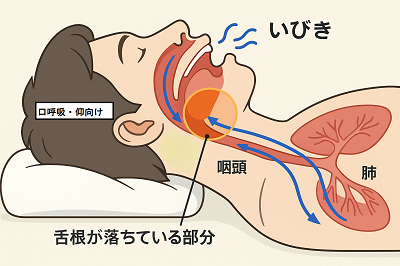
Snoring occurs when the upper airway — the passage air travels through — narrows during sleep, and airflow causes the surrounding throat tissue to vibrate.
Mild snoring on its own isn’t necessarily a medical condition.
But as airway narrowing progresses, breathing can weaken or stop temporarily during sleep — this is sleep apnea syndrome.
In sleep apnea, breathing repeatedly stops or becomes shallow throughout the night.
Each time this happens, blood oxygen levels drop, and the body senses danger and activates the sympathetic nervous system.
The sympathetic nervous system is what puts the body into a state of tension.
When it becomes overactive, blood vessels constrict, heart rate rises, and blood pressure tends to increase as well.
In other words, patients with sleep apnea repeatedly enter an “emergency mode” throughout the night — a state prone to elevated blood pressure, over and over again.
Normally, blood pressure naturally drops during sleep.
But with sleep apnea, blood pressure can fail to drop at night, or may even rise instead.
This can lead to elevated blood pressure upon waking, unstable blood pressure during the day, and blood pressure that remains difficult to control even with medication.
Guidelines from the Japanese Circulation Society on sleep-disordered breathing in cardiovascular care also address the relationship between sleep-disordered breathing and hypertension and cardiovascular disease. Evaluating sleep apnea is considered especially important for patients with existing cardiovascular conditions.
“My Blood Pressure Won’t Come Down Despite Medication” Is a Warning Sign
Standard treatment for high blood pressure includes diet, exercise, reduced salt intake, weight management, and antihypertensive medication.
But some patients find that their blood pressure remains unstable even with all of this.
In these cases, undiagnosed sleep apnea may be part of the picture.
The following situations deserve particular attention:
– High blood pressure despite taking antihypertensive medication
– High blood pressure in the morning
– Blood pressure that tends to spike at night or early morning
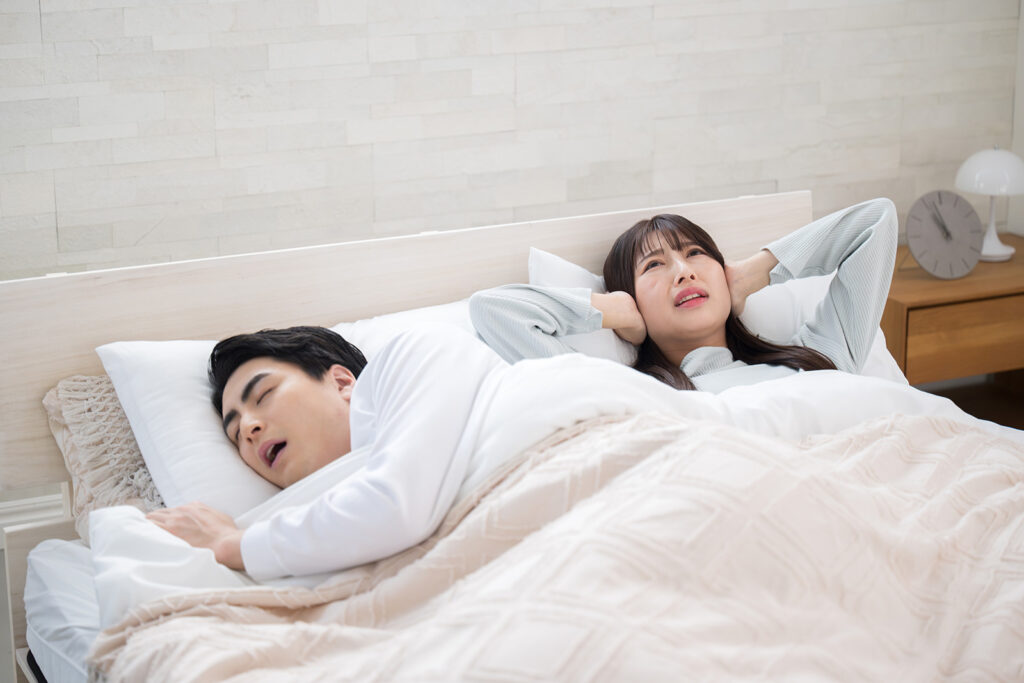
– Being told by family members that you snore loudly
– Being told your breathing stops during sleep
– Strong daytime sleepiness
– Waking up tired no matter how much you sleep
– A larger neck circumference
– Snoring that worsened alongside weight gain
In particular, for “treatment-resistant hypertension” — blood pressure that remains difficult to control despite multiple medications — obstructive sleep apnea syndrome has been identified as a potential contributing factor. Papers affiliated with the American Heart Association similarly identify obstructive sleep apnea as a significant secondary factor in treatment-resistant hypertension.
Treatment for hypertension itself should be managed by an internal medicine physician or cardiologist, but if snoring or sleep apnea is present, it’s also important to have your breathing during sleep evaluated.
The Mechanism Behind How Sleep Apnea Affects Blood Pressure
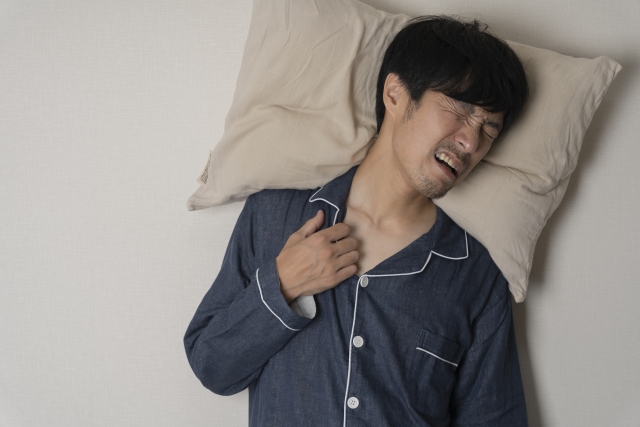
There’s more than one reason sleep apnea affects blood pressure.
The main mechanisms include:
1. Repeated oxygen deprivation
When breathing stops or becomes shallow, blood oxygen levels drop.
The body perceives this as dangerous and raises blood pressure in an attempt to deliver oxygen throughout the body.
When this happens repeatedly over the course of a single night, it places a real strain on the blood vessels and heart.
2. Sympathetic nervous system overactivation
In sleep apnea, the brain triggers something close to an arousal response every time breathing stops.
The person may have no memory of it, but their sleep is being interrupted over and over.
Each time this happens, the sympathetic nervous system is activated, and blood pressure becomes more likely to rise.
3. Reduced nighttime dip in blood pressure
In healthy individuals, blood pressure typically drops during sleep.
But with sleep apnea, blood pressure often fails to drop appropriately at night.
This means the heart and blood vessels get less of a genuine rest period.
4. Elevated morning blood pressure
Patients with sleep apnea often show elevated blood pressure specifically in the morning.
If your daytime blood pressure isn’t especially high, but your morning readings consistently run high, it’s worth paying attention to your breathing during sleep.
Snoring Warning Signs That Hypertensive Patients Shouldn’t Ignore
Not everyone who snores has sleep apnea syndrome.
However, if you have high blood pressure and notice any of the following signs, it’s worth considering a sleep test:
– Loud snoring
– Snoring that pauses mid-way, followed by a loud gasp for air
– Being told your breathing stops during sleep
– Waking up during the night feeling short of breath
– Waking up with a heavy-feeling head
– High blood pressure in the morning
– Daytime sleepiness
– Difficulty maintaining concentration
– Feeling sleepy while driving
– Waking up repeatedly at night to urinate
One particularly important sign is a pause where the snoring stops entirely.
It might seem, at first glance, like a good thing when snoring “goes quiet.”
But in reality, this can mean the airway has become blocked and breathing has stopped.
If this silence is followed by a loud, forceful gasp for air, it’s a strong signal that sleep apnea should be considered.
The Risk of Leaving Hypertension and Sleep Apnea Untreated
High blood pressure on its own is already associated with risks including stroke, heart attack, heart failure, and kidney disease.
When sleep apnea is added on top of this, the body continues to face strain even during sleep, night after night.
Obstructive sleep apnea has been reported to occur at high rates in patients with cardiovascular conditions such as heart failure, coronary artery disease, pulmonary hypertension, and arrhythmias, in addition to hypertension. A scientific statement from the American Heart Association similarly outlines the relationship between cardiovascular disease and sleep apnea.
Of course, this doesn’t mean that snoring automatically leads to serious illness.
Still, snoring in someone with high blood pressure isn’t something that should simply be dismissed as background noise.
In particular, it’s worth having sleep apnea evaluated if you have unstable blood pressure, elevated morning blood pressure, or daytime sleepiness.
What Does Testing Actually Check?
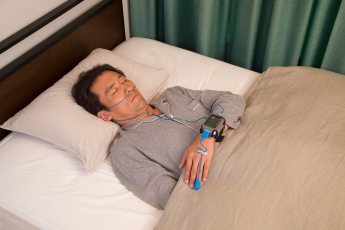
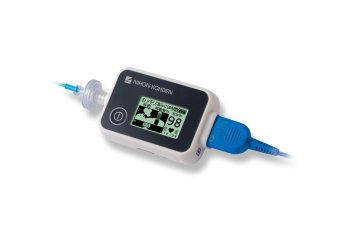
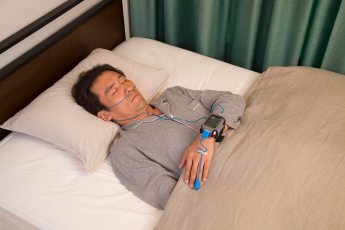
When sleep apnea is suspected, a home sleep test is typically the first step.
A home sleep test evaluates breathing patterns during sleep, oxygen level fluctuations, snoring, and pulse rate.
Because it can be done at home using a portable device, it allows evaluation in an environment close to your normal sleep setting.
Testing helps determine the extent of apnea and hypopnea events, and how much oxygen levels are dropping.
Depending on the results, a more detailed PSG test may also be considered.
Ueno Snoring Clinic offers insurance-covered home sleep testing and PSG.
If you have high blood pressure, loud snoring, or concerns about sleep apnea, the first step is confirming your condition through testing.
Treatment Isn’t Limited to CPAP — But Confirming Severity Comes First
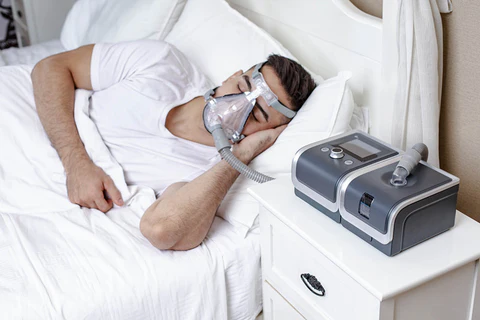
Treatment for sleep apnea syndrome varies depending on your specific condition.
Common treatment approaches include:
– Lifestyle changes
– Weight loss
– Adjusting alcohol intake
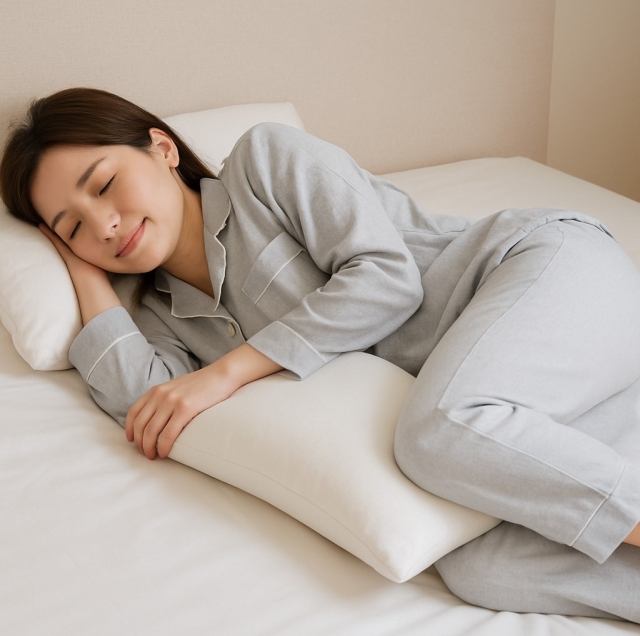
– Sleep position adjustments
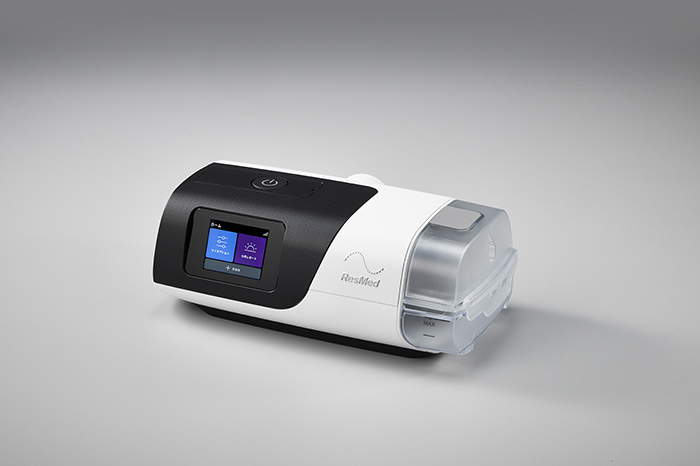
– CPAP therapy
– Oral appliance therapy
– Nasal or throat treatment
– Laser snoring treatment
For moderate-to-severe sleep apnea, CPAP therapy is often an important treatment option.
CPAP delivers air during sleep, preventing the airway from becoming blocked.
On the other hand, if snoring is primarily caused by looseness in the soft palate or uvula, or vibration in the throat, self-pay laser snoring treatment can be a viable option.
What’s important here is not jumping straight to a specific treatment.
For patients with high blood pressure, the first priority is determining whether sleep apnea is present, and if so, how severe it is.
The right treatment depends on whether your goal is simply “reducing the sound of snoring,” or actually “treating sleep apnea” — and these call for different approaches.
That’s why confirming your condition through testing should always come first.
Even If You’re Already Being Treated for High Blood Pressure, a Snoring Evaluation Is Still Worthwhile
Many readers may already be receiving treatment for hypertension from an internal medicine physician or cardiologist.
Even in that case, if snoring or sleep apnea is suspected, it’s still worth having your breathing during sleep evaluated.
There’s no need to stop your blood pressure medication on your own.
In fact, it’s better to continue your current treatment while also checking whether sleep apnea might be an additional contributing factor.
We recommend considering testing especially if you:
– Are currently taking blood pressure medication
– Have elevated morning blood pressure
– Notice significant day-to-day fluctuation in blood pressure
– Snore loudly
– Have been told your breathing stops during sleep
– Experience strong daytime sleepiness
– Have obesity or a larger neck circumference
If sleep apnea is identified, treatments such as CPAP may improve sleep quality and daytime sleepiness.
Treating sleep apnea can also sometimes support better blood pressure management.
That said, the degree of blood pressure improvement varies from person to person.
Treatment for hypertension itself should always continue in consultation with your primary physician or cardiologist.
Who Should Seek Evaluation Sooner Rather Than Later
If any of the following apply to you, we don’t recommend treating your snoring as simply a noise issue:
– You’ve been told you have high blood pressure
– You’re taking blood pressure medication
– Your morning blood pressure is elevated
– Family members have pointed out your loud snoring
– You’ve been told your breathing stops during sleep
– You experience strong daytime sleepiness
– You wake up tired no matter how much you sleep
– You wake up repeatedly during the night
– You feel sleepy at work or while driving
In particular, if you have high blood pressure + loud snoring + daytime sleepiness, it’s worth considering the possibility of sleep apnea syndrome.
Frequently Asked Questions
Conclusion: If You Have High Blood Pressure and Snore, Get It Checked
Snoring isn’t simply a matter of sound.
In particular, for patients with high blood pressure, sleep apnea syndrome may be hiding behind it.
When sleep apnea is present, repeated oxygen deprivation and sympathetic nervous system activation during sleep can affect both nighttime and morning blood pressure.
Consider getting tested if you:
– Have high blood pressure
– Find your blood pressure difficult to stabilize even with medication
– Have elevated morning blood pressure
– Snore loudly
– Have been told your breathing stops during sleep
– Experience daytime sleepiness
Ueno Snoring Clinic offers insurance-covered home sleep testing, PSG, and CPAP treatment, as well as self-pay laser snoring treatment.
If both high blood pressure and snoring are on your mind, the first step is confirming your breathing status during sleep.
[Insurance-Covered] If you’re concerned about snoring or sleep apnea, we offer a fully appointment-based system for reassuring, unhurried care.
Please feel free to contact Ueno Snoring Clinic [same-day appointments available]
📞0120-899-930
5F Ueno Silk Building, 4-8-8 Ueno, Taito-ku, Tokyo 110-0005, Japan

Please feel free to contact Ueno Snoring Clinic [same-day appointments available]
📞0120-899-930
5F Ueno Silk Building, 4-8-8 Ueno, Taito-ku, Tokyo 110-0005, Japan
Feel free to reach out to us on LINE ↓↓↓

English Support Available
We provide medical services for international patients. Please check our English website for details on how to visit our clinic.
Supervising Physician

Kazuyuki Sugaya, Director of Ueno Snoring Clinic
After graduating from Fujita Health University School of Medicine in 2004, Dr. Sugaya began his career as an anesthesiologist at Toho University Omori Medical Center. He has since gained extensive clinical experience at municipal hospitals and private clinics nationwide, administering general anesthesia in over 20,000 cases. In 2020, he founded the "Tokyo Spine Clinic," and has served as the Director of Ueno Snoring Clinic since 2025.
Related Columns

By Appointment Only
Specialized Snoring Treatment in Ueno
Ueno Snoring Clinic
Insurance-covered home testing available.
Following a physician’s consultation and result explanation,
we support the improvement of snoring and sleep apnea with "Dual Deep Thermia"—a non-surgical laser treatment, if necessary.
3-min walk from Ueno Station. Please feel free to consult us.