Ueno Snoring Clinic offers insurance-covered sleep testing and CPAP management, as well as self-pay laser treatment for snoring, tailored to your specific condition. If you’d like to find out which treatment fits you, please start with an initial consultation.
Details of the tests and treatments offered at Ueno Snoring Clinic can be found here
You’ll Want to Know This! A Complete Comparison of 5 CPAP Types — What Doctors Really Look For
Our doctor compares five different CPAP machines side by side and explains what actually matters when choosing one.
Watch the video
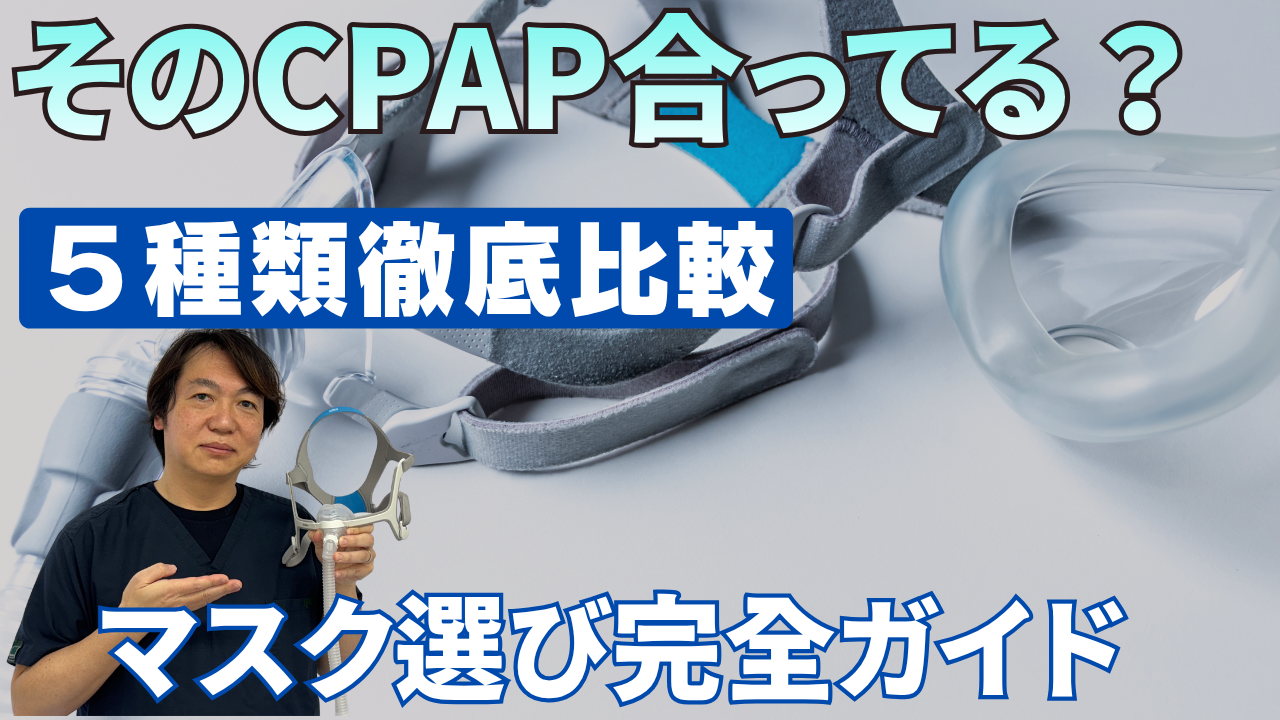
A Complete Comparison of CPAP Masks
We tried on and reviewed five different types of CPAP masks. 90% of CPAP comfort comes down to the mask.
Watch the video
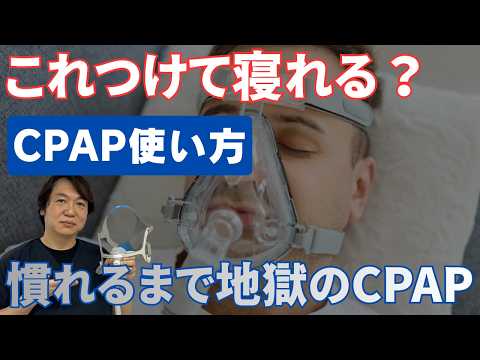
Do you have to use CPAP forever? A specialist explains how to use CPAP
A detailed explanation of how to use CPAP, with a real demonstration of what it feels like to wear the device.
Watch the video
Ueno Snoring Clinic was featured on Fuji TV’s “Live News It!” and on FNN Prime Online
Watch our clinic’s examination and explanation of sleep disorders, snoring, and sleep apnea.
Watch the video
Ueno Snoring Clinic was featured in an article on Nippon TV’s “news every.”
Please take a look as a starting point for thinking about getting evaluated for snoring, sleep apnea, or other sleep disorders.
Read the article
Reviewed by Our Director
Kazuyuki Sugaya
Director, Ueno Snoring Clinic / Anesthesiologist
Our director, with over 20,000 general anesthesia cases, focuses primarily on the diagnosis and treatment of snoring and sleep apnea, offering care tailored to each patient. [Insurance-Covered] Ueno Snoring Clinic
This article was reviewed by our Director, Kazuyuki Sugaya, and explains accurate medical information about the testing and treatment of snoring and sleep apnea syndrome (SAS) in clear, accessible terms.
🩺Comprehensive Snoring Treatment at Ueno Snoring Clinic
The causes of snoring range from the structure of the throat to body weight. Ueno Snoring Clinic doesn’t rely on a single treatment approach — we’re set up to recommend the best plan for each patient from a broad, evidence-based range of options.
Insurance-Covered: Thorough Testing and Ongoing Treatment
- Simplified and PSG testing: A precise analysis of your sleep condition
- CPAP treatment: The standard treatment for moderate-to-severe apnea
Self-Pay: Address the Root Cause, Short-Term Focus
- Snoring laser treatment: A non-surgical approach to the underlying cause
- Medically supervised weight loss: Improving airway space through weight reduction
*As a clinic specializing in snoring treatment, we work to resolve “snoring that won’t stop” through both insurance-covered and self-pay options.
New Book by Our Director
“Curing Snoring with the Latest Treatments”
A guide to the latest snoring treatments, written by an anesthesiologist who has overseen the sleep of more than 10,000 patients.
View on Amazon
Quick Answer
Obesity is one of the strongest risk factors for snoring and sleep apnea, but the relationship isn’t as simple as “heavier means louder.” Fat accumulates around the throat and, importantly, inside the tongue itself, both of which narrow or destabilize the airway during sleep. Research suggests a 5% reduction in body weight can meaningfully improve snoring and breathing pauses, and newer GLP-1 medications are showing promising results in clinical trials by reducing this fat. That said, weight loss alone doesn’t resolve every case — nasal blockages, jaw structure, alcohol use, and other factors can keep snoring going even after significant weight loss, which is why an accurate evaluation matters more than the scale alone.
📋 What This Article Covers
- The 3 mechanisms by which obesity worsens snoring, including the often-overlooked role of tongue fat
- What the research actually shows about weight loss and snoring improvement
- The latest evidence on GLP-1 medications and their effect on sleep apnea
- How Ueno Snoring Clinic combines laser treatment and medical weight management
3 Scientific Mechanisms Behind Why Obesity Worsens Snoring

Why does carrying extra weight lead to louder snoring at night? It comes down to two things: physical narrowing of the airway, and the added weight of the surrounding tissue itself.
① Fat Around the Throat Compresses the Airway
With weight gain, fat doesn’t just accumulate around the waist — it also builds up around the neck and beneath the mucous membrane at the back of the throat. This is sometimes referred to as fat deposition around the upper airway.
The upper airway — the passage air travels through — isn’t surrounded by bone; it’s a soft, flexible tube. When fat adds extra weight around that tube, it gets compressed from the outside, like a weight pressing down on it.
This effect is especially pronounced during sleep, when the muscles throughout the body relax. Without that muscle tone to resist the added weight, the airway narrows significantly, and as air is forced through the narrowed space, the surrounding tissue vibrates rapidly — producing the sound of snoring.
② The Increasingly Recognized Role of “Tongue Fat”
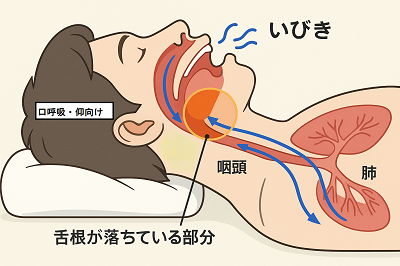
One factor that recent research has increasingly highlighted is fat that accumulates within the tongue itself.
The tongue is often thought of as pure muscle, but studies have shown that in people with obesity, the tongue itself can contain a substantial amount of fat. A tongue that has become larger due to fat accumulation is more affected by gravity when lying on your back, making it more likely to fall backward into the throat (a pattern known as tongue base collapse).
A University of Pennsylvania study (2020) reported a striking finding: the improvement in sleep apnea after weight loss was more strongly associated with the reduction in tongue fat than with the reduction in abdominal fat. In other words, reducing fat in the tongue itself may be one of the more meaningful keys to improving snoring.
③ Why Fat Distribution Differs From Person to Person
Some people notice that their snoring is much worse than someone else’s, even at a similar BMI. This comes down to differences in where fat tends to accumulate.
- Central obesity (“apple” shape): Fat tends to accumulate around the neck and internal organs. This pattern is more likely to compress the airway and carries a higher risk of snoring.
- Peripheral obesity (“pear” shape): Fat tends to accumulate in the lower body. This pattern tends to have relatively less impact on the upper airway.
It’s also worth noting that people of Asian descent, compared with Western populations, often have a smaller, more recessed jaw structure. Because of this, even a modest weight gain can push an already-narrow airway past its limit, which can make snoring worse more quickly.
What Does the Research Say? Does Losing Weight Actually Improve Snoring?
Is it medically accurate to say “if you lose weight, it’ll get better”? Numerous clinical studies have looked into exactly this question.
A 5% Weight Loss Can Change the Trajectory

Numerous studies, including randomized controlled trials (RCTs), have demonstrated that weight loss can meaningfully improve breathing during sleep.
For example, in a trial of men with obesity (BMI 30 or higher), an intensive very-low-calorie diet intervention was associated with a substantial reduction in the apnea-hypopnea index (AHI), a measure of how often breathing stops or becomes shallow per hour.
A separate long-term follow-up study found that participants who maintained a weight loss of 5% or more were able to prevent the age-related worsening of snoring that’s otherwise commonly seen, while those who gained weight saw their symptoms worsen rapidly.
Weight Loss Alone Doesn’t Always Solve It
At the same time, some people lose a significant amount of weight — even 10kg or more — and still snore. That’s because snoring often has more than one contributing cause.
- Nasal issues: A deviated septum or sinusitis
- Skeletal structure: A small or recessed jaw
- Lifestyle factors: Alcohol-related muscle relaxation, dry bedroom air, or fatigue
When these factors play a large role, the vibration in the throat itself may persist even after significant weight loss, and snoring may not fully resolve.
GLP-1 Receptor Agonists and the Latest Evidence on Snoring Improvement
GLP-1 receptor agonists (such as liraglutide and tirzepatide) have drawn significant attention in the field of obesity treatment. Originally developed as diabetes medications, they are increasingly approved and used for obesity management because of their strong weight-loss effects.
Recent academic reports and clinical trials have started to clarify how these medications may affect snoring and sleep apnea.
Key Clinical Trial Results
Liraglutide 3.0mg trial (SCALE Sleep Apnea trial): In a trial involving patients with obesity and moderate-to-severe sleep apnea, those taking liraglutide showed a significantly greater reduction in AHI compared with those on placebo.
Tirzepatide trial (SURMOUNT-OSA): More recent data suggests that tirzepatide’s strong weight-loss effect can be associated with a dramatic improvement in breathing disturbances during sleep.
An important caveat: These medications appear to improve snoring as a downstream result of reducing body weight and fat distribution — they are not a direct treatment for snoring itself. In Japan, self-pay use of these medications has become more widespread, but they should always be used under a physician’s close supervision, with careful attention to side effects (such as nausea or gastrointestinal discomfort) and medical history. Rather than treating them as a casual weight-loss shortcut, they’re best understood as one part of a broader, medically supervised strategy for improving the upper airway.
Warning Signs: When Obesity-Related Snoring Becomes a Health Risk
Snoring isn’t just an annoying sound — when it’s related to obesity, it can point to more serious underlying risks. Does any of the following sound familiar?
- Position-dependent snoring: Snoring is much worse lying on your back, but quiets down on your side — often a sign that gravity is pulling soft tissue into the airway.
- Breathing pauses after drinking: Alcohol relaxes the muscles further, compounding the effect of the extra tissue weight and making breathing pauses more likely.
- A change in neck size: Noticing that shirt collars feel tighter before your waistband does — an increase in neck circumference is a strong indicator of snoring risk.
- Significant daytime sleepiness: A sign that oxygen levels are dropping during sleep and the brain isn’t getting the rest it needs.
Left unaddressed, these patterns can substantially raise the risk of serious conditions, including high blood pressure, heart failure, stroke, and worsening diabetes.
Two Steps to Prepare Before Your Diagnosis
Taking these two simple steps before your appointment can make your evaluation significantly more accurate.
① Record Yourself With a Smartphone App
Use a snoring-tracking app to record just one or two minutes of your actual snoring. Whether the sound is a steady “zzzz” or comes with gasping and pauses can change the recommended treatment approach.
② Keep a Simple 3-Point Log
For 2–3 nights, jot down the following:
- Sleep position — on your back or your side
- Alcohol intake — how much, if any
- Fatigue level — whether you worked late or felt sleep-deprived
Understanding what conditions make your snoring worse gives your doctor a valuable head start toward the most effective treatment.
Our Treatment Approach at Ueno Snoring Clinic: Laser Treatment + Weight Management
“I know I should lose weight, but I want to do something about this noise right now.” We understand — and that’s why our clinic combines multiple approaches rather than relying on just one.
① Laser Treatment — Reducing Vibration in the Throat at Its Source
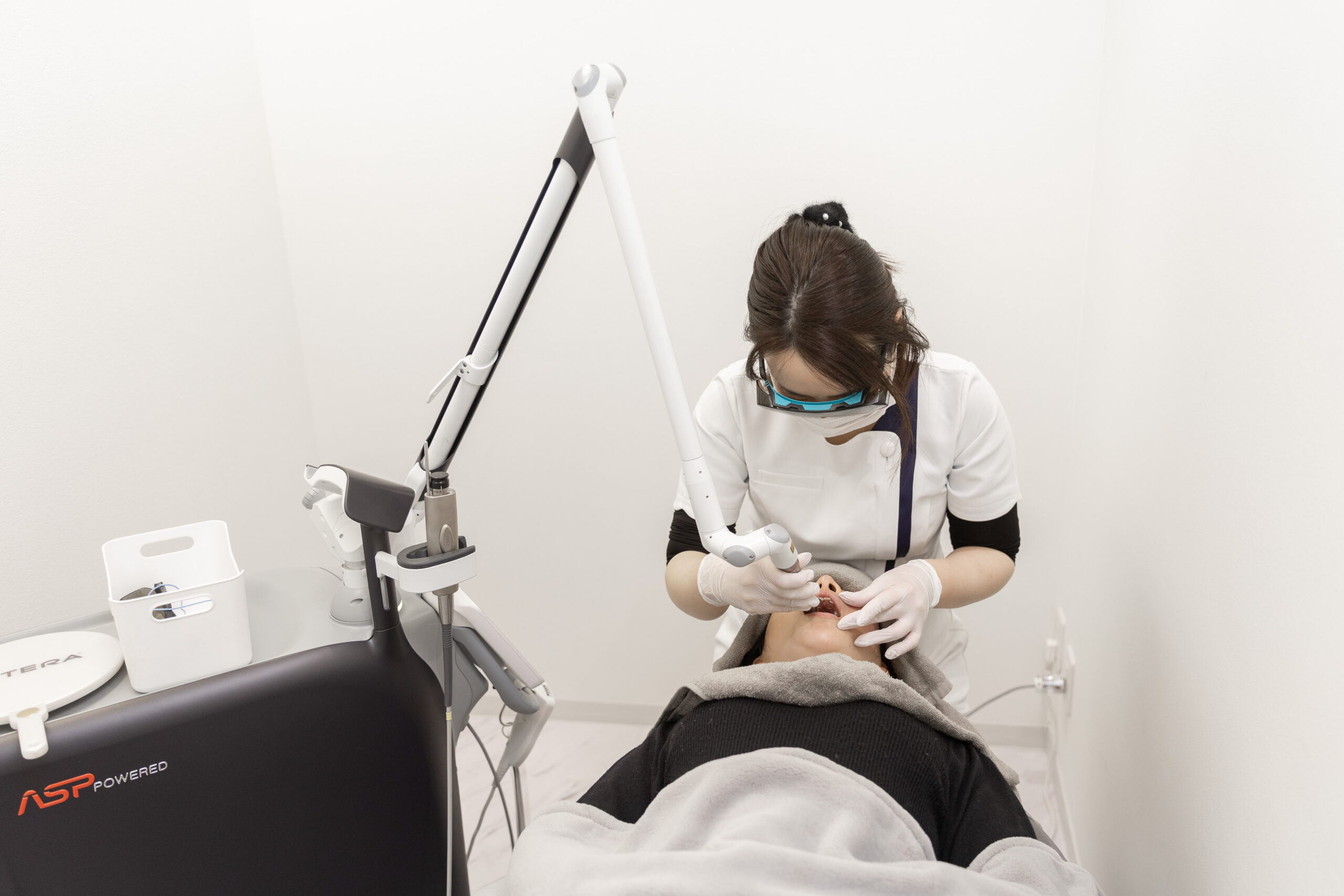
Snoring is, at its core, the sound of vibrating tissue around the soft palate and the back of the throat. When obesity has already narrowed the airway, that vibration tends to be even more pronounced.
Laser treatment tightens the mucous membrane that has become loose or slack, reducing how easily it vibrates.
Benefits: The procedure takes only a few minutes with minimal downtime, and results can often be noticed quickly.
Why it matters for weight management, too: Losing weight takes time. Reducing the noise and improving sleep quality with laser treatment first — while working on weight loss in parallel — is often a realistic and practical approach.
② Weight Management (GLP-1 Therapy) — Addressing the Underlying Cause
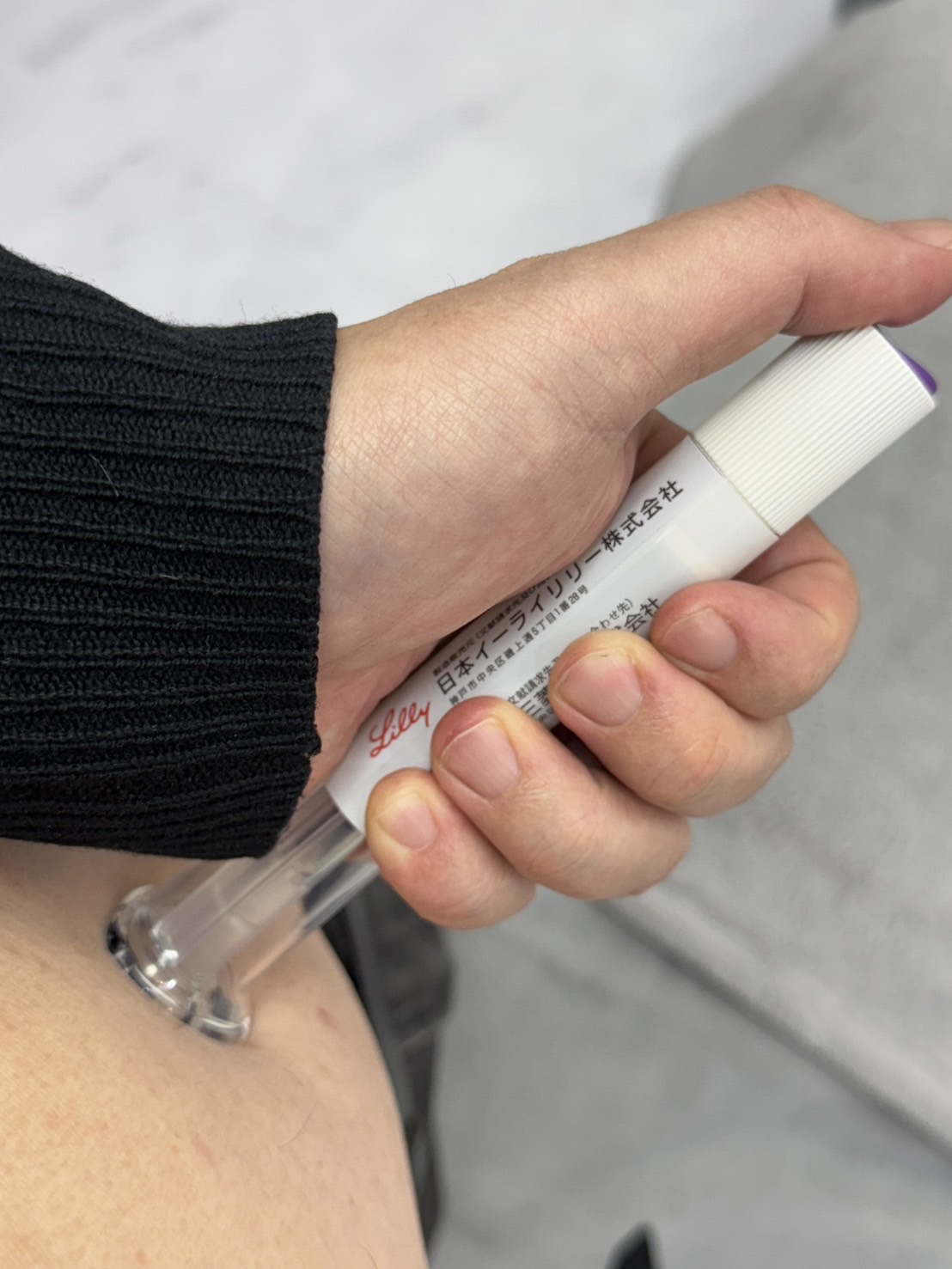
When obesity is the primary driver of someone’s snoring, treating the throat alone can only go so far.
Our clinic also offers consultations for medically supervised weight management using GLP-1 receptor agonists, under a physician’s oversight.
Goal: To reduce subcutaneous and visceral fat — as well as fat in the tongue — creating more physical space in the airway.
Approach: Combined with dietary guidance, medically supervised support helps aim for sustainable weight loss with a lower risk of rebound weight gain.
③ Combining Both Is Often the Most Effective Strategy
We assess each patient individually to determine what’s primarily driving their snoring.
- When throat vibration is the dominant factor: We typically start with laser treatment to reduce the noise.
- When obesity is clearly the main driver: Weight management becomes the central focus.
- When both factors are involved: Laser treatment can provide immediate improvement while GLP-1 therapy addresses the underlying cause over the medium to long term.
Conclusion: Don’t Just Accept “It’s Because I’m Overweight”
Obesity and snoring are closely linked — but that doesn’t mean you have to simply wait until you’ve lost the weight to do anything about it.
By understanding the structure of the upper airway, the role of tongue fat and fat distribution, and by making informed use of modern options like laser treatment and medically supervised weight management (including GLP-1 therapy), it’s possible to move toward quieter, deeper sleep — for you and for anyone sleeping beside you.
Why not start by simply recording your own snoring? That first step could be the turning point toward a healthier night’s sleep — and a longer, healthier life.
References
- Wang, S. H. et al. “Effect of Weight Loss on Upper Airway Anatomy and the Apnea-Hypopnea Index: The Importance of Tongue Fat.” American Journal of Respiratory and Critical Care Medicine, 2020.
- Johansson, K. et al. “Effect of a Very Low Energy Diet on Moderate and Severe Obstructive Sleep Apnoea in Obese Men: A Randomized Controlled Trial.” BMJ, 2009.
- Blackman, A. et al. “Liraglutide 3.0mg for Weight Management and Sleep Apnea in Adults With Overweight or Obesity: The SCALE Sleep Apnea Randomized Controlled Trial.” International Journal of Obesity, 2016.
- SURMOUNT-OSA clinical trial data, Eli Lilly and Company.
Frequently Asked Questions
Q. If I lose weight, will my snoring definitely go away?
A. Weight loss often improves snoring significantly, and research shows even a 5% reduction in body weight can make a meaningful difference. However, it isn’t a guarantee — nasal issues, jaw structure, alcohol use, and other factors can keep snoring going even after substantial weight loss, so a proper evaluation is still worthwhile.
Q. Why does fat in the tongue matter for snoring?
A. A tongue with more fat tissue is heavier and more prone to falling backward into the throat while lying down, narrowing the airway. Some research suggests that reducing tongue fat specifically may be more closely linked to improvement in sleep apnea than reducing abdominal fat alone.
Q. Are GLP-1 medications a direct treatment for snoring?
A. Not directly — their effect on snoring comes from the weight and fat reduction they produce, not from acting on the airway itself. They should be used under a physician’s supervision, with attention to side effects and medical history, as part of a broader treatment plan rather than as a standalone fix.
Q. What if I’ve lost weight but I’m still snoring?
A. This is common, and it usually means another contributing factor — such as nasal congestion, jaw structure, or sleep position — is still at play. In these cases, treatments that directly address the throat, such as laser treatment, are often recommended alongside continued weight management.