


いびきを最新治療で治す-表紙-1.png)
Told You Stop Breathing in Your Sleep? A Guide to Insurance-Covered Sleep Apnea Testing in Japan
Propofol News Story: What It Reveals About Sleep Apnea & Insomnia

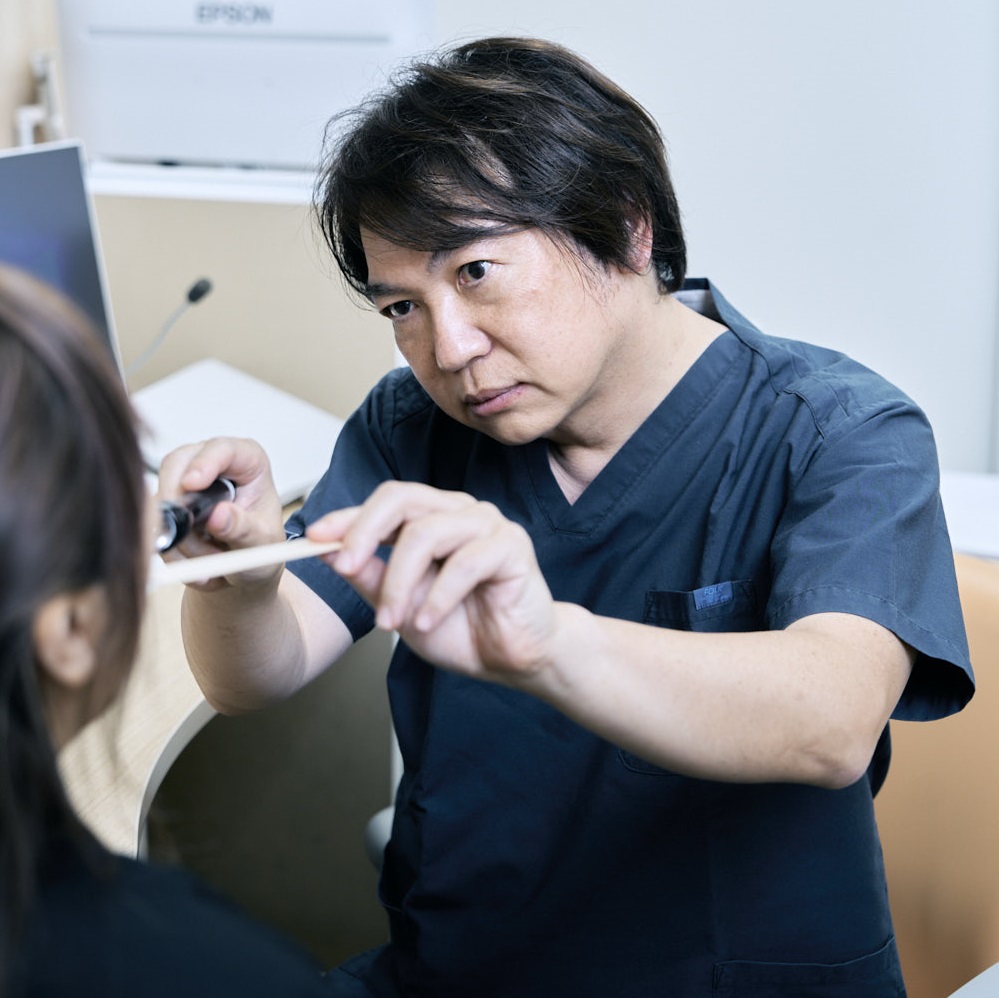
Hello, this is Kazuyuki Sugaya, Director of Ueno Snoring Clinic. A recent news story involving the anesthetic drug propofol made headlines, and I wanted to use it as an opportunity to talk about sleep and sleep apnea from an anesthesiologist’s perspective.
This topic is also covered in detail in our director’s book, “Curing Snoring with the Latest Treatments” (Amazon Japan Best Seller: #1 in General Medicine, #1 in Clinical Internal Medicine, #2 in Home Medical & Health)
New Book by Our Director
“Curing Snoring with the Latest Treatments”
Written by an anesthesiologist who has overseen the sleep of more than 10,000 patients, this book is a modern guide to the latest snoring treatments.
🩺Comprehensive Snoring Treatment at Ueno Snoring Clinic
The causes of snoring range from throat structure to obesity. Ueno Snoring Clinic is not limited to a single treatment method — we offer a wide range of evidence-based options so we can propose the plan best suited to each patient.
Thorough Testing & Ongoing Treatment (Insurance-Covered)
- Home sleep test / PSG (polysomnography): Precise analysis of your sleep condition
- CPAP therapy: The standard treatment for moderate-to-severe apnea
Self-Pay Treatment for Root-Cause, Short-Term Results
- Latest laser snoring treatment: Incision-free, root-cause treatment
- Medical weight-loss support: Physically opening the airway through weight reduction
*As a clinic specializing in snoring treatment, we are committed to resolving “snoring that won’t stop” through both insurance-covered and self-pay options.
Reviewed by Our Director
Reviewed by Our Director
Kazuyuki Sugaya
Director / Anesthesiologist, Ueno Snoring Clinic
With more than 20,000 general anesthesia cases, our director provides care centered on the diagnosis and treatment of snoring and sleep apnea, tailored to each patient. [Insurance-Covered] Ueno Snoring Clinic
This article has been medically reviewed by Director Kazuyuki Sugaya and explains accurate medical information about testing and treatment for snoring and sleep apnea syndrome (SAS) in plain language.
A story made major headlines in Japan recently.
A 28-year-old anesthesiologist at a municipal hospital in Kawasaki left the operating room during a procedure and injected himself with propofol, an anesthetic drug from the hospital’s own supply. He was later found lying on a sofa in a staff break room, and was ultimately dismissed from his position.
When questioned, the physician reportedly said something along these lines:
“I would routinely watch patients fall asleep almost instantly from the anesthetic, and I found myself wishing I could sleep like that too.”
Does that statement strike you as absurd, or even a little funny?
As an anesthesiologist myself, I couldn’t laugh it off. To be absolutely clear: what this physician did was inexcusable. It was a serious medical safety violation that put a patient at risk and broke a profound bond of trust — nothing justifies it.
But I also believe there’s something all of us need to understand: just how far the suffering of chronic sleeplessness can push a person.
Ueno Snoring Clinic offers a range of options tailored to each patient’s condition, including insurance-covered sleep testing and CPAP management, as well as self-pay laser treatment for snoring. If you’d like to find out which treatment is right for you, please book an initial consultation.
Details of the tests and treatments offered at Ueno Snoring Clinic can be found here
Quick Answer
Propofol is a fast-acting IV sedative and anesthetic used almost universally to induce general anesthesia, as well as for sedation during procedures like endoscopy. It is not a sleep medication and must only be administered in a monitored medical setting, since it can suppress breathing and lower blood pressure. Chronic insomnia — including insomnia caused by undiagnosed sleep apnea — is a legitimate medical problem that can and should be treated properly, rather than self-managed with sedatives never intended for that purpose.
What Is Propofol?
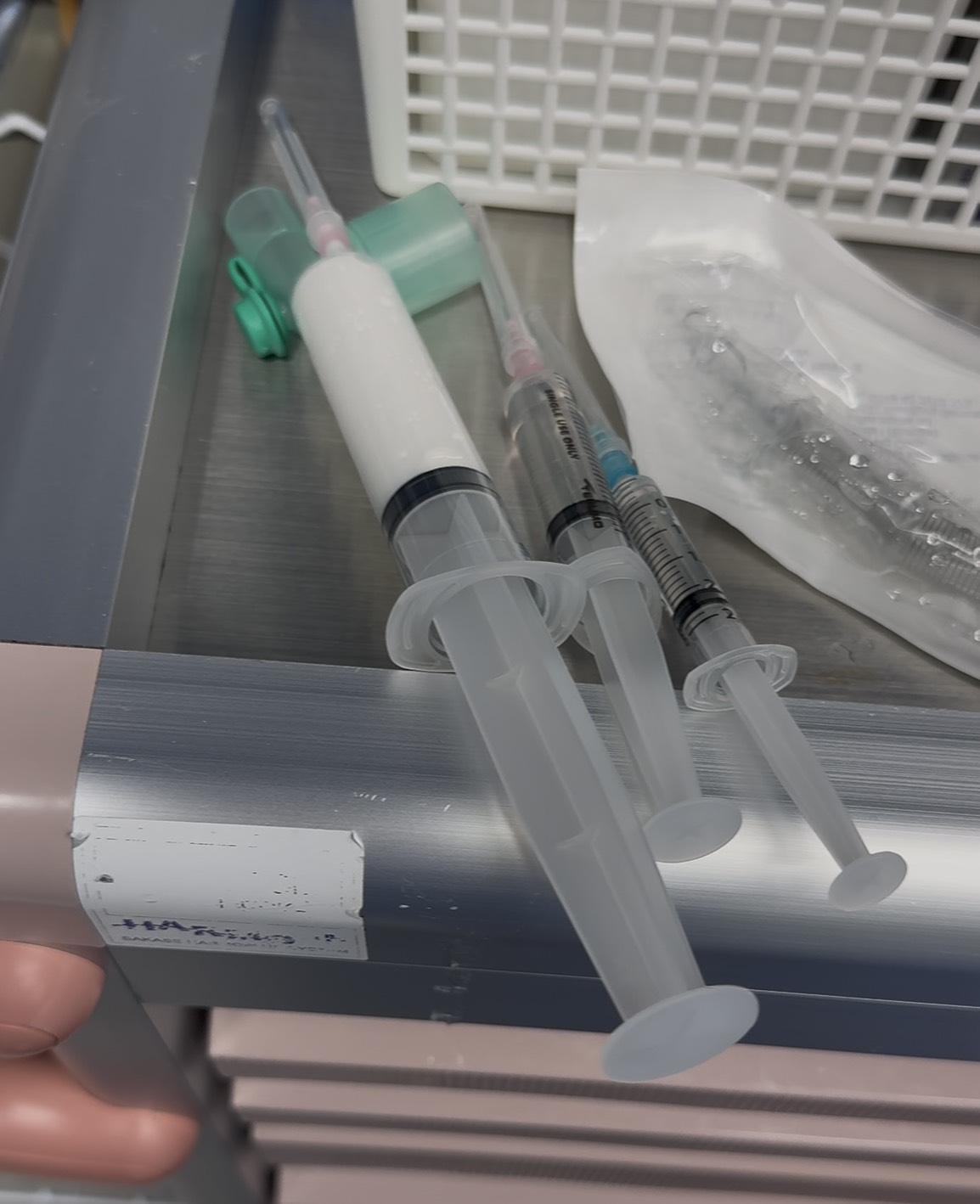
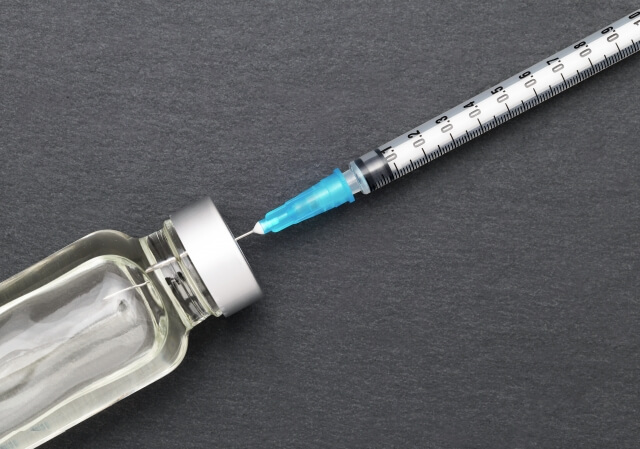
Propofol is a sedative and anesthetic administered intravenously.
It’s used to induce general anesthesia in nearly every case today (though a different drug is occasionally used instead).
It’s also commonly used to induce general anesthesia for surgery, and for sedation during procedures such as upper endoscopy or while a patient is on a ventilator.
Its defining characteristics are that
it takes effect very quickly, and wears off very quickly as well.
This makes it extremely convenient in a medical setting — but it also carries real risks, including respiratory arrest and a drop in blood pressure, which is why it must always be used in a setting where a patient’s entire physiological state can be monitored.
Its sedative effect truly is remarkably fast — most patients fall asleep in roughly 10 seconds.
Propofol is also widely known for a different reason: it’s the drug Michael Jackson reportedly referred to as “milk”.
According to reports, propofol was used essentially as a treatment for insomnia in that case, and it ultimately contributed to a fatal outcome.
In other words: treating a drug meant for strict hospital-controlled use as if it were an ordinary sleep aid is extremely dangerous.
Put simply, it’s “a medication that can put you to sleep almost instantly — but one that can be fatal if used incorrectly.”
“I Can’t Sleep” Can Push a Person Further Than You’d Expect

Have you ever had a night where you simply couldn’t sleep?
One or two nights, most of us can push through. But what if it went on for weeks — or months?
Chronic, ongoing insomnia can lead to:
- A significant decline in concentration and judgment
- Difficulty regulating your emotions
- More mistakes at work
- A weakened immune system and more frequent illness
- A depressed mood, edging closer to clinical depression
- A creeping sense of hopelessness — the feeling that “nothing I do matters”
The physician at the center of this story reportedly said he had struggled with insomnia for several years. He was working at the front lines of medicine while going years without truly restful sleep. That accumulated stress and exhaustion is what ultimately led to an irreversible lapse in judgment.
It would be easy to dismiss this as “just one reckless doctor’s story” and move on. But that leaves nothing for the rest of us to learn from it.
Someone Around You May Be Living With the Same Sleeplessness
According to a Japanese Ministry of Health, Labour and Welfare survey, roughly 1 in 5 people in Japan report having some kind of sleep problem. In modern society, sleep issues are anything but rare.
And yet, many people tell themselves things like:
“This is probably just normal.”
“I’m just tired.”
“It’s just my age.”
And with that reasoning, sleep problems quietly go unaddressed.
One Possible Cause of Sleeplessness: Snoring and Sleep Apnea
Here’s the point I want to emphasize as an anesthesiologist.
Behind symptoms like “poor sleep quality,” “trouble sleeping,” and “waking up tired no matter how much I sleep,” sleep apnea syndrome (SAS) is often hiding — more often than most people realize.
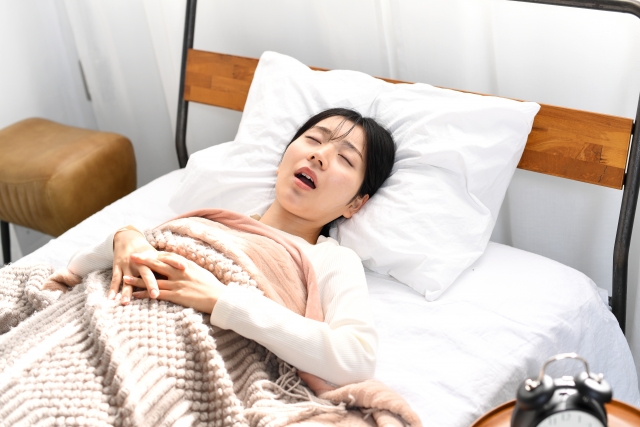
Sleep apnea syndrome is a condition in which breathing repeatedly stops during sleep. Each time it stops, the brain and body react with a brief arousal response, which interrupts deep sleep. The person may believe they slept through the night, but in reality, they never actually got quality sleep.
This is often the real explanation behind “I don’t feel rested no matter how much I sleep,” “I have intense daytime sleepiness,” and “I never feel recovered no matter how many hours I sleep.”
What makes this especially concerning is that most people have no idea they’re snoring or that their breathing is stopping.
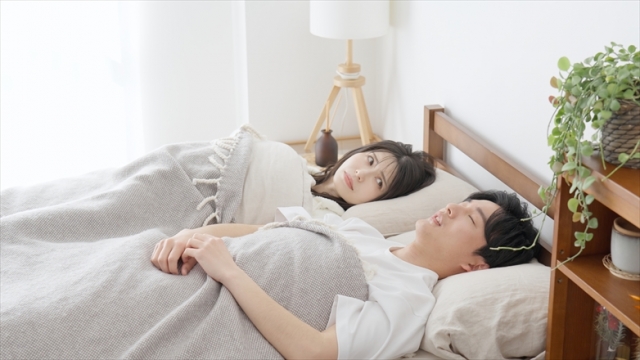
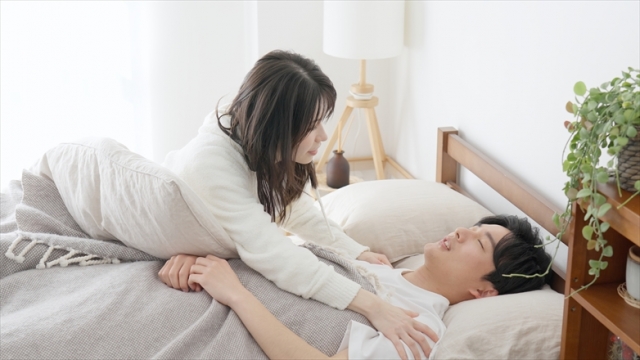
In many cases, people only find out because a partner or family member tells them, “you snore terribly” or “your breathing stopped.”
Do Any of These Symptoms Sound Familiar?
If you experience any of the following, you may have sleep apnea syndrome:
- You’ve been told your snoring is loud
- Someone has told you your breathing stops during sleep
- You wake up still tired, or with a heavy-feeling head
- You feel intense daytime sleepiness — even in meetings or while driving
- You wake up multiple times during the night
- You need to urinate frequently at night
- You wake up with headaches
- You’ve noticed a decline in concentration or memory
- You feel down or low in mood more easily than before
If three or more of these apply to you, we recommend getting tested.
New Book by Our Director
“Curing Snoring with the Latest Treatments”
Written by an anesthesiologist who has overseen the sleep of more than 10,000 patients, this book is a modern guide to the latest snoring treatments.
What This Physician’s Attempt to “Fix” His Insomnia With Anesthesia Teaches Us
What’s the real lesson in this story?
Here’s how I see it: the true tragedy was that this physician’s suffering from sleeplessness went unspoken, and he never found his way to proper treatment.
Insomnia has many possible causes — stress, disrupted routines, psychological factors, and physical causes like sleep apnea syndrome. Treating the actual underlying cause gives you a real chance at improvement.
Rather than forcing yourself to sleep with a sedative never meant for that purpose, the right first step is having someone properly investigate why you can’t sleep.
If you or someone you care about is dealing with sleeplessness or troubling snoring, we encourage you to consult a specialist.
💤 For Anyone Who Never Feels Rested, or Who’s Concerned About Their Snoring
Sleep apnea syndrome is one common cause of poor sleep quality.
At Ueno Snoring Clinic, a board-certified anesthesiologist handles everything from testing to treatment, all covered by national health insurance.
A home sleep test is also available, so please feel free to reach out for an initial consultation.
Snoring and Sleep Apnea Are Treatable
Sleep apnea syndrome can be effectively treated. Here are the main treatment options:
CPAP Therapy (Insurance-Covered)

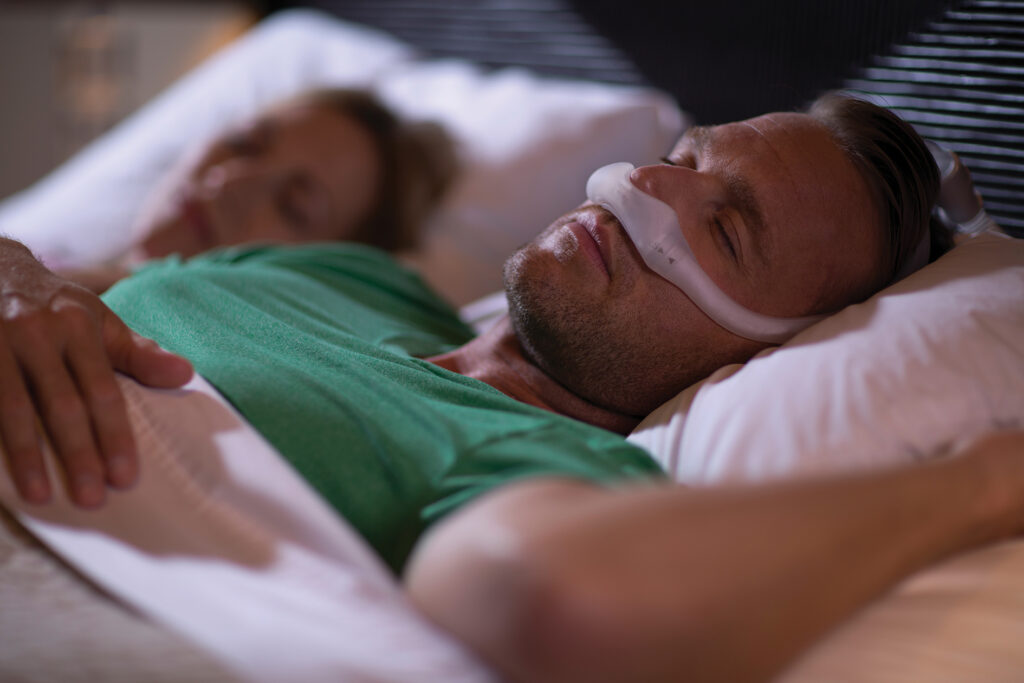
CPAP uses a mask worn during sleep to deliver pressurized air that keeps the airway open and prevents apnea. It’s covered by national health insurance for moderate-to-severe sleep apnea. Many patients tell us that mornings feel like a completely different experience after starting CPAP.
Laser Snoring Treatment (Self-Pay)
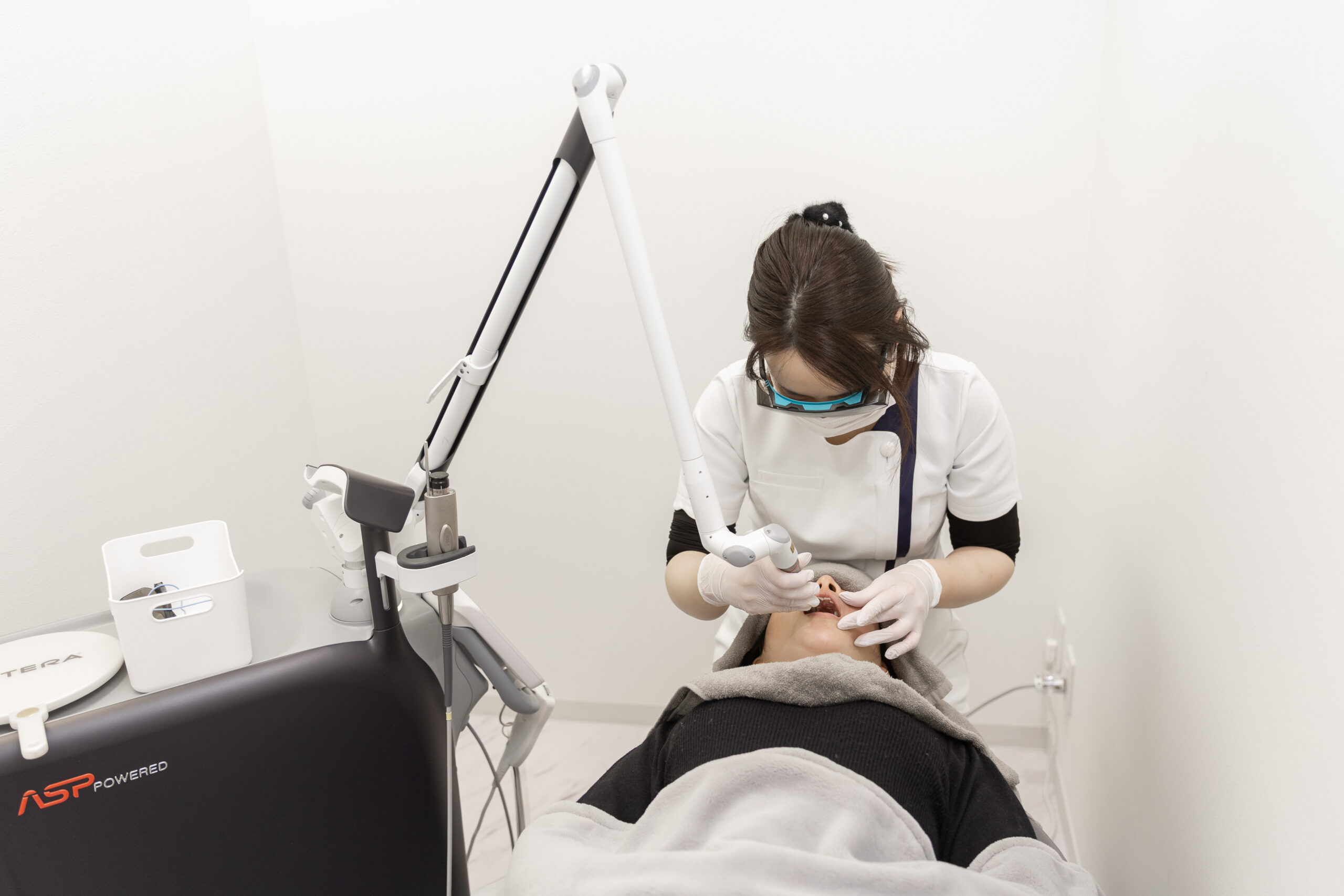
This treatment uses a laser applied to the soft palate to reduce the tissue vibration that causes snoring. It’s an outpatient, same-day procedure that doesn’t require hospitalization. It’s also a popular option for patients who didn’t test positive for sleep apnea but still want to reduce their snoring.
Lifestyle Changes
Factors such as obesity, alcohol consumption, and sleep position can all play a role. We provide personalized guidance during your consultation.
What I Want to Share as an Anesthesiologist
As an anesthesiologist, I spend every working day beside people who are asleep. My job is to continuously manage a patient’s airway, breathing, and circulation so they can sleep safely during surgery.
That’s exactly why I understand, firsthand, just how delicate the process of sleep really is — and how serious the consequences can be when it breaks down.
I don’t want this story to be treated as something that has nothing to do with the rest of us.
“Have you been sleeping well lately?”
I’d encourage you to ask yourself that question — and to ask it of someone you care about, too.
💤 Ueno Snoring Clinic | A Sleep & Snoring Specialty Outpatient Clinic (Insurance-Covered)
A board-certified anesthesiologist evaluates snoring and sleep apnea under national health insurance.
We offer a home sleep test, CPAP management, and laser snoring treatment.
Fully appointment-based, just steps from Ueno Station. It’s also perfectly fine to reach out just to ask questions first.
📞 0120-899-930 | 📍 Ueno, Taito-ku, Tokyo (Appointment Only)
Frequently Asked Questions
English Support Available
We provide medical services for international patients. Please check our English website for details on how to visit our clinic.
Supervising Physician

Kazuyuki Sugaya, Director of Ueno Snoring Clinic
After graduating from Fujita Health University School of Medicine in 2004, Dr. Sugaya began his career as an anesthesiologist at Toho University Omori Medical Center. He has since gained extensive clinical experience at municipal hospitals and private clinics nationwide, administering general anesthesia in over 20,000 cases. In 2020, he founded the "Tokyo Spine Clinic," and has served as the Director of Ueno Snoring Clinic since 2025.
Related Columns

By Appointment Only
Specialized Snoring Treatment in Ueno
Ueno Snoring Clinic
Insurance-covered home testing available.
Following a physician’s consultation and result explanation,
we support the improvement of snoring and sleep apnea with "Dual Deep Thermia"—a non-surgical laser treatment, if necessary.
3-min walk from Ueno Station. Please feel free to consult us.