



いびきを最新治療で治す-表紙-1.png)
Told You Stop Breathing in Your Sleep? A Guide to Insurance-Covered Sleep Apnea Testing in Japan
Can Sleep Apnea Increase Your Risk of Depression? | Ueno Snoring Clinic
Ueno Snoring Clinic offers a range of options tailored to each patient’s condition, including insurance-covered sleep testing and CPAP management, as well as self-pay laser treatment for snoring. If you’d like to find out which treatment is right for you, please book an initial consultation.
Details of the tests and treatments offered at Ueno Snoring Clinic can be found here
Reviewed by Our Director
Kazuyuki Sugaya
Director / Anesthesiologist, Ueno Snoring Clinic
With more than 20,000 general anesthesia cases, our director provides care centered on the diagnosis and treatment of snoring and sleep apnea, tailored to each patient. [Insurance-Covered] Ueno Snoring Clinic
This article has been medically reviewed by Director Kazuyuki Sugaya and explains accurate medical information about testing and treatment for snoring and sleep apnea syndrome (SAS) in plain language.
🩺Comprehensive Snoring Treatment at Ueno Snoring Clinic
The causes of snoring range from throat structure to obesity. Ueno Snoring Clinic is not limited to a single treatment method — we offer a wide range of evidence-based options so we can propose the plan best suited to each patient.
Thorough Testing & Ongoing Treatment (Insurance-Covered)
- Home sleep test / PSG (polysomnography): Precise analysis of your sleep condition
- CPAP therapy: The standard treatment for moderate-to-severe apnea
Self-Pay Treatment for Root-Cause, Short-Term Results
- Latest laser snoring treatment: Incision-free, root-cause treatment
- Medical weight-loss support: Physically opening the airway through weight reduction
*As a clinic specializing in snoring treatment, we are committed to resolving “snoring that won’t stop” through both insurance-covered and self-pay options.
This topic is also covered in detail in our director’s book, “Curing Snoring with the Latest Treatments” (Amazon Japan Best Seller: #1 in General Medicine, #1 in Clinical Internal Medicine, #2 in Home Medical & Health)
New Book by Our Director
“Curing Snoring with the Latest Treatments”
Written by an anesthesiologist who has overseen the sleep of more than 10,000 patients, this book is a modern guide to the latest snoring treatments.
Quick Answer
Yes — a growing body of evidence points to a link. Sleep apnea syndrome (SAS) causes oxygen levels to drop repeatedly throughout the night, and these repeated low-oxygen episodes, combined with fragmented sleep and an overactive stress response, may affect brain function and mental health over time. Its symptoms often overlap heavily with depression — including morning fatigue, poor concentration, low motivation, and a low mood — which means SAS is sometimes overlooked in people being treated for depression alone. If you experience daytime sleepiness or morning headaches, or have been told your breathing stops at night, alongside mood or concentration changes, a sleep test can help clarify what’s really going on.
What deserves particular attention is that sleep apnea syndrome causes oxygen levels to drop repeatedly during sleep, and this can affect the brain, the autonomic nervous system, and mental health.
Snoring isn’t simply a matter of noise. It may be a sign that breathing is stopping during sleep and the body is becoming low on oxygen. And when this happens night after night, the effects can spread to the brain, heart, blood vessels, metabolism, and mental health.
Prompted by this recent news coverage, this article offers a clear, expert explanation of the relationship between sleep apnea syndrome and depression, low oxygen, daytime sleepiness, morning headaches, and the signs that warrant a medical evaluation.
What Is Sleep Apnea Syndrome?
Sleep apnea syndrome is a condition in which breathing repeatedly stops or becomes shallow during sleep. The most common type is obstructive sleep apnea, in which the airway in the throat narrows.
When we fall asleep, muscles throughout the body relax — this is entirely natural, but because the muscles around the throat relax too, the base of the tongue and the soft palate can sink downward more easily. As a result, the airway narrows, and when air struggles to pass through, snoring occurs. If the airway becomes fully blocked, breathing stops altogether.
In other words, snoring is the sound of a narrowing airway. It’s often a warning sign that comes just before breathing stops completely, and certain patterns deserve particular attention: loud snoring, breathing that pauses mid-sleep, and a sharp gasp for air afterward.
Snoring Isn’t Just Noise — It’s a Sign the Airway Is Narrowing
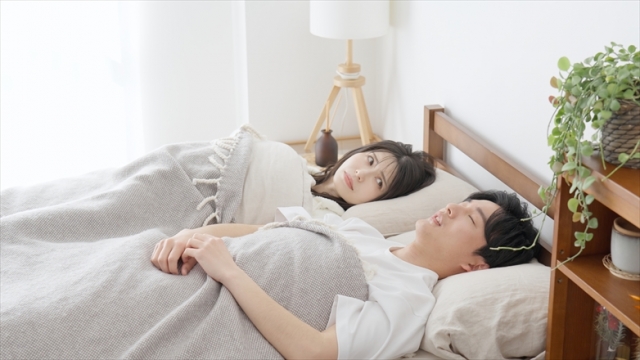
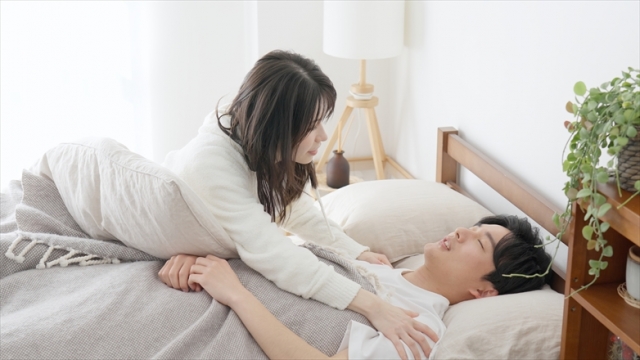
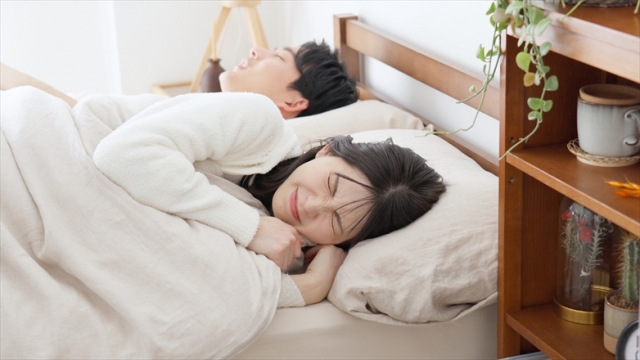
Some people who snore heavily experience repeated pauses in breathing during sleep, along with drops in blood oxygen levels. Because they’re asleep when it happens, they often don’t notice it themselves — it’s frequently a family member or partner who first points it out.
Why Low Oxygen Is the Real Concern
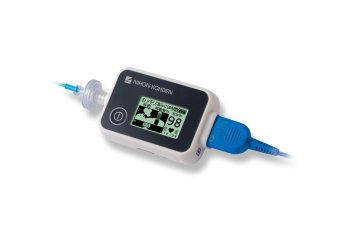
What makes sleep apnea syndrome concerning isn’t simply that sleep becomes lighter — the bigger issue is that blood oxygen levels drop each time breathing stops.
The human body runs on oxygen. The brain, heart, blood vessels, and muscles all depend on a steady oxygen supply to function. But when breathing repeatedly stops during sleep, the body becomes low on oxygen again and again.
When oxygen drops, the body senses danger and activates the sympathetic nervous system. In simple terms, even though you’re supposed to be asleep, your body is repeatedly going into “emergency mode.”
As a result, blood pressure tends to rise, the heart comes under added strain, and the blood vessels experience added stress. For some people whose blood pressure doesn’t drop at night, who have high blood pressure in the early morning, or whose blood pressure remains difficult to control even on medication, sleep apnea syndrome may be an underlying cause.
The Relationship Between Depression Risk and Sleep Apnea Syndrome

One point that drew particular attention in the recent news coverage was the relationship between sleep apnea syndrome and depression risk.
Sleep apnea syndrome and depression may seem like entirely separate conditions at first glance, but in practice, their symptoms overlap considerably.
For example, sleep apnea syndrome can produce symptoms such as the following:
- Not feeling rested even after waking up
- Strong daytime sleepiness
- Difficulty sustaining concentration
- Lack of motivation
- Increased irritability
- A tendency toward low mood
- Reduced work performance
- Finding it burdensome to see people
These symptoms are easily mistaken for depression, adjustment disorder, or chronic fatigue. Of course, this isn’t to say that having sleep apnea syndrome automatically leads to depression. But it’s entirely plausible that the combination of nighttime low oxygen, fragmented sleep, chronic fatigue, and autonomic nervous system disruption makes a person more susceptible to mental health effects.
One thing worth being especially cautious about is the case where someone is being treated for depression, but underlying sleep apnea has been overlooked. Behind a low mood or poor concentration may be nightly episodes of apnea that have gone unnoticed.
When “Sleeping but Not Recovering” Wears Down the Mind
Sleep does more than simply rest the body. It plays a role in recovering the brain from fatigue, consolidating memories, regulating the autonomic nervous system, releasing hormones, and adjusting immune function.
But with sleep apnea syndrome, breathing stops repeatedly during sleep, and each time, the brain briefly rouses to a lighter stage of sleep. The person often has no conscious awareness of waking up, but these micro-arousals can be seen repeating on an EEG.
As a result, even someone who sleeps 7 or 8 hours may not actually be getting deep, restorative sleep.
When this state of “sleeping but not recovering” continues over time, daytime performance gradually declines. At first, it might just be feeling a little sleepy or having trouble concentrating. But as it becomes chronic, it can lead to real problems in daily life — more mistakes at work, feeling drowsy while driving, zoning out during meetings, spending entire days off asleep, or talking less with family.
When this continues, some people begin to feel as though they’re being lazy, or that they’ve become someone without any motivation.
In reality, though, this often isn’t a matter of willpower at all — it may reflect the fact that oxygen has been dropping during sleep, leaving the brain and body unable to truly recover.
Three Warning Signs You Shouldn’t Ignore
Three signs in particular are worth watching for as possible indicators of sleep apnea syndrome.
| Sign | Possible Reason | What to Keep in Mind |
|---|---|---|
| Strong daytime sleepiness | Repeated breathing pauses or shallow breathing during sleep may be preventing deep, restorative sleep. | Sleepiness while driving or working carries a real risk of accidents or mistakes. |
| Not waking up feeling refreshed | Even with enough hours of sleep, sleep quality may be compromised. | It’s important not to simply attribute this to age or fatigue. |
| Morning headaches | This can be related to nighttime drops in oxygen or a buildup of carbon dioxide. | If you’ve been told you snore or that your breathing stops, consider getting tested. |
1. Strong Daytime Sleepiness
You feel sleepy during the day even though you’ve supposedly gotten enough sleep — strong drowsiness during meetings, while driving, after meals, or while working at a computer. This can be a sign that your sleep quality has declined.
Sleepiness while driving is especially dangerous. With sleep apnea syndrome, even if someone believes they’re “just a little sleepy,” their concentration and reaction time may actually be significantly reduced.
2. Not Waking Up Feeling Refreshed
Your body feels heavy from the moment you wake up, even though you’re sure you got a full night’s sleep. You keep hitting snooze. You’re exhausted the instant you open your eyes. This, too, is a symptom commonly seen with sleep apnea syndrome.
It’s not the number of hours that matters, but the quality of sleep. If breathing keeps stopping and the brain keeps rousing throughout the night, you won’t feel restored no matter how many hours you spend in bed.
3. Headaches Upon Waking
Morning headaches are another important sign. When blood oxygen levels drop during sleep, or carbon dioxide builds up, it can result in a headache upon waking.
Not Everyone Who Snores Has Severe Apnea — But Ignoring It Is Risky
Of course, not everyone who snores has severe sleep apnea syndrome. Snoring can also temporarily worsen due to fatigue, alcohol, nasal congestion, sleeping on your back, or weight gain.
That said, in the following situations, it’s best not to simply dismiss it as ordinary snoring:
- A family member has told you your breathing stops
- Your snoring has suddenly gotten louder
- Strong daytime sleepiness
- Morning headaches
- Frequent nighttime urination
- High blood pressure
- A tendency toward being overweight
- A thicker neck circumference
- A small jaw
- Snoring worsens after drinking
- Not feeling rested even after sleeping
- Ongoing low mood or poor concentration
Feedback from family members or a partner is especially important. Because sleep apnea syndrome happens while a person is asleep, it’s a condition that’s genuinely difficult to notice in yourself. More often than not, it’s the person sleeping next to you who notices something is wrong first.
Testing Looks at More Than “How Many Times Breathing Stopped” — It Also Measures How Far Oxygen Dropped
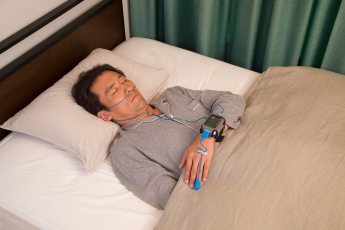
Testing for sleep apnea syndrome commonly uses a metric called AHI or REI — a number representing how many apnea and hypopnea events occur per hour.
In actual clinical practice, though, the number of events isn’t the only thing that matters. How far oxygen saturation drops, the severity of snoring, changes in pulse, sleeping position, daytime symptoms, and any related conditions are all important as well.
For example, even a moderate number of apnea events can place significant strain on the body if oxygen levels drop sharply. Conversely, someone whose numbers look mild on paper may still experience a major impact on daily life if their daytime sleepiness or difficulty concentrating is severe.
Treatment Isn’t Limited to CPAP — But CPAP Remains Important for Severe Cases
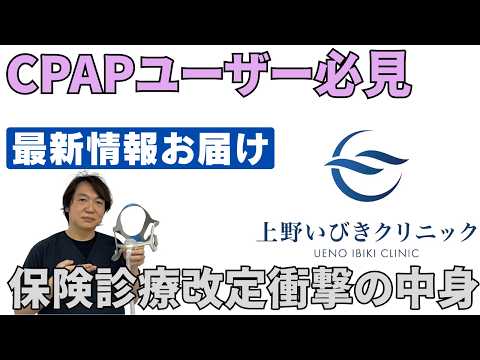
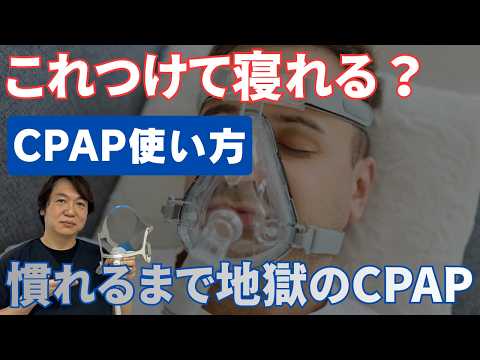
Video Explainer: Changes to CPAP Insurance Management Rules
A physician clears up common misunderstandings about the 4-hour rule, the under-1-hour-average issue, and how often you need to visit the clinic
There are several treatment options for sleep apnea syndrome.
For mild cases, or types that worsen depending on sleeping position, weight loss, limiting alcohol, sleeping on your side, treating nasal congestion, and other lifestyle changes can be effective.
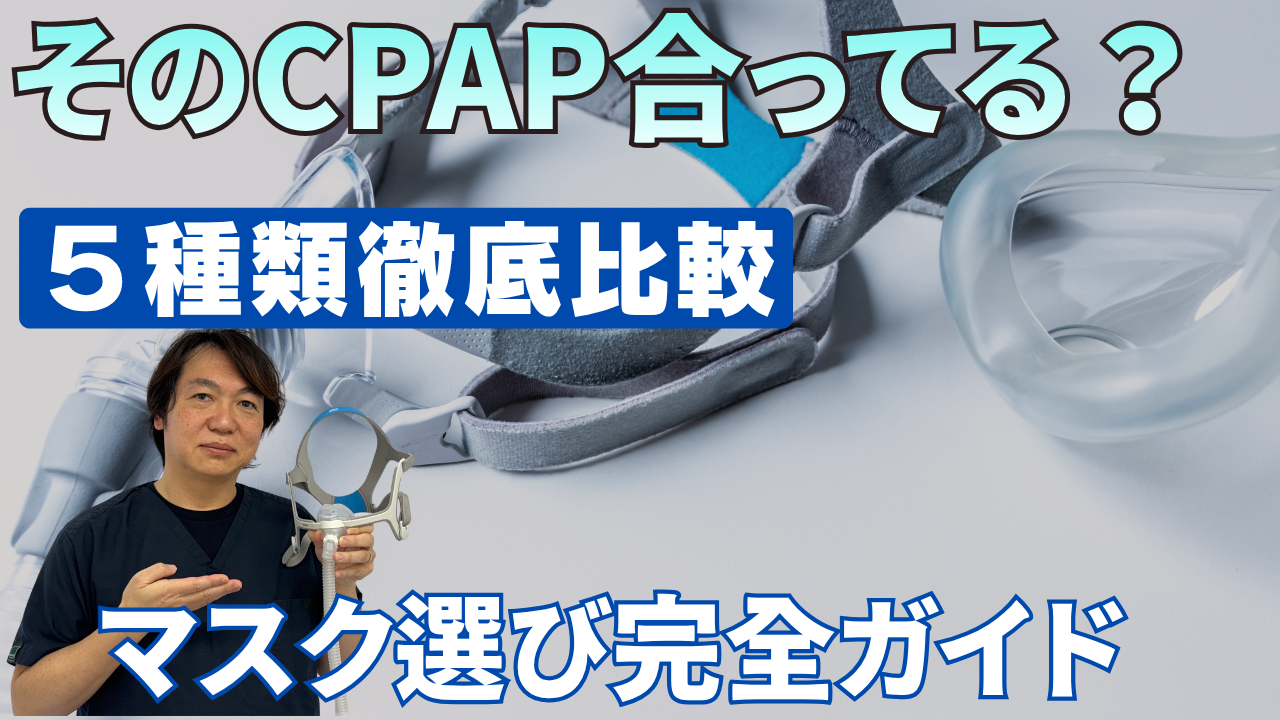
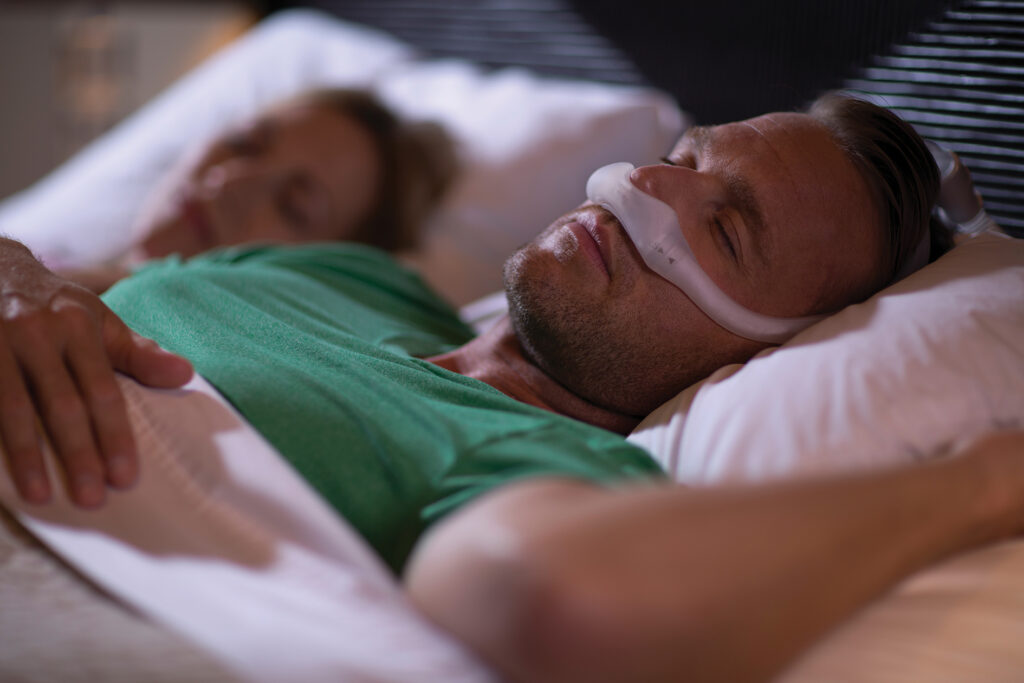
For moderate-to-severe cases — particularly when oxygen drops significantly or daytime symptoms are pronounced — CPAP therapy becomes the primary treatment. CPAP delivers air through the nose during sleep to keep the throat’s airway from collapsing.
On the other hand, for people who don’t tolerate CPAP well, those with mild-to-moderate cases, those whose main symptom is snoring, or those with significant looseness in the throat tissue, a combination of approaches — such as an oral appliance, positional therapy, nasal treatment, or laser treatment — may be considered instead.
What matters most is that snoring doesn’t call for the same treatment in every case. Treatment should be chosen only after identifying whether the cause lies in the nose, the tongue, the throat, body weight, or jaw structure, and after determining the severity of the sleep apnea.
The More Mental Health Symptoms You Have, the More Important It Is Not to Overlook Sleep Apnea
When low mood, anxiety, irritability, poor concentration, and low motivation persist, most people assume it’s purely a mental health issue. And in many cases, treatment for psychological stress or depression itself is genuinely needed.
But it’s worth checking one more thing at the same time: your breathing during sleep.
The chronic decline in sleep quality caused by sleep apnea syndrome can produce symptoms that closely resemble a mental health condition. This is especially true if you’re tired from the moment you wake up, sleepy during the day, have been told by family that you snore or stop breathing, have gained weight, or have high blood pressure — in these cases, it’s worth getting checked for sleep apnea syndrome.
Is your sleep suffering because your mood is low?
Or is your mood low because your breathing stops during sleep?
Or is it both?
Figuring out which of these is happening is extremely important.
When to See a Doctor
If even one of the following applies to you, consider getting tested for sleep apnea syndrome.
- You’ve been told you snore loudly
- You’ve been told your breathing stops while you sleep
- Strong daytime sleepiness
- Not feeling rested even after waking up
- Morning headaches
- Waking up multiple times a night to use the bathroom
- High blood pressure
- Your snoring got worse after gaining weight
- Ongoing difficulty concentrating or a low mood
- You want to find out whether you need CPAP
- You’d like to treat your snoring, but want to check your condition through testing first
Sleep apnea syndrome can often be evaluated with a simplified test you can do at home — sensors are attached to a finger and near the nose while you sleep as usual, allowing your breathing and any drop in oxygen level to be recorded. A more detailed PSG test can be arranged afterward if needed.
Some people hesitate, wondering whether snoring alone is a good enough reason to see a doctor. But snoring is a sign of an airway problem during sleep. Before letting it go unaddressed, it’s worth taking the time to check your condition.
Concerned About Snoring or Sleep Apnea?
Even if it seems like “just snoring,” your breathing may be repeatedly stopping during sleep, causing recurring drops in oxygen.
If you experience daytime sleepiness, morning headaches, persistent fatigue despite sleeping, a low mood, or have been told by family that your breathing stops, we recommend getting your condition checked through testing.
Ueno Snoring Clinic offers insurance-covered home sleep testing, PSG testing, and CPAP management, along with consultations for snoring treatment tailored to your symptoms and test results.
*Whether insurance-covered or self-pay treatment applies depends on your symptoms and test results. The first step is to check your current condition.
Frequently Asked Questions
Summary: Not “Just Snoring” — It May Be a Warning From Your Body and Mind
Snoring isn’t simply noise. It may be a sign that the airway is narrowing during sleep and the body is struggling.
Left untreated, sleep apnea syndrome causes low oxygen, fragmented sleep, and an overactive sympathetic nervous system to repeat night after night. This can raise the risk of high blood pressure, heart attack, stroke, and diabetes, and may also be linked to low mood, poor concentration, and depressive symptoms.
In particular, strong daytime sleepiness, not waking up feeling refreshed, and morning headaches are signs that shouldn’t be overlooked.
“I haven’t been able to shake this tiredness lately.”
“My family has mentioned my snoring, or that my breathing stops.”
“I’ve had ongoing low mood or trouble concentrating.”
“I’m supposed to be sleeping, yet the days are hard.”
If any of this sounds familiar, we recommend starting by having your breathing during sleep checked.
Ueno Snoring Clinic provides care for snoring and sleep apnea syndrome tailored to each patient’s symptoms and test results — including insurance-covered testing and CPAP management, as well as self-pay snoring treatment.
Rather than dismissing snoring as something embarrassing, or writing it off as simply age or fatigue, we encourage you to see it as an opportunity to protect both your body and your mind, and to reach out for a consultation.
Been Told You Snore or Stop Breathing? Start With Testing
If you experience snoring, daytime sleepiness, morning headaches, or persistent fatigue despite sleeping, your oxygen levels may be dropping during sleep. Rather than relying on symptoms alone, it’s important to confirm your current condition through testing.
[Insurance-Covered] If you’re concerned about snoring or sleep apnea, we offer a fully appointment-based system for reassuring, unhurried care.
Please feel free to contact Ueno Snoring Clinic [same-day appointments available]
📞0120-899-930
5F Ueno Silk Building, 4-8-8 Ueno, Taito-ku, Tokyo 110-0005, Japan

Please feel free to contact Ueno Snoring Clinic [same-day appointments available]
📞0120-899-930
5F Ueno Silk Building, 4-8-8 Ueno, Taito-ku, Tokyo 110-0005, Japan
Feel free to reach out to us on LINE ↓↓↓

English Support Available
We provide medical services for international patients. Please check our English website for details on how to visit our clinic.
Supervising Physician

Kazuyuki Sugaya, Director of Ueno Snoring Clinic
After graduating from Fujita Health University School of Medicine in 2004, Dr. Sugaya began his career as an anesthesiologist at Toho University Omori Medical Center. He has since gained extensive clinical experience at municipal hospitals and private clinics nationwide, administering general anesthesia in over 20,000 cases. In 2020, he founded the "Tokyo Spine Clinic," and has served as the Director of Ueno Snoring Clinic since 2025.
Related Columns

By Appointment Only
Specialized Snoring Treatment in Ueno
Ueno Snoring Clinic
Insurance-covered home testing available.
Following a physician’s consultation and result explanation,
we support the improvement of snoring and sleep apnea with "Dual Deep Thermia"—a non-surgical laser treatment, if necessary.
3-min walk from Ueno Station. Please feel free to consult us.