Ueno Snoring Clinic offers a range of options tailored to your situation, from insurance-covered sleep testing and CPAP management to self-pay snoring laser treatment. If you’d like to find out which treatment fits you, please start with an initial consultation.
Details of the tests and treatments offered at Ueno Snoring Clinic can be found here
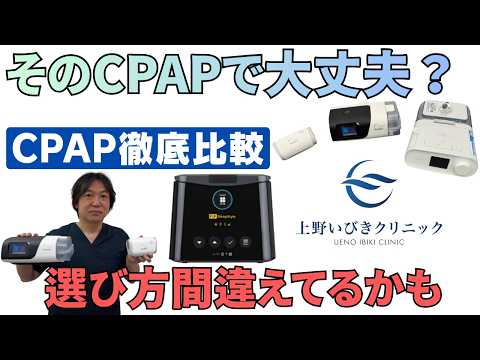
You’ll Want to Know This! A Complete Comparison of 5 CPAP Types — What Doctors Really Look For
Our doctor compares five different CPAP machines side by side and explains what actually matters when choosing one.
Watch the video
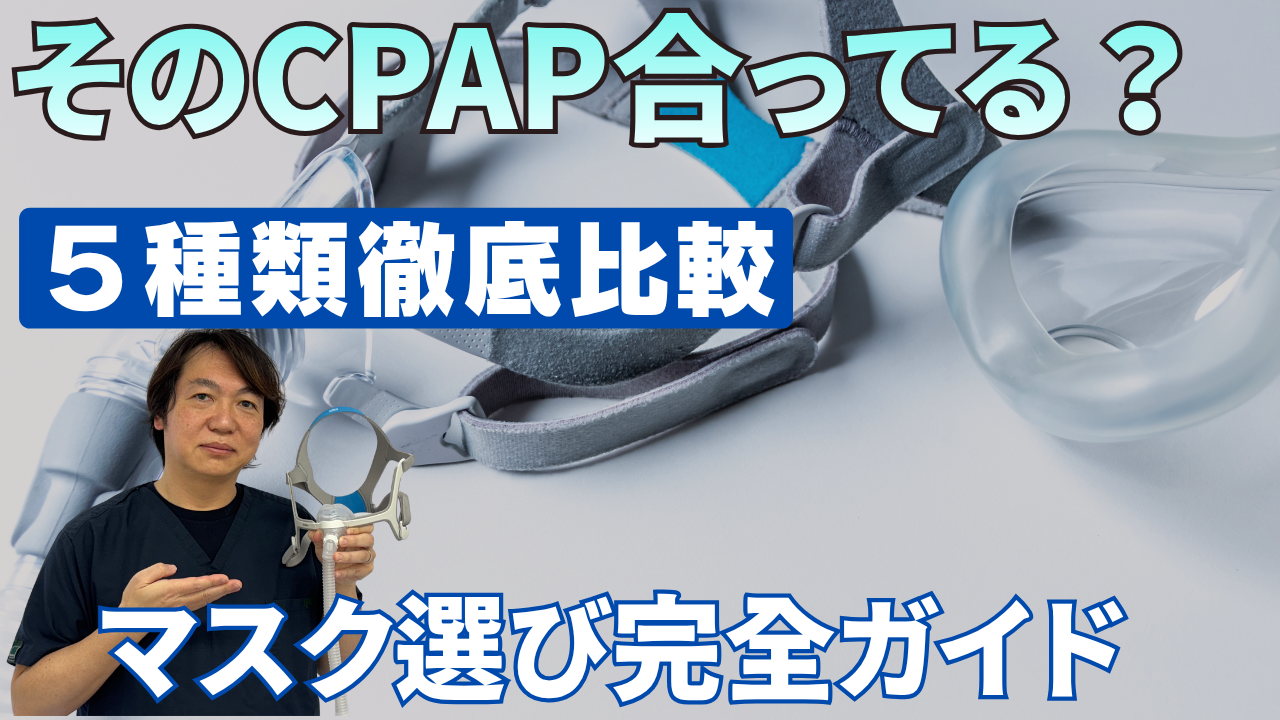
A Complete Comparison of CPAP Masks
We tried on and reviewed five different types of CPAP masks. 90% of CPAP comfort comes down to the mask.
Watch the video
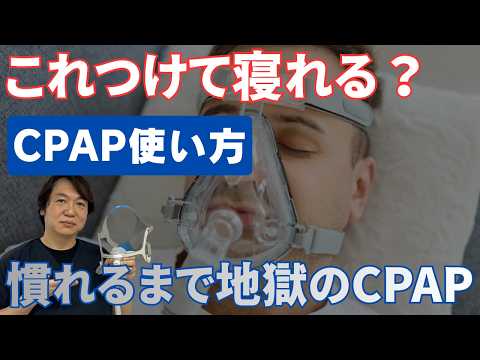
Do you have to use CPAP forever? A specialist explains how to use CPAP
A detailed explanation of how to use CPAP, with a real demonstration of what it feels like to wear the device.
Watch the video
Ueno Snoring Clinic was featured on Fuji TV’s “Live News It!” and on FNN Prime Online
Watch our clinic’s examination and explanation of sleep disorders, snoring, and sleep apnea.
Watch the video
Ueno Snoring Clinic was featured in an article on Nippon TV’s “news every.”
Please take a look as a starting point for thinking about getting evaluated for snoring, sleep apnea, or other sleep disorders.
Read the article
Reviewed by Our Director
Kazuyuki Sugaya
Director, Ueno Snoring Clinic / Anesthesiologist
Our director, with over 20,000 general anesthesia cases, focuses primarily on the diagnosis and treatment of snoring and sleep apnea, offering care tailored to each patient. [Insurance-Covered] Ueno Snoring Clinic
This article was reviewed by our Director, Kazuyuki Sugaya, and explains why so many people delay seeking care for snoring and sleep apnea, even when they’re aware of the risks.
🩺Comprehensive Snoring Treatment at Ueno Snoring Clinic
The causes of snoring range from the structure of the throat to body weight. Ueno Snoring Clinic doesn’t lean on any single treatment method — we’re set up to offer each patient the option that best fits their situation, based on sound medical evidence.
Insurance-Covered: Thorough Testing and Ongoing Treatment
- Simplified and PSG testing: A precise assessment of your sleep
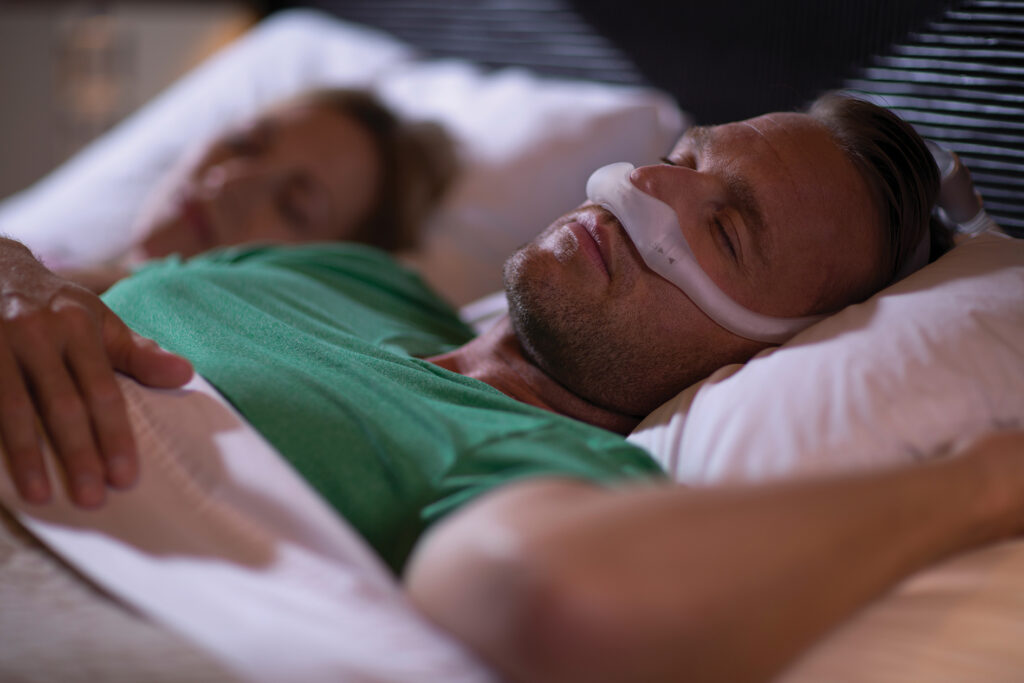
- CPAP treatment: The standard treatment for moderate-to-severe apnea
Self-Pay: Address the Root Cause, Short-Term Focus
- The latest snoring laser treatment: A non-surgical, root-cause treatment
- Medically supervised weight loss: Physically opening the airway through weight reduction
*As a clinic specializing in snoring treatment, we’re committed to resolving “snoring that won’t stop” from both the insurance-covered and self-pay sides.
Our Director’s book, “Curing Snoring with the Latest Treatments” (an Amazon Japan bestseller — #1 in General Medicine, #1 in Clinical Internal Medicine, #2 in Family Health & Wellness), also covers this topic in more detail.
New Book by Our Director
“Curing Snoring with the Latest Treatments”
A guide to the latest snoring treatments, written by an anesthesiologist who has overseen the sleep of more than 10,000 patients.
View on Amazon
Quick Answer
In a March 2026 survey of 300 people by the Japan Snoring and Apnea Improvement Association, 52.7% of respondents said they would simply “wait and see” even after being told that they, or someone close to them, appears to stop breathing during sleep, while only 25.3% said they’d recommend seeing a specialist right away. This isn’t simply a case of underestimating the danger — awareness of serious complications such as heart attack, stroke, and drowsy-driving accidents was already fairly widespread among respondents, yet it isn’t translating into action. Guidance from Japan’s Ministry of Health, Labour and Welfare and from respiratory and cardiology specialty societies all identifies obstructive sleep apnea as a condition that can affect blood pressure, stroke risk, and heart health, and recommends a specialist evaluation once daytime sleepiness or poor sleep quality are present. If a family member or partner tells you that you stop breathing at night, that’s a meaningful medical sign — not just something to note and move past. It’s worth having it evaluated rather than waiting to see.
📋 What This Article Covers
- Why so many people “wait and see” even after being told they stop breathing
- Why a warning like this still gets put off instead of acted on
- Why sleep apnea isn’t just a matter of poor sleep quality
- What should actually prompt you to seek care
- Why being thin doesn’t mean you’re in the clear
Even After Being Told They Stop Breathing, Many People Choose to “Wait and See”
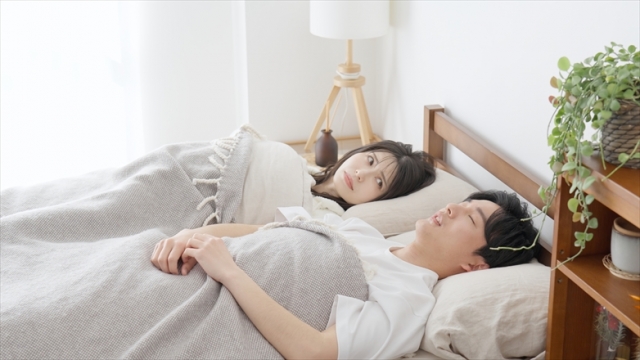
In a survey of 300 people published in March 2026 by the Japan Snoring and Apnea Improvement Association (a general incorporated association), respondents were asked what they would do if they discovered that they, or someone close to them, appeared to stop breathing during sleep. 52.7% said they would “wait and see for a while,” while only 25.3% said they would “recommend an immediate visit to a specialist.” In other words, even in the presence of a fairly strong warning sign — the possibility of sleep apnea — more than half of people don’t act on it right away.
This result isn’t far off from what we see in clinical practice. Sleep apnea syndrome is a condition where the danger of the disease itself is fairly well known, but that awareness often stalls before it becomes “something that applies to me” and leads to a doctor’s visit. In this same survey, many respondents correctly named complications of untreated sleep apnea — heart attack and angina, stroke, and drowsy-driving accidents — showing that awareness of the serious risks has spread to some extent. And yet, action still tends to be “wait and see.” That gap between knowing and doing is one of the biggest challenges in snoring and sleep apnea care.
Why a Warning That You’ve Stopped Breathing Still Gets Put Off
One reason is that it’s hard to notice nighttime abnormalities in yourself. Because sleep apnea happens while you’re asleep, it can progress without you ever having the strong, waking sense that “I can’t breathe.” The Japanese Respiratory Society lists snoring, frequent nighttime urination, daytime sleepiness, and morning headaches as symptoms of sleep apnea syndrome. But these overlap so easily with everyday complaints that they tend to get written off as “just tired,” “just my age,” or “just been busy lately.”
In fact, in this same survey, the most widely recognized symptoms were “breathing stopping during sleep” and “loud snoring,” while awareness of surrounding symptoms like morning headaches and frequent nighttime urination was much lower. In other words, many people know about “apnea” and “loud snoring” in isolation, without connecting the other signs to the same underlying condition — and that’s a point that can easily delay a visit to the doctor.
Another reason is the hope that self-care alone might be enough. In the survey, along with treatment at a medical institution, a fair number of respondents also considered things like dieting, adjusting pillow height, sleeping on your side, and nasal dilator strips to be effective measures for sleep apnea syndrome. Positional changes and weight loss certainly can help in some cases — the Japanese Respiratory Society itself notes that weight loss is important when obesity is present, and that very mild cases may improve by sleeping on your side.
Self-care and a proper diagnosis are two different things.
Changing your pillow, sleeping on your side, or clearing your nasal passages can make your snoring sound quieter for the moment, but that’s a separate question from whether your apnea has actually improved. Even the Japanese Respiratory Society’s own public Q&A, while affirming that weight loss matters when obesity is present, notes that weight loss alone can be difficult to achieve a full resolution with, and that CPAP is effective for moderate-or-worse cases or those with coexisting conditions. Feeling like things have gotten “a little quieter” is not the same as being in a medically safe state.
Sleep Apnea Isn’t Just About Poor Sleep Quality
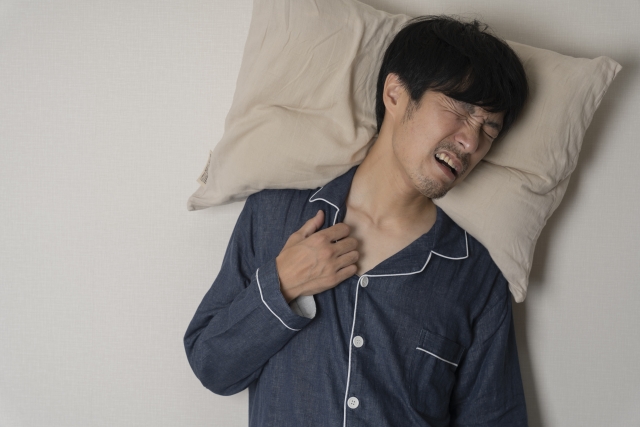
Sleep apnea may not stop at simply being a sleep-quality problem. Japan’s Ministry of Health, Labour and Welfare’s “Sleep Guide for Health Promotion 2023” names obstructive sleep apnea as the sleep-related condition that requires the most caution, and recommends a specialist evaluation when someone has low sleep satisfaction or strong daytime sleepiness. The same guide also states that obstructive sleep apnea can lead to daytime sleepiness, unintended dozing, reduced sleep satisfaction, and insomnia, and that it can contribute to high blood pressure, stroke, heart attack, heart failure, and diabetes.
The Japanese Circulation Society’s 2023 revised guidelines similarly position sleep-disordered breathing as an important risk factor — one that draws social attention because of its link to drowsy-driving accidents, but that is also suggested to coexist with, worsen, and even contribute to the onset of a range of cardiovascular diseases. In other words, this isn’t just about “being noisy at night” — it’s a condition that cardiology also can’t afford to overlook.
What Should Actually Prompt You to Seek Care
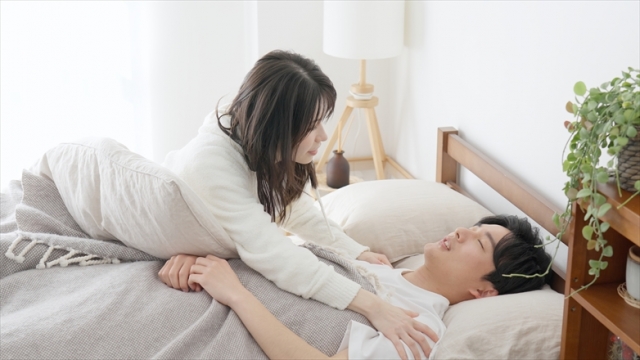
The first thing worth emphasizing is that a third party’s account of “you stopped breathing” is a genuinely important sign. Since you’re asleep when it happens, it’s difficult to recognize apnea in yourself. That’s exactly why information from a family member, someone you live with, a travel companion who shared a room, or even an audio or video recording, can be so valuable.
In particular, if you notice a combination of:
• Loud snoring
• A quiet pause, then breathing stops
• Followed by a sudden, gasping breath
• Daytime sleepiness
• Not feeling refreshed even after waking
it’s worth shifting from “I’ll get around to it eventually” to “I should talk to someone about this soon.”
Being Thin Doesn’t Mean You’re in the Clear
The next important point is that “I’m not overweight, so I’m fine” doesn’t hold up. In the survey, obesity was the most commonly cited cause, and it is indeed a major risk factor. But the Ministry of Health, Labour and Welfare’s sleep guide also notes that a small or receded lower jaw and a short neck can cause the condition even without obesity. So the basic principle — “if it looks like apnea, it needs evaluation” — doesn’t change just because someone is thin, female, or young. Prevalence among women in particular is known to rise sharply after menopause, so assuming this is exclusively “a men’s condition” is risky.
Some people also aren’t sure which department to see. In this survey, 45.0% said respiratory medicine, 28.3% said a sleep clinic, and 17.3% said ENT (otolaryngology). In practice, the right entry point varies by region and by clinic, but what matters most is reaching a medical institution that can properly evaluate breathing during sleep. Public information from the Japanese Respiratory Society also describes evaluation through an interview, followed by a simplified home test with a portable device, or PSG. Rather than getting stuck deciding which department to see, it’s more realistic to check whether a clinic evaluates sleep apnea and go from there.
Snoring With Apnea Is a Medical Condition — Please Don’t Wait to Get It Checked
The real point of this news isn’t simply the number “52.7% chose to wait and see.” What matters more is that many people are already aware of the danger, yet still aren’t translating that awareness into the action of seeking care. Behind that gap lie several overlapping factors: limited self-awareness, hope that self-care will be enough, a low priority placed on seeking treatment, and uncertainty about where to turn.
That’s exactly why it isn’t enough for clinics to simply say, “this is a scary disease.” What’s needed is clear, concrete guidance on when to seek care:
Concrete signs worth acting on
– These specific symptoms are worth bringing up at a consultation
– If a family member has told you this, you’re a candidate for testing
– Daytime sleepiness and morning symptoms are clues too, not just how loud your snoring is
– Get evaluated first, before trying a new pillow or side-sleeping on your own
Snoring and apnea can look like they don’t bother the person experiencing them, when in fact it’s often family members who notice something is wrong first. That’s exactly why “they seem fine, so it must be okay” isn’t the right lens — what’s needed is to treat what people around you notice as a genuine medical sign.
If your partner or a family member has told you that you stop breathing while you sleep, that isn’t just a comment about how you happen to sleep. At a time when “wait and see” has become the default response, seeking care sooner rather than later has real value — and this survey is a useful reminder of exactly that.
Frequently Asked Questions
Q. My family says I stop breathing, but I feel fine during the day. Do I still need to get tested?
A. Yes. Sleep apnea can progress without you noticing it yourself, and a family member’s observation is often the most reliable early sign. Feeling fine during the day doesn’t rule it out, so it’s worth having it evaluated.
Q. Is it reasonable to try a pillow change or side-sleeping first before seeing a doctor?
A. These can genuinely help in some cases, but they don’t tell you whether your apnea has actually improved. We’d recommend having your severity evaluated through testing first, and using self-care as a complement to treatment rather than a substitute for diagnosis.
Q. I’m not overweight — could I still have sleep apnea?
A. Yes. Jaw shape, a short neck, and other physical traits can cause sleep apnea even without excess weight, and women, thin people, and younger people can all be affected. Prevalence in women also rises notably after menopause.
Q. Which department should I actually go to?
A. Options include respiratory medicine, a dedicated sleep clinic, and ENT, and the right entry point can vary by region. Rather than worrying about which department is “correct,” it’s more practical to confirm that a clinic evaluates breathing during sleep and start there.
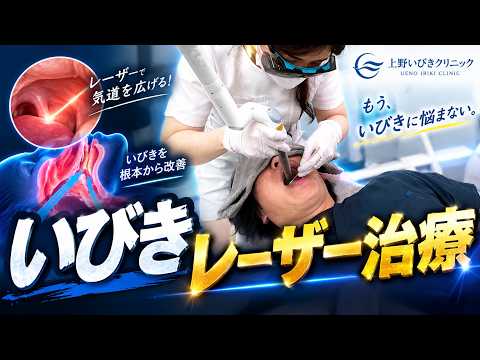
We Tried Snoring Laser Treatment Ourselves
What is snoring laser treatment actually like? A firsthand look at the procedure and what it feels like, filmed at Ueno Snoring Clinic.
Watch the video
*This article is a general explanation, written for a broad audience and based on the sources above together with our clinic’s own clinical experience. It is not a substitute for medical advice. If you or someone close to you has noticed signs of sleep apnea, please consult a medical institution rather than waiting to see.