
This article explains how snoring recordings can help during consultation, how to record snoring with a smartphone, how to use SnoreLab effectively, what sounds may suggest sleep apnea, and when medical evaluation is recommended.
Quick Answer
Recording your snoring with a smartphone or using SnoreLab can be helpful for understanding snoring patterns, sound quality, timing, and possible triggers such as alcohol, fatigue, or sleeping position. However, snoring apps cannot diagnose obstructive sleep apnea because they do not accurately measure breathing pauses, oxygen levels, or apnea severity. If your recording shows silence followed by gasping, choking sounds, loud habitual snoring, or daytime sleepiness, a medical evaluation and sleep study are recommended.
At Ueno Snoring Clinic, we offer options tailored to your condition, including insurance-covered sleep testing and CPAP management, as well as self-pay laser snoring treatment. If you would like to find the treatment that suits you, please start with an initial consultation.
You can find details on the examinations and treatments at Ueno Snoring Clinic here

Many people visit us because they are worried after seeing a high SnoreLab score or listening to their own snoring recording.In particular, the following signs should not be ignored:
- Long silent pauses during sleep
- Gasping or choking sounds after silence
- Loud snoring almost every night
- Strong daytime sleepiness
- Morning headaches or dry mouth
- Being told by a partner that breathing stops during sleep
These symptoms may suggest obstructive sleep apnea, not just simple snoring.
Supervised by the Director
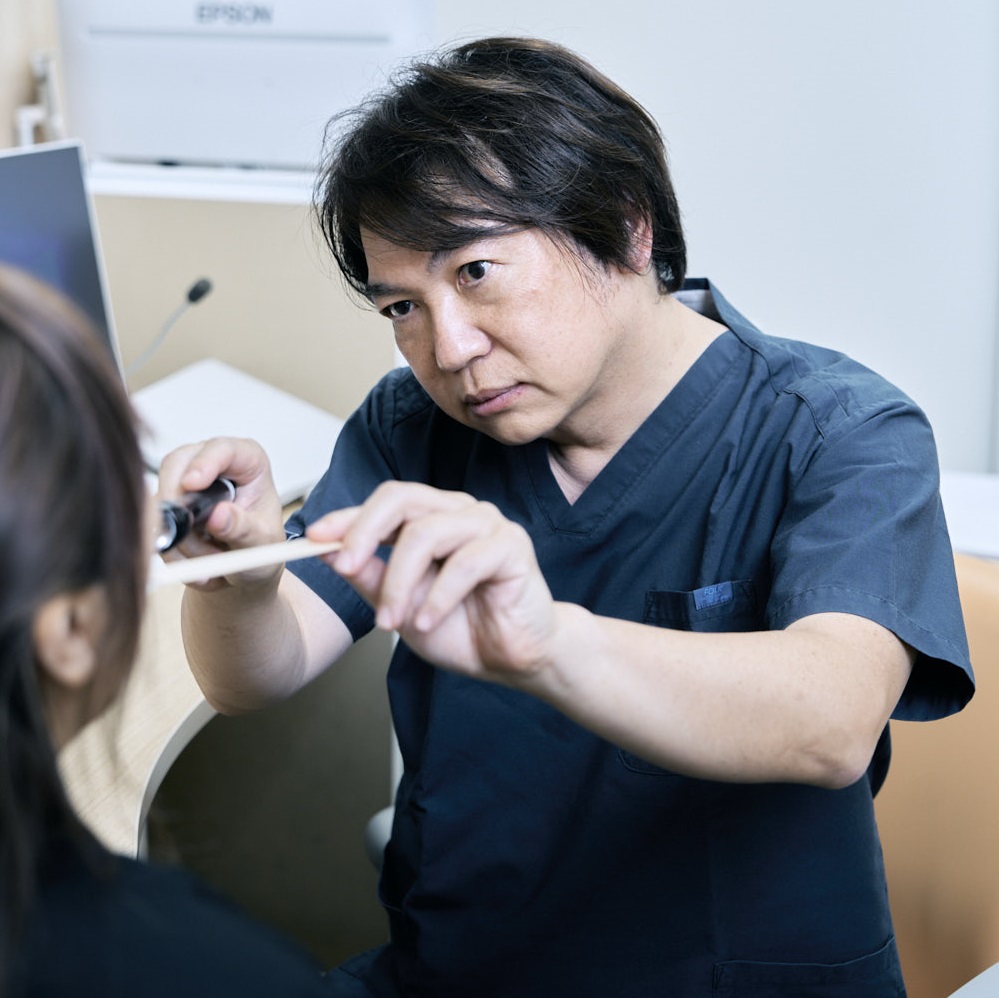
Kazuyuki Sugaya
Director, Ueno Snoring Clinic / Anesthesiologist
With experience in over 20,000 cases of general anesthesia, the director focuses primarily on the treatment of snoring and sleep apnea, providing care tailored to each individual patient. Ueno Snoring Clinic
This article has been supervised by Director Kazuyuki Sugaya to clearly explain accurate medical information regarding examinations and treatments for snoring, obstructive sleep apnea syndrome, and related conditions.
🩺Comprehensive Snoring Treatment at Ueno Snoring Clinic
Snoring has a wide range of causes, including throat anatomy, tongue position, nasal congestion, obesity, alcohol, sleeping posture, and sleep apnea. At Ueno Snoring Clinic, we provide a personalized treatment plan rather than relying on one single method.
Laser snoring treatment without surgery
- Dual Deep Thermia®: Non-surgical laser snoring treatment
- No cutting or hospitalization: Suitable for selected patients seeking minimal downtime
Sleep testing and medical evaluation
- Home sleep test / PSG: Evaluating breathing during sleep
- CPAP therapy: Standard treatment for moderate to severe obstructive sleep apnea
*As a clinic specializing in snoring treatment in Tokyo, we support patients through both self-pay laser treatment and insurance-covered medical evaluation when appropriate.
The director’s book “Treating Snoring with the Latest Treatments” also explains snoring, sleep apnea, CPAP therapy, and laser snoring treatment in detail.
いびきを最新治療で治す-表紙-1.png)
New Book by the Director
“Treating Snoring with the Latest Treatment Methods”
The definitive guide to the latest snoring treatments, explained by an anesthesiologist who has overseen the sleep of more than 10,000 people.
Why Snoring Recordings Help During Medical Consultation
Snoring is difficult to explain because it happens while you are asleep. The patient often says, “I don’t know because I’m sleeping,” while the partner or family member says, “It is loud every night.” This gap can delay consultation.
A short smartphone recording can make the discussion much more concrete. Even a one- or two-minute recording may help the doctor understand:
- Whether snoring is continuous or intermittent
- Whether the sound is low, high, dry, nasal, or choking-like
- Whether there are silent pauses
- Whether snoring may be affected by sleeping position
- Whether alcohol, fatigue, nasal congestion, or dryness may be involved
- What bothers the patient or partner most
For patients, listening to a recording can also be a turning point. Many people do not realize how serious their snoring is until they hear it themselves.
What Snoring Sounds May Suggest
A recording cannot diagnose the exact cause, but it can provide clues.
1. Sound quality
- Low, rumbling sound: May suggest vibration in the throat or soft palate region.
- High-pitched sound: May suggest a narrow passage or strong airflow resistance.
- Muffled nasal sound: May suggest nasal congestion or mouth breathing.
- Dry, crackling sound: May suggest mouth breathing, throat dryness, or dehydration.
2. Sound rhythm
- Continuous snoring: May suggest habitual narrowing or tissue vibration.
- Snoring with sudden loud bursts: May be influenced by posture, alcohol, fatigue, or airway instability.
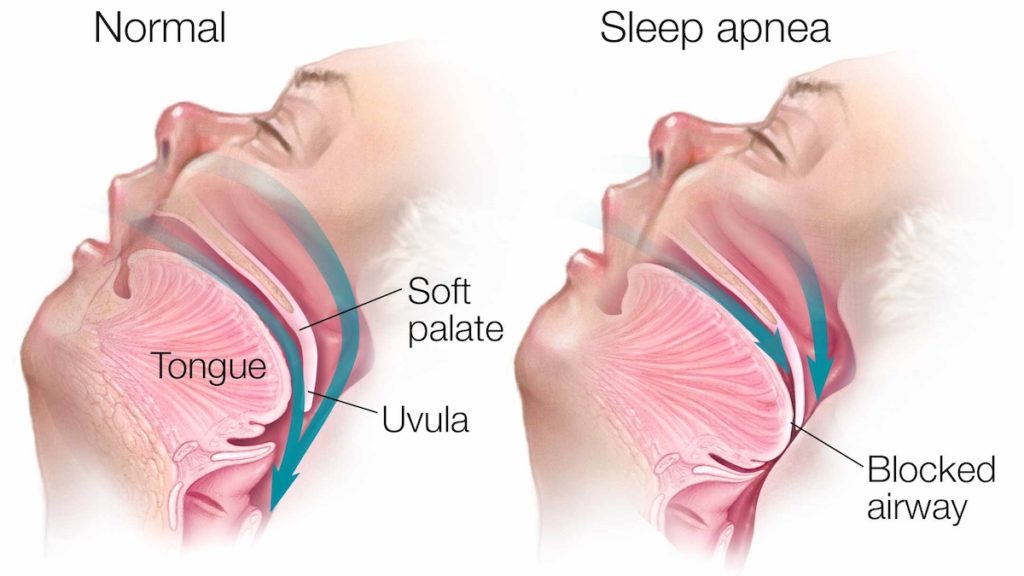
- Snoring followed by silence and gasping: May suggest obstructive sleep apnea.
3. Relationship with sleeping position
If snoring clearly worsens while sleeping on your back and improves when sleeping on your side, positional therapy may help. If snoring continues even on your side, another factor may be stronger.
4. Day-to-day variation
If snoring becomes worse only after alcohol, heavy fatigue, nasal allergy, or dry air, the recording can help identify modifiable triggers.
Warning Sounds in Snoring Recordings
The following recordings may suggest more than simple snoring:
- Sudden silence after loud snoring
- Gasping or choking after several seconds of silence
- Breathing that sounds blocked or strained
- Very loud snoring every night
- Your partner says breathing stops during sleep
Snoring apps are convenient, but they cannot accurately diagnose severity.
How to Record Snoring with a Smartphone
The goal is not to create a perfect recording. The goal is to capture useful information without too much noise.
Where to place your phone
A common mistake is placing the phone too close to the pillow. If it is too close, breathing sounds, blanket noise, or turning over may become too loud.
Recommended placement:
- Place the phone on a bedside table or shelf about 30–80 cm from your pillow.
- Do not place the phone inside the blanket.
- A stable table or shelf is better than a soft mattress.
- Charging is fine, but make sure the cable is safe.
How long should you record?
You do not need to record the entire night. Short recordings are easier to review and show during consultation.
- One recording: 1–2 minutes
- Ideally: 2–3 recordings on different nights
- Useful timing: soon after falling asleep or during the middle of the night
Audio or video is acceptable. If your partner can safely record a short sample when snoring is loud, that can also be useful.
How to Use SnoreLab Before Seeing a Doctor
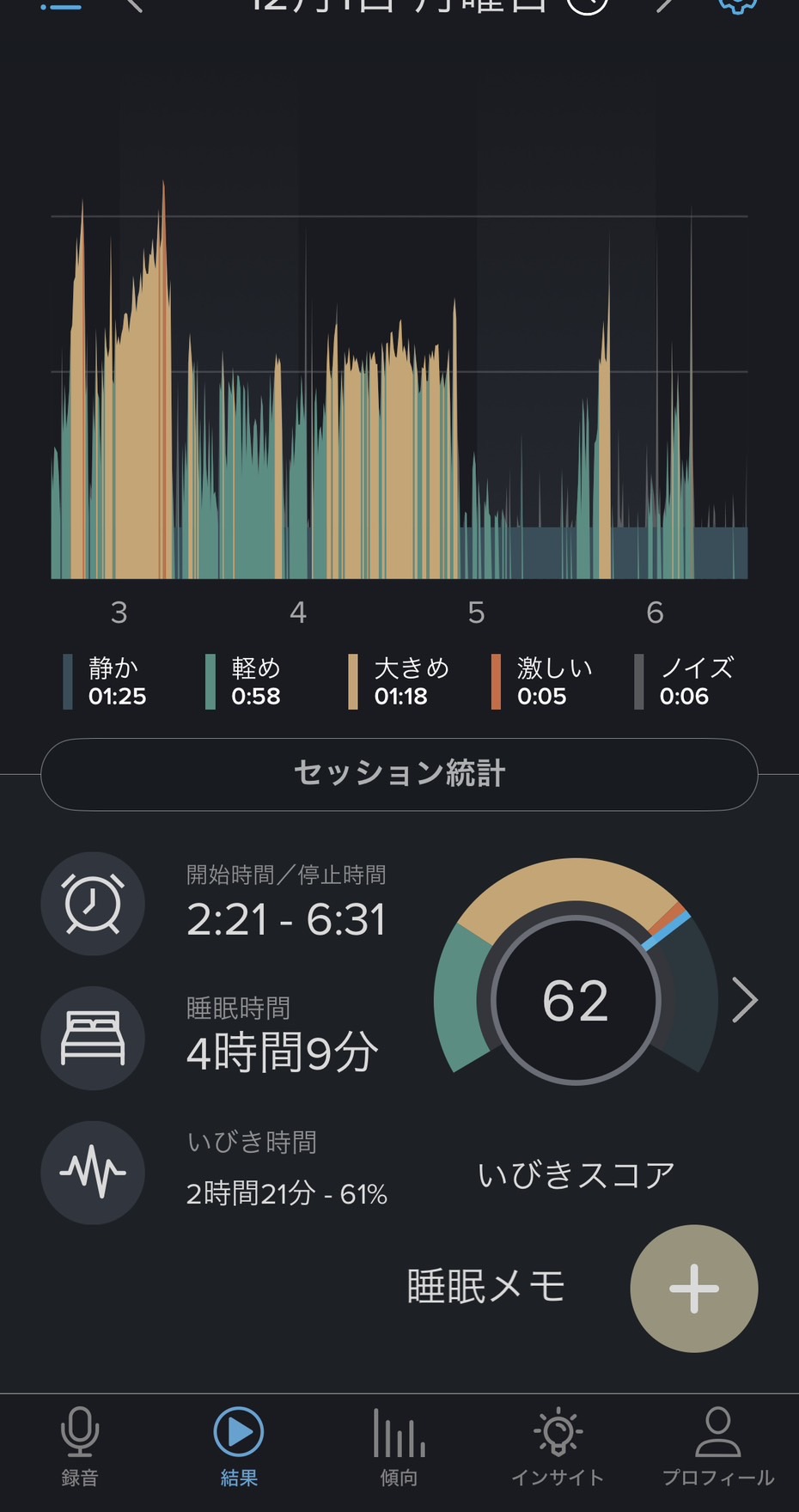
SnoreLab is useful for visualizing snoring patterns. It is not a medical diagnostic device, but it can help identify trends and triggers.
Step 1: Start recording before sleep
Place your phone near the bedside, not too close to the pillow. Start SnoreLab before going to sleep.
Step 2: Check the score and audio samples in the morning
You only need to check two things:
- Snore score: A rough indicator of snoring severity for that night
- Audio samples: What the snoring actually sounds like
Step 3: Record for 2–3 nights
You do not need to continue forever. Two or three nights may be enough for a first consultation. If possible, include different conditions such as:
- A night with alcohol
- A night without alcohol
- A night when you were very tired
- A night with nasal congestion
- A night when your partner said snoring was severe
How to Interpret SnoreLab Results
For medical consultation, the most useful points are not complex graphs but simple patterns.
- Which nights had high scores?
- What happened on those days?
- Was there alcohol, fatigue, nasal congestion, or back sleeping?
- What did the audio sample sound like?
- Were there silent pauses or gasping sounds?
- Did your partner notice breathing pauses?
SnoreLab is best used as a tool to create hypotheses. It helps answer: “What makes my snoring worse?”
If Your SnoreLab Score Is High
SnoreLab can help you notice your own snoring, but it cannot accurately determine whether you have obstructive sleep apnea or oxygen desaturation during sleep.
If the recording includes loud snoring followed by silence, breathing pauses, gasping, choking, or a struggling restart of breathing, sleep apnea may be present.
Also, if you have daytime sleepiness, morning headaches, fatigue, high blood pressure, frequent nighttime urination, or witnessed apnea, do not rely on the app alone. A medical sleep evaluation is recommended.
The moment an app makes you feel concerned may be the right time to consider a sleep test.
Snoring Recording App vs Medical Sleep Study
| Item | Snoring App / Recording | Medical Sleep Study |
|---|---|---|
| Main function | Records sound | Measures breathing and sleep-related parameters |
| Snoring detection | Possible | Possible with clinical context |
| Sleep apnea diagnosis | No | Yes, when appropriate testing is performed |
| Oxygen levels | Not accurately measured | Measured |
| Apnea severity | Cannot determine | Can evaluate AHI and severity |
| Best use | Screening, awareness, trend tracking | Medical diagnosis and treatment planning |
What to Show at Your Appointment
You do not need to show every screen from SnoreLab. The following three points are enough:
- Snore scores from the last 2–3 nights
- One or two audio samples
- Notes about high-score and low-score nights
If you are not comfortable using apps, screenshots are helpful. If apps are difficult, a simple smartphone recording is enough.
Three Notes That Make Recordings More Useful
Recordings are much more helpful when combined with simple notes. You only need three categories:
- Sleeping position: Mostly back sleeping, side sleeping, or unknown
- Alcohol: Whether you drank and how much
- Fatigue: Lack of sleep, overtime, travel, exercise, or stress
Example:
“July 10: mostly back sleeping, one beer, very tired after overtime.”
This short note can help identify factors that worsen snoring.
Questions to Ask Your Doctor
If you bring recordings or SnoreLab results, consider asking:
- Which part of my airway is likely causing the snoring?
- Does the recording suggest possible sleep apnea?
- Should I consider a home sleep test or PSG?
- Which lifestyle change should I prioritize first?
- Is my snoring more likely related to posture, alcohol, nasal congestion, or throat vibration?
- Would CPAP, oral appliance, or laser snoring treatment be suitable?
- What level of improvement should I realistically expect?
Recordings make these discussions more specific and help determine the next step.
How Ueno Snoring Clinic Uses Snoring Recordings
At Ueno Snoring Clinic, we use snoring recordings and app results as supplementary information. We evaluate:
- Nasal symptoms
- Throat anatomy
- Tongue position
- Jaw structure
- Sleeping position
- Alcohol and fatigue
- Possible obstructive sleep apnea
- Patient goals and concerns
Then, depending on the findings, we may discuss home sleep testing, CPAP management, lifestyle advice, positional therapy, oral appliance consideration, or Dual Deep Thermia® non-surgical laser snoring treatment.
A Snoring App Alone Is Not Enough for Medical Reassurance
Snoring apps can help you notice a problem, but they cannot accurately measure:
- Number of apneas
- Oxygen desaturation
- Sleep apnea severity
- Heart and brain stress caused by repeated breathing interruptions
If your snoring has recently worsened, if you feel sleepy during the day, or if you wake up tired, a sleep test may be worth considering.
Preparation Checklist
If you are planning to consult a clinic about snoring, prepare whatever is easy for you:
- □ Smartphone recording: 1–2 minutes
- □ SnoreLab results: 2–3 days
- □ Audio sample: one or two clips
- □ Notes: sleeping position, alcohol, fatigue
- □ Symptoms: daytime sleepiness, morning headache, dry mouth, witnessed apnea
You do not need perfect data. A small clue is enough to start a useful consultation.
Why International Patients Choose Ueno Snoring Clinic
- English-speaking doctor: Medical consultation is available in English
- Convenient Tokyo location: Near Ueno Station
- Snoring recording review: Smartphone audio and app results can be discussed during consultation
- Sleep apnea evaluation: Medical assessment when snoring may be a sign of apnea
- Non-surgical laser snoring treatment: Suitable for selected patients who want minimal downtime
- International patients welcome: Helpful for foreign residents and visitors in Japan
Summary
Smartphone recordings and SnoreLab results can be very helpful when discussing snoring. They make an invisible nighttime problem easier to understand and can reveal patterns such as loud snoring, silent pauses, gasping, posture-related worsening, alcohol-related worsening, or day-to-day variation.
However, snoring apps cannot diagnose obstructive sleep apnea. If your recording suggests breathing pauses, choking sounds, repeated gasping, strong daytime sleepiness, morning headaches, or high blood pressure, medical evaluation is recommended.
For patients searching for SnoreLab accuracy, snoring recording app, can SnoreLab detect sleep apnea, sleep apnea clinic in Tokyo, or English-speaking snoring clinic near Ueno Station, Ueno Snoring Clinic provides individualized consultation and treatment planning.
Book a Snoring Consultation in Tokyo
If you are worried about your snoring recording, SnoreLab score, or possible sleep apnea, please consult Ueno Snoring Clinic.
*The applicability of insurance vs. self-pay treatment differs depending on your symptoms and test results. The important first step is to check your current condition.
Frequently Asked Questions
Q. Is recording my snoring useful?
A. Yes. A short recording can help your doctor understand sound quality, rhythm, loudness, and possible breathing pauses.
Q. Can SnoreLab diagnose sleep apnea?
A. No. SnoreLab can record and score snoring, but it cannot diagnose obstructive sleep apnea or accurately measure oxygen levels.
Q. How many nights should I record?
A. Two to three nights are often enough for an initial consultation. Include different conditions if possible, such as alcohol and non-alcohol nights.
Q. What sounds suggest sleep apnea?
A. Loud snoring followed by silence, then gasping or choking, may suggest obstructive sleep apnea.
Q. Can an iPhone or Android detect sleep apnea?
A. A smartphone can record sounds, but it cannot reliably diagnose sleep apnea. A medical sleep test is needed for diagnosis.
Q. Should I bring SnoreLab results to the doctor?
A. Yes. Scores, audio samples, and simple notes about sleep position, alcohol, and fatigue can be helpful.
Q. Is a high SnoreLab score dangerous?
A. A high score does not automatically mean danger, but if it is combined with breathing pauses, daytime sleepiness, morning headaches, or high blood pressure, medical evaluation is recommended.
Q. Can laser treatment help if my recording shows loud snoring?
A. If snoring is mainly caused by soft palate or throat tissue vibration, laser treatment may be an option for suitable patients. Evaluation is needed first.
Q. Is English consultation available?
A. Yes. Ueno Snoring Clinic provides English consultation for international patients and foreign residents in Japan.
Medical Disclaimer
Snoring recording applications such as SnoreLab are useful screening and awareness tools, but they cannot diagnose obstructive sleep apnea. If your recording suggests breathing pauses, gasping, choking sounds, loud habitual snoring, or excessive daytime sleepiness, a medical evaluation and sleep study are recommended.
References
- Clinical evidence on smartphone snoring applications and sleep-disordered breathing screening.
- Guidelines on diagnosis and treatment of obstructive sleep apnea.
- Evidence on home sleep testing and polysomnography for sleep apnea evaluation.
- Research on snoring sound analysis and upper airway obstruction.
- Clinical reports on non-surgical laser treatment for snoring and soft palate vibration.