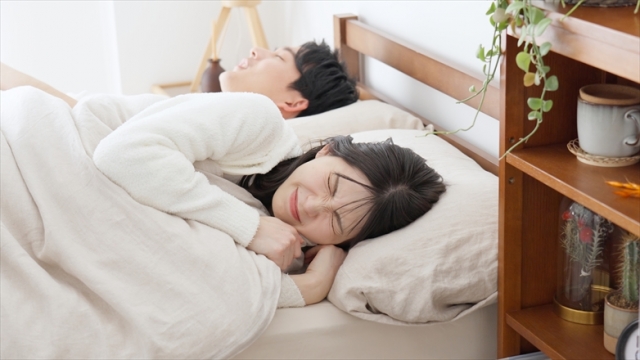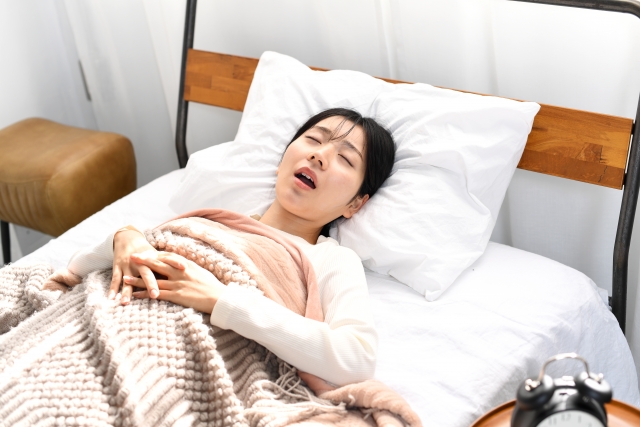

With a long holiday coming up, are you worried about snoring while traveling? This is a concern we hear from patients often.
This time, we’ll explain simple snoring countermeasures you can use even while away from home.
With a long holiday coming up, are you worried about snoring while traveling? This is a concern we hear from patients often.
This time, we’ll explain simple snoring countermeasures you can use even while away from home.
Kazuyuki Sugaya
Director, Ueno Snoring Clinic / Anesthesiologist
Our director, with over 20,000 general anesthesia cases, focuses primarily on the diagnosis and treatment of snoring and sleep apnea, offering care tailored to each patient. [Insurance-Covered] Ueno Snoring Clinic
This article was reviewed by our Director, Kazuyuki Sugaya, and explains accurate medical information about the testing and treatment of snoring and sleep apnea syndrome (SAS) in clear, accessible terms.
The causes of snoring range from the structure of the throat to body weight. Ueno Snoring Clinic doesn’t rely on a single treatment approach — we’re set up to recommend the best plan for each patient from a broad, evidence-based range of options.
Insurance-Covered: Thorough Testing and Ongoing Treatment
Self-Pay: Address the Root Cause, Short-Term Focus
*As a clinic specializing in snoring treatment, we work to resolve “snoring that won’t stop” through both insurance-covered and self-pay options.
Quick Answer
The basics of preventing snoring while traveling come down to three things: avoid alcohol before bed, sleep on your side, and don’t leave nasal congestion untreated. Snoring tends to worsen while traveling because several factors pile up at once — more opportunities to drink, sleep deprivation, sleeping on your back in an unfamiliar bed, and mouth breathing from dryness or congestion. Cutting out alcohol for 3-4 hours before bed, consciously sleeping on your side, and raising your head slightly can all help. That said, if your snoring is consistently severe, your breathing seems to stop, or you feel very sleepy during the day, this may not just be a travel issue — it could point to sleep apnea, and we’d recommend getting it checked with a sleep test.
📋 What This Article Covers
Have you ever been told your snoring is worse than usual — but only while traveling or on a business trip?
It’s not unusual for snoring that’s barely noticeable at home to suddenly get much louder at a hotel, a ryokan, on a flight, or on a work trip.
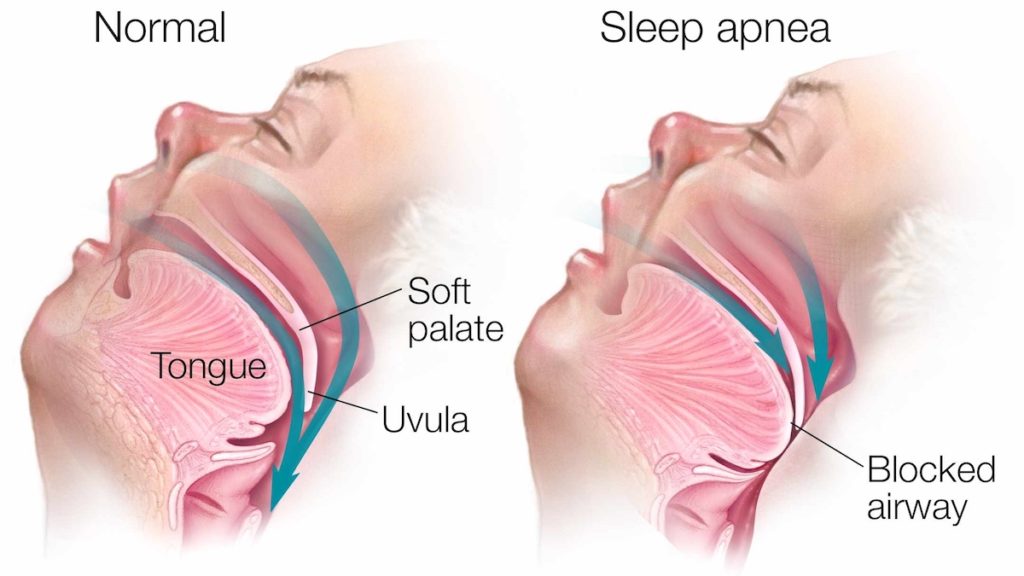
Snoring isn’t just “a noise problem” — it’s a physical phenomenon that happens when the upper airway narrows during sleep and the surrounding soft tissue vibrates as air passes through. It’s known to worsen with drinking, nasal congestion, sleeping on your back, sleep deprivation, and weight gain. On top of that, travel involving time zone changes or early departures tends to disrupt sleep, which can make snoring worse as a result.
In this article, we’ll walk through practical, easy-to-implement ways to reduce snoring while traveling or on a business trip.
If you don’t want to disturb a roommate, feel awkward during a work trip or client visit, or simply want a more comfortable trip with your partner, we hope you’ll read through to the end.
There are real reasons snoring tends to worsen while traveling or on business trips.
The biggest factor is alcohol. Many people drink more than usual — at dinners, social gatherings, meals while traveling, or drinks on a flight. Alcohol relaxes the throat muscles and narrows the airway, making it a major factor in worsening snoring. Systematic reviews have linked alcohol consumption to a higher risk of sleep apnea, and other reviews have linked it to worsened snoring and oxygen desaturation.

Sleep deprivation is another key factor. Working late the day before, early departures, staying up later than usual, jet lag, or trouble falling asleep in an unfamiliar environment can all lead to lighter sleep — which lowers muscle tone in the upper airway and tends to worsen snoring. Mayo Clinic also lists sleep deprivation as one of the factors that worsens snoring, and travel-related sleep loss and jet lag are commonly recognized issues in aviation medicine and CDC travel health guidance.
Sleeping on your back matters too. Many people are more likely to end up on their back in a hotel bed or an airplane seat than they would be at home. Lying on your back lets the tongue and soft palate fall backward, narrowing the airway and worsening snoring — an effect noted repeatedly in adult snoring treatment guidelines and related research.
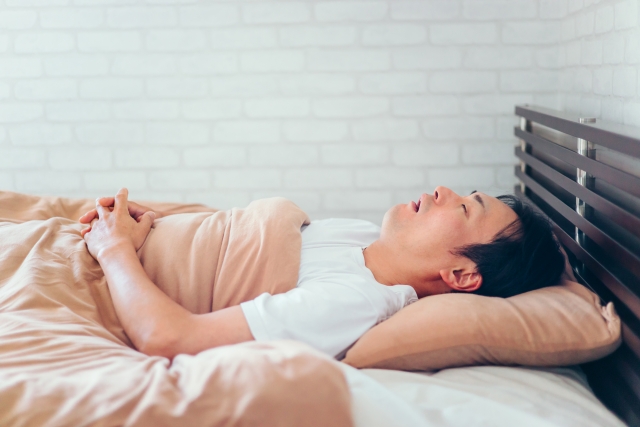
Nasal congestion and dryness shouldn’t be overlooked either. Seasonal allergies, a mild cold, hotel air conditioning, or long hours of travel can make nasal breathing harder, leading to more mouth breathing and more snoring. Nasal congestion is linked to sleep-disordered breathing, and improving nasal airflow has been reported to help improve sleep quality as well.
This is one of the fastest-acting steps you can take. It’s easy to think “just a little won’t hurt” while traveling, but alcohol before bed relaxes the throat muscles and tends to worsen snoring and breathing problems. It helps to avoid drinking for at least 3-4 hours before sleep. Even if you can’t cut it out entirely, simply avoiding heavy drinking or a nightcap makes a difference.
This is a classic snoring countermeasure, but a genuinely effective one. Sleeping on your side reduces the tendency for the base of the tongue and soft palate to fall backward. While traveling, simple tricks help — hugging a rolled-up bath towel like a body pillow, or placing a cushion or pillow behind your back to make it harder to roll onto your back. Positional therapy doesn’t work equally well for everyone, but it’s worth trying if your snoring tends to worsen on your back.
You don’t need to sleep fully upright — even slightly elevating your head can reduce how easily the upper airway collapses. Studies have shown that mild head-of-bed elevation can improve sleep-disordered breathing events and snoring. Stacking too many hotel pillows can bend just your neck and backfire, so the goal is a gentle incline across your upper back, not just your neck. Folding a towel to create a slope from around your shoulder blades makes this easier to adjust.
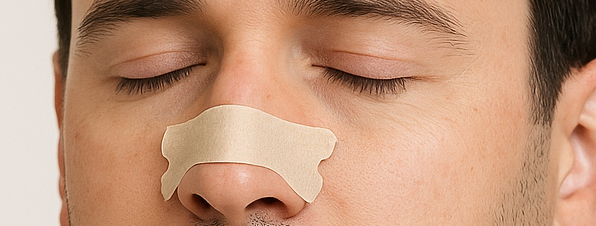
A stuffy nose leads to mouth breathing, which makes snoring more likely. If you have hay fever or allergic rhinitis, it’s important to get your symptoms under control before you travel. Keep taking any nasal treatment you normally use, and pay attention to staying hydrated in dry environments. Improving nasal airflow has been reported to contribute to better sleep quality and reduced sleep-disordered breathing.
Rushing to fall asleep because “I have an early start tomorrow” often backfires if you’re already carrying sleep debt from previous nights — it tends to make snoring worse. Try to avoid staying up late the night before departure, cut back on caffeine in the evening on travel days, and avoid drastically shifting your bedtime. For trips across time zones, adjusting your light exposure and sleep timing to match the evening at your destination can help minimize sleep disruption.
While traveling, what matters most is how reliably you can put these habits into practice on-site. Here’s a simple routine to follow:
First, keep your alcohol intake modest at dinner.
After your bath, check whether you can breathe comfortably through your nose. If it’s blocked, don’t just go to sleep as-is.
When you lie down, the basics are: sleep on your side, with your head slightly elevated.
If the room feels dry, avoid setting the air conditioning too strong, and sip a little water before bed — dryness in the throat and nose tends to lead to worse snoring.
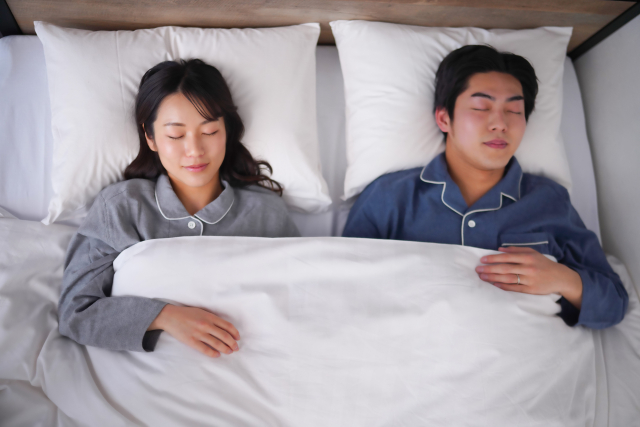
If you’re sharing a room, it can help to simply mention upfront, “I’ve been working on my snoring lately, so I’m sleeping on my side.” Psychological stress about falling asleep can itself disrupt your sleep and leave you more tired the next morning — while traveling, it’s more practical to focus on reducing the factors that make things worse than to aim for perfection.

Many people are also self-conscious about snoring while dozing off during a flight or train ride. Nodding off while sitting upright makes your neck unstable, which can let your mouth fall open and narrow your airway.
The basics here are: avoid drinking heavily before boarding, use a neck pillow to keep your neck from tilting too far back, and don’t leave nasal congestion unaddressed.
Travel itself tends to cause sleep deprivation, and crossing time zones disrupts sleep quality even further. Falling asleep carelessly during transit makes snoring more likely too.
The tips above are meant for quick results, but if your snoring is consistently bad every time you travel, it’s worth reconsidering some underlying habits.
Common culprits include weight gain, smoking, chronic nasal congestion, and chronic sleep deprivation. Adult snoring treatment guidelines and various reviews all treat these as significant contributing factors. Weight gain in particular adds soft tissue around the upper airway, making snoring and sleep-disordered breathing worse.
It’s not uncommon for what feels like “a travel-only problem” to actually be mild snoring you already have at home — travel just happens to make it more noticeable. If you travel frequently for work, there’s real value in paying attention to your everyday sleep hygiene.
There are signs worth taking seriously — ones where a medical evaluation, not just self-care, is the better next step:
Loud snoring isn’t always just snoring — it can be a sign of a condition involving airway obstruction during sleep. The NHLBI also lists chronic, loud snoring and pauses in breathing during sleep as symptoms that warrant attention. If travel keeps causing you trouble, that in itself is a sign your daily life is already being affected. Rather than dismissing it as “just embarrassing when I share a room,” it’s worth taking the time to properly identify the underlying cause.
If you’d rather not snore while traveling or on a business trip, keep these three things in mind first:
On top of that, avoiding sleep deprivation and sleeping with your head slightly elevated are both easy to put into practice. Snoring can vary a lot depending on your condition and environment on any given day, so while traveling, the key is minimizing as many of the factors that make it worse as you can.
That said, if your snoring is severe every single time you travel, your breathing seems to stop, or you feel very sleepy during the day, this may not simply be everyday snoring — it could point to a sleep-related breathing disorder.
Don’t dismiss it as “just a travel-related concern” — where appropriate, it’s worth having it properly evaluated.
If any of this concerns you, we’d recommend not just relying on self-care countermeasures, but addressing the underlying cause directly.
Confirming your condition with a sleep test is an important first step — we encourage you to see a specialist early.
References



English Support Available
We provide medical services for international patients. Please check our English website for details on how to visit our clinic.
Supervising Physician

Kazuyuki Sugaya, Director of Ueno Snoring Clinic
After graduating from Fujita Health University School of Medicine in 2004, Dr. Sugaya began his career as an anesthesiologist at Toho University Omori Medical Center. He has since gained extensive clinical experience at municipal hospitals and private clinics nationwide, administering general anesthesia in over 20,000 cases. In 2020, he founded the "Tokyo Spine Clinic," and has served as the Director of Ueno Snoring Clinic since 2025.
Related Columns
By Appointment Only
Specialized Snoring Treatment in Ueno
Ueno Snoring Clinic
Insurance-covered home testing available.
Following a physician’s consultation and result explanation,
we support the improvement of snoring and sleep apnea with "Dual Deep Thermia"—a non-surgical laser treatment, if necessary.
3-min walk from Ueno Station. Please feel free to consult us.