Ueno Snoring Clinic offers insurance-covered sleep testing and CPAP management, as well as self-pay laser treatment for snoring, tailored to your specific condition. If you’d like to find out which treatment fits you, please start with an initial consultation.
Details of the tests and treatments offered at Ueno Snoring Clinic can be found here
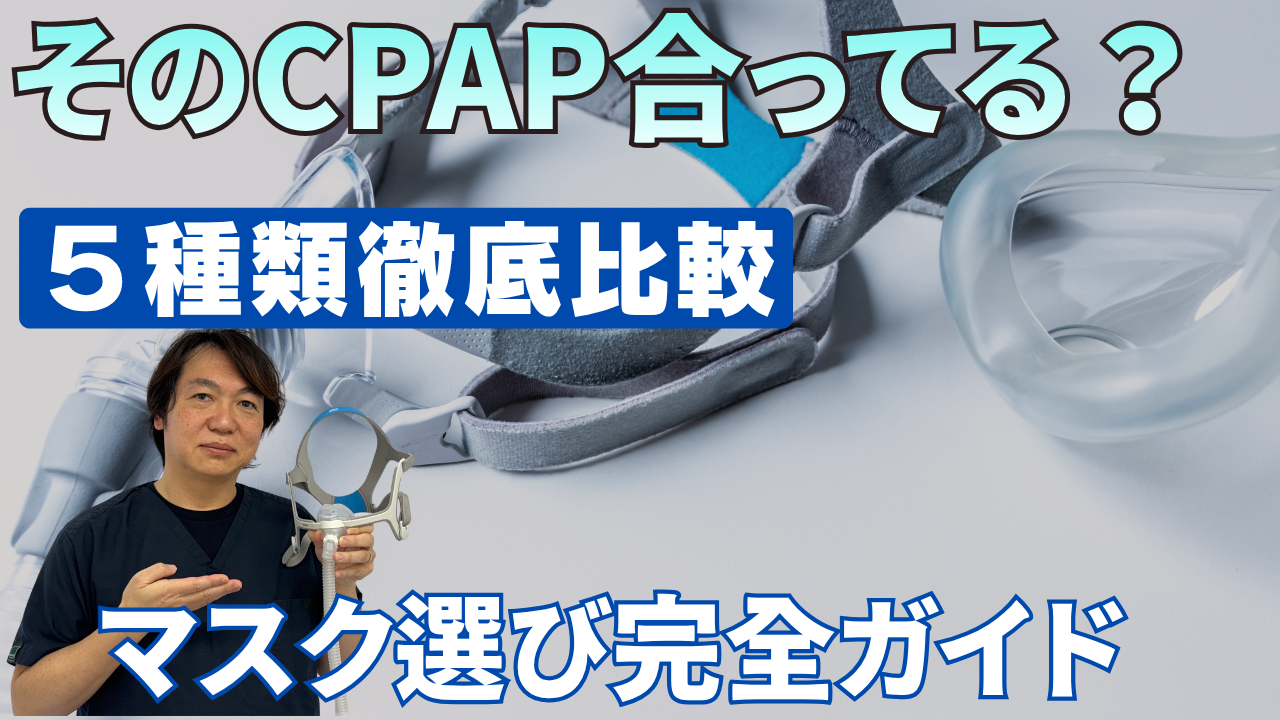
A Complete Comparison of CPAP Masks
We tried on and reviewed five different types of CPAP masks. 90% of CPAP comfort comes down to the mask.
Watch the video
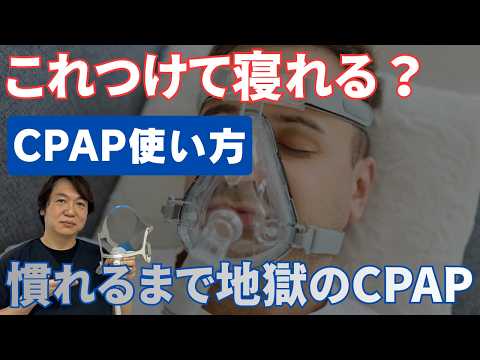
Do you have to use CPAP forever? A specialist explains how to use CPAP
A detailed explanation of how to use CPAP, with a real demonstration of what it feels like to wear the device.
Watch the video
Ueno Snoring Clinic was featured on Fuji TV’s “Live News It!”
Watch our clinic’s examination and explanation of sleep disorders, snoring, and sleep apnea.
Watch the video
Ueno Snoring Clinic was featured in an article on Nippon TV’s “news every.”
Please take a look as a starting point for thinking about getting evaluated for snoring, sleep apnea, or other sleep disorders.
Read the article
Reviewed by Our Director
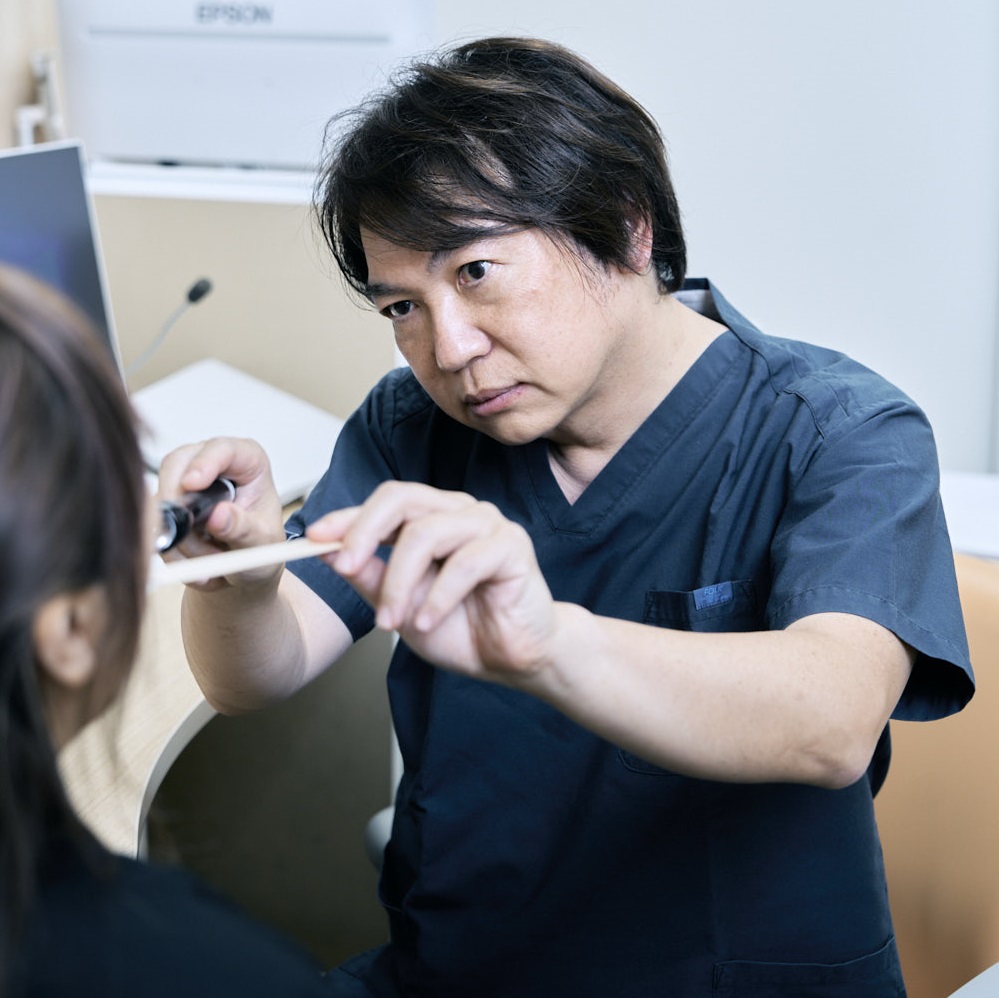
Kazuyuki Sugaya
Director, Ueno Snoring Clinic / Anesthesiologist
Our director, with over 20,000 general anesthesia cases, focuses primarily on the diagnosis and treatment of snoring and sleep apnea, offering care tailored to each patient. [Insurance-Covered] Ueno Snoring Clinic
This article was reviewed by our Director, Kazuyuki Sugaya, and explains accurate medical information about testing and treatment for snoring and sleep apnea syndrome (SAS) in clear, accessible terms.
🩺Comprehensive Snoring Treatment at Ueno Snoring Clinic
Snoring and sleep apnea can stem from throat structure, tongue-base collapse, nasal congestion, obesity, alcohol, sleep environment, and more. Ueno Snoring Clinic doesn’t push a single treatment — we recommend a plan based on your examination and sleep test results.
Insurance-Covered Testing and Ongoing Treatment
- Simplified and PSG testing: Evaluating apnea and oxygen desaturation during sleep
- CPAP treatment: The standard treatment for moderate-to-severe sleep apnea
Self-Pay Options Tailored to Your Condition
- Snoring laser treatment: An option for snoring mainly caused by soft palate vibration
- Medically supervised weight loss: For patients where body weight contributes to airway narrowing
Our director’s book, “Curing Snoring with the Latest Treatments” (No.1 Amazon Bestseller in General Medicine, No.1 in Clinical Internal Medicine, No.2 in Home Medicine & Health) covers this topic in detail as well
New Book by Our Director
“Curing Snoring with the Latest Treatments”
A guide to the latest snoring treatments, written by an anesthesiologist who has overseen the sleep of more than 10,000 patients.
View on Amazon
Quick Answer
Summer heaviness and fatigue aren’t always just heat exhaustion — they can be a sign of sleep apnea syndrome. With sleep apnea, some people notice not strong sleepiness but ongoing fatigue, heaviness, and a drop in energy instead. Tropical nights lower sleep quality and make the effects of snoring and apnea more noticeable. Morning headaches, dry mouth, frequent nighttime urination, loud snoring, and observed breathing pauses are all important warning signs. If air conditioning and hydration alone don’t help, a sleep test is worth considering — and if sleep apnea turns out to be the cause, proper treatment such as CPAP can often improve the fatigue.
📋 What This Article Covers
- What ordinary summer fatigue is, and how sleep apnea can mimic it
- Why summer makes sleep apnea symptoms feel stronger
- How to tell summer fatigue and sleep apnea apart
- Warning signs — including what family members may notice first
- How testing and treatment work, and how CPAP can help
- Common questions, answered
What Is Summer Fatigue?
Generally speaking, “summer fatigue” is an umbrella term for the physical unwellness caused by hot, humid conditions, temperature swings from air conditioning, sweating, dehydration, reduced appetite, and disruption to the autonomic nervous system.
Common symptoms include:
- General heaviness in the body
- Getting tired easily
- Reduced appetite
- Stomach or intestinal discomfort
- Headaches
- Lightheadedness on standing
- Reduced concentration
- Difficulty falling asleep
- Light, shallow sleep
These symptoms closely resemble those caused by sleep apnea syndrome. As a result, sleep apnea can be overlooked while it’s chalked up to “just being tired from the heat.”
Sleep Apnea Can Also Cause “Summer-Fatigue-Like” Symptoms
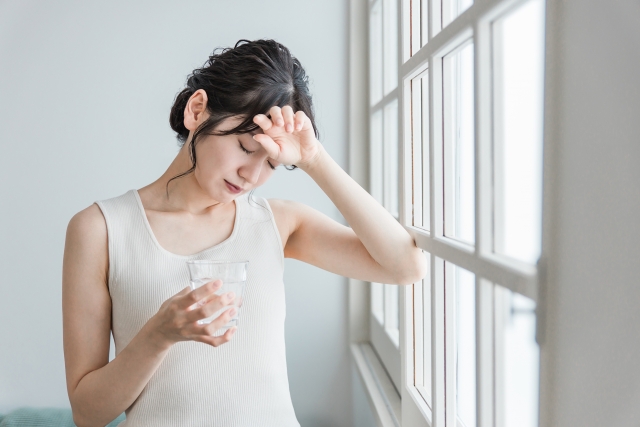
With sleep apnea syndrome, the airway in the throat narrows during sleep, causing repeated pauses or shallow breaths. When breathing stops, blood oxygen drops, and the brain triggers a brief arousal to restart breathing.
Even if you don’t remember waking up, your brain is being disturbed like this many times throughout the night. As a result, even with enough total sleep time, your brain and body can’t fully recover, and the following symptoms can appear the next day:
- Feeling heavy from the moment you wake up
- Not feeling rested even after sleeping
- A foggy head
- Trouble sustaining focus
- More mistakes at work
- Lack of motivation
- Daytime sleepiness
- A tendency toward low mood
Sleep apnea syndrome doesn’t always show up as feeling “sleepy.” Some people describe it only as “not sleepy, but constantly worn out,” “my stamina has dropped,” or “my summer fatigue just won’t go away.”
Important: With sleep apnea syndrome, symptoms may show up not as “sleepiness” but as fatigue, heaviness, or reduced energy. Rather than assuming it’s summer fatigue, it’s worth checking for snoring or breathing pauses as well.
Why Sleep Apnea Symptoms Feel Stronger in Summer
Sleep apnea syndrome occurs year-round. But in summer, tropical nights, sweating, dehydration, alcohol, and general discomfort while sleeping tend to pile up, further worsening sleep quality.
| Summer Factor |
Effect on Sleep and Snoring |
| Tropical nights |
Makes it harder to fall asleep, reducing sleep time and efficiency |
| Sweating / dehydration |
Dries out the mouth and throat, which can make snoring louder |
| More alcohol |
Relaxes throat muscles, making the airway more prone to narrowing |
| Mouth breathing |
Dries the throat and makes structures like the soft palate more prone to vibrating |
| Sleep deprivation |
Adds heat-related fatigue on top of apnea-related sleepiness and exhaustion |
For those who already have sleep apnea syndrome, the added strain of a worse summer sleep environment can make fatigue and sleepiness feel suddenly much stronger.
Telling Summer Fatigue Apart From Sleep Apnea
Symptoms alone can’t fully distinguish summer fatigue from sleep apnea syndrome. That said, the following differences can serve as a useful guide.
| What to Check |
Typical Summer Fatigue |
Sleep Apnea May Be Suspected |
| Snoring |
Not necessarily present |
Loud snoring continues |
| Breathing pauses |
Usually not present |
Family members notice pauses in breathing |
| Morning condition |
Heaviness from heat or dehydration |
Headache, dry mouth, no sense of deep sleep |
| Daytime sleepiness |
May appear when sleep-deprived |
Strong episodes during meetings, driving, or after meals |
| Relation to temperature |
Tends to improve once it cools down |
Fatigue and sleepiness persist even after the season changes |
| Nighttime urination |
Depends on fluid intake |
Waking up to use the bathroom multiple times every night |
In particular, “loud snoring,” “breathing pauses,” “morning headaches,” and “daytime sleepiness” suggest something more than summer fatigue may be involved.
Are You Blaming These Symptoms on “Age” or “the Heat”?
- Feeling tired the instant you wake up
- Long sleep on days off doesn’t help you recover
- Your head feels foggy from the morning
- Falling asleep during meetings
- Unbearable sleepiness after lunch
- Getting drowsy while driving
- Reduced concentration or memory
- Becoming more irritable
- Morning headaches
- A dry mouth or throat on waking
- Multiple trips to the bathroom at night
- Snoring or breathing pauses pointed out by family
These can happen with age, ordinary fatigue, or heat — but they’re also commonly seen with sleep apnea syndrome. Leaving it at “it’s just the summer” for months can mean the fatigue still hasn’t lifted by fall, which is when some people first realize there’s a sleep problem behind it.
What Your Family Notices Matters
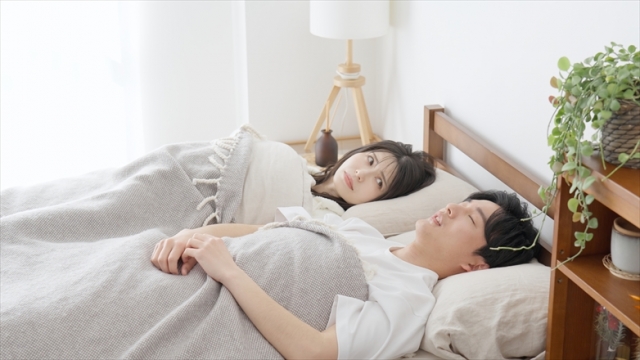
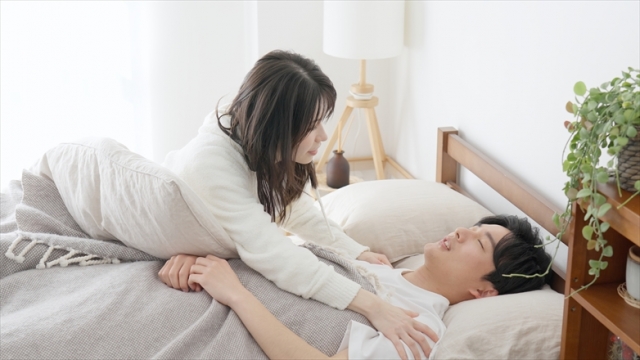
Sleep apnea syndrome happens while you’re asleep, so a partner or family member often notices it before you do. Watch for the following:
- Loud snoring that continues
- Snoring that suddenly stops and goes quiet
- A loud gasp for air after a pause
- Breathing that looks labored
- Heavy night sweats
- Tossing and turning repeatedly
- Sleeping with the mouth open
- Reporting strong fatigue in the morning
If breathing appears to stop partway through snoring, we’d recommend getting a sleep test sooner rather than later.
Be Cautious if Summer-Fatigue Remedies Aren’t Helping
Ordinary summer fatigue can be expected to gradually improve with proper room temperature control, hydration and electrolytes, regular meals, and adequate rest.
But if the following continue, it’s worth considering another cause, such as sleep apnea syndrome:
- You still can’t sleep deeply even with proper air conditioning
- Morning headaches continue despite staying hydrated
- Fatigue doesn’t improve even after eating properly
- You’re still sleepy despite getting enough sleep time
- You feel heavy even on cooler days
- Symptoms continue into the fall
- Your snoring has worsened along with weight gain
- Your blood pressure has gone up
It’s important to check not just how much you’re sleeping, but whether you’re actually breathing properly while you sleep.
Summer Drinking Can Make Apnea Worse
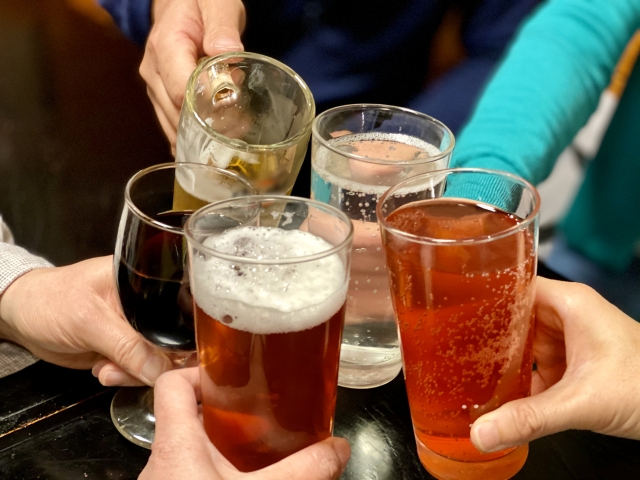
Hot summer weather often means more opportunities for beer or a cold drink. Alcohol relaxes the muscles around the throat.
As a result, the base of the tongue and soft palate are more likely to collapse during sleep, which can worsen snoring and apnea. Alcohol also has a diuretic effect, which can contribute to dehydration and a dry mouth and throat.
The habit of “having a drink to sleep better because I’m tired in summer” may help you fall asleep faster, but it tends to make the second half of the night’s sleep lighter and can worsen apnea.
What Happens When Tropical Nights and Sleep Apnea Combine?
Hot nights are linked to shorter sleep and more nighttime awakenings. Add sleep apnea syndrome on top of that, and you get both heat-related sleep fragmentation and repeated arousals from apnea.
In other words, your brain ends up doubly unable to rest.
| Factor |
Common Effect |
| Heat |
Difficulty falling asleep, nighttime waking, sweating |
| Apnea |
Low oxygen, arousal responses, sympathetic nervous system activation |
| Dehydration / dryness |
Mouth breathing, throat discomfort, worse snoring |
| Alcohol |
Muscle relaxation, airway narrowing, lower quality sleep later in the night |
In this state, morning fatigue and daytime sleepiness can intensify, leaving you feeling like “this summer’s fatigue is especially bad.”
A Sleep Test Can Give You an Answer
The severity of sleep apnea syndrome can’t be accurately judged from symptoms alone. Ueno Snoring Clinic offers insurance-covered simplified sleep testing and PSG testing.
The simplified sleep test is done at home, wearing a small device overnight. It mainly checks:
- Number of apnea/hypopnea episodes per hour
- Blood oxygen levels during sleep
- Changes in pulse rate
- Airflow patterns
- Severity of snoring
- How sleep position affects your breathing
Depending on the results, we may recommend a more detailed PSG test.
If Sleep Apnea Is Found: Treatment Options
Treatment depends on the severity of your apnea, where the airway is narrowing, body weight, nasal congestion, and lifestyle factors.
| Treatment |
Main Role |
| CPAP |
Uses air pressure to keep the airway open during sleep, reducing apnea |
| Lifestyle changes / weight loss |
Addresses contributing factors such as weight, alcohol, and sleep habits |
| Oral appliance |
Holds the lower jaw forward to help keep the airway open |
| Snoring laser treatment |
An option for snoring mainly caused by soft palate vibration |
| Nasal treatment / positional therapy |
Addresses worsening from nasal congestion or sleeping on your back |
CPAP Can Sometimes Improve “Summer-Fatigue-Like” Exhaustion
If fatigue and sleepiness were being caused by sleep apnea syndrome, stabilizing your breathing during sleep with CPAP can improve how you feel.
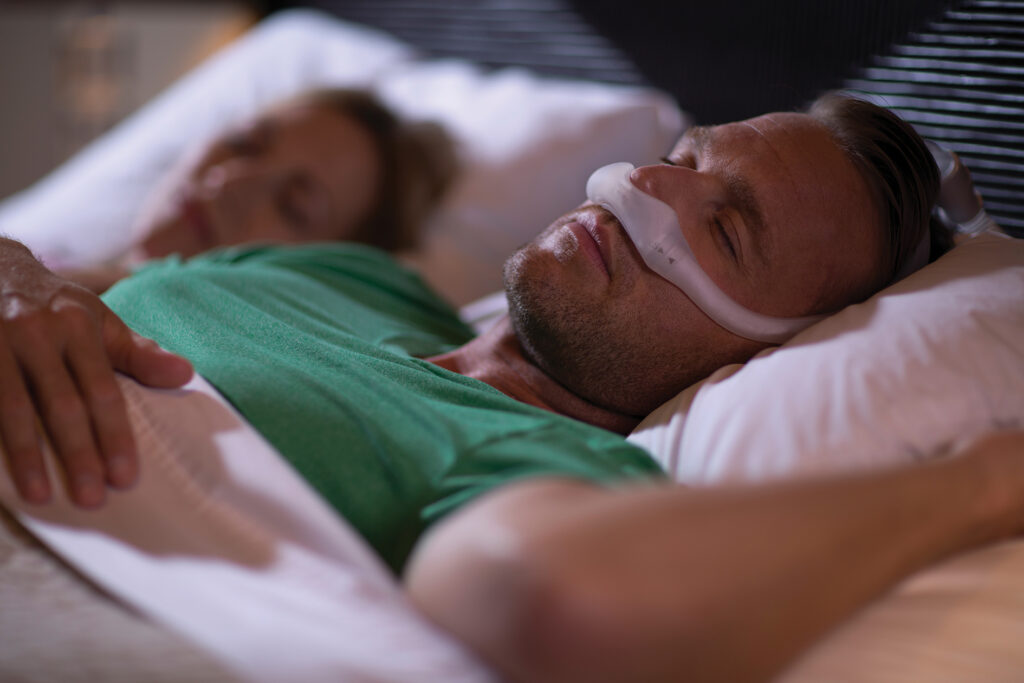
CPAP delivers air through a mask, using air pressure to keep the airway from collapsing. With fewer apnea episodes, less oxygen drop, and fewer arousals, your brain and body get a better chance at consolidated sleep.
As a result, some patients notice changes like:
- Waking up more easily in the morning
- Less physical heaviness
- Lighter daytime sleepiness
- Better focus at work
- Fewer morning headaches
- Less frequent nighttime urination
That said, if fatigue continues even with CPAP use, it’s worth checking other possible factors — usage hours, mask leaks, residual AHI, ongoing sleep deprivation, another sleep disorder, anemia, or thyroid conditions.
For Patients Finding CPAP Follow-Up Visits Difficult
Ueno Snoring Clinic offers online consultations for patients on CPAP treatment. If monthly or every-other-month in-person visits are difficult for you, please ask us whether you qualify for this option.
When Laser Treatment for Snoring May Be an Option
For patients whose main concern is snoring caused by vibration around the soft palate and uvula, laser treatment can be an option.
That said, for moderate-to-severe sleep apnea syndrome, laser treatment alone may not sufficiently improve the apnea. For that reason, if you have strong fatigue or daytime sleepiness, it’s important to check the severity of your apnea with a sleep test first, rather than starting with laser treatment.
Improving Your Summer Sleep Environment Also Matters
Along with testing and treatment for sleep apnea, adjusting your bedroom environment is also important.
- Use air conditioning properly: Don’t over-restrict cooling — keep the room temperature and humidity comfortable enough to sleep well.
- Hydrate before bed: A moderate amount, not a large quantity.
- Avoid a nightcap: Alcohol relaxes throat muscles and can worsen apnea.
- Sleep on your side: If your symptoms worsen lying on your back, side-sleeping may help reduce tongue-base collapse.
- Don’t ignore nasal congestion: Difficulty breathing through the nose tends to worsen mouth breathing and snoring.
- Don’t stop using CPAP: Rather than removing it on your own judgment because of the heat, talk to us about mask fit or humidifier settings.
Please Consult Us Early if Any of These Apply to You
Even if you assume it’s summer fatigue, watch for these signs:
- You’ve been told your snoring is loud
- You’ve been told your breathing stops during sleep
- You feel tired from the moment you wake up
- You have morning headaches
- Your mouth or throat is dry
- You have strong daytime sleepiness
- You get drowsy in meetings or while driving
- You use the bathroom multiple times at night
- You have high blood pressure
- Fatigue doesn’t improve even with enough sleep
- Heaviness continues even after the heat lets up
In particular, if you feel strong sleepiness while driving, please stop driving and consult a medical professional once you’re somewhere safe.
Summary: What Seemed Like Summer Fatigue Could Be Snoring or Sleep Apnea
Summer heaviness and fatigue can genuinely come from heat, sweating, dehydration, or reduced appetite.
But if you have loud snoring or breathing pauses during sleep, that fatigue may actually be caused by sleep apnea syndrome. Because breathing pauses, oxygen drops, and arousals repeat throughout the night, your brain and body may not get to rest even with enough time in bed. This effect tends to be especially pronounced in summer, when tropical nights, alcohol, dehydration, and mouth breathing often pile up together.
“It’s just summer.” “It’s probably my age.” “I’ve just lost stamina.” Even if that’s what it feels like, a treatable case of sleep apnea syndrome could be hiding behind it.
If fatigue doesn’t improve with air conditioning, hydration, and rest, and you also have snoring, breathing pauses, morning headaches, or daytime sleepiness, we’d recommend getting a sleep test.
If Fatigue, Snoring, or Apnea That Feels Like Summer Exhaustion Is Bothering You
Ueno Snoring Clinic offers insurance-covered sleep testing and CPAP management, as well as self-pay laser treatment for snoring. You can start by checking your current condition with an at-home simplified sleep test.
*Fatigue can have many causes. Depending on your symptoms and test results, we may recommend evaluation at another medical institution as well.
References
Frequently Asked Questions
Q. Can summer fatigue and sleep apnea happen at the same time?
A. Yes, they can. When summer fatigue from tropical nights, dehydration, and reduced appetite combines with sleep fragmentation and low oxygen from sleep apnea, fatigue and sleepiness can become even stronger.
Q. Can it be sleep apnea even without feeling sleepy?
A. Yes. With sleep apnea syndrome, some people experience fatigue, heaviness, reduced energy, or poor concentration rather than strong sleepiness.
Q. Will using air conditioning fix my fatigue?
A. If your sleep trouble is caused by heat, it may well improve. But if fatigue, snoring, apnea, or morning headaches continue even at a comfortable room temperature, it’s worth checking for another cause, such as sleep apnea syndrome.
Q. My snoring only gets worse in summer — should I still get tested?
A. If you have loud snoring, breathing pauses, daytime sleepiness, or morning headaches, we’d recommend a sleep test even if it seems seasonal. Summer’s changed conditions may simply be revealing an airway narrowing that was already there.
Q. Will starting CPAP relieve my fatigue right away?
A. Some people notice a change fairly quickly, but the timeline varies from person to person. If you’ve built up significant sleep deprivation, or your CPAP usage hours are limited, improvement may take longer.
Q. What kind of doctor should I see if my fatigue is severe?
A. If it comes with snoring, breathing pauses, morning headaches, or daytime sleepiness, please consult a clinic that treats sleep apnea syndrome. If you also have fever, chest pain, shortness of breath, or significant unexplained weight loss, an evaluation at a general internal medicine practice may be needed as well, since other conditions could be involved.






いびきを最新治療で治す-表紙-1.png)