

Snoring Isn’t Just About Weight | Ueno Snoring Clinic Tokyo
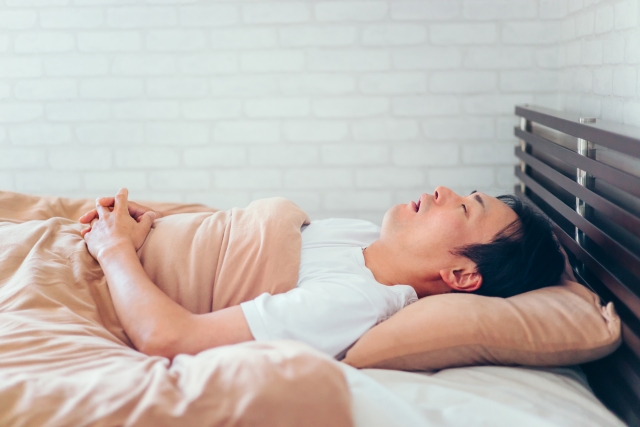
“Why do I snore even though I’m thin?” “I’m well below average weight, but I was told I have sleep apnea.” — We hear questions like these at our clinic more and more each year. The stereotype of “snoring = overweight, middle-aged men” is deeply ingrained, but in reality, snoring in thin women and young people is far from rare. A wide range of factors beyond body type can narrow the airway and cause snoring.
Ueno Snoring Clinic offers a range of options tailored to each patient’s condition, including insurance-covered sleep testing and CPAP management, as well as self-pay laser treatment for snoring. If you’d like to find out which treatment is right for you, please book an initial consultation.
Details of the tests and treatments offered at Ueno Snoring Clinic can be found here


Reviewed by Our Director
Reviewed by Our Director

Kazuyuki Sugaya
Director / Anesthesiologist, Ueno Snoring Clinic
With more than 20,000 general anesthesia cases, our director provides care centered on the diagnosis and treatment of snoring and sleep apnea, tailored to each patient. [Insurance-Covered] Ueno Snoring Clinic
This article has been medically reviewed by Director Kazuyuki Sugaya and explains accurate medical information about testing and treatment for snoring and sleep apnea syndrome (SAS) in plain language.
🩺Comprehensive Snoring Treatment at Ueno Snoring Clinic
The causes of snoring range from throat structure to obesity. Ueno Snoring Clinic is not limited to a single treatment method — we offer a wide range of evidence-based options so we can propose the plan best suited to each patient.
Thorough Testing & Ongoing Treatment (Insurance-Covered)
- Home sleep test / PSG (polysomnography): Precise analysis of your sleep condition
- CPAP therapy: The standard treatment for moderate-to-severe apnea
Self-Pay Treatment for Root-Cause, Short-Term Results
- Latest laser snoring treatment: Incision-free, root-cause treatment
- Medical weight-loss support: Physically opening the airway through weight reduction
*As a clinic specializing in snoring treatment, we are committed to resolving “snoring that won’t stop” through both insurance-covered and self-pay options.
This topic is also covered in detail in our director’s book, “Curing Snoring with the Latest Treatments” (Amazon Japan Best Seller: #1 in General Medicine, #1 in Clinical Internal Medicine, #2 in Home Medical & Health)
いびきを最新治療で治す-表紙-1.png)
New Book by Our Director
“Curing Snoring with the Latest Treatments”
Written by an anesthesiologist who has overseen the sleep of more than 10,000 patients, this book is a modern guide to the latest snoring treatments.
Quick Answer
Yes — snoring is common in thin people too. Weight is only one of many factors that can narrow the airway; jaw structure, tongue size, nasal congestion, soft palate shape, muscle tone, hormonal changes, and age can all cause snoring regardless of body weight. Thin individuals — including women and young people — can also develop sleep apnea syndrome (SAS) when these factors combine, so weight alone should never be used to rule it out.
Table of Contents
The Myth That “Only Overweight People Snore”

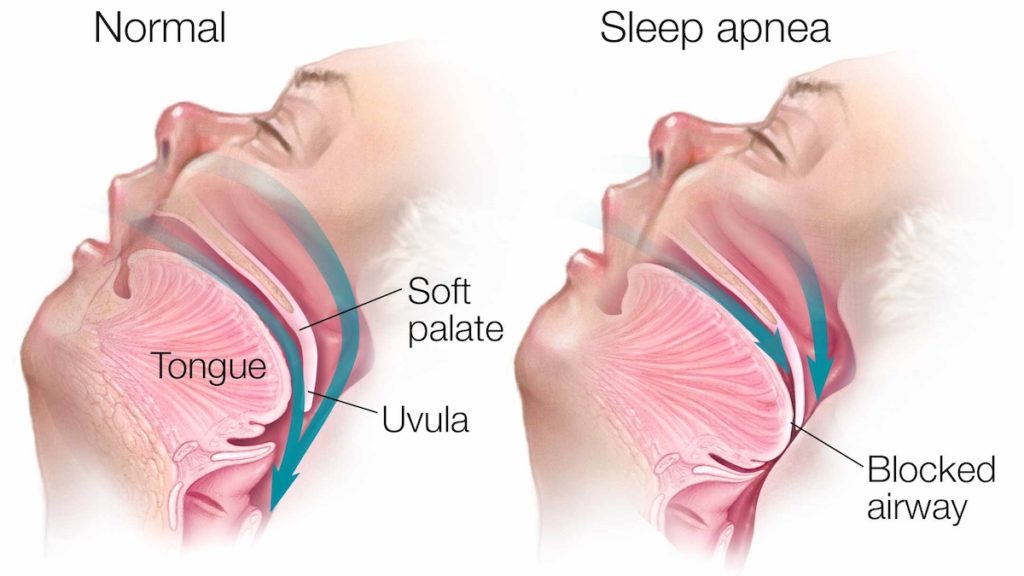
Once you understand the actual mechanism behind snoring, it becomes clear that “obesity = snoring” isn’t a fixed equation. Snoring is, at its core, the sound produced when the airway narrows during sleep and passing air causes the soft palate, tongue base, and surrounding tissue to vibrate.
In obesity, fat around the neck and throat compresses the airway from the outside, which genuinely does raise the risk of snoring. But fat is far from the only factor that narrows the airway. Facial bone structure, the size and position of the tongue, nasal anatomy, mucosal swelling from allergies, and reduced muscle tone can all contribute — completely independent of body weight.
The assumption “I’m thin, so I don’t need to worry” is, in more than a few cases, exactly what delays a proper diagnosis.
7 Reasons Thin People Snore
Below are common factors that cause snoring regardless of body type. It’s also common for several of these to overlap in the same person.
1
Bone Structure and Jaw Shape (Small or Receded Jaw)
When the jaw is small or set further back, the airway has structurally less room to begin with. This is a matter of inherited bone structure, completely unrelated to body weight.
If you have a smaller face or a less pronounced jawline, your airway may simply have less space from the start.
2
Tongue Size and Tongue-Base Collapse
If the tongue is relatively large, or if it falls backward during sleep — a phenomenon called tongue-base collapse — the airway becomes more prone to blockage.
If your snoring is especially severe when sleeping on your back, tongue-base collapse may be involved.
3
Nasal Congestion, Deviated Septum, or Chronic Rhinitis
A blocked nose shifts you toward mouth breathing, making the soft tissue in the mouth more prone to vibration. Allergic rhinitis, chronic rhinitis, a deviated septum, and nasal polyps can all be underlying causes.
4
Soft Palate and Uvula Shape
A longer or thicker soft palate at the back of the throat can narrow the airway more easily. This has more to do with individual constitution and genetics than body type.
5
Reduced Muscle Tone
Alcohol, sleep medication, and excessive fatigue all reduce muscle tension in the throat, making the airway easier to narrow. If your snoring is noticeably worse on nights you drink, this is likely a factor.
6
Hormonal Imbalance
Conditions such as hypothyroidism, or hormonal changes after menopause, can cause swelling of the throat lining and tongue, or reduce muscle tone in the airway.
7
Age-Related Weakening of Throat Muscles
Even without any change in weight, throat muscles naturally weaken with age, which can increase snoring. If you never used to snore but have noticed it increasing recently, this may be worth paying attention to.
Patterns Especially Common in Women and Younger People
Snoring in Thin Women
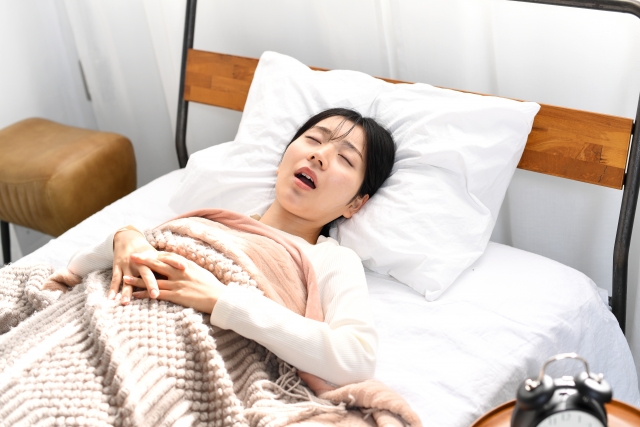
Women tend to delay seeking help for snoring due to embarrassment. Snoring in women can also stem from causes entirely unrelated to body type — a smaller jaw, nasal congestion, and hormonal fluctuations, among others.
Structural factors: A smaller jaw, leaving less room in the airway
Hormonal effects: Premenstrual changes, pregnancy, and menopause can all affect the airway lining
Nasal congestion: Interferes with nasal breathing, leading to mouth breathing and snoring
Reduced sleep quality: Stress and irregular routines can reduce muscle tone
Snoring in Younger People
Snoring can also occur in people in their teens, 20s, and 30s, driven by factors such as mouth breathing, “tech neck” posture, underdeveloped jaw growth, stress, and sleep deprivation.
Can Thin People Develop Sleep Apnea Syndrome?
The answer is yes, absolutely. Sleep apnea syndrome isn’t determined by body weight alone. When factors such as bone structure, tongue size, nasal anatomy, and soft palate shape combine, it can occur even in people with a below-average BMI.
Watch for These Symptoms
- Waking up with a heavy head or a headache
- Daytime sleepiness despite feeling like you got enough sleep
- Waking up frequently during the night
- An increase in nighttime bathroom trips
- Family members telling you your breathing stops
- A sleep app or smartwatch detecting low oxygen levels
Left untreated, SAS is associated with risks including high blood pressure, diabetes, heart disease, and stroke. Even if you’re thin, if you experience any of the symptoms above, we recommend getting tested sooner rather than later.
Self-Check: Are You at Risk?
- You’ve been told your jaw is small or set back
- You have chronic nasal congestion
- You have a habit of breathing through your mouth
- Family or friends have pointed out your snoring
- Your snoring is much worse when lying on your back
- Your snoring gets worse after drinking alcohol
- You often feel sleepy during the day
- Your mouth is dry when you wake up
- You’re a woman who is postmenopausal
- An Apple Watch or smart ring has detected low oxygen levels
If three or more of these apply to you, we recommend a professional sleep evaluation — regardless of your body type.
Treatment Options: Insurance-Covered Care and Self-Pay Laser Treatment
Insurance-Covered Care
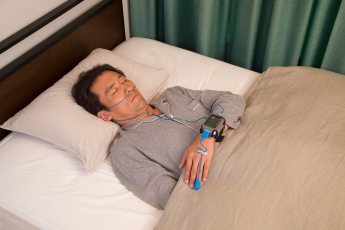
If you’re diagnosed with SAS, CPAP therapy can be started under national health insurance, with the specific approach tailored to severity. Home-based sleep testing and full PSG testing are also available under insurance coverage.
Self-Pay Laser Treatment
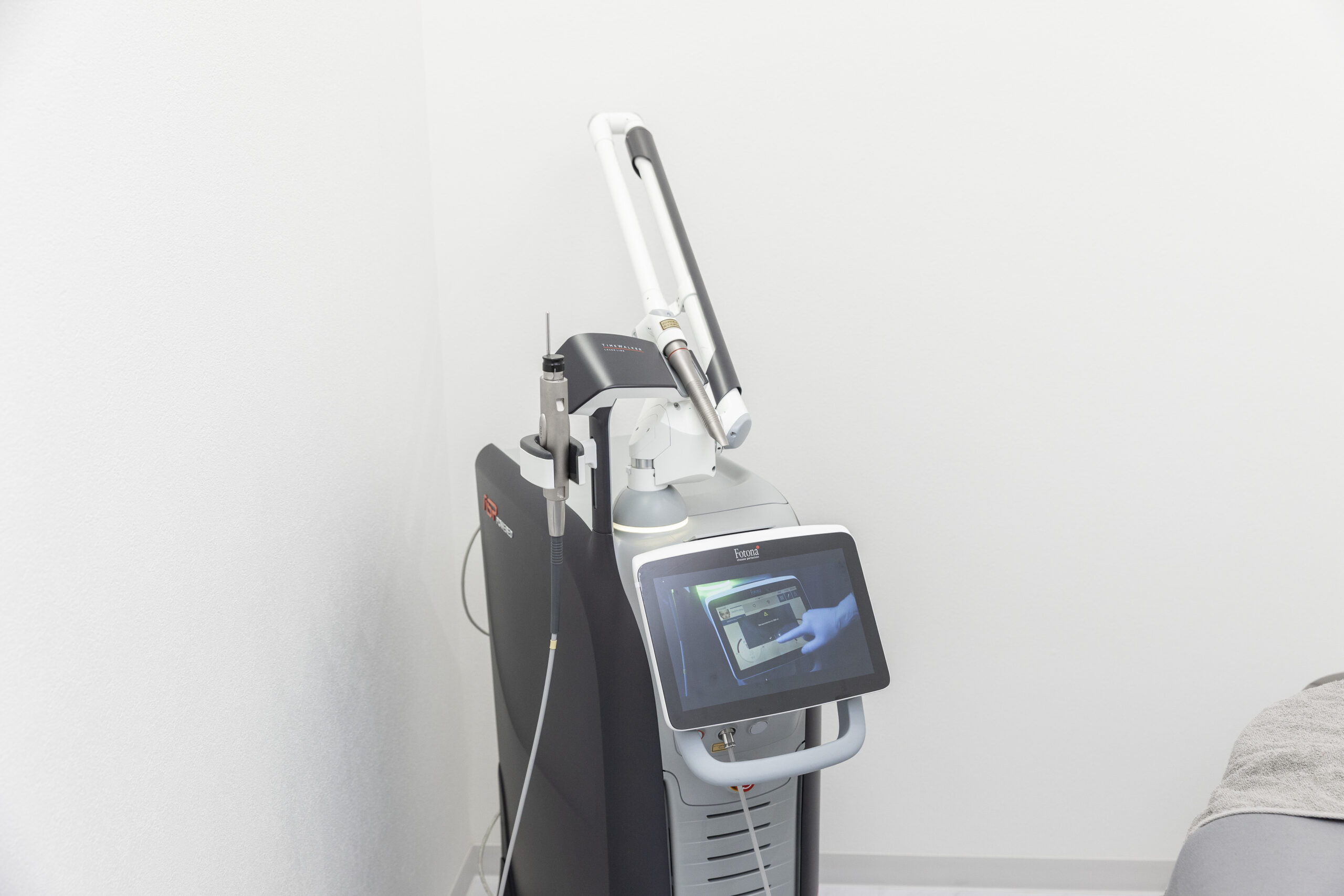
For patients whose snoring doesn’t require CPAP, or who simply want to reduce their snoring specifically, laser treatment targeting the uvula and soft palate is another option.
Laser treatment characteristics: Can be effective for snoring caused by the shape of the soft palate and uvula.
Our director’s expertise: As a board-certified anesthesiologist, our director applies specialized airway-management knowledge to deliver treatment with safety as a top priority.
Medically Reviewed By: Kazuyuki Sugaya
Director of Ueno Snoring Clinic. After more than 20,000 general anesthesia cases as a board-certified anesthesiologist, he opened a sleep specialty outpatient clinic, where he now diagnoses and treats snoring and sleep apnea syndrome. Author of “Curing Snoring with the Latest Treatments.”
This topic is also covered in detail in our director’s book, “Curing Snoring with the Latest Treatments” (Amazon Japan Best Seller: #1 in General Medicine, #1 in Clinical Internal Medicine, #2 in Home Medical & Health)
New Book by Our Director
“Curing Snoring with the Latest Treatments”
Written by an anesthesiologist who has overseen the sleep of more than 10,000 patients, this book is a modern guide to the latest snoring treatments.
Frequently Asked Questions
Snoring Despite Being Thin? We Can Help
Snoring and sleep apnea can be improved with proper diagnosis and treatment, regardless of body type.
Ueno Snoring Clinic offers everything from insurance-covered testing and CPAP therapy to self-pay laser treatment, tailored to your specific underlying cause.
Chat With Us on LINE
0120-899-930
Insurance-covered care available | Ueno, Tokyo | Reach out for an initial consultation
[Insurance-Covered] If you’re concerned about snoring or sleep apnea, we offer a fully appointment-based system for reassuring, unhurried care.
Please feel free to contact Ueno Snoring Clinic [same-day appointments available]
📞0120-899-930
5F Ueno Silk Building, 4-8-8 Ueno, Taito-ku, Tokyo 110-0005, Japan

Please feel free to contact Ueno Snoring Clinic [same-day appointments available]
📞0120-899-930
5F Ueno Silk Building, 4-8-8 Ueno, Taito-ku, Tokyo 110-0005, Japan
Feel free to reach out to us on LINE ↓↓↓


English Support Available
We provide medical services for international patients. Please check our English website for details on how to visit our clinic.
Supervising Physician

Kazuyuki Sugaya, Director of Ueno Snoring Clinic
After graduating from Fujita Health University School of Medicine in 2004, Dr. Sugaya began his career as an anesthesiologist at Toho University Omori Medical Center. He has since gained extensive clinical experience at municipal hospitals and private clinics nationwide, administering general anesthesia in over 20,000 cases. In 2020, he founded the "Tokyo Spine Clinic," and has served as the Director of Ueno Snoring Clinic since 2025.
Related Columns

By Appointment Only
Specialized Snoring Treatment in Ueno
Ueno Snoring Clinic
Insurance-covered home testing available.
Following a physician’s consultation and result explanation,
we support the improvement of snoring and sleep apnea with "Dual Deep Thermia"—a non-surgical laser treatment, if necessary.
3-min walk from Ueno Station. Please feel free to consult us.