

Tongue Fat and Snoring: What Is “Tongue Metabo”? | Ueno Snoring Clinic

To help patients understand this concept, we sometimes use the term “tongue metabo” at our clinic. As fat builds up in the tongue, it becomes larger and heavier, making it more likely to fall backward into the throat during sleep.
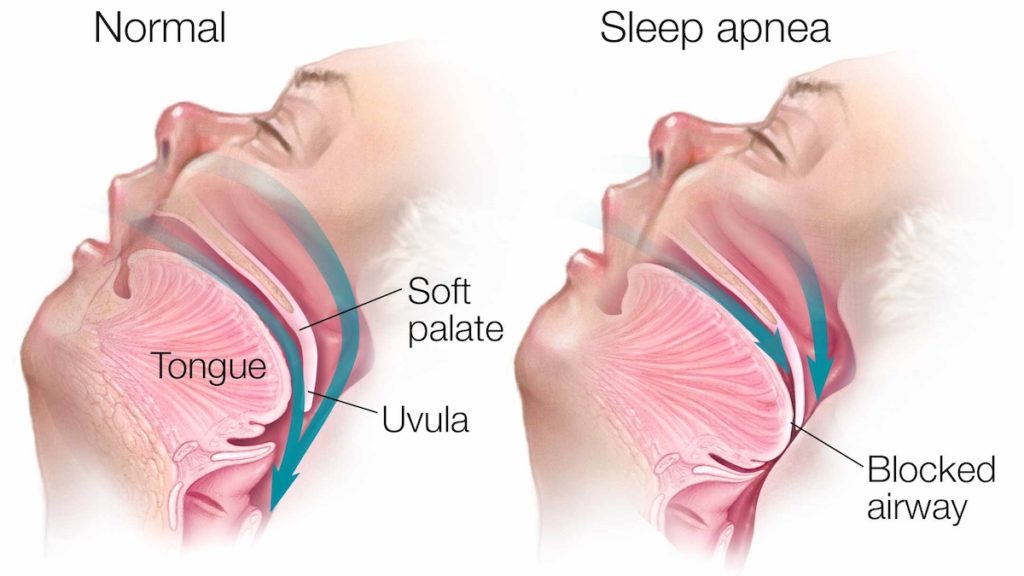
This narrows the upper airway — the passage air travels through — and can become a cause of snoring and obstructive sleep apnea.
Ueno Snoring Clinic offers a range of options tailored to each patient’s condition, including insurance-covered sleep testing and CPAP management, as well as self-pay laser treatment for snoring. If you’d like to find out which treatment is right for you, please book an initial consultation.
Details of the tests and treatments offered at Ueno Snoring Clinic can be found here


Reviewed by Our Director

Kazuyuki Sugaya
Director / Anesthesiologist, Ueno Snoring Clinic
With more than 20,000 general anesthesia cases, our director provides care centered on the diagnosis and treatment of snoring and sleep apnea, tailored to each patient. [Insurance-Covered] Ueno Snoring Clinic
This article has been medically reviewed by Director Kazuyuki Sugaya and explains accurate medical information about testing and treatment for snoring and sleep apnea syndrome (SAS) in plain language.
🩺Comprehensive Snoring Treatment at Ueno Snoring Clinic
The causes of snoring range from throat structure to obesity. Ueno Snoring Clinic is not limited to a single treatment method — we offer a wide range of evidence-based options so we can propose the plan best suited to each patient.
Thorough Testing & Ongoing Treatment (Insurance-Covered)
- Home sleep test / PSG (polysomnography): Precise analysis of your sleep condition
- CPAP therapy: The standard treatment for moderate-to-severe apnea
Self-Pay Treatment for Root-Cause, Short-Term Results
- Latest laser snoring treatment: Incision-free, root-cause treatment
- Medical weight-loss support: Physically opening the airway through weight reduction
*As a clinic specializing in snoring treatment, we are committed to resolving “snoring that won’t stop” through both insurance-covered and self-pay options.
This topic is also covered in detail in our director’s book, “Curing Snoring with the Latest Treatments” (Amazon Japan Best Seller: #1 in General Medicine, #1 in Clinical Internal Medicine, #2 in Home Medical & Health)
いびきを最新治療で治す-表紙-1.png)
New Book by Our Director
“Curing Snoring with the Latest Treatments”
Written by an anesthesiologist who has overseen the sleep of more than 10,000 patients, this book is a modern guide to the latest snoring treatments.
Quick Answer
Yes — fat can accumulate inside the tongue itself, not just around the abdomen. Because the tongue is made of muscle, weight gain can cause fat to build up within and between those muscles, making the tongue larger and heavier. During sleep, when the body’s muscles relax, a heavier tongue is more likely to fall backward into the throat, narrowing the airway and triggering snoring or obstructive sleep apnea (OSA) — a phenomenon sometimes called “tongue metabo.” Research has linked tongue fat to OSA severity, and losing tongue fat through weight loss has been associated with an improved AHI (apnea-hypopnea index). If your snoring has worsened along with weight gain, or a family member has noticed pauses in your breathing, a sleep test can help clarify what’s going on.
What This Article Covers
- What “tongue metabo” means, and how tongue fat differs from abdominal fat
- Why a heavier tongue narrows the airway during sleep
- What research shows about tongue fat and sleep apnea severity
- Who’s at risk beyond people who are overweight
- Symptoms to watch for, including teeth marks on the tongue
- Treatment options, from testing to CPAP to laser therapy
You May Want to Watch for “Tongue Metabo” If…
- Your snoring has gotten louder since you gained weight
- Snoring or breathlessness worsens when you sleep on your back
- A family member or partner has told you your breathing stops
- You don’t feel rested even after waking up
- You experience strong daytime sleepiness
- Your neck circumference has increased
- Your tongue is large, or shows teeth marks along the edges
- You’ve been told you have high blood pressure, diabetes, or high cholesterol
What Is “Tongue Metabo”?
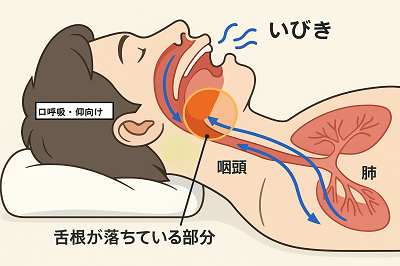
Medically speaking, tongue metabo is closest to an increase in intramuscular tongue fat. The tongue isn’t simply a soft, uniform tissue — it’s made up of multiple muscles. When fat accumulates between and within those muscles, the overall volume of the tongue increases, which can contribute to airway obstruction during sleep.
During the day, while you’re awake, the muscles of the tongue and throat maintain a certain amount of tension, so even if your tongue is somewhat enlarged, you may not notice any effect on your breathing.
During sleep, however, muscles throughout the body relax — including the muscles that support the tongue — making it easier for the tongue to fall backward into the throat. This backward collapse of the base of the tongue is called tongue-base collapse.
When tongue-base collapse occurs, the airway narrows, and the mucous membranes of the throat and soft palate vibrate with each breath. That vibration is what produces snoring.
If the airway becomes significantly narrower — or completely blocked — it can progress to obstructive sleep apnea, in which breathing stops repeatedly during sleep.
Why Tongue Fat Can Make Snoring Worse
Snoring occurs when air is forced through a narrowed passage. As air moves through that narrow space, the surrounding mucous membranes and tissue vibrate — and that vibration is what we hear as snoring.
When fat accumulates in the tongue, the following changes tend to occur:
- The tongue itself becomes larger
- The tongue becomes heavier and more likely to fall backward when lying on your back
- The space at the back of the throat narrows
- Airway resistance increases during sleep
- Snoring and apnea become more likely
In other words, tongue metabo isn’t simply about the tongue getting bigger. By physically narrowing the airway during sleep, it may contribute to snoring and obstructive sleep apnea.
This deserves particular attention if your snoring suddenly got louder after gaining weight, if lying on your back makes breathing feel harder, or if a family member has pointed out that your breathing stops during sleep.
Writing snoring off as “just being tired” or “because I had a drink” can sometimes cause sleep apnea to go unnoticed.
What Research Says About Tongue Fat and Sleep Apnea
The link between obesity and sleep apnea has been recognized for some time. In recent years, however, attention has turned to the idea that tongue fat itself — not just overall body weight or neck fat — may play a distinct role in sleep apnea.
A study published in 2014 found that among patients with obesity and obstructive sleep apnea, the tongue was larger and contained a higher proportion of intramuscular fat compared to patients with obesity but no sleep apnea. In other words, even among people with similar levels of obesity, tongue fat may play a larger role in those who also have sleep apnea.
A 2020 study also reported that among patients with obesity and sleep apnea who lost weight, a reduction in tongue fat was one of the upper-airway tissue changes most strongly associated with improvement in AHI. AHI (apnea-hypopnea index) is a measure of how many apnea and hypopnea events occur per hour of sleep.
Together, these studies suggest that when sleep apnea improves with weight loss, part of the reason may be a reduction in tongue fat — not only a reduction in abdominal or neck fat.
Not Just an Issue for People Who Are Overweight
While tongue metabo tends to occur in people with obesity, snoring and sleep apnea aren’t determined by body weight alone. Even people who are slim can experience a narrowed airway during sleep due to jaw shape, nasal congestion, enlarged tonsils, or age-related muscle weakening.
For example, the following factors can also be involved in snoring and sleep apnea:
- A small or recessed lower jaw
- A short neck or larger neck circumference
- Enlarged tonsils
- Nasal congestion from rhinitis, hay fever, or sinusitis
- A tendency to breathe through the mouth
- Age-related weakening of the throat muscles
- Alcohol, which relaxes the muscles during sleep
- Use of sleeping pills or sedative medications
In other words, tongue metabo is one important factor, but it isn’t necessarily the only cause. The reasons behind snoring vary from person to person. That’s why it’s important not to judge based on body type alone, but to evaluate each case comprehensively based on symptoms and test results.
Symptoms Commonly Associated With Tongue Metabo
When tongue metabo or tongue-base collapse is involved, the following symptoms can appear:
- Loud snoring
- Snoring worsens when sleeping on your back
- Sleeping on your side brings some relief
- Breathing stops during sleep
- Waking up feeling breathless during the night
- A dry mouth upon waking
- Morning headaches
- Not feeling well-rested
- Daytime sleepiness
- Reduced concentration
- Feeling drowsy at work or while driving
- Frequent nighttime urination
- High blood pressure
In particular, if a family member or partner tells you that your snoring has suddenly gotten louder, or that your breathing stops while you sleep, this may not be ordinary snoring — it could be a sign of sleep apnea.
Teeth Marks on the Tongue — A Warning Sign?
During an examination, we sometimes see patients whose tongues show indentations, or teeth marks, along the sides. This can reflect the tongue being pressed against the teeth, and tends to appear in people with a larger tongue, limited space within the mouth, or tissue swelling.
Of course, having teeth marks on your tongue doesn’t automatically mean you have sleep apnea. But when it’s accompanied by snoring, daytime sleepiness, being told your breathing stops, or morning fatigue, it can be a sign of a body type prone to airway narrowing — and worth paying attention to.
Will Losing Weight Cure Snoring?
When weight gain is a contributing factor to snoring or sleep apnea, losing weight can improve symptoms, since it can reduce fat around the neck, throat, and tongue and potentially widen the airway.
That said, losing weight doesn’t guarantee a cure. Sleep apnea involves multiple factors beyond tongue fat, including jaw structure, nasal congestion, enlarged tonsils, age, alcohol use, and sleeping position.
For some people, weight loss alone brings sufficient improvement. For others, a combination of CPAP therapy, an oral appliance, nasal treatment, and lifestyle changes works better.
Rather than assuming on your own that losing weight will solve the problem, the first step is to determine whether you have sleep apnea and, if so, how severe it is.
Approaches to Managing Tongue Metabo
If tongue metabo is suspected, there’s no single fix. Depending on the cause and severity, it’s often necessary to combine multiple approaches.
1. Start With a Sleep Apnea Test
If you snore heavily, have been told your breathing stops, or experience daytime sleepiness, it’s important to start with a sleep apnea test. Testing checks your breathing patterns, oxygen levels, and the number of apnea and hypopnea events during sleep. Your AHI score provides a general indication of whether your condition is mild, moderate, or severe.
Even people who assumed they only had ordinary snoring sometimes turn out to have moderate or severe sleep apnea.
2. Weight Loss and Obesity Treatment
When weight gain is a contributing factor, weight loss plays a major role. The basics include reviewing your diet, building an exercise habit, getting enough sleep, and moderating alcohol intake.
When medically appropriate, obesity treatment under a physician’s supervision may also be considered. In recent years, weight-management medications — including GLP-1 receptor agonists and GIP/GLP-1 receptor agonists — have received a lot of attention, but these require careful judgment regarding side effects and suitability for each patient.
Using these medications casually based on social media trends, or through online consultations without an adequate medical evaluation, can be risky. They should only be used after a proper assessment of your medical history, current medications, and risks such as pancreatitis or gallstones, along with any gastrointestinal symptoms.
3. CPAP Therapy
For moderate-to-severe sleep apnea, CPAP therapy is one of the standard treatments. CPAP delivers air through the nose during sleep to keep a narrowed airway open. Even in patients with significant tongue-base collapse, CPAP can help improve apnea and low oxygen levels by maintaining an open airway. For those with high blood pressure or daytime sleepiness, it’s also an important treatment for improving sleep quality.
4. Laser Snoring Treatment
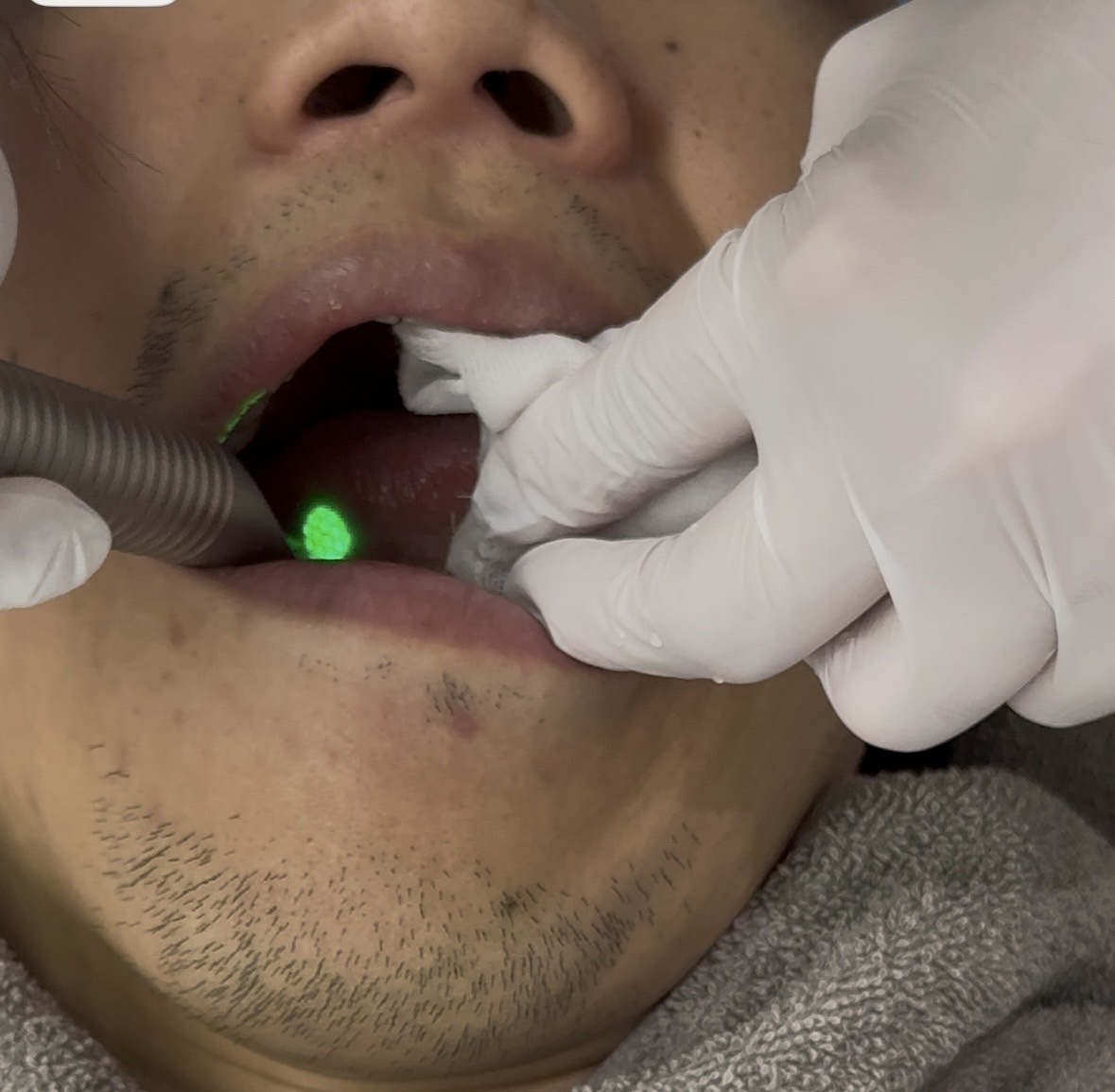
For mild-to-moderate sleep apnea, or for patients who don’t tolerate CPAP well, laser treatment may be an option. By applying laser energy not only to the soft palate but also to the base of the tongue, a tightening effect can be achieved that helps prevent tongue-base collapse and airway narrowing.
That said, this treatment isn’t suitable for everyone, so it’s important to have a specialist assess whether it’s the right fit for you.
5. Treating Rhinitis, Hay Fever, and Nasal Congestion
Nasal congestion makes mouth breathing more likely during sleep. Mouth breathing, in turn, makes it easier for the lower jaw and tongue to fall backward, which can worsen snoring. For patients with hay fever, allergic rhinitis, or sinusitis, improving nasal airflow is also an important part of managing snoring.
At Ueno Snoring Clinic, we evaluate the airway as a whole — including rhinitis and hay fever — rather than focusing on snoring and sleep apnea alone.
6. Alcohol, Sleep Position, and Lifestyle
Alcohol relaxes the muscles during sleep, which is why snoring often worsens — and apnea events can increase — after drinking. Drinking right before bed, in particular, can make tongue-base collapse worse.
Lying on your back also makes it easier for gravity to pull the tongue backward. Some people find that sleeping on their side reduces snoring, but if sleep apnea is present, changing position alone may not be enough to fully resolve it.
What Happens If Tongue Metabo Goes Untreated?
Snoring is often dismissed as merely a noise problem. But when sleep apnea underlies the snoring, the body experiences repeated oxygen shortages throughout the night, placing significant strain on the body.
Leaving sleep apnea untreated may be associated with the following risks:
- High blood pressure
- Irregular heartbeat (arrhythmia)
- Heart attack
- Stroke
- Diabetes
- Traffic accidents or reduced work performance due to daytime sleepiness
- Declining concentration and memory
Behind the simple complaint of “loud snoring” may lie hidden risks to your overall health. That’s exactly why it’s important for anyone with ongoing snoring, a family member’s report of apnea, or persistent morning fatigue to get tested sooner rather than later.
What Ueno Snoring Clinic Offers
At Ueno Snoring Clinic, we don’t assume a single cause for snoring or sleep apnea — we evaluate multiple contributing factors comprehensively.
- Sleep apnea testing
- CPAP therapy
- Consultations for laser snoring treatment
- Consultations for weight loss and obesity treatment
- Treatment for rhinitis, hay fever, and nasal congestion
- Advice on lifestyle habits and sleep position
Even in patients where tongue metabo is suspected, nasal congestion, jaw shape, tonsil size, and drinking habits often play a combined role. That’s why it’s important to base each patient’s treatment plan on their individual test results and symptoms.
Concerned About Snoring or Sleep Apnea? Talk to Ueno Snoring Clinic
“My snoring got worse after I gained weight.” “My family told me my breathing stops while I sleep.” “I’m concerned about tongue metabo.” “I don’t feel rested even after I wake up.”
If any of this sounds familiar, we recommend getting tested for sleep apnea. Snoring isn’t just a noise problem — it may be a sign of a breathing disorder during sleep.
Summary
- Fat can build up in the tongue, not just the abdomen
- More tongue fat tends to make the tongue larger and heavier
- When the tongue falls backward into the throat during sleep, it can cause snoring and apnea
- Research has reported a link between tongue fat and obstructive sleep apnea
- Losing tongue fat through weight loss may be associated with an improved AHI
- That said, snoring isn’t caused by obesity alone — jaw structure, the nose, tonsils, age, and alcohol use are also involved
- If you snore heavily or have been told your breathing stops, early testing is important
“Tongue metabo” isn’t a formal medical term, but it’s a helpful way to describe this mechanism to patients. Changes around the tongue and throat — not just abdominal fat — play a significant role in breathing during sleep.
If you’re concerned about snoring, if your sleep quality declined after gaining weight, or if you’ve been told your breathing stops, don’t leave it unaddressed — get a professional evaluation.
References
- Kim AM, et al. Tongue Fat and its Relationship to Obstructive Sleep Apnea. Sleep. 2014.
- Wang SH, et al. Effect of Weight Loss on Upper Airway Anatomy and the Apnea-Hypopnea Index. American Journal of Respiratory and Critical Care Medicine. 2020.
- National Heart, Lung, and Blood Institute. Losing tongue fat might help reduce severity of sleep apnea.
Frequently Asked Questions
[Insurance-Covered] If you’re concerned about snoring or sleep apnea, we offer a fully appointment-based system for reassuring, unhurried care.
Please feel free to contact Ueno Snoring Clinic [same-day appointments available]
📞0120-899-930
5F Ueno Silk Building, 4-8-8 Ueno, Taito-ku, Tokyo 110-0005, Japan

Please feel free to contact Ueno Snoring Clinic [same-day appointments available]
📞0120-899-930
5F Ueno Silk Building, 4-8-8 Ueno, Taito-ku, Tokyo 110-0005, Japan
Feel free to reach out to us on LINE ↓↓↓


English Support Available
We provide medical services for international patients. Please check our English website for details on how to visit our clinic.
Supervising Physician

Kazuyuki Sugaya, Director of Ueno Snoring Clinic
After graduating from Fujita Health University School of Medicine in 2004, Dr. Sugaya began his career as an anesthesiologist at Toho University Omori Medical Center. He has since gained extensive clinical experience at municipal hospitals and private clinics nationwide, administering general anesthesia in over 20,000 cases. In 2020, he founded the "Tokyo Spine Clinic," and has served as the Director of Ueno Snoring Clinic since 2025.
Related Columns




By Appointment Only
Specialized Snoring Treatment in Ueno
Ueno Snoring Clinic
Insurance-covered home testing available.
Following a physician’s consultation and result explanation,
we support the improvement of snoring and sleep apnea with "Dual Deep Thermia"—a non-surgical laser treatment, if necessary.
3-min walk from Ueno Station. Please feel free to consult us.