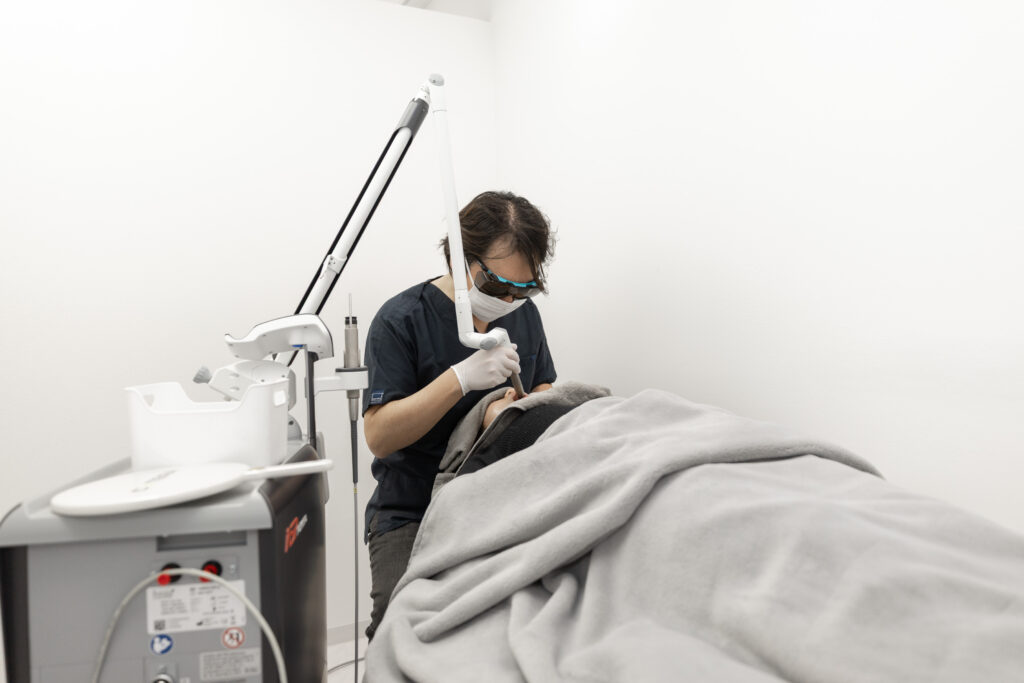
Ueno Snoring Clinic offers insurance-covered sleep apnea testing and CPAP management — including for patients managing conditions such as diabetes — as well as self-pay laser treatment for snoring.
Details of the tests and treatments offered at Ueno Snoring Clinic can be found here
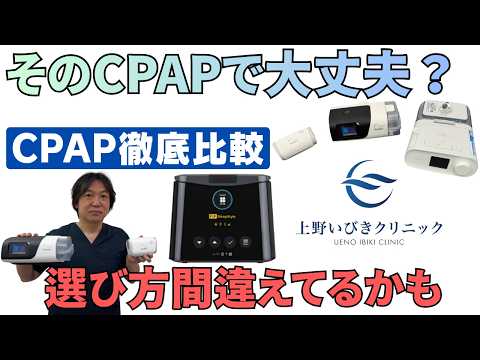
You’ll Want to Know This! A Complete Comparison of 5 CPAP Types — What Doctors Really Look For
Our doctor compares five different CPAP machines side by side and explains what actually matters when choosing one.
Watch the video
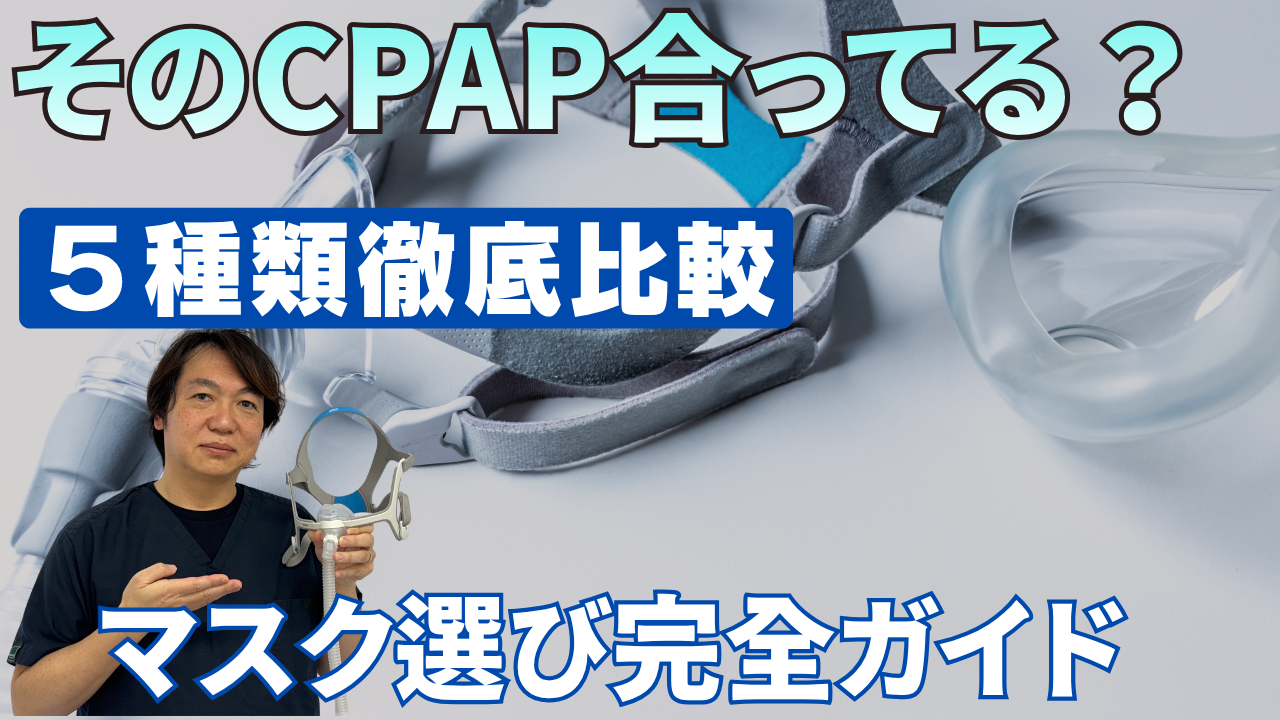
A Complete Comparison of CPAP Masks
We tried on and reviewed five different types of CPAP masks. 90% of CPAP comfort comes down to the mask.
Watch the video
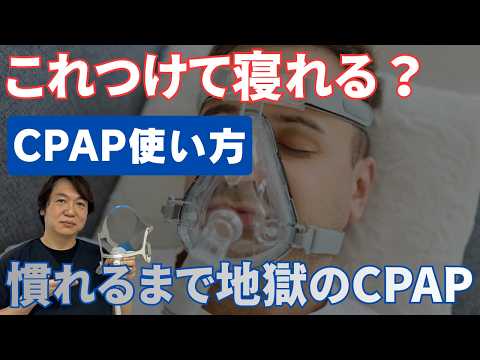
Do you have to use CPAP forever? A specialist explains how to use CPAP
A detailed explanation of how to use CPAP, with a real demonstration of what it feels like to wear the device.
Watch the video
Ueno Snoring Clinic was featured on Fuji TV’s “Live News It!” and on FNN Prime Online
Watch our clinic’s examination and explanation of sleep disorders, snoring, and sleep apnea.
Watch the video
Ueno Snoring Clinic was featured in an article on Nippon TV’s “news every.”
Please take a look as a starting point for thinking about getting evaluated for snoring, sleep apnea, or other sleep disorders.
Read the article
Reviewed by Our Director
Kazuyuki Sugaya
Director, Ueno Snoring Clinic / Anesthesiologist
Our director, with over 20,000 general anesthesia cases, focuses primarily on the diagnosis and treatment of snoring and sleep apnea, offering care tailored to each patient. [Insurance-Covered] Ueno Snoring Clinic
This article was reviewed by our Director, Kazuyuki Sugaya, and explains the relationship between sleep apnea syndrome and diabetes and blood sugar, the effects of CPAP treatment on blood sugar control, and what GLP-1 medications mean for both conditions.
🩺Comprehensive Snoring Treatment at Ueno Snoring Clinic
Ueno Snoring Clinic also provides sleep apnea testing and CPAP treatment for patients managing lifestyle-related conditions such as diabetes, proposing the right approach while taking your overall health into account.
Insurance-Covered: Thorough Testing and Ongoing Treatment
- Simplified and PSG testing: An objective assessment of your apnea severity
- CPAP treatment: The standard treatment for moderate-to-severe apnea
Self-Pay: Address the Root Cause, Short-Term Focus
- Snoring laser treatment: Available in 3-, 6-, or 12-session courses
- Medically supervised weight loss: An option when excess weight is a contributing factor
*Medication for diabetes itself (insulin, GLP-1 drugs, etc.) is generally managed in coordination with your regular diabetes or endocrinology physician.
Our Director’s book, “Curing Snoring with the Latest Treatments” (an Amazon Japan bestseller — #1 in General Medicine, #1 in Clinical Internal Medicine, #2 in Family Health & Wellness), also covers this topic in more detail.
New Book by Our Director
“Curing Snoring with the Latest Treatments”
A guide to the latest snoring treatments, written by an anesthesiologist who has overseen the sleep of more than 10,000 patients.
View on Amazon
Quick Answer
Sleep apnea syndrome raises insulin resistance through intermittent oxygen drops during sleep, sympathetic nervous system overactivation, and fragmented sleep, contributing to the onset and worsening of diabetes. The two conditions have a bidirectional relationship in which each can worsen the other, and this risk is especially pronounced when obesity is also present. Continued CPAP use has been shown to help — in particular, using it 7 or more hours a night has been linked to greater improvement in HbA1c — and can be one part of better blood sugar control. Tirzepatide (Mounjaro), which acts on GLP-1 and GIP receptors, has also shown significant AHI improvement in clinical trials among obese patients with sleep apnea. However, that trial excluded people with diabetes, so it should not be oversimplified as “a drug that treats both sleep apnea and diabetes at once” — this is an important nuance to keep in mind.
📋 What This Article Covers
- Why sleep apnea syndrome and diabetes are connected
- The specific effects on blood sugar and insulin resistance
- Whether CPAP treatment improves blood sugar control
- Whether GLP-1 / tirzepatide (Mounjaro) helps both sleep apnea and diabetes
Why Are Sleep Apnea Syndrome and Diabetes Connected?
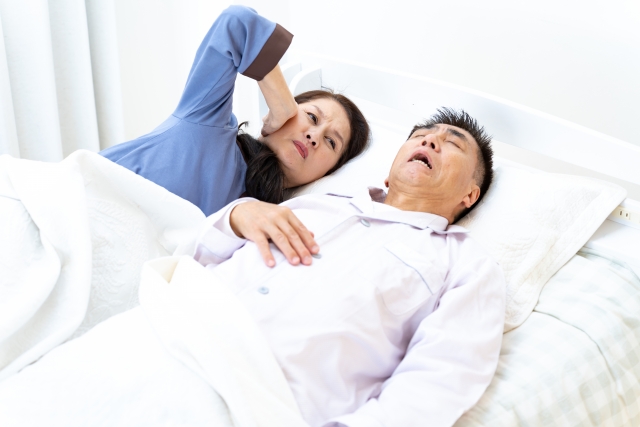
Sleep apnea syndrome and diabetes aren’t linked simply because “both conditions are common in people who are overweight.” Research has shown that sleep apnea itself creates the kind of internal environment that makes blood sugar easier to raise.
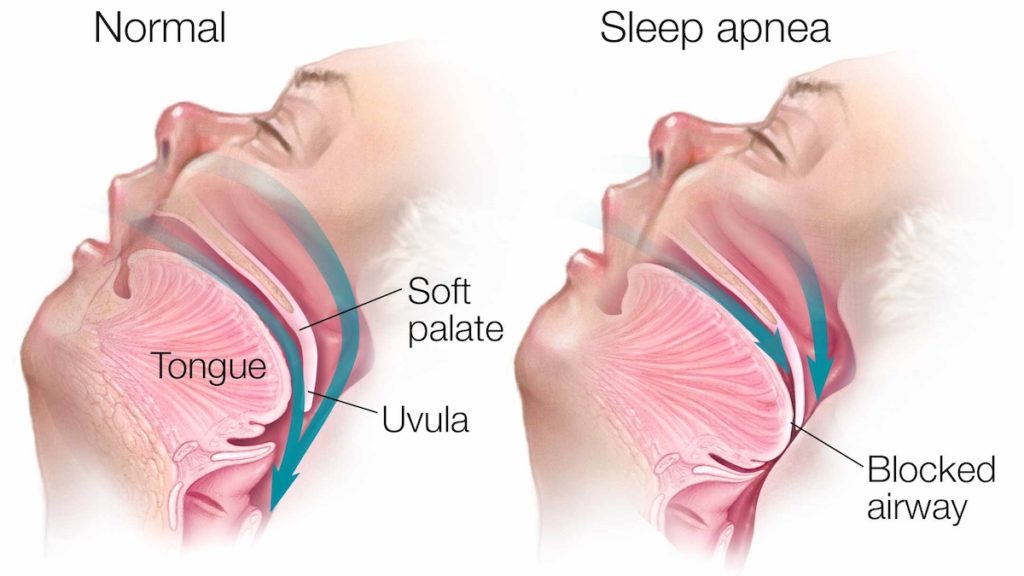
When breathing repeatedly stops or weakens during sleep, the body cycles through intermittent low-oxygen states, and the brain briefly wakes each time. This “intermittent hypoxia” and the resulting sleep fragmentation affect blood sugar regulation in the following ways.
Sleep apnea syndrome and diabetes have a bidirectional relationship — each can make the other worse.
Sleep apnea doesn’t just raise diabetes risk; diabetes-related nerve damage and obesity can also worsen sleep apnea in turn.
The Specific Effects on Blood Sugar and Insulin Resistance

There are three main pathways through which sleep apnea affects blood sugar.
| Pathway |
Effect on Blood Sugar |
| Intermittent hypoxia |
The stress of low oxygen activates the sympathetic nervous system, prompting the release of blood-sugar-raising hormones such as adrenaline and cortisol |
| Sympathetic overactivation |
Triggers insulin resistance, meaning the same amount of insulin becomes less effective at lowering blood sugar |
| Fragmented, poor-quality sleep |
Further complicates blood sugar control through heightened stress responses and disrupted appetite-regulating hormones |
This vicious cycle pushes the pancreas to secrete more insulin, yet it becomes progressively less able to bring blood sugar down sufficiently. The more severe the apnea (as measured by AHI), the greater this effect tends to be.
Does CPAP Treatment Improve Blood Sugar Control?
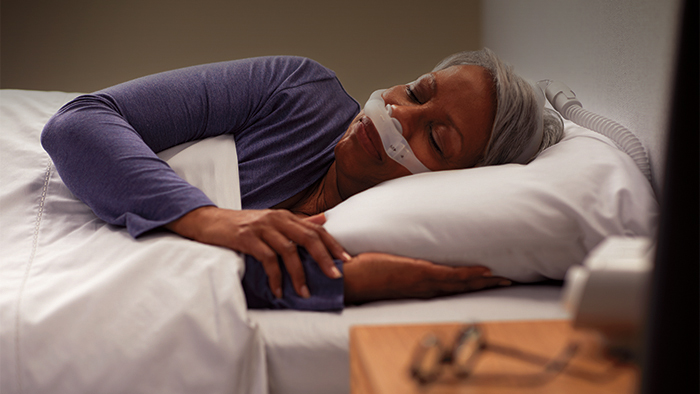
So does treating apnea with CPAP also improve blood sugar? Multiple studies have reported that CPAP treatment improves HbA1c in patients with type 2 diabetes.
| Usage Pattern |
Reported Effect |
| About 1 week of use |
Some reports show improvement in 24-hour average blood glucose |
| 3–5 months of continued use |
HbA1c drops by an average of about 0.2–0.3%, with larger improvements in those who started with higher blood sugar |
| 7+ hours of use per night |
Greater HbA1c improvement reported compared with less than 4 hours of nightly use |
What matters is that CPAP alone won’t cure diabetes — it’s just one part of overall blood sugar management. Getting the benefit requires consistent, ongoing use, and the effect fades if you stop. For more on how much nightly use actually matters, see our related article, Still Sleepy on CPAP? 7 Possible Reasons Why.
Does GLP-1 / Tirzepatide (Mounjaro) Help Both Sleep Apnea and Diabetes?
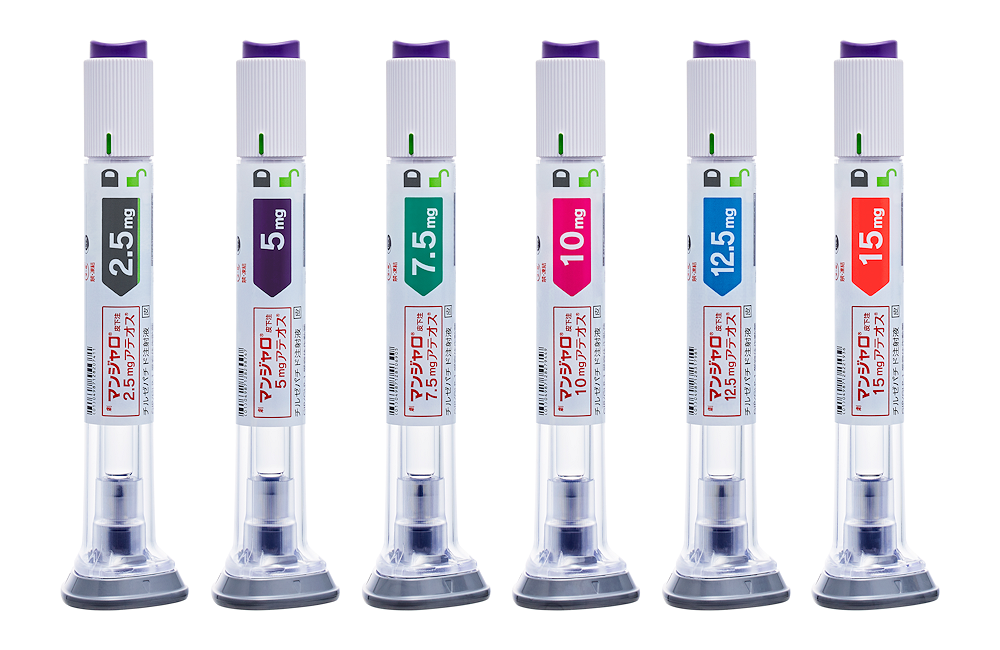
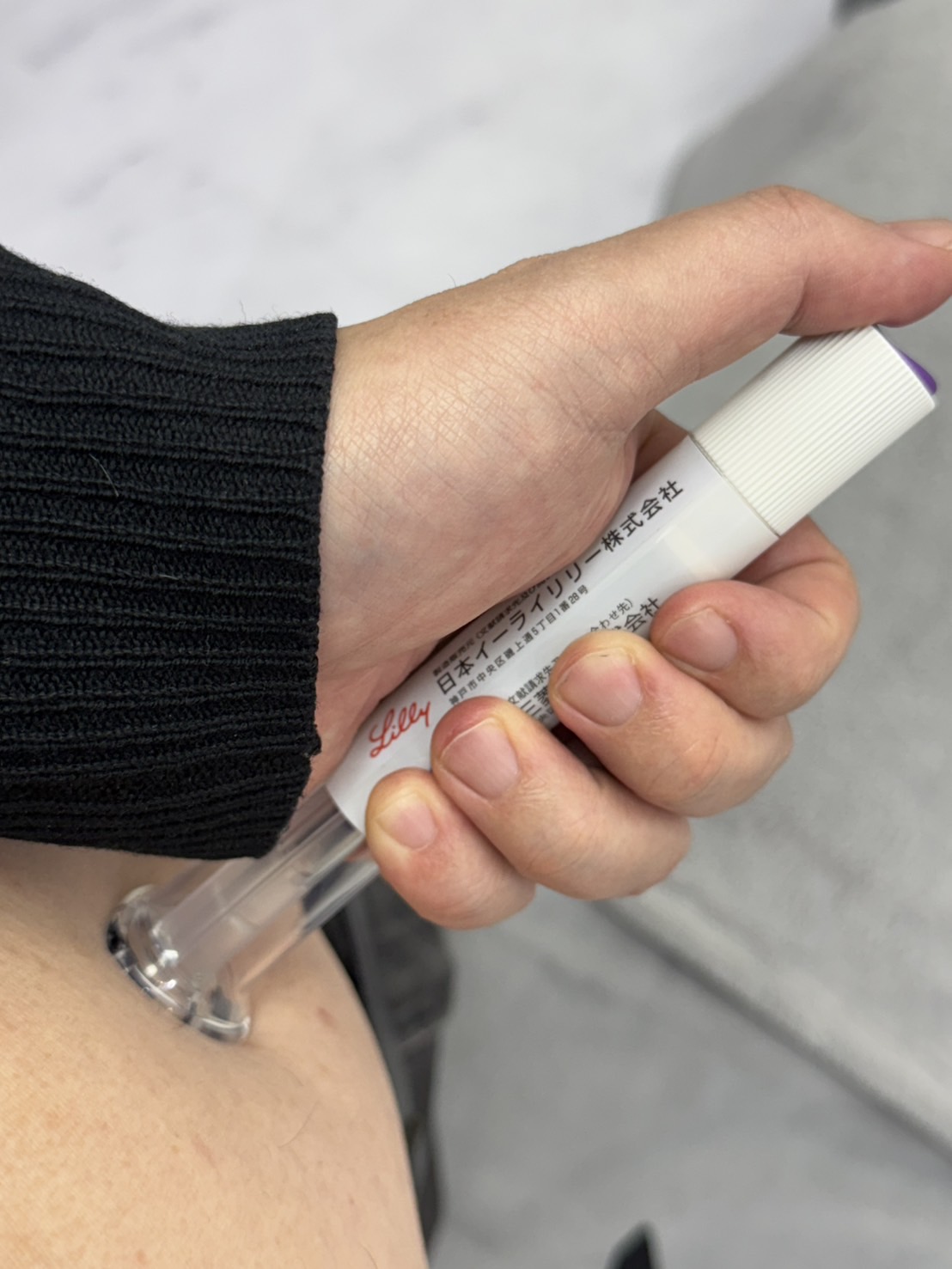
In recent years, tirzepatide (brand name in Japan: Mounjaro), which acts on both GLP-1 and GIP receptors, has drawn attention for its effect on sleep apnea in people with obesity. In a large U.S. clinical trial (the SURMOUNT-OSA trial), tirzepatide significantly improved AHI in patients with obesity and moderate-to-severe obstructive sleep apnea (reported reductions of roughly 30% in the group not using other apnea treatment, and roughly 66% in the group also using CPAP, depending on the specific outcome measured).
The same trial also found substantial improvements, compared with placebo, in fasting insulin and a marker of insulin resistance (HOMA-IR) — suggesting the drug may have positive metabolic effects as well, likely mediated through weight loss.
One important point we want to be precise about: the SURMOUNT-OSA trial excluded people with diabetes from participation.
This means the simple conclusion “a medication that treats both sleep apnea and diabetes at the same time” doesn’t hold up. Tirzepatide was originally approved as a treatment for type 2 diabetes, and its effectiveness for diabetes itself is well established separately — but this particular large-scale trial does not directly demonstrate its effect in people who have both sleep apnea and diabetes, and that distinction matters.
For more on how Mounjaro is thought to improve snoring and sleep apnea, and on the FDA’s December 2024 approval of tirzepatide for obstructive sleep apnea with obesity, see our related article, Mounjaro & Snoring: Does GLP-1 Weight Loss Help Sleep Apnea? As with any GLP-1 medication — including for diabetes treatment — this should always be used under a doctor’s supervision, never on your own judgment.
What We Offer at Ueno Snoring Clinic
Ueno Snoring Clinic is a sleep medicine clinic specializing in snoring and sleep apnea syndrome. We also provide sleep apnea testing and CPAP treatment for patients managing lifestyle-related conditions such as diabetes, coordinating as needed with your regular diabetes or endocrinology physician.
If your blood sugar won’t stabilize, or you’ve been told you have both diabetes and snoring, please feel free to talk to us.
In Summary: Sleep Apnea and Diabetes Both Deserve Attention — Not Just One
Sleep apnea syndrome and diabetes worsen each other through intermittent low oxygen, sympathetic overactivation, and poor sleep quality. Continued CPAP use has been reported to help improve blood sugar control, and GLP-1 medications like tirzepatide have shown substantial benefits for sleep apnea in people with obesity.
That said, GLP-1 medications shouldn’t be oversimplified as “a drug that cures sleep apnea and diabetes at once.” It’s important to have each condition properly evaluated and to decide on a treatment plan together with your doctor.
Concerned About Your Blood Sugar? We’re Also Here to Help With Snoring and Sleep Apnea
We provide sleep apnea testing and CPAP treatment for patients managing lifestyle-related conditions as well.
Frequently Asked Questions
Q. Does everyone who snores end up developing diabetes?
A. Not necessarily. But ongoing apnea can raise insulin resistance, and diabetes risk tends to increase further when obesity is also present. If you’re concerned, we’d recommend getting tested.
Q. Will using CPAP lower my blood sugar?
A. Continued use has been reported to improve HbA1c, but results vary between individuals, and it doesn’t cure diabetes on its own. It’s best treated as one part of overall blood sugar management, alongside diet, exercise, and any prescribed medication.
Q. Can Mounjaro treat sleep apnea and diabetes at the same time?
A. Tirzepatide (Mounjaro) has shown trial results improving AHI in people with obesity and sleep apnea, but that trial excluded people with diabetes. Its effect hasn’t been directly established for people with both conditions, so please consult a doctor rather than deciding on your own.
Q. My blood sugar is a bit high and I’ve also been told I snore — which specialist should I see?
A. Diabetes management is best handled by your regular diabetes or endocrinology physician, while snoring and apnea testing can be handled by a sleep medicine clinic like ours. If you have both, it’s ideal to have the two providers coordinate your care.
Please Start With an Initial Consultation
We accept everything from testing to ongoing CPAP adjustment. Fully appointment-based, with same-day appointments available.
*This article is a general explanation, written for a broad audience and based on the sources above together with our clinic’s own clinical experience. It is not a substitute for medical advice. Diabetes treatment, including medication, should always be managed together with your regular diabetes or endocrinology physician, and any changes to sleep apnea or diabetes treatment should be discussed with your doctor.







いびきを最新治療で治す-表紙-1.png)