Ueno Snoring Clinic offers insurance-covered sleep testing and CPAP management, as well as self-pay laser treatment for snoring, tailored to your specific condition. If you’d like to find out which treatment fits you, please start with an initial consultation.
Details of the tests and treatments offered at Ueno Snoring Clinic can be found here
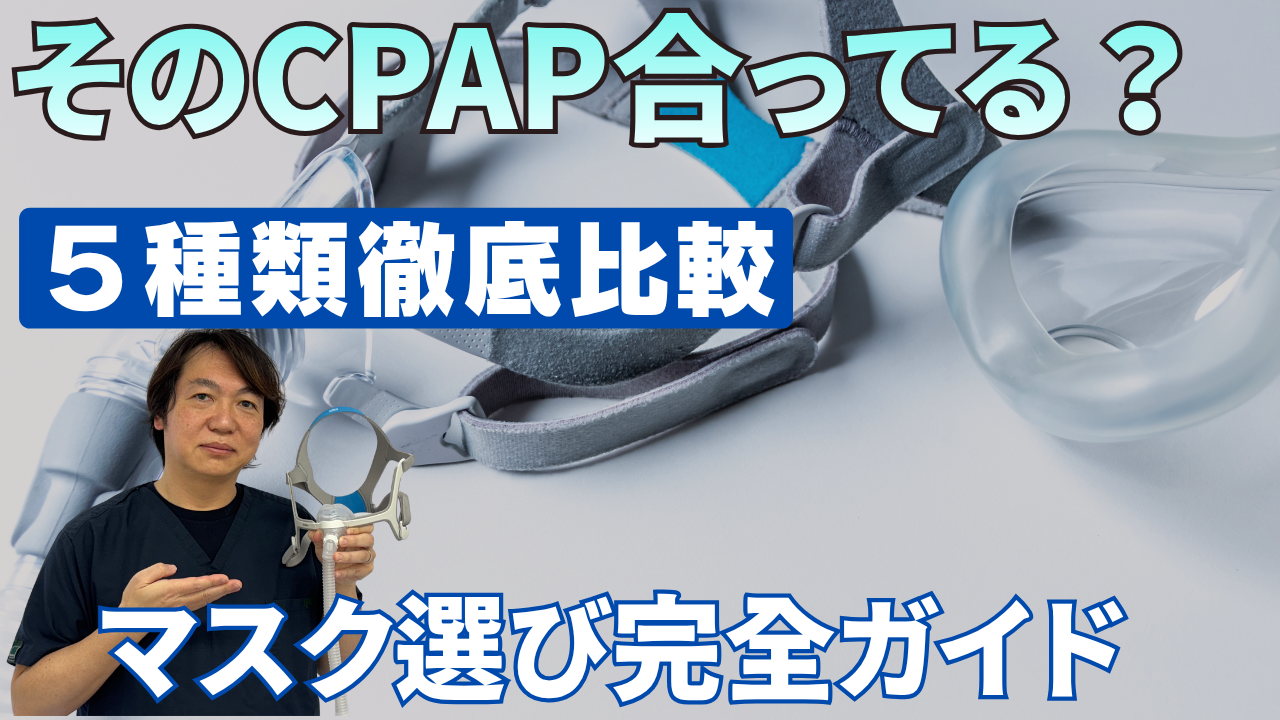
A Complete Comparison of CPAP Masks
We tried on and reviewed five different types of CPAP masks. 90% of CPAP comfort comes down to the mask.
Watch the video
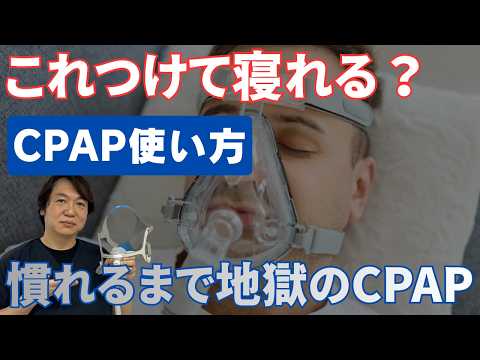
Do you have to use CPAP forever? A specialist explains how to use CPAP
A detailed explanation of how to use CPAP, with a real demonstration of what it feels like to wear the device.
Watch the video
Ueno Snoring Clinic was featured on Fuji TV’s “Live News It!” and on FNN Prime Online
Watch our clinic’s examination and explanation of sleep disorders, snoring, and sleep apnea.
Watch the video
Ueno Snoring Clinic was featured in an article on Nippon TV’s “news every.”
Please take a look as a starting point for thinking about getting evaluated for snoring, sleep apnea, or other sleep disorders.
Read the article
Reviewed by Our Director
Kazuyuki Sugaya
Director, Ueno Snoring Clinic / Anesthesiologist
Our director, with over 20,000 general anesthesia cases, focuses primarily on the diagnosis and treatment of snoring and sleep apnea, offering care tailored to each patient. [Insurance-Covered] Ueno Snoring Clinic
This article was reviewed by our Director, Kazuyuki Sugaya, and explains accurate medical information about the testing and treatment of snoring and sleep apnea syndrome (SAS) in clear, accessible terms.
🩺Comprehensive Snoring Treatment at Ueno Snoring Clinic
The causes of snoring range from the structure of the throat to body weight. Ueno Snoring Clinic doesn’t rely on a single treatment approach — we’re set up to recommend the best plan for each patient from a broad, evidence-based range of options.
Insurance-Covered: Thorough Testing and Ongoing Treatment
- Simplified and PSG testing: A precise analysis of your sleep condition
- CPAP treatment: The standard treatment for moderate-to-severe apnea
Self-Pay: Address the Root Cause, Short-Term Focus
- Snoring laser treatment: A non-surgical approach to the underlying cause
- Medically supervised weight loss: Improving airway space through weight reduction
*As a clinic specializing in snoring treatment, we work to resolve “snoring that won’t stop” through both insurance-covered and self-pay options.
New Book by Our Director
“Curing Snoring with the Latest Treatments”
A guide to the latest snoring treatments, written by an anesthesiologist who has overseen the sleep of more than 10,000 patients.
View on Amazon
Quick Answer
Snoring can originate from different places in different people — the nose, the throat, the tongue, sleep position, or everyday habits — and trying a remedy that doesn’t match your actual cause is often exactly why “nothing seems to work.” A short self-check can help narrow down which of these five types most closely matches your snoring, so you can start with the approach most likely to help. If self-care doesn’t improve things no matter what you try, or your snoring is consistently severe, identifying the true cause through a proper evaluation is usually the faster path forward.
📋 What This Article Covers
- Why matching your countermeasure to the “location” of your cause matters more than trying more remedies
- A 3-minute self-check across 5 snoring types: nose, throat, tongue, posture, and lifestyle
- The recommended first steps for each type
- Signs that mean self-care alone isn’t enough
Snoring actually originates from a different “location” in different people, which is why choosing a countermeasure that doesn’t match your particular cause often fails to help. In other words, if you feel like you’re going in circles, it’s usually not that you’re doing it wrong — it’s a mismatch between the cause and the countermeasure.
In this article, a 3-minute self-check will help you sort out whether your snoring leans toward:
- Nose (nasal congestion, weak nasal breathing)
- Throat (soft palate vibration)
- Tongue (the tongue falls back, the mouth opens)
- Posture (sleeping on your back is the main driver)
- Lifestyle factors (alcohol, fatigue, dryness)
At the end, we’ll summarize the recommended “first steps” for each type, along with signs that mean it’s time to see a doctor.
If you’re concerned about snoring, apnea, or daytime sleepiness, it’s better to get your condition checked with a proper evaluation rather than simply waiting and watching on your own.
Matching the “Location” of Your Cause Gets You There Fastest
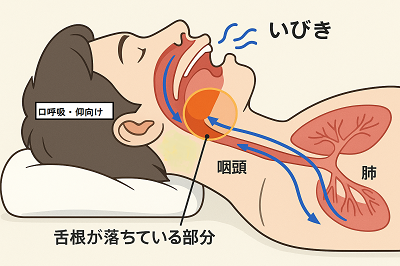
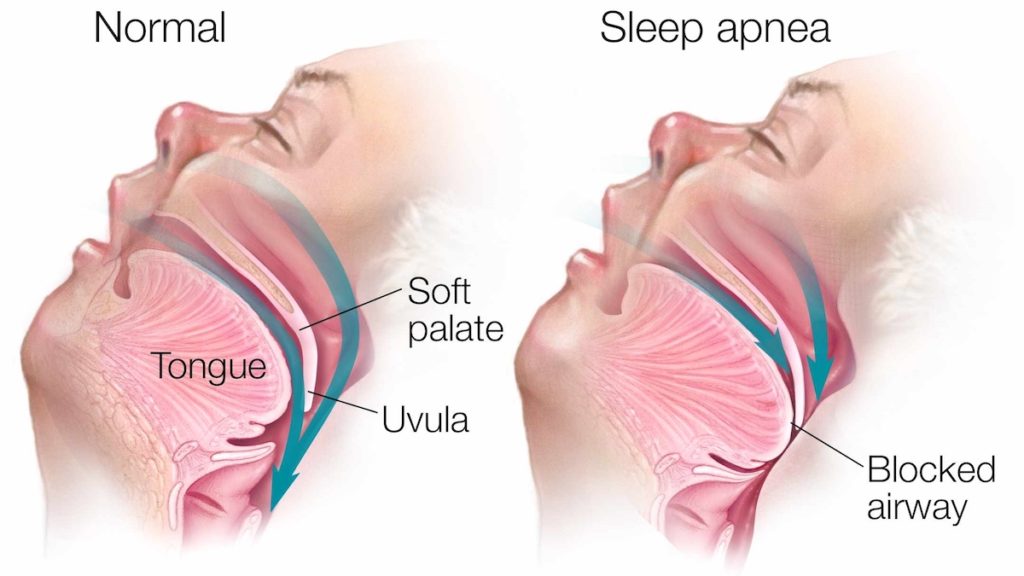
Snoring happens when the airway narrows and the surrounding tissue vibrates, producing sound. What matters most is where that narrowing tends to happen — and the right countermeasure depends heavily on that location.
- Nose-driven: airflow through the nose, dryness, and bedroom environment matter most
- Throat (soft palate)-driven: the focus is on reducing vibration
- Tongue-driven: sleeping on your back, mouth breathing, and muscle laxity have a big impact
- Posture-driven: switching to side-sleeping is the top priority
- Strong lifestyle factors: simply adjusting alcohol, fatigue, and dryness can sometimes be enough
So which type is closest to you? Let’s find out with the self-check below.
A 3-Minute Self-Check: Which Type Are You?
Answer the questions below and check off anything that applies. (It’s normal to match more than one type — whichever category has the most checks is your likely primary cause.)
Type A: Nose Type (Nasal Congestion / Weak Nasal Breathing)
☐ Your mouth is dry when you wake up
☐ Your nose tends to get blocked, or gets stuffy depending on the season
☐ You get a nasal, stuffy-sounding voice even without a cold
☐ Your bedroom is dry (heating on, no humidifier)
☐ Your nose seems clearer on your side than on your back
☐ It’s hard to breathe when you keep your mouth closed
Nose type characteristics
When your nose doesn’t flow well, you’re more likely to breathe through your mouth, which dries out the throat and makes vibration (snoring) more likely. In other words, the nose type often involves a chain reaction: mouth breathing leads to dryness, which leads to vibration.
Type B: Throat (Soft Palate) Type (Throat Vibration Is the Main Driver)
☐ Your snoring sounds low and rumbling (“grrr,” “gooo”)
☐ You’ve been told your mouth is open while you sleep
☐ Your snoring gets worse when your bedroom is dry
☐ Your throat feels weak, or scratchy when you wake up
☐ Your snoring sound changes noticeably with weight fluctuation
☐ You still snore somewhat even when sleeping on your side
Throat type characteristics
If the back of your throat (around the soft palate) vibrates easily, posture changes alone may not fully resolve it. Dryness, alcohol, and fatigue tend to make the vibration worse.
Type C: Tongue Type (Tongue Falls Back / Mouth Opens)
☐ You’ve been told your snoring increases when you sleep on your back
☐ You’ve been told you sleep with your mouth open
☐ It’s especially bad on days you’ve been drinking
☐ It gets worse when you’re tired or sleep-deprived
☐ Your snoring suddenly gets loud, then suddenly stops
☐ Your tongue or mouth feels dry in the morning
Tongue type characteristics
When muscle tone drops during sleep, the tongue is more likely to fall backward toward the throat while lying on your back. Add alcohol or fatigue, and it tends to get worse. In other words, the tongue type is strongly influenced by the combination of gravity and muscle relaxation.
Type D: Posture Type (Sleeping on Your Back Is the Main Cause)
☐ You’re quiet on your side, but suddenly loud on your back
☐ Using a body pillow or cushion to stay on your side improves things
☐ It gets worse when your bedding changes, like while traveling
☐ The sound changes with pillow height
☐ It’s worse sleeping on a sofa or the floor than in a bed
Posture type characteristics
For the posture type, “sleeping on your back” is the central cause. This type has a clear, high-probability fix: making side-sleeping your default. Rather than piling on more countermeasures, building a system that keeps you from rolling onto your back tends to get better results.
Type E: Lifestyle Factors Type (Alcohol, Fatigue, and Dryness Play a Big Role)
☐ It’s only bad on days you drink, and your mouth is very dry the next morning
☐ It gets worse during busy periods at work
☐ It gets worse when your bedroom is dry
☐ It’s worse on days with a late dinner, or when you stay up late
☐ It gets worse during high-stress periods
Lifestyle factors type characteristics
Rather than a fixed anatomical “location,” this type reflects conditions that make vibration more likely all lining up at once. On the flip side, since the cause can be relatively simple, deciding on priorities and adjusting habits is sometimes all it takes to see improvement.
Your Result: Recommended First Steps by Type
It’s normal to match more than one type. Here, we’ll outline what to try first for each type. The key is trying a small number of high-impact steps, in the order most likely to help.
Mostly Nose Type: Start With Nasal Airflow and Dryness Countermeasures
3 things to try first:
- Address bedroom dryness (a humidifier or a damp towel)
- Take a warm bath before bed to help open up your nose
- Reduce dust around your bedding (clean pillows and bedding regularly)
For the nose type, simply improving nasal airflow can reduce mouth breathing, which in turn reduces throat vibration. Try it for about a week and see if you notice a change.
Mostly Throat Type: Prioritize Dryness, Alcohol, and Vibration Countermeasures
3 things to try first:
- Address dryness (humidify, and avoid direct airflow from vents)
- Set a personal rule for alcohol before bed (amount and timing)
- Reconsider your pillow (angle matters more than height)
For the throat type, posture changes alone often produce only a small effect. Since dryness, alcohol, and fatigue tend to drive real change, start there.
Mostly Tongue Type: Side-Sleeping Plus Managing Alcohol and Fatigue
3 things to try first:
- Commit to side-sleeping (body pillow or a cushion behind your back)
- Make side-sleeping non-negotiable on any day you’ve been drinking
- Go to bed early on days you’re sleep-deprived (avoid heavy drinking and staying up late)
The tongue type tends to worsen with the combination of sleeping on your back and relaxed muscles, so simply removing those conditions can lead to real improvement.
Mostly Posture Type: Build a System That Keeps You From Rolling Onto Your Back
3 things to try first:
- Use a body pillow to maintain side-sleeping
- Place a cushion behind your back to prevent rolling over
- Prioritize pillow angle over height (whatever keeps your neck comfortable)
For the posture type, what matters is designing your setup so you don’t roll onto your back — not adding more and more countermeasures.
Mostly Lifestyle Factors Type: Turning Habits Into Rules Is the Fastest Path
3 things to try first:
- Address bedroom dryness
- Set alcohol rules (avoid drinking right before bed / set a fixed amount)
- Commit to sleeping on your side on especially tiring days
The lifestyle factors type tends not to sustain when you push too hard. Turning habits into simple, repeatable rules — within what’s realistic for you — tends to produce better results.
Signs Self-Care Isn’t Working (When to See a Doctor)
Self-care can be highly effective when it matches your actual cause — but when the cause is different from what you’re addressing, it often doesn’t help much. If any of the following apply to you, it’s usually faster to properly identify the underlying cause than to keep trying more things on your own:
- Your snoring is loud regardless of sleep position
- There’s little day-to-day difference even after adjusting your habits
- Your snoring seems irregular enough to worry your family
- You have ongoing daytime fatigue or trouble concentrating
- You’ve become anxious about sharing a room while traveling or on business trips
- Tension with a spouse or partner is increasing, and sleeping in separate rooms has become the norm
Snoring doesn’t always have just one cause — it’s common for the nose, throat, tongue, posture, and lifestyle factors to overlap. That’s exactly why identifying the primary cause is the more direct path to improvement.
Before Your Visit: A Simple “1-2 Minute Recording + Notes” Makes a Big Difference
If possible, preparing the following before your appointment can make your consultation much smoother:
A phone recording: 1-2 minutes (audio or video both work)
Three quick notes: sleep position (back or side), alcohol, and fatigue level (a single line for each is fine)
It doesn’t need to be perfect — even a short recording can help communicate your situation quickly.
You may also find these related articles helpful:
What Ueno Snoring Clinic Can Do

At Ueno Snoring Clinic, we’ll talk through your symptoms with you, help sort out whether the nose, throat, tongue, posture, or lifestyle factors are the most likely primary cause, and build a treatment plan together that fits your situation.
If you’re uneasy about committing to something right away, or worried about pain or recovery time — that’s completely fine. Start with a consultation, and only move forward once you feel comfortable with the plan.
Ueno Snoring Clinic offers insurance-covered sleep testing and CPAP management, as well as self-pay laser treatment for snoring, tailored to your specific condition. If you’d like to find out which treatment fits you, please start with an initial consultation.
Details of the tests and treatments offered at Ueno Snoring Clinic can be found here
Summary: Once You Know the “Location” of the Cause, the Right Countermeasure Follows
The fastest path to improving your snoring isn’t trying more remedies — it’s narrowing down where the cause actually lies. Today’s self-check should have given you a good idea of your likely primary type.
- Nose type: nasal airflow and dryness countermeasures
- Throat type: address dryness, alcohol, and vibration
- Tongue type: side-sleeping plus alcohol and fatigue management
- Posture type: a system that keeps you from rolling onto your back
- Lifestyle factors type: turning habits into rules is the fastest path
If self-care doesn’t lead to any change, several causes may be overlapping. If you’d rather not keep going in circles, let’s start by properly identifying the cause together — please feel free to reach out.
Frequently Asked Questions
Q. Why does a snoring remedy work great for someone else but not for me?
A. Snoring can originate from different “locations” — the nose, throat, tongue, sleep position, or lifestyle habits — and a remedy that targets a different cause than yours often won’t help much, no matter how well it works for someone else. Identifying which type is closest to your own snoring is the key to choosing a countermeasure that’s actually likely to work.
Q. What if I check items in more than one type?
A. That’s completely normal — most people’s snoring involves more than one contributing factor. Treat whichever type has the most checks as your likely primary cause, and start with the first steps recommended for that type.
Q. What can I do to prepare for a doctor’s visit?
A. A short phone recording of your snoring (1-2 minutes of audio or video) along with a few quick notes on your sleep position, alcohol intake, and fatigue level can make your consultation much smoother. It doesn’t need to be perfect — even brief information helps your doctor understand your situation faster.
Q. What are the signs that self-care isn’t going to be enough on its own?
A. Pay attention if your snoring is loud regardless of sleep position, if adjusting your habits makes little difference, if your family is worried about how irregular your breathing sounds, or if you have ongoing daytime fatigue or trouble concentrating. In these cases, a proper evaluation to identify the true cause is typically faster than continuing to try more remedies on your own.