Ueno Snoring Clinic offers a range of options tailored to your situation, from insurance-covered sleep testing and CPAP management to self-pay snoring laser treatment. If you’d like to find out which treatment fits you, please start with an initial consultation.
Details of the tests and treatments offered at Ueno Snoring Clinic can be found here
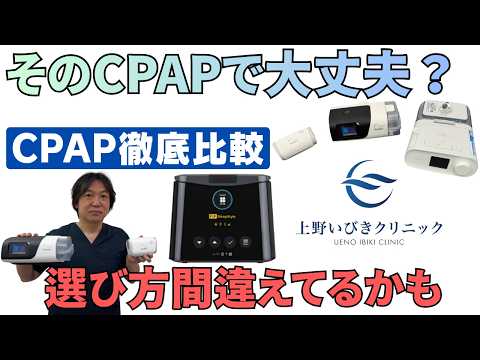
You’ll Want to Know This! A Complete Comparison of 5 CPAP Types — What Doctors Really Look For
Our doctor compares five different CPAP machines side by side and explains what actually matters when choosing one.
Watch the video
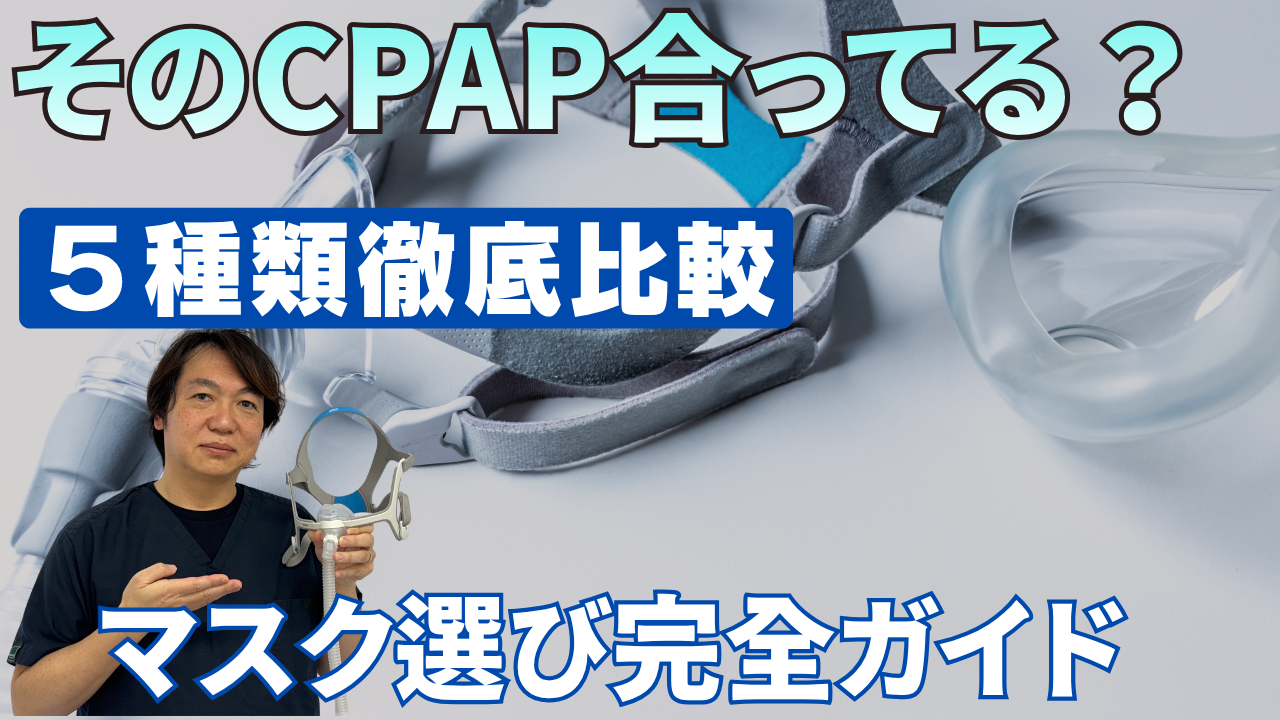
A Complete Comparison of CPAP Masks
We tried on and reviewed five different types of CPAP masks. 90% of CPAP comfort comes down to the mask.
Watch the video
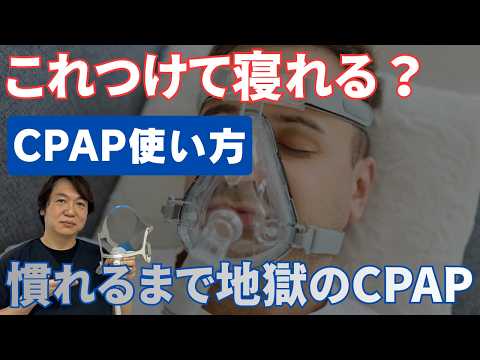
Do you have to use CPAP forever? A specialist explains how to use CPAP
A detailed explanation of how to use CPAP, with a real demonstration of what it feels like to wear the device.
Watch the video
Ueno Snoring Clinic was featured on Fuji TV’s “Live News It!” and on FNN Prime Online
Watch our clinic’s examination and explanation of sleep disorders, snoring, and sleep apnea.
Watch the video
Ueno Snoring Clinic was featured in an article on Nippon TV’s “news every.”
Please take a look as a starting point for thinking about getting evaluated for snoring, sleep apnea, or other sleep disorders.
Read the article
Reviewed by Our Director
Kazuyuki Sugaya
Director, Ueno Snoring Clinic / Anesthesiologist
Our director, with over 20,000 general anesthesia cases, focuses primarily on the diagnosis and treatment of snoring and sleep apnea, offering care tailored to each patient. [Insurance-Covered] Ueno Snoring Clinic
This article was reviewed by our Director, Kazuyuki Sugaya, and explains the connection between throat frailty, worsening snoring, and the risks of choking and silent aspiration as we age.
🩺Comprehensive Snoring Treatment at Ueno Snoring Clinic
The causes of snoring range from the structure of the throat to body weight. Ueno Snoring Clinic doesn’t lean on any single treatment method — we’re set up to offer each patient the option that best fits their situation, based on sound medical evidence.
Insurance-Covered: Thorough Testing and Ongoing Treatment
- Simplified and PSG testing: A precise assessment of your sleep
- CPAP treatment: The standard treatment for moderate-to-severe apnea
Self-Pay: Address the Root Cause, Short-Term Focus
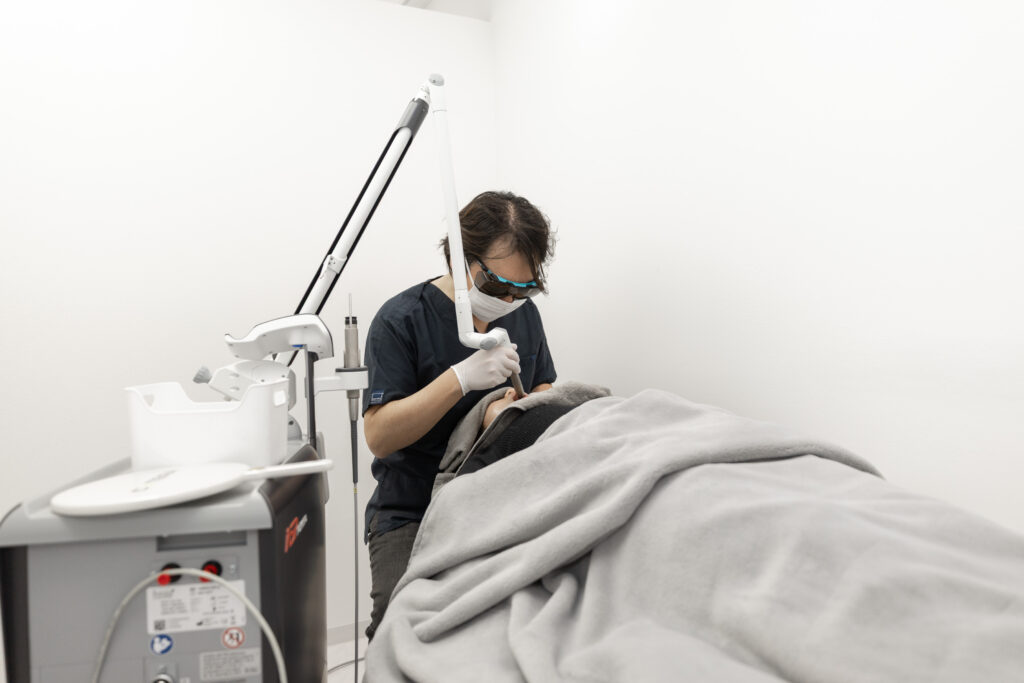
- The latest snoring laser treatment: A non-surgical, root-cause treatment
- Medically supervised weight loss: Physically opening the airway through weight reduction
*As a clinic specializing in snoring treatment, we’re committed to resolving “snoring that won’t stop” from both the insurance-covered and self-pay sides.
Our Director’s book, “Curing Snoring with the Latest Treatments” (an Amazon Japan bestseller — #1 in General Medicine, #1 in Clinical Internal Medicine, #2 in Family Health & Wellness), also covers this topic in more detail.
New Book by Our Director
“Curing Snoring with the Latest Treatments”
A guide to the latest snoring treatments, written by an anesthesiologist who has overseen the sleep of more than 10,000 patients.
View on Amazon
Quick Answer
Throat frailty is an age-related decline in the muscles and nerves that support breathing, swallowing, and the voice around the throat. As these muscles weaken, the airway becomes easier to collapse during sleep, which can make snoring louder and contribute to obstructive sleep apnea. The same weakening also makes it harder for the body to protect the airway while swallowing, increasing the risk of choking on food or drink and, in some cases, silent aspiration that can quietly lead to aspiration pneumonia without obvious symptoms. If your snoring has clearly gotten worse with age, or you’ve started choking more often at meals, these may be early signs of throat frailty rather than something to simply write off as “just getting older.” Ueno Snoring Clinic offers insurance-covered sleep apnea testing — including simplified home testing and PSG — together with swallowing function screening, to help identify what’s really going on.
📋 What This Article Covers
- What throat frailty is, and why it isn’t simply a part of aging you have to accept
- Why throat frailty makes snoring — and sleep apnea — worse
- Warning signs worth paying attention to
- Why choking and aspiration can progress silently
- Why it’s worth getting your throat evaluated by a specialist
- The insurance-covered tests available at Ueno Snoring Clinic
- Summary: don’t wait until “it’s more than just age”
What Is Throat Frailty?

Frailty describes a state between being fully healthy and needing long-term care, in which the body’s overall function has declined. Throat frailty is a specific form of this, affecting the muscles and nerves of the pharynx, larynx, tongue, and soft palate.
Day to day, we rarely think about the complex coordination involved in breathing, swallowing without choking, and speaking. All of these depend on a number of muscles and nerves around the throat working together with precision. But just as muscle mass declines throughout the body with age, the muscles of the throat weaken too — making it harder to hold the airway open and harder to time swallowing correctly, which in turn makes snoring and choking more likely.
The following people, in particular, should pay closer attention:
- Your snoring has become noticeably louder since your 50s
- You’ve started choking more often on food or tea
- You breathe through your mouth frequently
- You’ve gained weight or noticed more fat around your neck
- You clear your throat often, even without a cold
- Your voice sounds hoarser, or swallowing feels harder than it used to
Why Throat Frailty Makes Snoring Worse

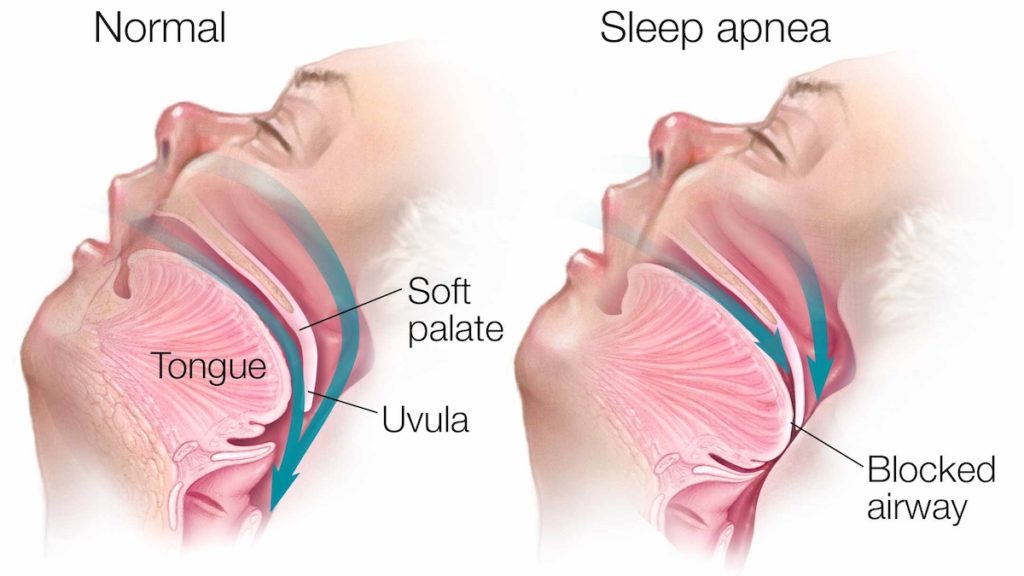
Snoring happens when the upper airway narrows during sleep and the vibration of passing air creates sound. A loose soft palate and a collapsing back of the throat, in particular, tend to produce louder snoring.
In younger people, the throat muscles retain enough tone to help keep the airway open even during sleep. As throat frailty progresses, however, that muscular support weakens, so the airway narrows more easily once the muscles relax during sleep.
On top of that, age-related weight gain and fat accumulation around the neck add further external pressure on the airway. In short:
Weaker throat muscles + more fat around the neck + muscle relaxation during sleep
When these three factors combine, snoring tends to worsen — and it can progress beyond snoring alone into obstructive sleep apnea, in which breathing repeatedly stops or becomes shallow during sleep, placing significant strain on the body.
Warning Signs Worth Paying Attention To
People with throat frailty or sleep apnea may notice some of the following:
- Loud snoring, or snoring that has worsened year over year
- A partner or family member has pointed out that you stop breathing at night
- Your mouth feels dry when you wake up
- You wake up with a headache or feel sluggish in the morning
- You feel strongly sleepy during the day
- You have trouble concentrating
- You wake up several times during the night
- You choke when eating or drinking
- Swallowing feels more difficult than before
- Your voice sounds hoarse more easily
- You clear your throat more often than you used to
These may look like separate, unrelated symptoms, but they can all trace back to the same underlying cause: a decline in throat function.
Choking and Aspiration Can Progress Silently
One of the most important things not to overlook with throat frailty is aspiration — when food, liquid, or saliva that should go down the esophagus instead enters the airway.
Normally, the epiglottis and vocal cords close at the exact moment of swallowing to protect the airway. But when throat muscle strength and reflexes weaken, this protective mechanism becomes less reliable, making it easier for food and liquid to slip into the windpipe.
⚠️ Worth noting: “silent aspiration”
As people age, aspiration can occur without triggering a strong coughing reflex — a phenomenon known as silent aspiration. Because it’s easy to miss, it can happen repeatedly without being noticed, quietly raising the risk of aspiration pneumonia over time.
In other words, when loud snoring, frequent choking at meals, and difficulty swallowing occur together, it’s worth taking a comprehensive look at how your throat is aging overall — rather than treating each symptom as a separate issue.
Why It’s Worth Getting Evaluated at Ueno Snoring Clinic
At Ueno Snoring Clinic, we focus on more than simply confirming “whether or not you snore.” We work to identify why the snoring is happening and exactly where in the throat the problem lies.
Snoring isn’t caused by just one thing — some cases are driven mainly by nasal congestion, others by soft palate vibration, others by the base of the tongue collapsing backward, and others by snoring that occurs alongside sleep apnea. Because of this, a generic approach of “it’s loud, so let’s just treat it” isn’t enough. What matters is having a clear, individualized picture of your symptoms, their cause, the testing involved, and the treatment path forward.
From the perspective of a specialist in snoring and sleep apnea, we evaluate the upper airway and, where appropriate, connect patients to insurance-covered testing. For patients whose test results don’t show sleep apnea severe enough to qualify for insurance-covered treatment, we can also offer self-pay options such as snoring laser treatment or medically supervised weight loss.
Insurance-Covered Tests We Offer
If you’re concerned about throat frailty or sleep apnea, the following insurance-covered tests are available.
1. Simplified Sleep Apnea Test
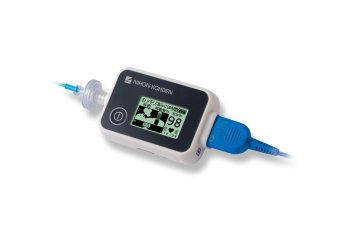
You wear a compact device at home overnight to check your breathing, blood oxygen levels, and snoring while you sleep. It’s a useful first step for anyone who wants to know whether sleep apnea is present. You can learn more about how the simplified test compares with the more detailed PSG test in our other article.
2. PSG (Polysomnography) Test
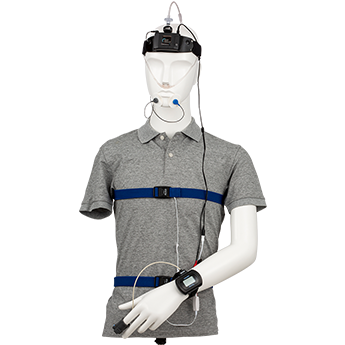
PSG is a more detailed, multi-channel test than the simplified version, monitoring brain waves, blood oxygen levels, airflow, and chest movement, among other measures. It gives a more precise picture of your sleep apnea, and is also the key test used to qualify for insurance-covered CPAP treatment when the simplified test alone isn’t sufficient.
3. Swallowing Function Screening
For patients who may be choking more often or showing signs of aspiration risk, we offer simple screening tests to assess swallowing function. Based on the results, we can determine whether a more detailed swallowing evaluation is needed.
4. Referral for Further Evaluation When Needed
Depending on your symptoms and condition, a more detailed sleep study or swallowing assessment may be appropriate. When that’s the case, we’ll help connect you with the right specialist or testing pathway.
Don’t Wait Until “It’s More Than Just Age”
Throat frailty can’t be stopped entirely, but catching it early and taking action can slow its progression and help protect your quality of life. That can include things we can discuss and support in clinic, such as:
- Reducing mouth breathing
- Managing your weight
- Treating nasal congestion
- Reviewing your drinking habits
- Getting evaluated for sleep apnea
- Catching a decline in swallowing function early
The stage when you think “maybe it’s not quite bad enough to see a doctor yet” is exactly the right time to come in. Rather than waiting until your snoring is severe or you’ve already had repeated bouts of pneumonia, it’s far better to get a clear picture of your throat’s condition while any discomfort is still mild.
Summary
Throat frailty isn’t simply a normal part of aging to be dismissed.
It’s a meaningful warning sign connected to snoring, sleep apnea, choking, aspiration, and the risk of aspiration pneumonia — and one that’s worth having evaluated sooner rather than later.
If any of the following apply to you — concerns about snoring, being told you stop breathing at night, choking more easily lately, or difficulty swallowing — and you’d like to start with insurance-covered testing, we encourage you to reach out to Ueno Snoring Clinic. Snoring and choking aren’t two separate problems; they can be two faces of the same underlying decline in throat function — and recognizing that is the first step toward protecting your future health.
Your First Step Toward Getting Your Throat Checked
At Ueno Snoring Clinic, simply telling us about your snoring, choking, or swallowing concerns is enough to get started. Insurance coverage is available, and self-pay snoring laser treatment is also offered.
Frequently Asked Questions
Q. Is throat frailty just a part of getting older that I have to accept?
A. It’s related to aging, but it isn’t something you simply have to live with. Catching it early and addressing contributing factors — weight, mouth breathing, nasal congestion, sleep apnea — can slow its progression and help protect your quality of life.
Q. I don’t choke every time, just occasionally. Should I still be concerned?
A. Yes. Occasional choking during meals — especially if it’s become more frequent than it used to be — can be an early sign of weakening swallowing function. It’s worth having it evaluated rather than waiting for it to happen more often.
Q. Does throat frailty actually cause sleep apnea, or do the two just happen to appear together with age?
A. There’s a direct mechanical link. As the throat’s muscles weaken, they become less able to hold the airway open during sleep, which makes the airway more prone to narrowing or collapsing — a key factor in both snoring and obstructive sleep apnea.
Q. What kind of testing does Ueno Snoring Clinic offer for this?
A. We offer insurance-covered simplified sleep apnea testing, PSG (polysomnography) testing, and swallowing function screening. Based on the results, we can discuss the appropriate next steps, including CPAP treatment or self-pay options such as snoring laser treatment.
*This article is a general explanation, written for a broad audience and based on the sources above together with our clinic’s own clinical experience. It is not a substitute for medical advice. If you’re concerned about throat frailty, choking, or sleep apnea, please consult a medical institution for a proper evaluation.







いびきを最新治療で治す-表紙-1.png)