At Ueno Snoring Clinic, we discuss snoring laser treatment after testing to confirm whether it suits you. If you are starting to think about treatment, this is a good time to talk to us.
Details of the tests and treatments offered at Ueno Snoring Clinic can be found here
Important: Snoring and Sleep Apnea Treatment Requires a Sleep Test
Some clinics that offer only self-pay care, and some cosmetic clinics, may not perform sleep testing. Before starting treatment, check whether the clinic performs a sleep test, or has a system for referring you to a medical institution where you can receive the necessary tests.
If sleep apnea is hidden behind your snoring and treatment begins without testing, it may be missed.
▶ Learn more about snoring and sleep apnea testing
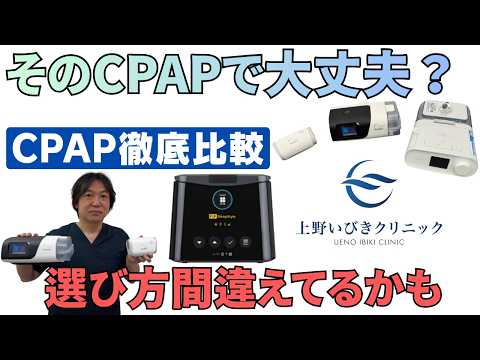
You’ll Want to Know This! A Complete Comparison of 5 CPAP Types — What Doctors Really Look For
Our doctor compares five different CPAP machines side by side and explains what actually matters when choosing one.
Watch the video
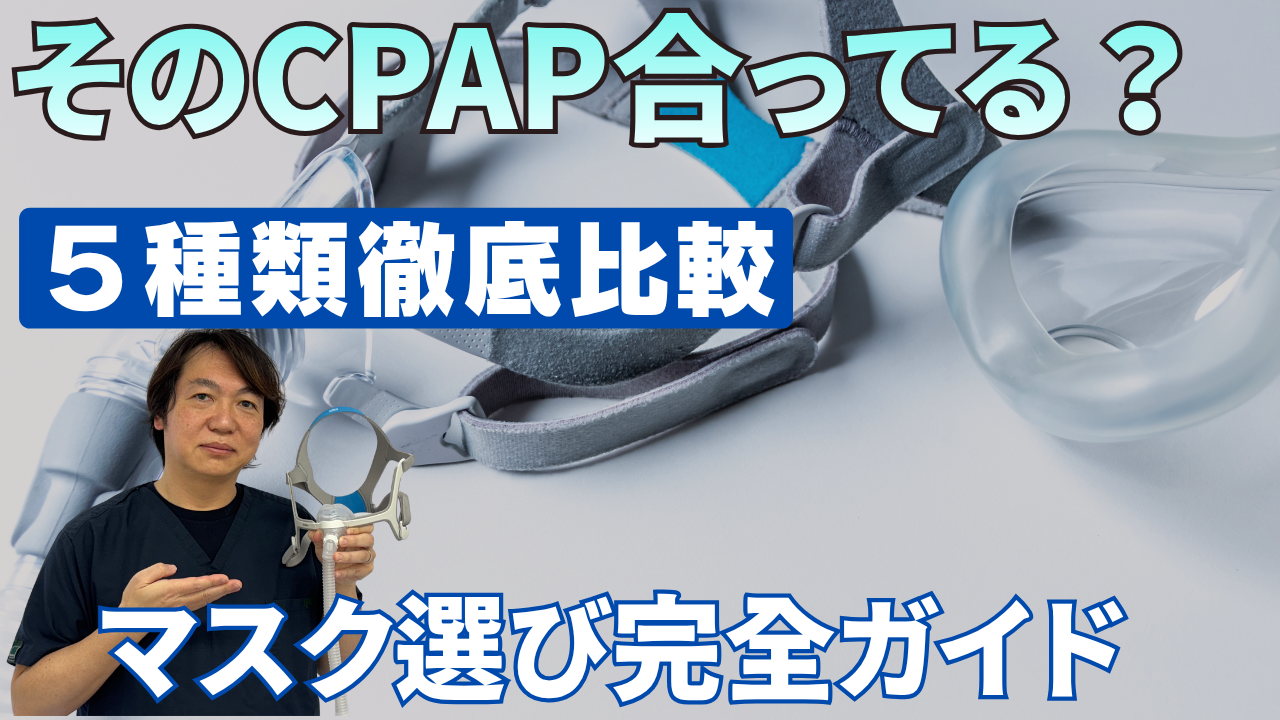
A Complete Comparison of CPAP Masks
We tried on and reviewed five different types of CPAP masks. 90% of CPAP comfort comes down to the mask.
Watch the video
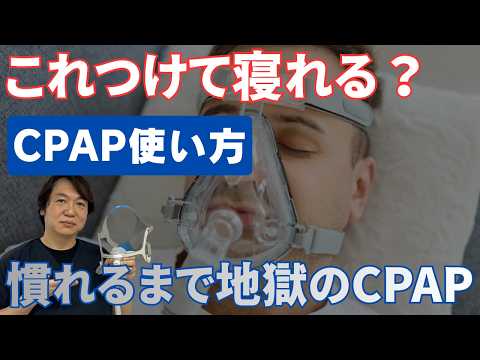
Do you have to use CPAP forever? A specialist explains how to use CPAP
A detailed explanation of how to use CPAP, with a real demonstration of what it feels like to wear the device.
Watch the video
Ueno Snoring Clinic was featured on Fuji TV’s “Live News It!” and on FNN Prime Online
Watch our clinic’s examination and explanation of sleep disorders, snoring, and sleep apnea.
Watch the video
Ueno Snoring Clinic was featured in an article on Nippon TV’s “news every.”
Please take a look as a starting point for thinking about getting evaluated for snoring, sleep apnea, or other sleep disorders.
Read the article
Reviewed by Our Director
Kazuyuki Sugaya
Director, Ueno Snoring Clinic / Anesthesiologist
Our director, with over 20,000 general anesthesia cases, focuses primarily on the diagnosis and treatment of snoring and sleep apnea, offering care tailored to each patient. [Insurance-Covered] Ueno Snoring Clinic
This article, supervised by our Director, Kazuyuki Sugaya, explains how autumn affects snoring and when to time snoring laser treatment. Medically reviewed November 2026.
🩺Comprehensive Snoring Treatment at Ueno Snoring Clinic
At Ueno Snoring Clinic, we recommend snoring laser treatment only after testing confirms your severity and suitability. Results and recovery after treatment vary from person to person.
Insurance-Covered: Thorough Testing and Ongoing Treatment
- Simplified testing: Home screening for sleep apnea
- PSG testing: A detailed sleep study including brain waves, done at home
- CPAP treatment: The standard treatment for apnea that meets insurance criteria
Self-Pay: Address the Root Cause, Short-Term Focus
- Snoring laser treatment: For people whose testing confirms simple snoring
- Medically supervised weight loss: An option when weight gain is a contributing factor
*Whether a treatment is appropriate, and what it can achieve, differs from one person to the next, so an examination comes first.
Our Director’s book, “Curing Snoring with the Latest Treatments” (an Amazon Japan bestseller — #1 in General Medicine, #1 in Clinical Internal Medicine, #2 in Family Health & Wellness), explains snoring laser treatment in more depth.
New Book by Our Director
“Curing Snoring with the Latest Treatments”
A guide to the latest snoring treatments, written by an anesthesiologist who has overseen the sleep of more than 10,000 patients.
View on Amazon
Quick Answer
After the heat and humidity of summer, the air in autumn starts to dry out, so the lining of the throat and nose dries more easily. Autumn is also hay fever season for ragweed, mugwort, and Japanese hop, whose pollen in Japan is mainly airborne from about August to October (into November in some regions). A blocked nose leads to mouth breathing, which can make snoring worse. Because snoring laser treatment can leave the throat dry or uncomfortable for a few days, autumn, with its relatively settled weather and fewer social events, is an easier time for aftercare than midsummer, when dehydration is common, or the year-end and New Year party season, when drinking is hard to avoid. Since results take time to settle, starting in autumn, before the driest part of winter, is also a reasonable approach. Even so, laser treatment aims to reduce snoring noise, and testing to confirm it suits you always comes first.
📋 What This Article Covers
- Why does autumn affect the throat and nose?
- Does dry air make snoring worse?
- Is autumn a good season for snoring laser treatment?
- Why start laser treatment before winter?
- Before treatment: why testing comes first
Why Does Autumn Affect the Throat and Nose?
Short answer: Temperature and humidity fall in autumn, so the air starts to dry out, and autumn pollen such as ragweed, mugwort, and Japanese hop is in the air from about August to October. Both can irritate the throat and block the nose.
After the hot, humid air of summer, temperature and humidity drop in autumn and the air begins to dry out. This directly affects the lining of the throat and nose.
Autumn is also a hay fever season. Most people associate hay fever with cedar pollen in spring, but autumn pollen from ragweed, mugwort, and Japanese hop is in the air in Japan mainly from about August to October, and into November in some regions. Besides a runny nose, sneezing, and itchy eyes, many people notice a scratchy throat.
A blocked nose pushes you toward mouth breathing, one of the most common factors that make snoring worse. For more on seasonal nasal congestion and snoring, see the article below.
Does Dry Air Make Snoring Worse?
Short answer: It may. Snoring comes from the soft palate and uvula vibrating in a narrowed airway, and when their lining dries out it may vibrate more easily, which could affect how loud the snoring is.
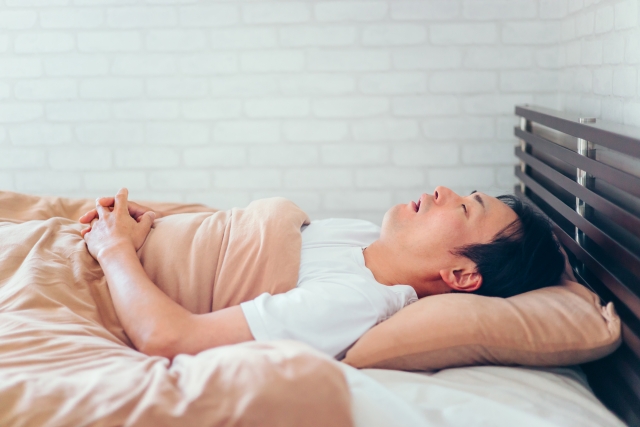
When the lining of the throat dries out, it loses its surface moisture and may vibrate more easily with each breath. Snoring is the sound of tissue such as the soft palate and uvula vibrating where the airway narrows, so dryness that leaves this lining sensitive may also affect how loud the snoring is and how it sounds.
Noticing more snoring as the seasons change is common
In autumn, dry air, hay fever, and swings in temperature come together, and more people are told by their family that their snoring has become louder.
Is Autumn a Good Season for Snoring Laser Treatment?
Short answer: For aftercare, often yes. The throat can feel dry or uncomfortable for a few days after treatment, and autumn’s settled weather and fewer drinking occasions make it easier to look after your throat than midsummer or the year-end party season.
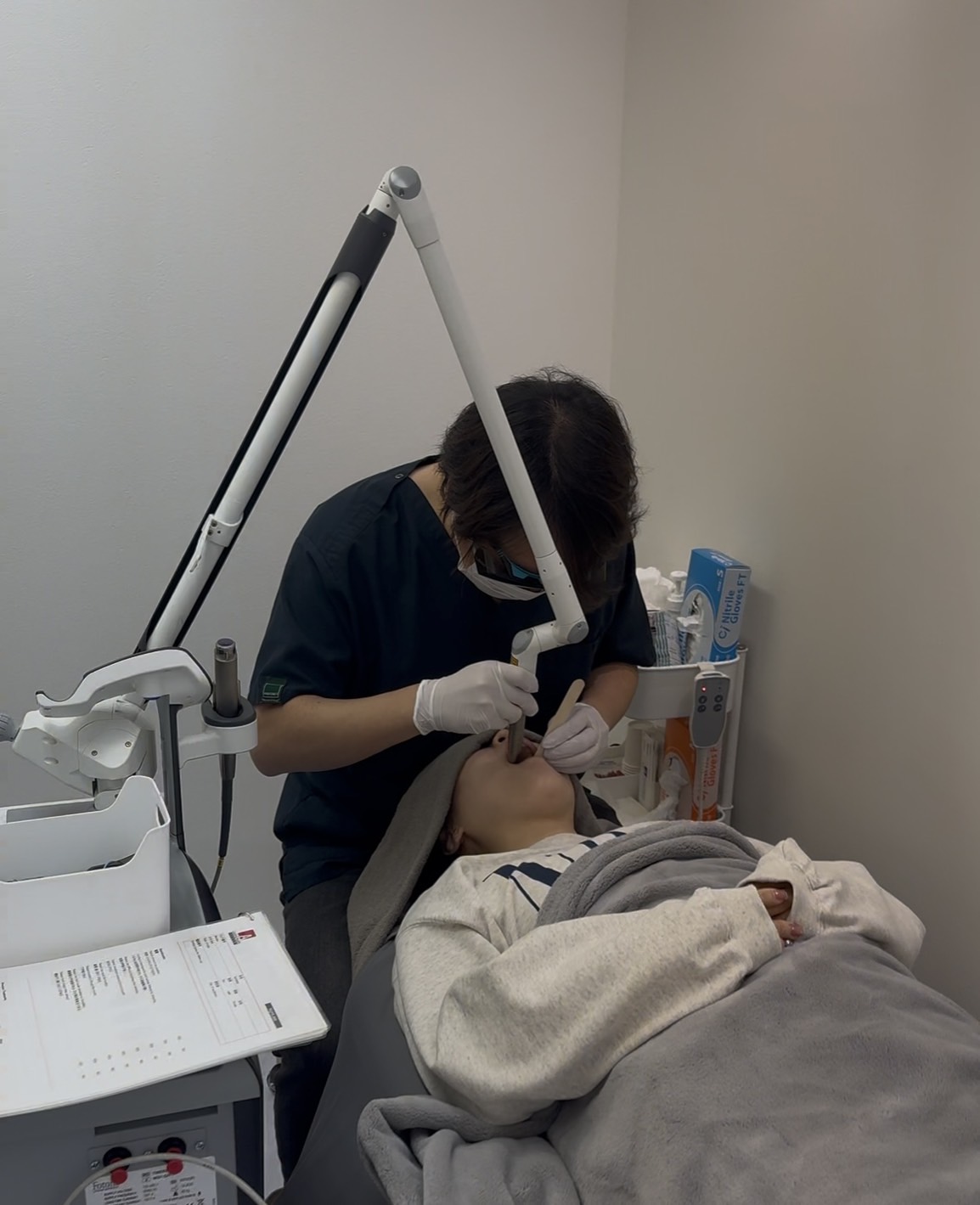
Snoring laser treatment applies heat to the lining of the throat, so the throat may feel dry or uncomfortable for a few days afterward. During this time, it is best to look after your throat, for example by avoiding spicy food and alcohol.
With that in mind, how easy aftercare is can depend on the season:
| Season |
How easy is aftercare? |
| Midsummer |
Heat and humidity make dehydration more likely, and going out is more tiring |
| Year-end and New Year |
Many year-end and New Year parties make alcohol hard to avoid |
| Autumn |
Weather is relatively settled and there are fewer events, so it is easier to make time for aftercare |
For these reasons, autumn is a time when aftercare after snoring laser treatment can be managed calmly. For what recovery is actually like, see Snoring Laser Treatment: Pain and Downtime and How Many Snoring Laser Sessions Do You Need?.
Why Start Laser Treatment Before Winter?
Short answer: Laser treatment is a course of several sessions and results take time to settle, so starting in autumn means you may be more comfortable by the time winter dryness and party season arrive.
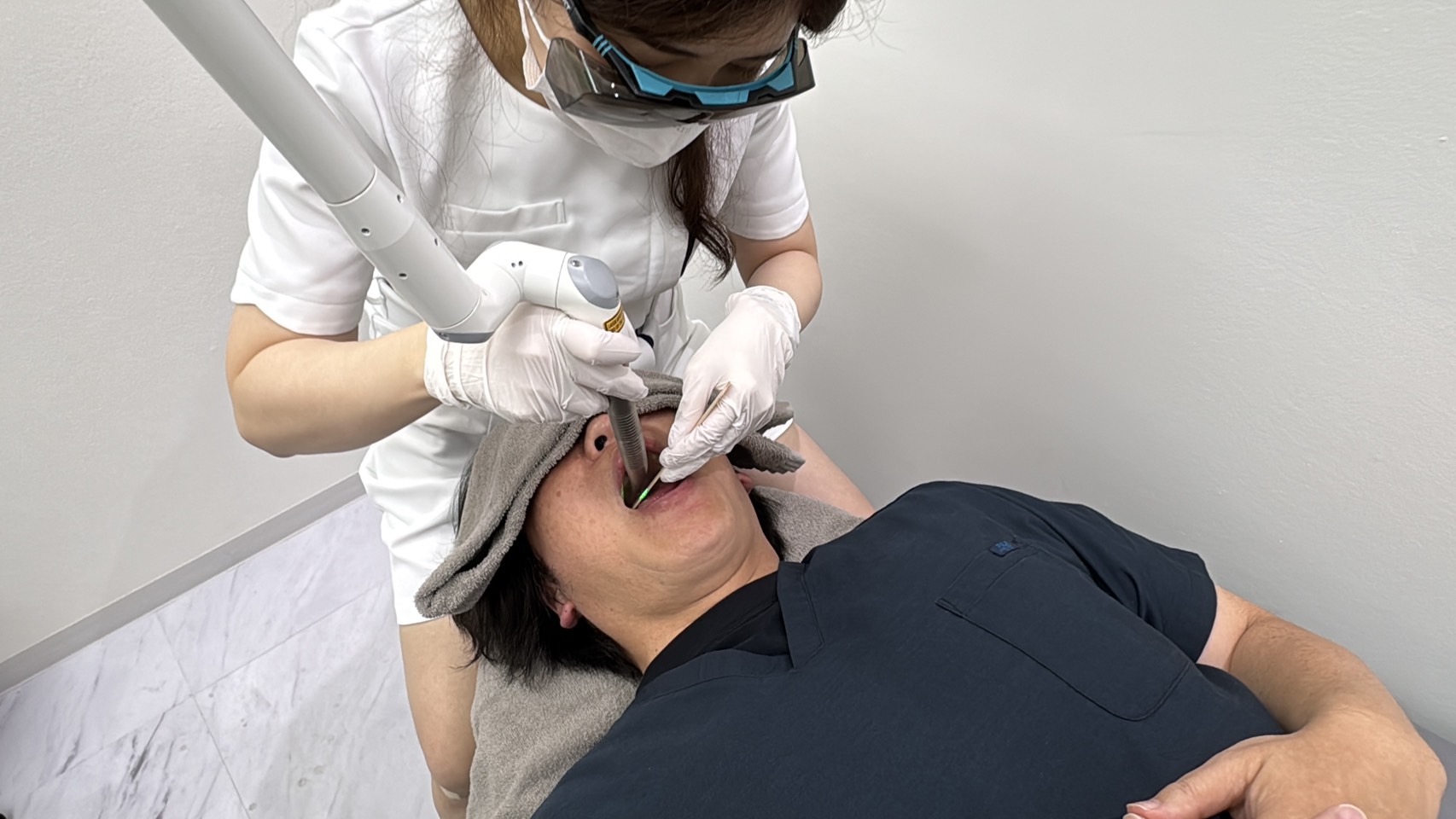
Snoring laser treatment is not a one-off procedure. It is a course of several sessions, with results checked along the way, and it takes some time before you notice the effect and it settles.
In winter the air gets even drier, and year-end and New Year parties mean more drinking, so snoring often gets worse. Moving ahead with treatment in autumn, before the driest and most party-heavy time of year, may help you get through winter a little more comfortably.
People with cedar pollen allergy also often find their snoring gets worse in early spring. For cedar and dust-mite allergic rhinitis, our clinic recommends sublingual immunotherapy as a treatment that targets the allergy itself. For details, see our English homepage.
Before Treatment: Why Testing Comes First
Short answer: Timing matters, but knowing the cause and severity of your snoring matters more. If moderate to severe sleep apnea lies behind it, laser treatment alone may not be enough, so a sleep test comes first.

The season is a useful factor, but correctly understanding the cause and severity of your snoring right now matters more. Laser treatment is mainly aimed at reducing snoring noise, and it does not suit everyone in the same way.
In particular, if moderate to severe sleep apnea lies behind your snoring, laser treatment alone may not be enough. Checking your current condition with a test, then deciding on the right treatment, may look like a detour but is actually the shortest route. For who laser treatment suits and who it does not, see Snoring Laser Treatment: Why a Sleep Test Comes First and Simplified Sleep Test vs. PSG.
What Ueno Snoring Clinic Can Do for You
Ueno Snoring Clinic is a sleep medicine clinic in Ueno, Tokyo, dedicated to snoring and obstructive sleep apnea. We assess severity with a sleep test, confirm whether laser treatment suits you, and only then recommend it.
If your snoring has started to bother you as the seasons change, or you are ready to consider treatment, this is a good time to talk to us.
Summary: Autumn Is a Good Time to Look After Your Throat
In autumn, dry air and autumn hay fever (ragweed, mugwort) come together, and the throat and nose are more likely to change. In terms of aftercare after snoring laser treatment, autumn is also calmer than midsummer or the year-end and New Year season.
But the season is only a guide. What matters most is understanding your current snoring and any sleep apnea with a test, and then deciding on treatment.
Consider Testing and Treatment Before Winter
We start by testing to confirm whether laser treatment suits you, and guide you carefully from there. Appointments only; same-day visits are often possible.
Frequently Asked Questions
Q. Is it OK to have snoring treatment at a self-pay-only clinic or a cosmetic clinic?
A. Some clinics that offer only self-pay care, and some cosmetic clinics, may not perform sleep testing. Before starting treatment, check whether the clinic performs a sleep test, or has a system for referring you to a medical institution where you can receive the necessary tests. If sleep apnea is hidden behind your snoring and treatment begins without testing, it may be missed. We recommend first checking your condition at a medical institution that offers sleep testing (simplified testing or PSG). For details, see
Simplified Sleep Test vs. PSG.
Q. Can I only have snoring laser treatment in autumn?
A. No, it is available all year round. We suggest autumn as one season when aftercare is easier, but you can consult us at any time.
Q. Is autumn hay fever really linked to snoring?
A. It can be. A blocked nose from ragweed or mugwort pollen leads to mouth breathing, which can make snoring worse; see our article on hay fever and snoring for more.
Q. How long does my throat feel uncomfortable after laser treatment?
A. It varies, but the throat may feel uncomfortable or dry for a few days after treatment. If symptoms continue, please contact us.
Q. Can anyone have snoring laser treatment?
A. No. We decide whether it suits you based on a sleep test; if moderate to severe sleep apnea is found, we recommend other options instead.
*This article is a general explanation, written for a broad audience and based on the sources above together with our clinic’s own clinical experience. It is not a substitute for medical advice. Costs shown are rough guides and vary with the care provided and your insurance. If you are concerned about snoring or sleep apnea, please consult a medical institution for a proper evaluation.