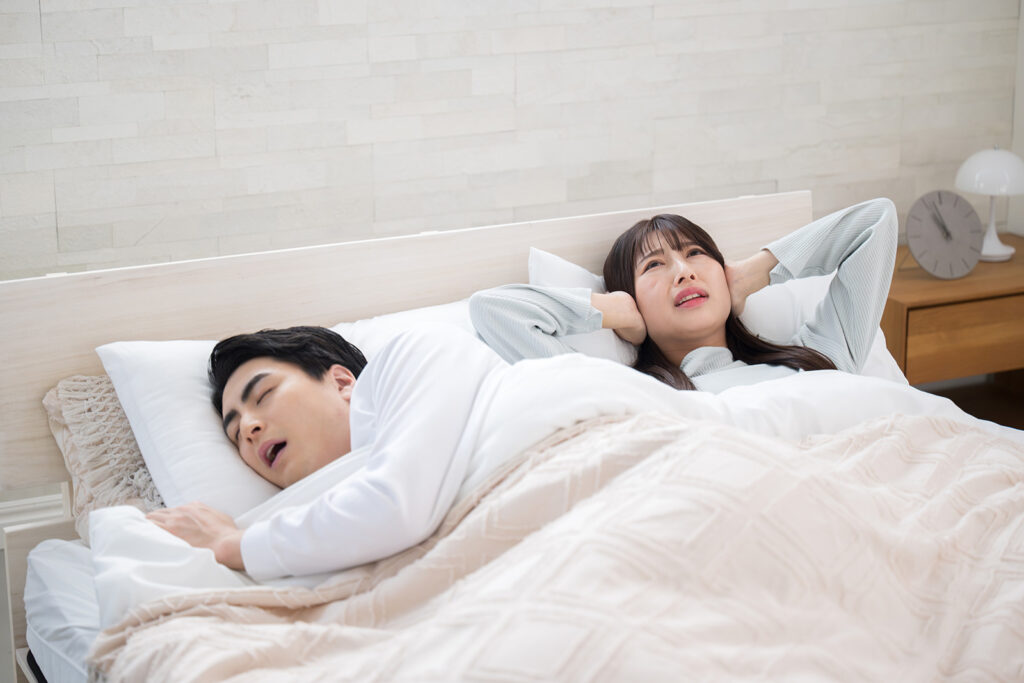
Ueno Snoring Clinic checks whether sleep apnea lies behind snoring or daytime sleepiness, using an at-home simplified test and insurance-covered PSG, also done at home. No hospital stay is needed. We also offer insurance-covered CPAP treatment and self-pay laser treatment for snoring.
Details of the tests and treatments offered at Ueno Snoring Clinic can be found here
Important: Snoring and Sleep Apnea Treatment Requires a Sleep Test
Some clinics that offer only self-pay care, and some cosmetic clinics, may not perform sleep testing. Before starting treatment, check whether the clinic performs a sleep test, or has a system for referring you to a medical institution where you can receive the necessary tests.
If sleep apnea is hidden behind your snoring and treatment begins without testing, it may be missed.
▶ Learn more about snoring and sleep apnea testing
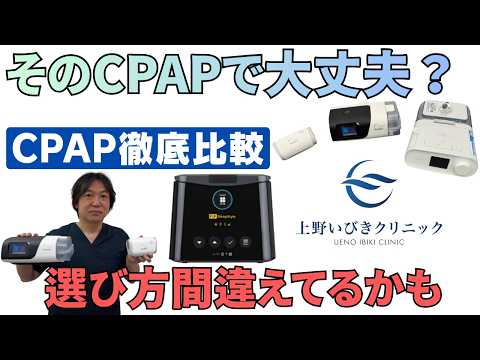
You’ll Want to Know This! A Complete Comparison of 5 CPAP Types — What Doctors Really Look For
Our doctor compares five different CPAP machines side by side and explains what actually matters when choosing one.
Watch the video
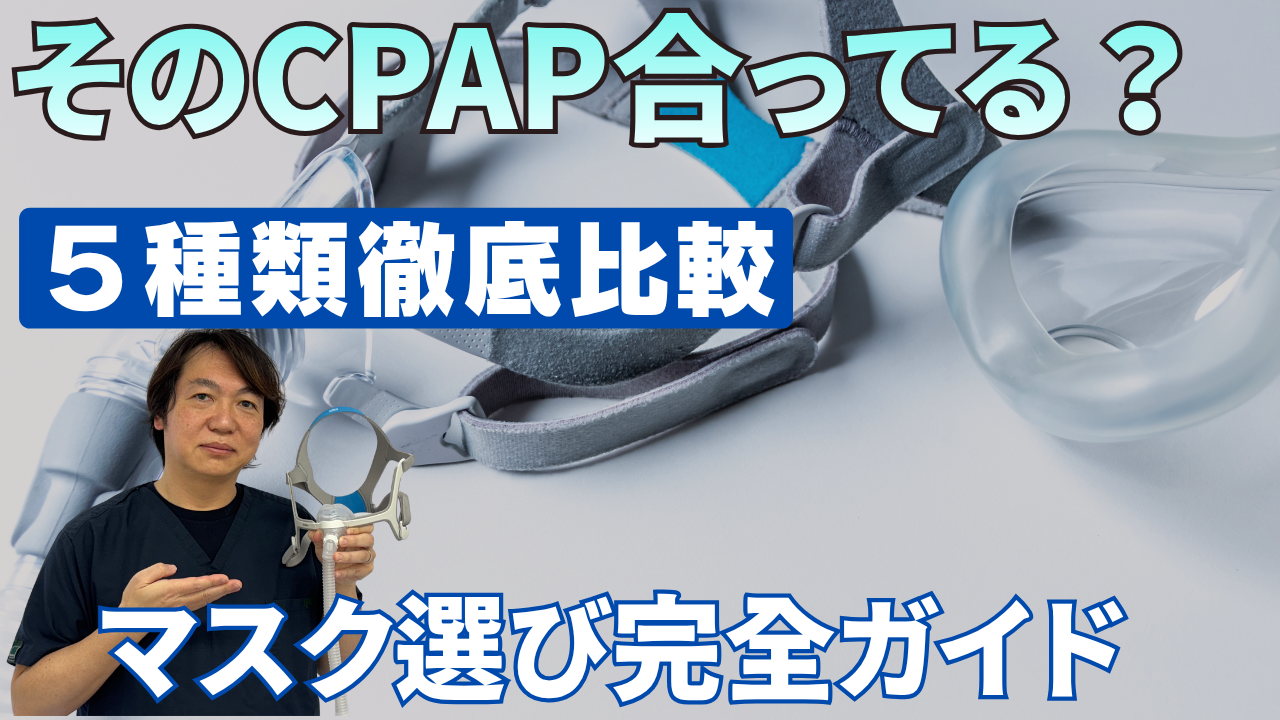
A Complete Comparison of CPAP Masks
We tried on and reviewed five different types of CPAP masks. 90% of CPAP comfort comes down to the mask.
Watch the video
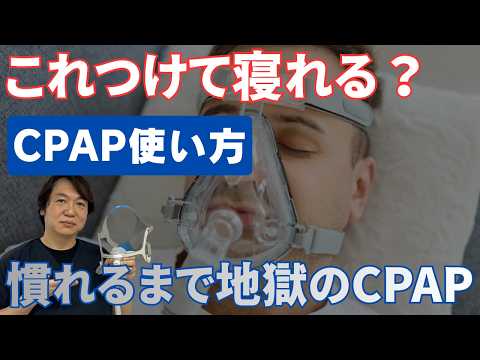
Do you have to use CPAP forever? A specialist explains how to use CPAP
A detailed explanation of how to use CPAP, with a real demonstration of what it feels like to wear the device.
Watch the video
Ueno Snoring Clinic was featured on Fuji TV’s “Live News It!” and on FNN Prime Online
Watch our clinic’s examination and explanation of sleep disorders, snoring, and sleep apnea.
Watch the video
Ueno Snoring Clinic was featured in an article on Nippon TV’s “news every.”
Please take a look as a starting point for thinking about getting evaluated for snoring, sleep apnea, or other sleep disorders.
Read the article
Reviewed by Our Director
Kazuyuki Sugaya
Director, Ueno Snoring Clinic / Anesthesiologist
Our director, with over 20,000 general anesthesia cases, focuses primarily on the diagnosis and treatment of snoring and sleep apnea, offering care tailored to each patient. [Insurance-Covered] Ueno Snoring Clinic
In this article, our Director, Kazuyuki Sugaya, reviews current research on snoring and sleep apnea in pregnancy and their links with high blood pressure in pregnancy, clearly separating strong evidence from weaker findings. Please plan any testing or treatment during pregnancy together with your obstetrician. Medically reviewed November 2026.
🩺Comprehensive Snoring Treatment at Ueno Snoring Clinic
For anyone concerned about snoring or sleep apnea, Ueno Snoring Clinic explains insurance-covered and self-pay options based on sleep test results. For pregnant patients, whether testing or treatment is appropriate is decided by our doctor after considering the stage of pregnancy and your health, in consultation with your obstetrician.
Insurance-Covered: Thorough Testing and Ongoing Treatment
- Simplified testing: Home screening for sleep apnea
- PSG testing: A detailed sleep study including brain waves, done at home
- CPAP treatment: The standard treatment for apnea that meets insurance criteria
Self-Pay: Address the Root Cause, Short-Term Focus
- Snoring laser treatment: For people whose testing confirms simple snoring
- Medically supervised weight loss: An option when weight gain is a contributing factor
*Whether a treatment is appropriate, and what it can achieve, differs from one person to the next, so an examination comes first.
Our Director’s book, “Curing Snoring with the Latest Treatments” (an Amazon Japan bestseller — #1 in General Medicine, #1 in Clinical Internal Medicine, #2 in Family Health & Wellness), explains snoring and sleep apnea in more depth.
New Book by Our Director
“Curing Snoring with the Latest Treatments”
A guide to the latest snoring treatments, written by an anesthesiologist who has overseen the sleep of more than 10,000 patients.
View on Amazon
Quick Answer
Snoring often starts or gets worse in pregnancy because of weight gain, a swollen nasal lining, and the growing uterus. It is usually harmless, but some pregnant women do have sleep apnea. In a US study of about 3,100 first-time mothers tested at home (nuMoM2b; Hawkins et al., Sleep Medicine, 2021), sleep-disordered breathing (AHI 5 or more) was found in nearly 4% in early pregnancy and newly appeared in nearly 6% by mid-pregnancy, and most cases were mild. Sleep-disordered breathing in pregnancy has been linked with hypertensive disorders of pregnancy (including preeclampsia) and gestational diabetes, but obesity plays a large part and it has not been established that sleep apnea itself causes them. A 2024 meta-analysis (Lee et al., JAMA Network Open; 6 studies, 809 women) found fewer hypertensive complications in women using CPAP, but the studies were few. If you snore loudly most nights, have been told you stop breathing, feel very sleepy in the daytime, or have been told your blood pressure is high, raise it at your next prenatal checkup. A severe headache, flashing lights in your vision, or pain under the ribs needs a call to your obstetric unit straight away, whether or not you snore.
📋 What This Article Covers
- Is snoring in pregnancy normal?
- Why does pregnancy make snoring and apnea more likely?
- How common is sleep apnea in pregnancy, and who is at risk?
- Is it linked to high blood pressure or gestational diabetes?
- Can sleep apnea affect the baby?
- When should I talk to my obstetrician? A self-check
- Can I have a sleep test or use CPAP while pregnant?
- What can I do now, and what about after the birth?
Is Snoring in Pregnancy Normal?
Short answer: It is common, and often eases after the birth. But how loud the snoring is cannot tell you whether sleep apnea is behind it; that needs symptoms to be weighed and, if necessary, a sleep test.
Many women begin snoring, or snore more, during pregnancy. Here is where the evidence stands on the questions we are asked most:
| Question |
Current answer |
| Can you develop sleep apnea in pregnancy? |
Yes. In a US study of about 3,100 first-time mothers, about 8% had sleep-disordered breathing (AHI 5 or more) at some point in pregnancy, mostly mild |
| Is it linked to high blood pressure in pregnancy or gestational diabetes? |
Both are reported more often in women with sleep-disordered breathing, but obesity plays a large part and cause and effect has not been established |
| Does it affect the baby? |
There is no simple answer. In one large study, the link with a high birthweight disappeared once body weight was taken into account |
| Can CPAP be used in pregnancy? |
Yes, when test results meet the criteria. A pooled analysis of small studies suggests fewer hypertensive complications, but this is not a settled conclusion. It should be coordinated with your obstetrician |
| What should I do? |
If you notice warning symptoms, mention them at your prenatal checkup and consider a sleep test if advised |
Hypertensive disorders of pregnancy, which include gestational hypertension and preeclampsia, are diagnosed and managed by your obstetric team. Checking for snoring and sleep apnea does not replace obstetric care; it is done alongside it.
Why Does Pregnancy Make Snoring and Apnea More Likely?
Short answer: Weight gain, a swollen nasal lining, the growing uterus pushing up the diaphragm, sleeping on your back, and broken sleep can all narrow the airway or make apnea harder to recognize.
| Change in pregnancy |
Possible effect on breathing in sleep |
| Weight gain |
More tissue around the neck and throat can narrow the airway during sleep. Women who were heavier before pregnancy need more attention |
| Swollen nasal lining |
Hormonal changes and increased blood volume make the nose stuffy. A blocked nose leads to mouth breathing, which makes snoring worse |
| Growing uterus |
As the bump grows, the diaphragm is pushed up and the lungs hold less air in reserve, so oxygen levels may fall faster when breathing pauses |
| Sleeping on your back |
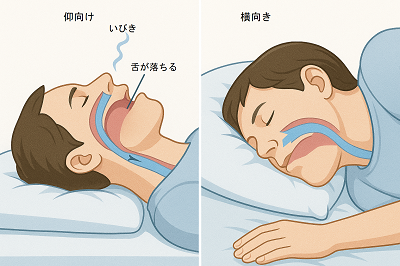
The tongue and throat tissues fall back and narrow the airway. In later pregnancy many women find side-sleeping more comfortable anyway |
| Broken sleep |
Night-time urination, tightenings, and difficulty getting comfortable make sleep lighter. This tiredness is hard to tell apart from sleepiness caused by apnea |
These are general mechanisms, and not every pregnant woman experiences all of them. For more on the nose and snoring, see Hay Fever and Snoring: The Hidden Connection; for sleep position, see Positional vs. Non-Positional Snoring.
How Common Is Sleep Apnea in Pregnancy, and Who Is at Risk?
Short answer: In the large US nuMoM2b cohort, nearly 4% of first-time mothers had sleep-disordered breathing in early pregnancy and nearly 6% developed it by mid-pregnancy; most cases were mild. Older age, obesity, and chronic high blood pressure were the main risk factors.
The best data come from nuMoM2b, a US study of women expecting their first baby. Hawkins and colleagues (Sleep Medicine, 2021) analyzed 3,114 participants who had home sleep testing:
| Item |
Finding |
| Test and definition |
Home sleep testing; sleep-disordered breathing defined as AHI (apneas and hypopneas per hour) of 5 or more |
| Early pregnancy (6–15 weeks) |
Nearly 4% (114 of 3,114) |
| Mid-pregnancy (22–31 weeks) |
Nearly 6% newly affected (132 of 2,211 with usable data) |
| At any point in pregnancy |
About 8% (246 of 3,114) |
| Severity |
Mostly mild |
| Risk factors |
Older age, obesity, and chronic high blood pressure. About 82% of women with sleep-disordered breathing in early pregnancy were obese, compared with about 19% of those without it |
These figures come from first-time mothers in the United States and may not apply directly to pregnant women in Japan; we did not find a comparable large Japanese study. And because most cases were mild, not everyone found to have sleep-disordered breathing needs CPAP or other treatment.
Is Sleep Apnea in Pregnancy Linked to High Blood Pressure or Gestational Diabetes?
Short answer: Observational studies report more hypertensive disorders of pregnancy and more gestational diabetes in women with sleep-disordered breathing, but obesity and other factors overlap, and it is not proven that sleep apnea causes them.
| What we know |
What we don’t know yet |
| Observational studies link sleep-disordered breathing in pregnancy with more hypertensive disorders (including preeclampsia) and more gestational diabetes |
Whether sleep apnea causes these conditions, or whether obesity and similar factors simply drive both |
| Pregnant women with sleep-disordered breathing are more often older, obese, or already have high blood pressure |
How much of the link remains once obesity is accounted for; studies disagree |
| In nuMoM2b, the link between early-pregnancy sleep-disordered breathing and a large-for-gestational-age baby (relative risk 2.2) disappeared after adjusting for BMI (1.0) |
Which severity, at which stage of pregnancy, matters for which complication |
So snoring does not mean you will develop a hypertensive disorder, and treating sleep apnea has not been proven to prevent one either. The practical approach is to check breathing during sleep alongside the blood pressure, weight, and swelling checks your obstetrician already does when symptoms suggest it.
Can Sleep Apnea in Pregnancy Affect the Baby?
Short answer: There is a theoretical concern about drops in the mother’s oxygen, but no firm conclusion. In nuMoM2b, sleep-disordered breathing was not linked to unusually high or low birthweight once BMI was considered, although some measures of low night-time oxygen were.
| Aspect |
Current evidence |
| Theoretical concern |
Drops in the mother’s oxygen and broken sleep might affect the placenta and the baby’s environment, but this has not been established |
| Birthweight |
In nuMoM2b, sleep-disordered breathing was not associated with a large- or small-for-gestational-age baby independent of BMI. However, some measures of low oxygen at night in mid-pregnancy were linked to a higher chance of a large baby even after adjusting for BMI. Most cases were mild and few participants were not obese, so the effect of weight cannot be fully separated |
| Through pregnancy complications |
Hypertensive disorders and gestational diabetes affect care for both mother and baby. How far sleep-disordered breathing contributes to them is still uncertain, as described above |
The great majority of pregnant women give birth without problems. There is no need for excessive worry; the important thing is to speak up early if you notice warning signs.
When Should I Talk to My Obstetrician? A Self-Check
Short answer: Raise it at your prenatal checkup if you snore loudly most nights, have been told you stop breathing, wake up choking, or feel very sleepy, especially if your blood pressure is high or you were overweight before pregnancy.
If several of the following apply, sleep apnea may be present. This is not a diagnosis, just a prompt to ask for advice.
🔍 Self-Check: Snoring and Apnea in Pregnancy
- You snore loudly almost every night (and did not, or did less, before pregnancy)
- Someone has told you that you stop breathing in your sleep
- You wake up gasping or feeling as if you are choking
- You feel unrefreshed after sleep or very sleepy in the daytime
- You wake with a headache or a very dry mouth or throat
- You have been told your blood pressure is high, or you have marked swelling
- You were obese, had high blood pressure, or snored before pregnancy
- Your nose is badly blocked and you breathe through your mouth
Swelling, rising blood pressure, and sudden weight gain can also be signs of a hypertensive disorder of pregnancy, separate from sleep apnea. Always mention them at your prenatal checkup.
Contact your obstetric unit immediately if you have
A severe headache, flashing lights or blurred vision, strong pain in the upper abdomen or under the ribs, sudden swelling or weight gain, or reduced baby movements. These can signal a serious condition such as preeclampsia, regardless of snoring. Call your obstetrician or delivery hospital right away.
Can I Have a Sleep Test or Use CPAP While Pregnant?
Short answer: A simplified sleep test uses light sensors and places little burden on the body; whether and which test suits you depends on your stage of pregnancy and health. CPAP can be considered if results meet the criteria, coordinated with your obstetrician.
If sleep apnea is suspected, a sleep test confirms it. The simplified test uses a fingertip sensor and a small sensor under the nose. Whether testing is suitable during pregnancy, and which test, is decided by the doctor based on your stage of pregnancy and health. For the types of test, see Simplified Sleep Test vs. PSG.
| Approach |
What it involves and points to note |
| Side-sleeping (positional therapy) |
Can help snoring or apnea that is worse on the back. From mid-pregnancy many women find it more comfortable. Follow your obstetrician’s advice on position |
| Easing a blocked nose |
Humidify the bedroom and blow your nose gently. Do not use medicines or nasal sprays on your own; ask your obstetrician or a pharmacist |
| Weight management |
Follow your obstetrician’s guidance on weight gain. Avoid dieting on your own during pregnancy |
| Alcohol and sleeping pills |
Avoid alcohol. If you take sleeping pills or sedating medicines, discuss them with your obstetrician |
| CPAP |
Considered when a sleep test meets the criteria. A 2024 meta-analysis found fewer hypertensive complications, but the evidence base is small. Decide together with your obstetrician |
The 2024 meta-analysis by Lee and colleagues (JAMA Network Open) pooled 6 studies with 809 pregnant women. In women using CPAP, the combined risk of gestational hypertension or preeclampsia was about 35% lower (relative risk 0.65, 95% CI 0.47–0.89), and preeclampsia alone was about 30% lower (relative risk 0.70, 95% CI 0.50–0.98). The authors noted important limits: only a few studies were eligible, and CPAP use and adherence were reported inconsistently, ranging from under 10% to 85%. They concluded that screening and CPAP may reduce these complications, and there is still no consensus guideline on managing sleep apnea in pregnancy.
In Japan, insurance-covered CPAP also has criteria. From June 2026, the thresholds are AHI 30 or more on a simplified test, or AHI 15 or more on PSG (previously 40 and 20), and symptoms such as daytime sleepiness are required at any AHI; at AHI 15–29, PSG must also show findings such as fragmented sleep. Criteria can change, so for details see Told You Stop Breathing in Your Sleep? A Sleep Test Guide.
What Can I Do Now, and What About After the Birth?
Short answer: Sleep on your side, raise your upper body slightly, keep your nose clear, follow your obstetrician’s weight advice, avoid alcohol, and record your snoring to show the doctor. If snoring or sleepiness continues after the birth, get checked.
Try the following. If your obstetrician has given you instructions about rest or position, follow those first.
- Sleep on your side: if you snore more on your back, use a body pillow to find a comfortable side position
- Raise your upper body slightly: use pillows or cushions to find an angle where breathing feels easier
- Look after your nose: keep the bedroom humid, and ask your obstetrician if congestion is severe
- Manage weight gain: follow your obstetrician’s advice and avoid sudden gains
- Avoid eating late: don’t lie down straight after a meal
- Avoid alcohol throughout pregnancy
- Record your snoring: ask your partner to watch, or use a smartphone recording, and show it at your appointment
Keep an eye on snoring after the birth too. It often eases, but if it continues or daytime sleepiness is strong, sleep apnea may persist. Sleep loss from caring for a newborn can make the cause of sleepiness hard to pin down. For snoring in women more generally, see Snoring in Women.
What Ueno Snoring Clinic Can Do for You
Based in Ueno, Tokyo, our clinic specializes in snoring and obstructive sleep apnea. Our Director brings airway and breathing management experience from more than 20,000 general anesthetics as an anesthesiologist.
- Sleep testing (insurance-covered): the simplified test and PSG, both done at home, check breathing and oxygen levels during sleep. No hospital stay is needed.
- CPAP treatment and management (insurance-covered): for sleep apnea that meets the criteria, with masks and settings adjusted using your usage data.
- Hay fever and allergic rhinitis treatment: a blocked nose is closely linked to snoring and sleep apnea, so we can discuss it at the same visit.
- Laser treatment for snoring (self-pay): an option for people whose main concern is snoring and who do not need CPAP based on testing. It is not a stand-alone treatment for severe sleep apnea.
For pregnant patients, whether testing or treatment is appropriate is decided by our doctor after considering the stage of pregnancy and your health, in consultation with your obstetrician. Please start by telling us about your symptoms and how your pregnancy has gone so far.
Summary: Check Pregnancy Snoring Alongside Obstetric Care
Weight gain, a swollen nasal lining, and the growing uterus make snoring more common in pregnancy. Usually it is harmless, but in a large US study about 8% of first-time mothers had sleep-disordered breathing at some point, mostly mild.
Sleep-disordered breathing has been linked with hypertensive disorders of pregnancy and gestational diabetes, but obesity plays a large role and cause and effect is unproven. CPAP has been associated with fewer hypertensive complications in a small body of studies, which is promising but not conclusive.
If you snore loudly every night, have been told you stop breathing, feel very sleepy, or have rising blood pressure, talk to your obstetrician at your prenatal checkup and consider a sleep test if advised. A severe headache, flashing lights, or upper abdominal pain means calling your obstetric unit immediately. You are also welcome to contact Ueno Snoring Clinic.
Snoring in Pregnancy or After the Birth? Talk to Us
If snoring started with pregnancy, someone has noticed pauses in your breathing, or you feel very sleepy in the daytime, please contact us. We plan testing and treatment in consultation with your obstetrician. Appointments only; same-day visits are often possible.
Frequently Asked Questions
Q. Is it OK to have snoring treatment at a self-pay-only clinic or a cosmetic clinic?
A. Some clinics that offer only self-pay care, and some cosmetic clinics, may not perform sleep testing. Before starting treatment, check whether the clinic performs a sleep test, or has a system for referring you to a medical institution where you can receive the necessary tests. If sleep apnea is hidden behind your snoring and treatment begins without testing, it may be missed. We recommend first checking your condition at a medical institution that offers sleep testing (simplified testing or PSG). For details, see
Simplified Sleep Test vs. PSG.
Q. Is it normal to snore during pregnancy?
A. Yes, it is common because of weight gain and a swollen nasal lining, and it is usually harmless. If you snore loudly every night, have been told you stop breathing, or feel very sleepy in the daytime, sleep apnea may be present, so mention it to your obstetrician.
Q. Will snoring give me preeclampsia or high blood pressure in pregnancy?
A. No, snoring does not mean you will develop it. Hypertensive disorders and gestational diabetes are reported more often in women with sleep-disordered breathing, but obesity plays a large part and cause and effect has not been established. Your blood pressure and swelling are checked at prenatal visits.
Q. Can sleep apnea in pregnancy harm my baby?
A. There is no firm evidence that it does. A concern exists about drops in the mother’s oxygen, but in a large US study the link with birthweight largely disappeared once body weight was considered. Most women give birth without problems; speak up if you notice warning signs.
Q. Can I use CPAP while pregnant?
A. Yes, it can be considered when a sleep test meets the criteria. A 2024 meta-analysis found fewer hypertensive complications in women using CPAP, but the studies were few and the conclusion is not settled. The decision is made together with your obstetrician.
Q. Can I have a sleep test while pregnant?
A. Often, yes. The simplified test uses a fingertip sensor and a small sensor under the nose and places little burden on the body. Whether testing suits you, and which test, depends on your stage of pregnancy and health, so please consult us first.
Q. Does sleeping on my side reduce snoring?
A. It can, for snoring or apnea that is worse on the back, and many women find side-sleeping more comfortable from mid-pregnancy. If your obstetrician has advised you on sleep position, follow that advice.
Q. What if my snoring continues after the birth?
A. Snoring often eases after delivery, but if it continues or you remain very sleepy, sleep apnea may persist. Because newborn care also causes sleepiness, consider a sleep test if you are unsure.
Q. Are sleep tests and CPAP covered by Japanese health insurance?
A. Yes, when criteria are met. Sleep tests (simplified test or PSG) are covered when a doctor judges them necessary, and CPAP is covered when test results (AHI) and symptoms meet the criteria. Criteria can change, so please check when you visit.
*This article is a general explanation, written for a broad audience and based on the sources above together with our clinic’s own clinical experience. It is not a substitute for medical advice. Costs shown are rough guides and vary with the care provided and your insurance. If you are concerned about snoring or sleep apnea, please consult a medical institution for a proper evaluation.