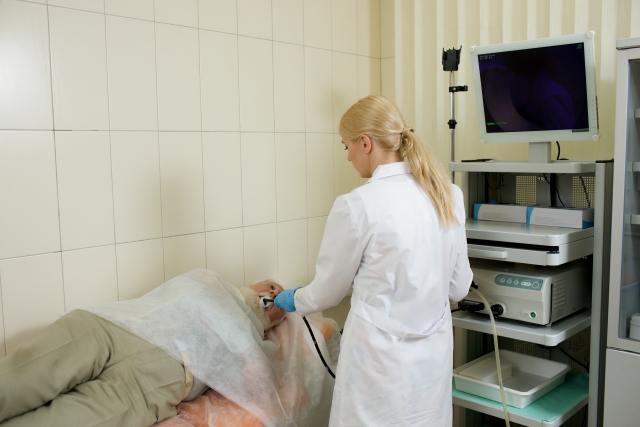
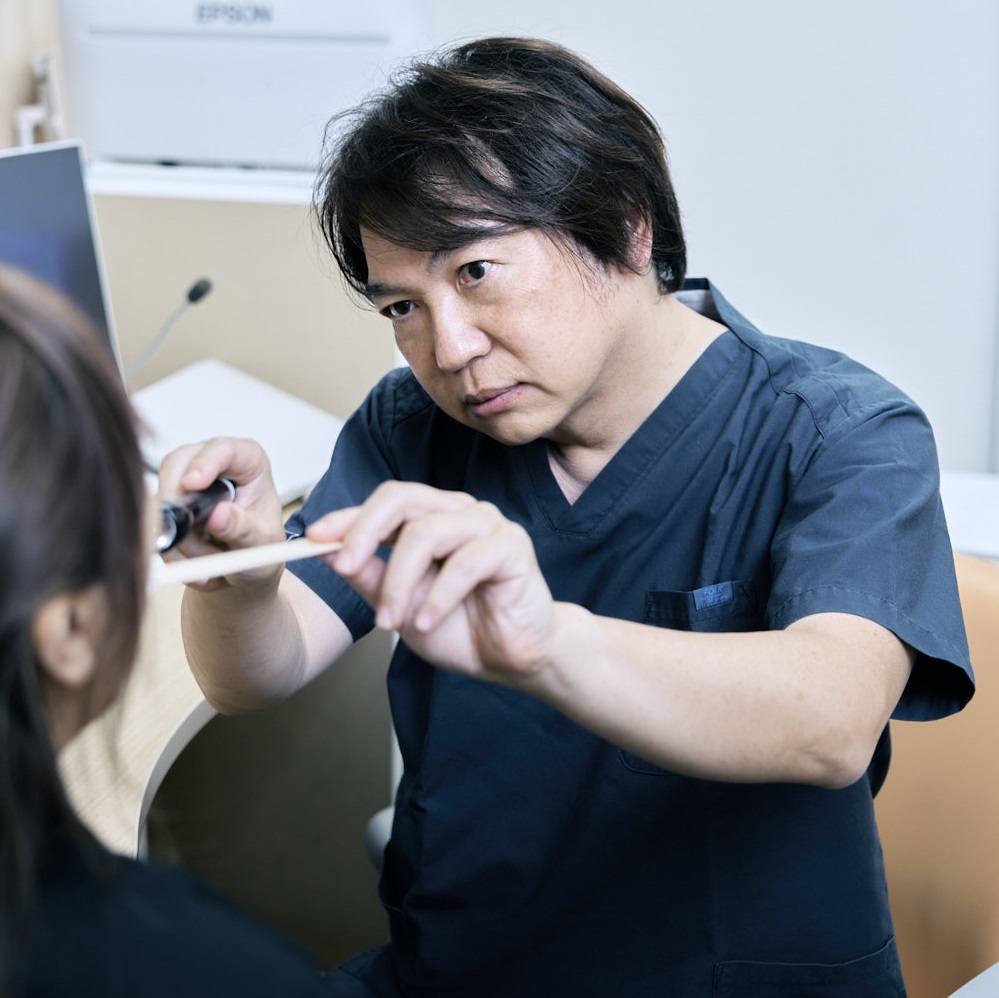
The Director of Ueno Snoring Clinic is an anesthesiologist who has handled more than 20,000 cases of general anesthesia and sedation. If you have any concerns about undergoing endoscopy while using CPAP, please don’t hesitate to ask.
Details of the tests and treatments offered at Ueno Snoring Clinic can be found here
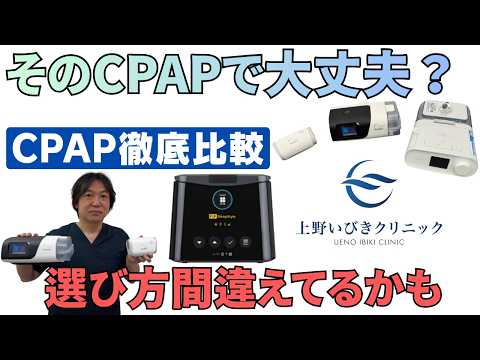
You’ll Want to Know This! A Complete Comparison of 5 CPAP Types — What Doctors Really Look For
Our doctor compares five different CPAP machines side by side and explains what actually matters when choosing one.
Watch the video
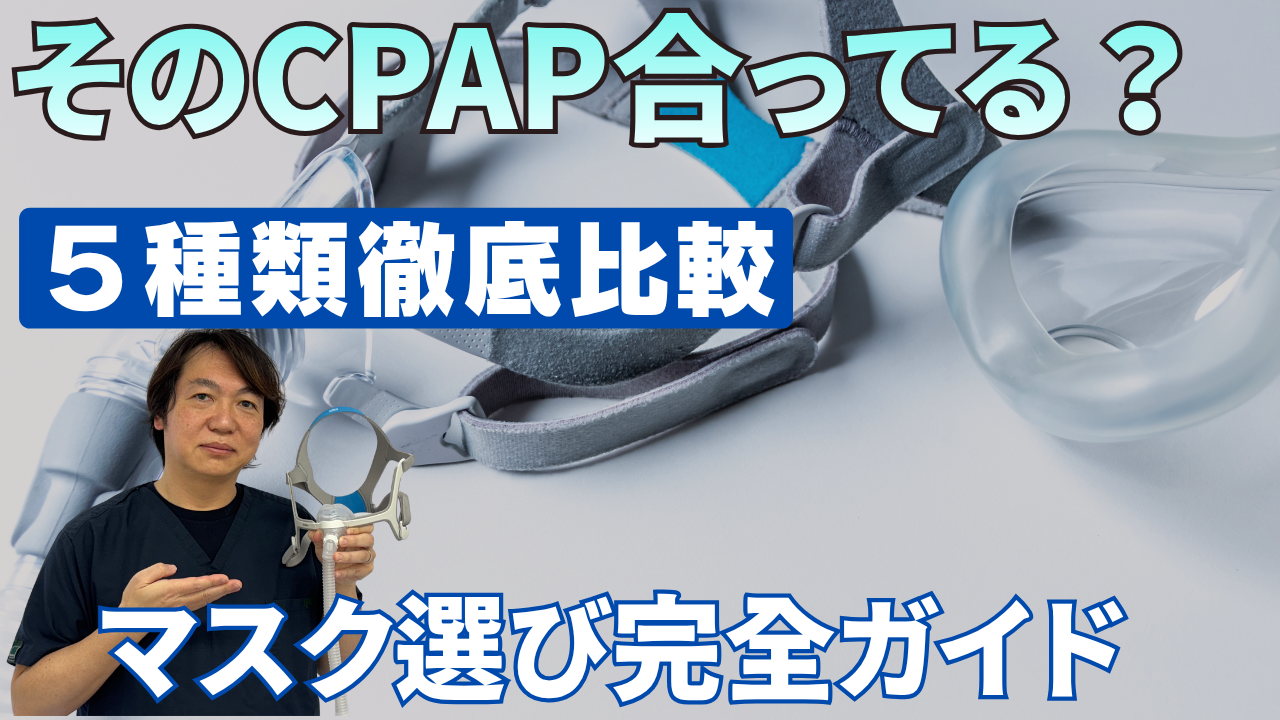
A Complete Comparison of CPAP Masks
We tried on and reviewed five different types of CPAP masks. 90% of CPAP comfort comes down to the mask.
Watch the video
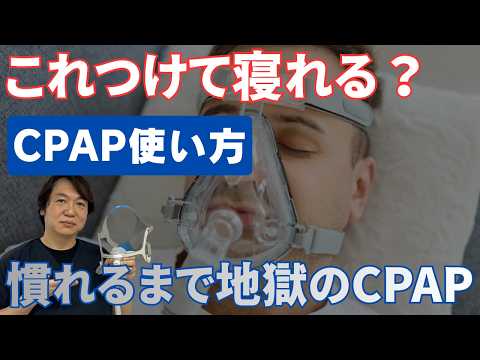
Do you have to use CPAP forever? A specialist explains how to use CPAP
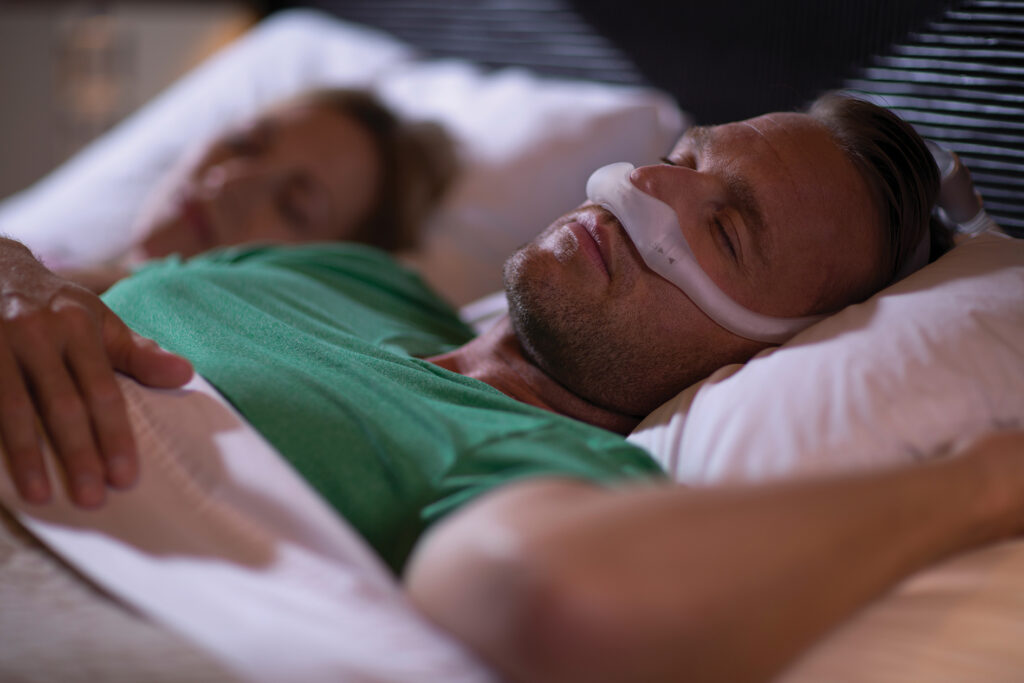
A detailed explanation of how to use CPAP, with a real demonstration of what it feels like to wear the device.
Watch the video
Ueno Snoring Clinic was featured on Fuji TV’s “Live News It!” and on FNN Prime Online
Watch our clinic’s examination and explanation of sleep disorders, snoring, and sleep apnea.
Watch the video
Ueno Snoring Clinic was featured in an article on Nippon TV’s “news every.”
Please take a look as a starting point for thinking about getting evaluated for snoring, sleep apnea, or other sleep disorders.
Read the article
Reviewed by Our Director
Kazuyuki Sugaya
Director, Ueno Snoring Clinic / Anesthesiologist
Our director, with over 20,000 general anesthesia cases, focuses primarily on the diagnosis and treatment of snoring and sleep apnea, offering care tailored to each patient. [Insurance-Covered] Ueno Snoring Clinic
This article was written by our Director, Kazuyuki Sugaya, drawing on his experience as an anesthesiologist, and explains sedation for endoscopy in patients who use CPAP.
🩺Comprehensive Snoring Treatment at Ueno Snoring Clinic
At Ueno Snoring Clinic, we draw on our experience in whole-body anesthesia management to help with everything from assessing sleep apnea severity to advising on precautions for procedures in other specialties.
Insurance-Covered: Thorough Testing and Ongoing Treatment
- Simplified and PSG testing: Objective assessment of apnea severity
- CPAP treatment: The standard treatment for moderate-to-severe apnea
Self-Pay: Address the Root Cause, Short-Term Focus
- Snoring laser treatment: Courses of 3, 6, or 12 sessions available
- Medically supervised weight loss: An option when weight gain is a contributing factor
*The sedation approach used for the endoscopy itself depends on the policy of the facility performing it. Our clinic provides general guidance on precautions and assesses the severity of your sleep apnea.
Our Director’s book, “Curing Snoring with the Latest Treatments” (an Amazon Japan bestseller — #1 in General Medicine, #1 in Clinical Internal Medicine, #2 in Family Health & Wellness), also covers this topic in more detail.
New Book by Our Director
“Curing Snoring with the Latest Treatments”
A guide to the latest snoring treatments, written by an anesthesiologist who has overseen the sleep of more than 10,000 patients.
View on Amazon
Quick Answer
Patients with sleep apnea who use CPAP need extra care under sedation, because sedatives relax the muscles of the upper airway, making tongue-base collapse and airway obstruction more likely than in people without the condition. A short procedure may be possible without problems, but always tell the facility that you use CPAP before your exam. If deep sedation is needed, or if your apnea is severe, it is preferable to have the procedure at a hospital with an anesthesiologist on site. It’s also worth knowing that the common claim “propofol carries less tongue-base-collapse risk than benzodiazepines” isn’t actually settled — studies don’t agree. More important than the type of drug are the depth of sedation and the quality of monitoring in place.
📋 What This Article Covers
- Why CPAP users need extra care under sedation
- Sedatives commonly used for endoscopy, and how they differ
- Is “propofol is safer” actually true?
- Tips for undergoing endoscopy safely
- Sources and references
Why CPAP Users Need Extra Care Under Sedation
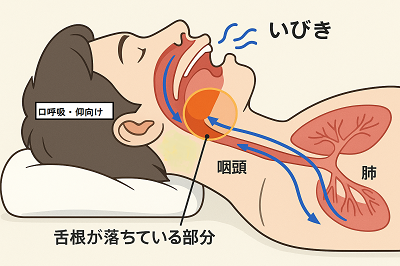
Sleep apnea occurs when the muscles supporting the upper airway (the back of the throat) relax during sleep, and the tongue and soft palate sink back to narrow the airway. The sedatives (intravenous anesthetics) used for endoscopy also relax these upper-airway muscles, to varying degrees.
In other words, a patient with sleep apnea who uses CPAP already has an airway that narrows easily, and sedation-induced muscle relaxation is layered on top — leaving them more prone than usual to tongue-base collapse and airway obstruction. Because this can lead to low blood oxygen during the procedure, extra care is considered necessary. Our related article on why snoring happens under IV sedation explains the same mechanism in more detail.
If you’re someone who tends to snore in your sleep, expect the same thing to happen more easily during the artificial “sleep” of sedation.
The Japan Gastroenterological Endoscopy Society’s guidelines also note that deep sedation carries a risk of low blood oxygen and low blood pressure, and call for appropriate management by an anesthesiologist.
Sedatives Commonly Used for Endoscopy, and How They Differ
The main sedatives used for endoscopy in Japan include the following.
| Drug |
Characteristics |
| Benzodiazepines (e.g., midazolam) |
Widely used in Japan. The faster the drug is given, the sooner and more strongly respiratory depression tends to appear. A reversal agent (flumazenil) exists. |
| Propofol |
Acts and wears off quickly, making it easy to fine-tune the depth of sedation. No reversal agent exists, and it can easily lead to deep sedation, so careful management is essential. |
| Dexmedetomidine |
Considered to cause relatively little respiratory depression, and regarded as having a higher safety margin even when the airway is not secured. |
Which drug is used, and how deeply you are sedated, depends on the policy of the facility performing the exam and on your individual condition.
Is “Propofol Is Safer” Actually True?

This is a point worth stating precisely. You may hear it said that “propofol carries a lower risk of tongue-base collapse and airway obstruction than benzodiazepines,” but there isn’t a consistent body of research that clearly supports this. In fact, some experimental studies comparing the two drugs at a similar depth of sedation have reported that the upper airway collapsed more easily with propofol.
The clinical advantage of propofol lies in the fact that it acts and wears off quickly, making it easy to adjust the depth of sedation finely. At the same time, because there is no reversal agent, managing a patient who has slipped into deep sedation calls for more advanced airway-management skills. In other words, what matters more for safety than the specific drug is how deeply sedation is carried out, and whether a system is in place to respond immediately to any airway trouble.
Tips for Undergoing Endoscopy Safely
Here are the points we’d encourage CPAP users to keep in mind when having endoscopy.
① Always tell the facility before your exam that you use CPAP
② If you have records showing the severity of your apnea (such as your AHI), bring them with you
③ A short procedure may be possible without problems, but don’t decide on your own — get an explanation from the doctor
④ If the exam requires deep sedation, or if your apnea is severe, consider having it at a hospital with an anesthesiologist on site
⑤ If possible, wear your CPAP during the recovery period after the exam
Point ① in particular is easy to overlook, but undergoing an exam without mentioning that you use CPAP raises your risk. Please don’t feel embarrassed — always tell them.
What Ueno Snoring Clinic Can Do
Ueno Snoring Clinic is a sleep disorder clinic specializing in snoring and sleep apnea. Drawing on our Director’s experience managing more than 20,000 cases of general anesthesia and sedation as an anesthesiologist, we help with everything from assessing sleep apnea severity to advising on precautions when you undergo procedures in other specialties.
If you have an endoscopy coming up and feel uneasy because you use CPAP, please feel free to talk to us.
Summary: When You Receive Sedation, Always Tell Them You Use CPAP
Patients with sleep apnea who use CPAP are a group in which sedatives can easily cause tongue-base collapse and airway obstruction, so extra care is needed. There isn’t clear evidence to simply say “propofol is safe” — more than the type of drug, the depth of sedation and the management system are what matter.
When you have an exam, always tell them you use CPAP, and if deep sedation is required or your apnea is severe, consider having it at a facility with an anesthesiologist on site.
Worried About an Upcoming Endoscopy? Please Ask Us
Drawing on our Director’s experience as an anesthesiologist, we can help by assessing the severity of your sleep apnea and offering guidance. Insurance coverage is available, and self-pay snoring laser treatment is also offered.
Frequently Asked Questions
Q. Can’t I have an endoscopy if I use CPAP?
A. You can still have one. However, because sedatives can easily cause tongue-base collapse, always tell the facility that you use CPAP, and have the exam under the judgment of the medical team.
Q. Is it fine if the exam is short?
A. A short exam may be possible without problems, but this depends on the severity of your apnea and the type of exam. Please don’t decide on your own — talk to a doctor beforehand.
Q. Is it safe if they use propofol?
A. Propofol has the advantage of making the depth of sedation easy to adjust, but there is no consistent research showing that its risk of tongue-base collapse is clearly lower. The depth of sedation and the management system matter more than the type of drug.
Q. Should I bring my CPAP on the day of the exam?
A. Wearing it during the recovery period can sometimes make waking up safer. Please check with the facility beforehand about whether you should bring it.
*This article is a general medical explanation based on the sources above, and is not a diagnosis or treatment plan for any individual patient. Please check the actual testing and sedation policy with the medical institution where you will be examined.