Ueno Snoring Clinic offers a range of options tailored to your situation, from insurance-covered sleep testing and CPAP management to self-pay snoring laser treatment. If you’d like to find out which treatment fits you, please start with an initial consultation.
Details of the tests and treatments offered at Ueno Snoring Clinic can be found here
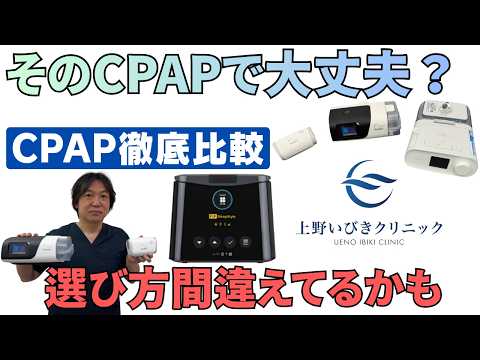
You’ll Want to Know This! A Complete Comparison of 5 CPAP Types — What Doctors Really Look For
Our doctor compares five different CPAP machines side by side and explains what actually matters when choosing one.
Watch the video
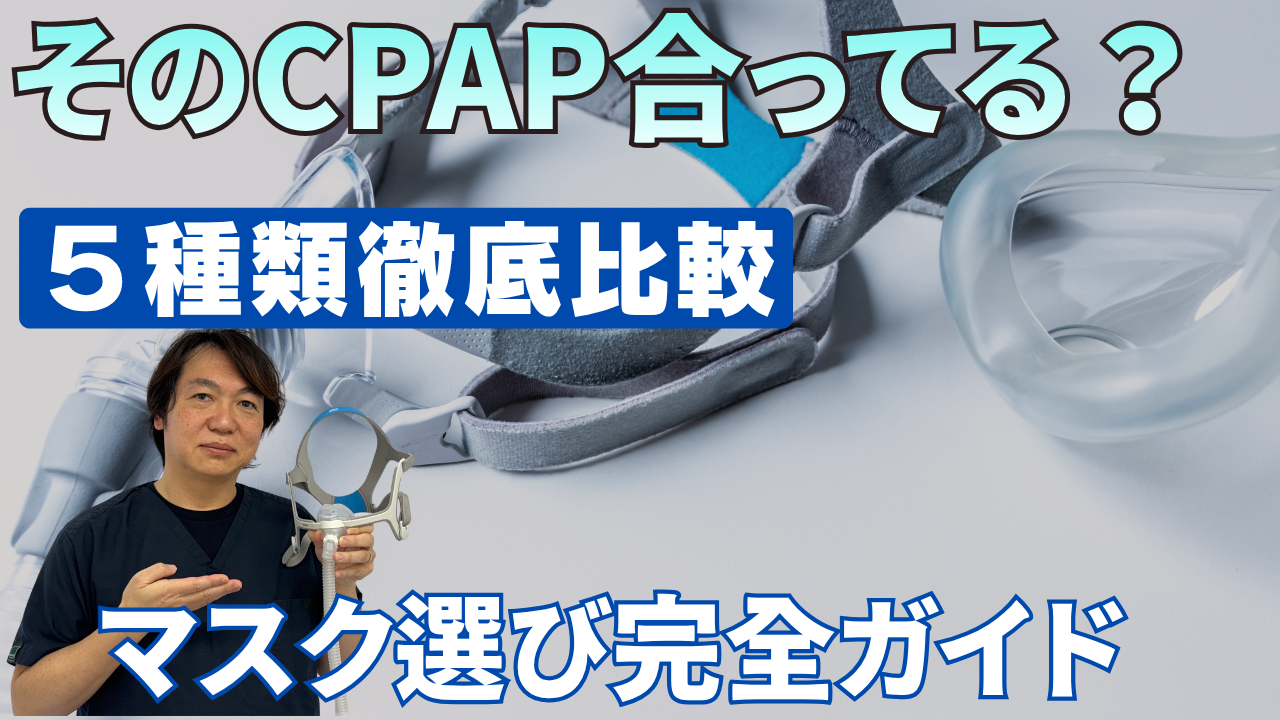
A Complete Comparison of CPAP Masks
We tried on and reviewed five different types of CPAP masks. 90% of CPAP comfort comes down to the mask.
Watch the video
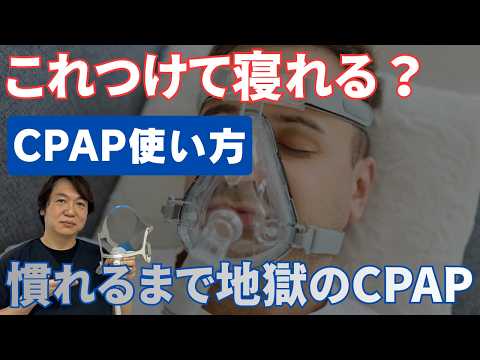
Do you have to use CPAP forever? A specialist explains how to use CPAP
A detailed explanation of how to use CPAP, with a real demonstration of what it feels like to wear the device.
Watch the video
Ueno Snoring Clinic was featured on Fuji TV’s “Live News It!” and on FNN Prime Online
Watch our clinic’s examination and explanation of sleep disorders, snoring, and sleep apnea.
Watch the video
Ueno Snoring Clinic was featured in an article on Nippon TV’s “news every.”
Please take a look as a starting point for thinking about getting evaluated for snoring, sleep apnea, or other sleep disorders.
Read the article
Reviewed by Our Director
Kazuyuki Sugaya
Director, Ueno Snoring Clinic / Anesthesiologist
Our director, with over 20,000 general anesthesia cases, focuses primarily on the diagnosis and treatment of snoring and sleep apnea, offering care tailored to each patient. [Insurance-Covered] Ueno Snoring Clinic
This article was written by our Director, Kazuyuki Sugaya, explaining what severe sleep apnea (AHI 30 or higher) really involves, and why prompt treatment matters so much.
🩺Comprehensive Snoring Treatment at Ueno Snoring Clinic
The causes of snoring range from the structure of the throat to body weight. Ueno Snoring Clinic doesn’t lean on any single treatment method — we’re set up to offer each patient the option that best fits their situation, based on sound medical evidence.
Insurance-Covered: Thorough Testing and Ongoing Treatment
- Simplified and PSG testing: A precise assessment of your sleep
- CPAP treatment: The standard treatment for moderate-to-severe apnea
Self-Pay: Address the Root Cause, Short-Term Focus
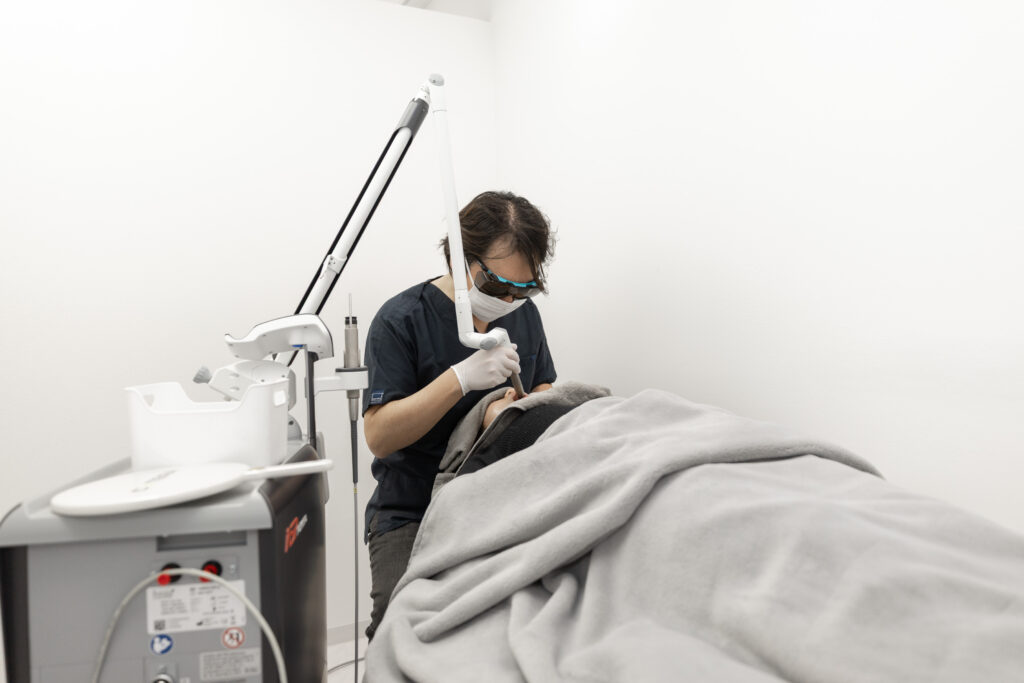
- The latest snoring laser treatment: A non-surgical, root-cause treatment
- Medically supervised weight loss: Physically opening the airway through weight reduction
*As a clinic specializing in snoring treatment, we’re committed to resolving “snoring that won’t stop” from both the insurance-covered and self-pay sides.
Our Director’s book, “Curing Snoring with the Latest Treatments” (an Amazon Japan bestseller — #1 in General Medicine, #1 in Clinical Internal Medicine, #2 in Family Health & Wellness), also covers this topic in more detail.
New Book by Our Director
“Curing Snoring with the Latest Treatments”
A guide to the latest snoring treatments, written by an anesthesiologist who has overseen the sleep of more than 10,000 patients.
View on Amazon
Quick Answer
Severe sleep apnea — defined as an AHI (apnea-hypopnea index) of 30 or higher — means breathing stops or nearly stops more than 30 times an hour, or over 240 times across an eight-hour night. With almost no deep sleep possible, this doesn’t just cause strong daytime sleepiness and poor concentration — it significantly raises the risk of whole-body complications including high blood pressure, heart failure, stroke, and diabetes, and has been linked to roughly a 7-fold higher rate of traffic accidents compared with people without sleep apnea, and about 2.5 times the rate of the average driver. Once diagnosed as severe, CPAP treatment is recommended as the top priority, and consistent use can be expected to normalize your AHI and lower cardiovascular disease risk. This isn’t a matter of “feeling tired” or “snoring loudly” — it’s a stage that calls for prompt action.
📋 What This Article Covers
- A night without breathing — what severe sleep apnea actually means
- When daytime life stops functioning — symptoms and accident risk
- Effects throughout the body — a breeding ground for complications
- Treatment as both “emergency action” and “ongoing support”
- Why consistency is the key to protecting your life
A Night Without Breathing: What Severe Sleep Apnea Actually Means
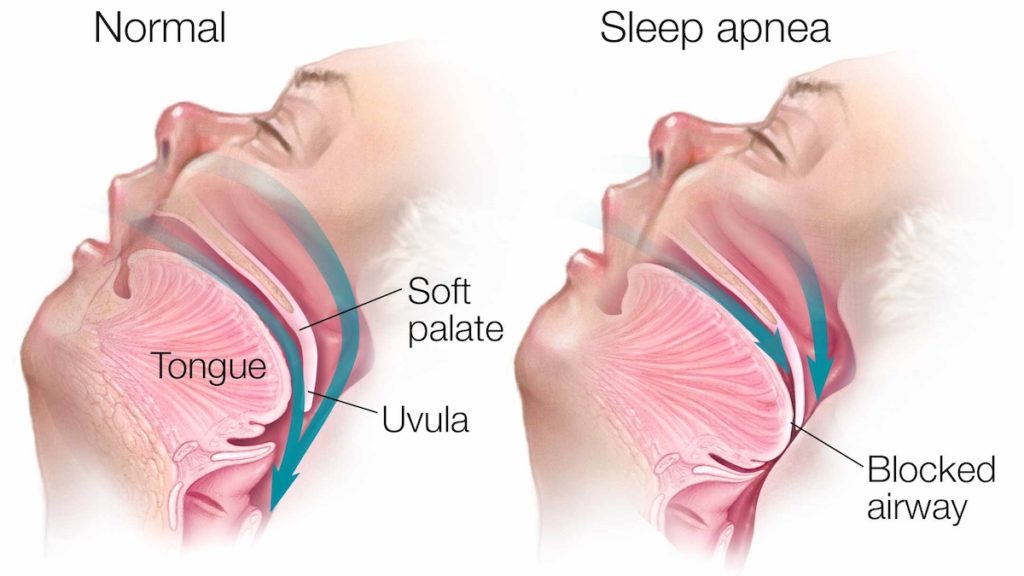
“I sleep all night, but I never feel rested.” “My family keeps telling me I stop breathing.” “I’m supposed to be asleep, but my days feel unbearable.” These are the kinds of complaints typically seen with severe sleep apnea. An AHI (apnea-hypopnea index) of 30 or higher — meaning breathing stops 30 or more times every hour — means that sleep has stopped functioning as “rest” and has turned into a nightly threat to life.
What “severe” actually looks like
An AHI of 30 means an episode of apnea lasting 10 seconds or longer occurs roughly once every two minutes or more often. Across eight hours of sleep, that adds up to more than 240 breathing stops in a single night. At this level, the structure of sleep is severely disrupted and the normal rhythm of non-REM and REM sleep breaks down entirely. Deep sleep becomes essentially unreachable, so the body and brain get almost no repair before morning.
When Daytime Life Stops Functioning: Symptoms and Accident Risk
Severe OSA symptoms reach far enough to seriously disrupt everyday life.
① Severe daytime sleepiness and an inability to stay alert
With dozens of breathing stops disrupting sleep each night, deep sleep (slow-wave sleep and REM sleep) drops drastically. No matter how long you’re in bed, your brain and body never actually rest, which can lead to suddenly falling asleep during meetings or while driving (microsleeps), losing track of a conversation mid-sentence, a sharp drop in work accuracy and judgment, and an inability to stay focused for more than a few minutes at a time. This level of sleepiness often scores high (16 or above) on the Epworth Sleepiness Scale, and can leave someone essentially unable to function during the day.
② Morning headaches, dry throat, and persistent fatigue
Hours of low blood oxygen during the night cause blood vessels in the brain to dilate, which can produce a dull, throbbing headache on waking. Mouth breathing also dries out the throat, and the combination of oxygen deprivation and fragmented sleep typically shows up as deep fatigue — the classic feeling of “sleeping all night but never feeling rested.”
③ Effects on mood and cognitive function
Chronic oxygen deprivation and fragmented sleep disrupt the balance of the autonomic nervous system and brain chemistry, and can bring on low mood, reduced motivation, emotional instability, short-term memory problems, trouble concentrating, poor judgment, and personality changes such as increased irritability or apathy. These symptoms are sometimes mistaken for depression or early-stage dementia.
④ Social risk and the danger of accidents
Severe OSA significantly raises the risk of traffic accidents and workplace accidents. Reports indicate that people with sleep apnea are involved in traffic accidents at roughly 7 times the rate of people without the condition, and about 2.5 times the rate of the average driver. Sleep apnea is also considered a contributing factor in many serious drowsy-driving accidents.
Effects Throughout the Body: A Breeding Ground for Complications
Left untreated, severe sleep apnea takes a toll on virtually every organ system. The following conditions are especially important to understand.
| Complication |
How It’s Connected to Sleep Apnea |
| High blood pressure and heart failure |
Repeated oxygen drops overstimulate the sympathetic nervous system, keeping blood pressure elevated both at night and during the day. The added strain on the heart can lead to abnormal heart rate patterns, ventricular enlargement, arrhythmia, and heart failure. |
| Stroke and dementia |
Low oxygen levels in the brain raise the risk of cerebrovascular damage, contributing to accelerated arteriosclerosis and a higher rate of hemorrhagic and ischemic stroke. A link between chronic sleep apnea and dementia risk has also been reported. |
| Diabetes and metabolic disorders |
Poor sleep quality increases insulin resistance, making blood sugar harder to control. Obesity, sleep apnea, and diabetes often reinforce one another in a difficult-to-break cycle. |
The connection between sleep apnea, blood sugar, and insulin resistance is explained in more detail in our article, Sleep Apnea and Diabetes: The Hidden Blood Sugar Connection.
Treatment Is Both “Emergency Action” and “Ongoing Support”
Severe OSA is a life-threatening condition and, at the same time, a chronic condition requiring urgent attention. Cases of sudden death linked to untreated nighttime apnea have been reported.
For patients diagnosed with severe sleep apnea, CPAP (Continuous Positive Airway Pressure) therapy is recommended as the top-priority treatment. When properly introduced and used consistently, it can be expected to normalize the AHI quickly (down to 10 or below), reduce daytime sleepiness and fatigue, improve blood pressure and blood sugar control, and lower cardiovascular disease risk.
CPAP adherence and cardiovascular risk
Clinical research has reported that patients who used CPAP consistently for 4 or more hours a night saw a roughly 29% reduction in cardiovascular disease risk, and that patients with atrial fibrillation alongside OSA saw their risk drop by approximately 44% with CPAP treatment. In other words, even in severe cases, consistent CPAP use may bring your risk level much closer to that of someone without the condition.
Consistency Is the Key to Protecting Your Life
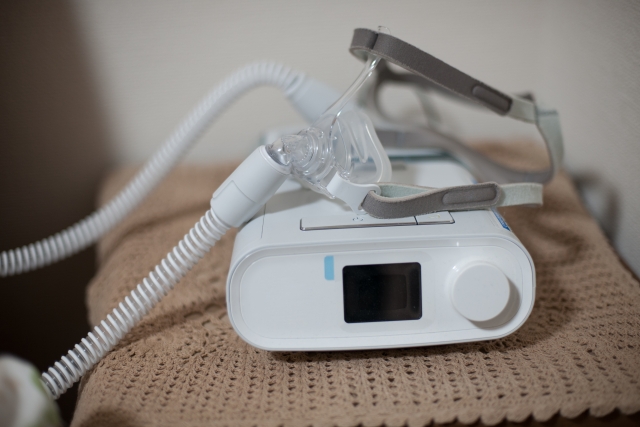
What matters most with CPAP is using it every night, without interruption. Skip even a single night, and the apnea returns. Some people take time to adjust, but working closely with your doctor and technician — through mask adjustments, different mask types, and humidification settings — resolves most of these issues.
Severe sleep apnea is no longer a matter of “feeling tired” or “snoring loudly.” It’s a red warning light signaling a genuine threat to your life. Whether you take the step toward proper treatment at this stage may well determine your health for the next ten or twenty years. Being diagnosed as severe is exactly the moment to take your health seriously. With your doctor’s support, this is a condition that can reliably be improved. Don’t give up — take the first step today.
What Ueno Snoring Clinic Can Do
Ueno Snoring Clinic is a sleep disorder clinic specializing in snoring and sleep apnea. We focus on introducing and fine-tuning CPAP therapy for patients diagnosed with severe sleep apnea, with both insurance-covered and self-pay treatment options available.
If you’ve been told your snoring is loud, or that you stop breathing at night, we recommend getting tested to understand your condition before it progresses to a severe stage.
Summary: If You’ve Been Diagnosed as Severe, Start Treatment Now
Severe sleep apnea, with an AHI of 30 or higher, means breathing stops more than 240 times during eight hours of sleep — raising the risk of daytime sleepiness and accidents, along with whole-body complications such as high blood pressure, stroke, and diabetes.
Using CPAP consistently can substantially lower these risks. If you’ve been diagnosed as severe, we recommend starting treatment as soon as possible rather than putting it off.
Been Told You Stop Breathing at Night? Please Reach Out to Us Right Away
Testing can help you understand your condition before it becomes severe — and if you’ve already been diagnosed as severe, we can begin CPAP treatment and adjustment right away. Insurance coverage is available, and self-pay snoring laser treatment is also offered.
Frequently Asked Questions
Q. If I’ve been told my AHI is 30 or higher, should I start treatment right away?
A. Yes — we recommend starting treatment as soon as possible. Severe sleep apnea carries a high risk of accidents from extreme daytime sleepiness, as well as complications such as high blood pressure, heart failure, stroke, and diabetes, and cases of sudden death have been reported. This is a stage where delaying treatment carries real risk.
Q. How soon will I feel the effects of CPAP treatment?
A. Many patients notice less daytime sleepiness and fatigue within days to a few weeks of starting. The AHI itself often improves from the very first night of use, while broader effects on blood pressure and blood sugar tend to appear gradually with continued, consistent use.
Q. What happens if I don’t use CPAP?
A. Ongoing untreated apnea raises the risk of complications such as high blood pressure, heart failure, stroke, and diabetes, and also increases the risk of traffic accidents. In severe cases, there are reports of sudden death.
Q. Can I still have snoring laser treatment if I’ve been diagnosed as severe?
A. For severe sleep apnea, CPAP treatment is the priority as a first step. Laser treatment may be considered alongside CPAP, or once your condition has stabilized. Please discuss the details with us during your consultation.
*This article is a general explanation, written for a broad audience and based on the sources above together with our clinic’s own clinical experience. It is not a substitute for medical advice. If you’ve been diagnosed with severe sleep apnea, or suspect you may have it, please consult a medical institution promptly for a proper evaluation.






いびきを最新治療で治す-表紙-1.png)